

Vintage Wooden Display Rack
A vintage wooden display rack brings practical organisation and character to a room, holding books, plates and ornaments with timeless appeal.
Vintage Wooden Display Rack
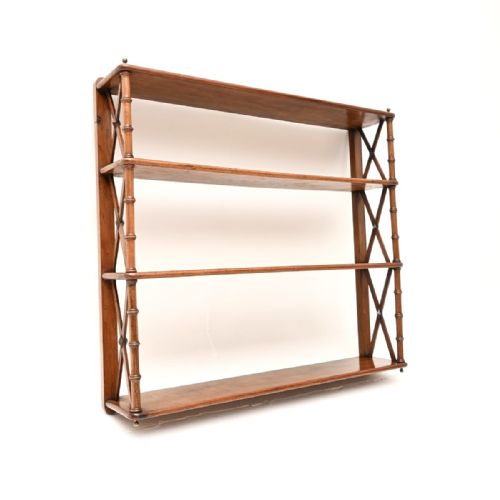
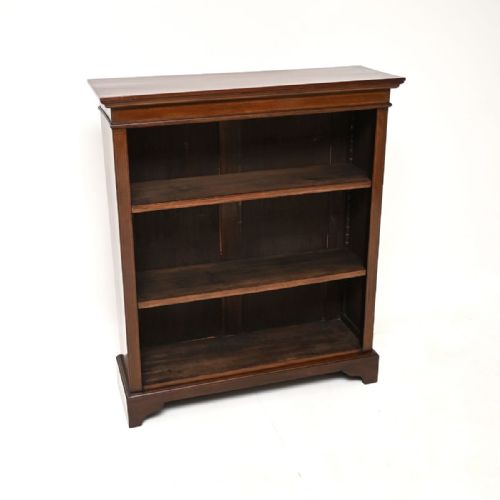
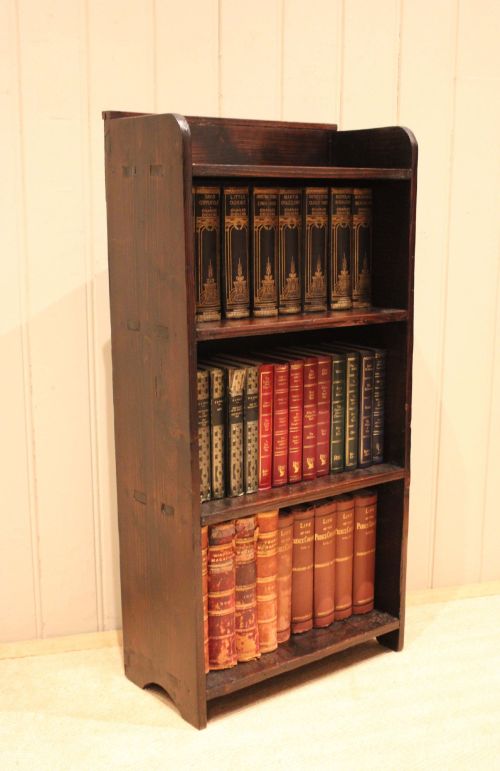
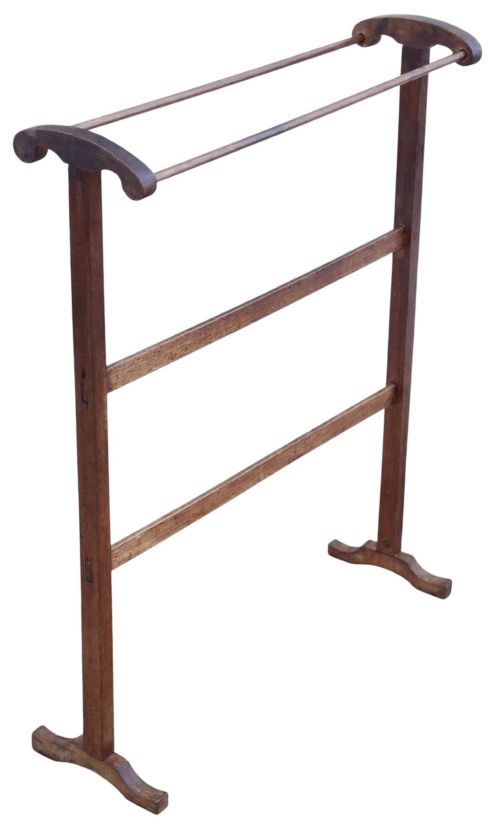
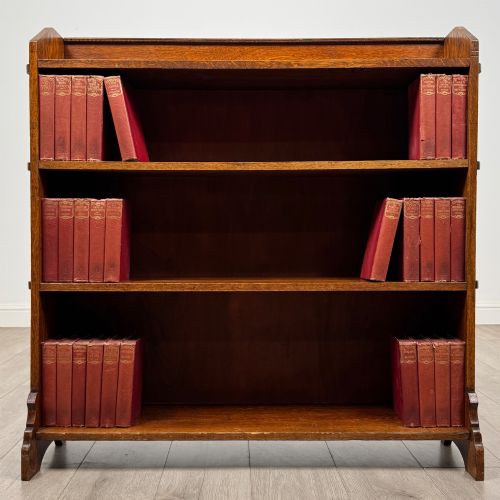
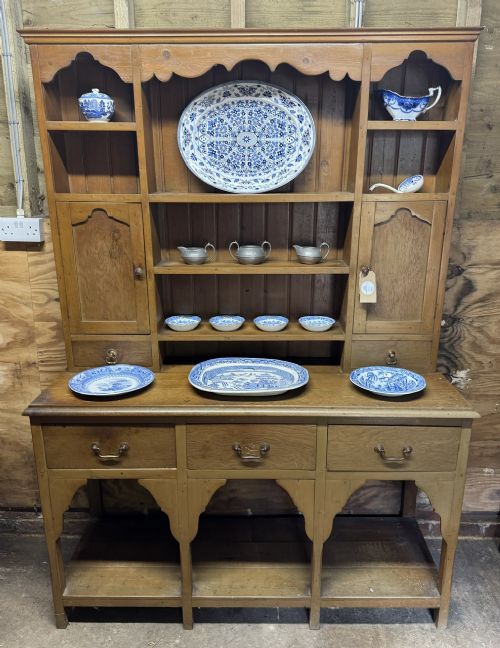
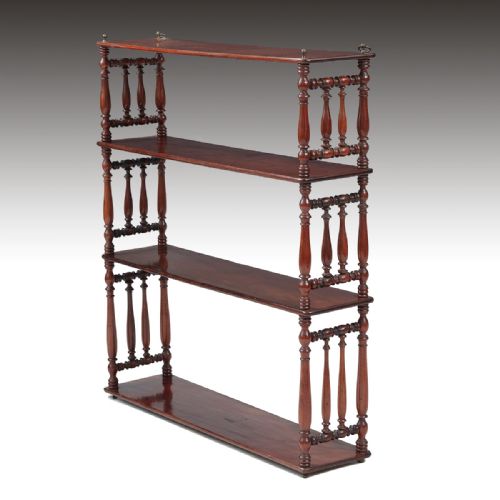
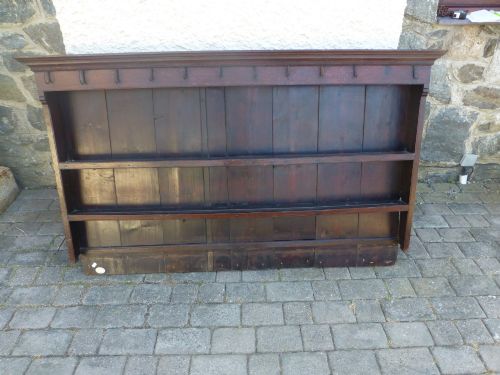
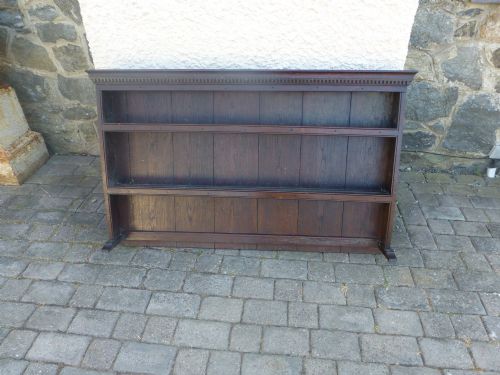
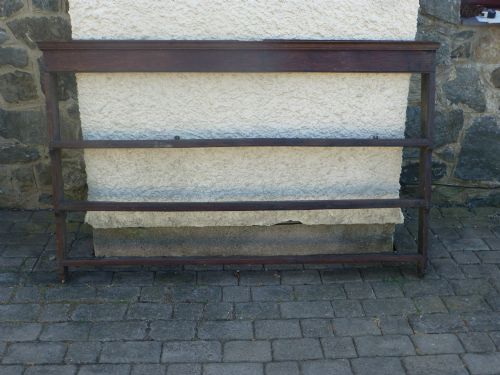
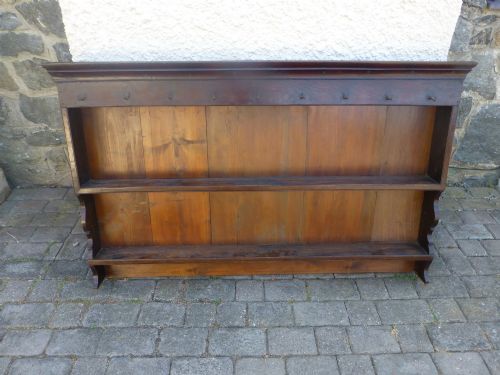
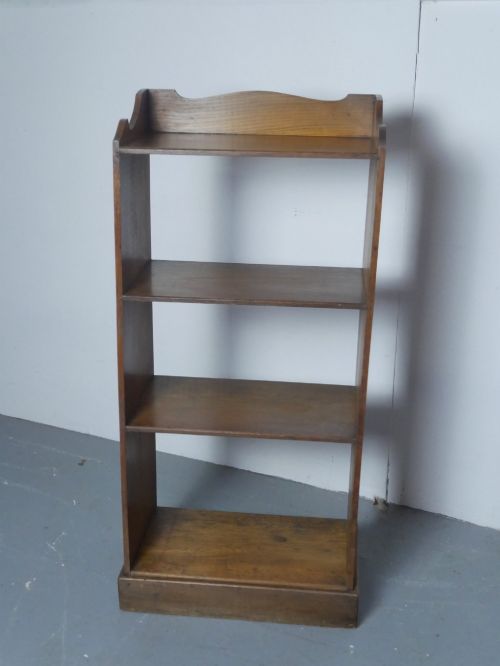
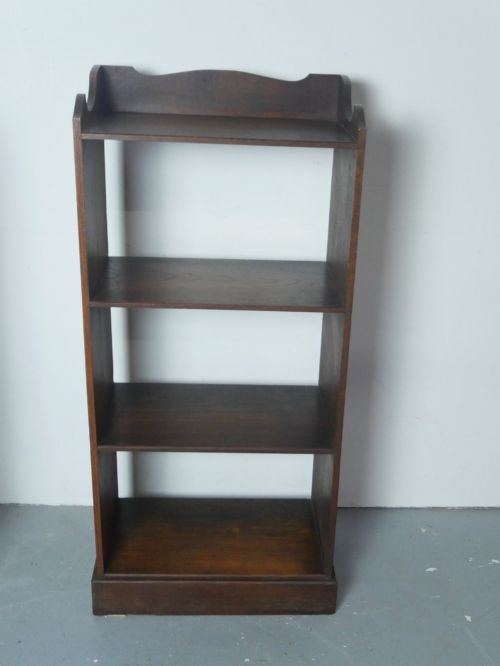
A vintage wooden display rack encompasses wall shelves, bookcases, plate racks and dressers designed to organise and exhibit household items. When searching for a vintage wooden display rack, buyers typically encounter pieces originating from the eighteenth century through to the twentieth century, reflecting Georgian, Victorian, Edwardian and Regency styles.
The diversity of forms allows these pieces to function across various domestic settings, serving as book storage, display ledges for ceramics or kitchen dressers. The surviving examples demonstrate how past generations stored and displayed domestic goods using robust timber construction.
What varies in quality
The distinction between standard utility furniture and superior examples lies in the choice of timber selection and the refinement of the joinery. Finely figured mahogany, burr walnut and quarter-sawn oak elevated the status of a piece, while secondary timbers in less visible areas reveal the maker's economy or thoroughness.
Proportion and decorative restraint set finer items apart from simpler country workshops. Well-executed mouldings, balanced shelving spacing and original brass hardware or mother-of-pearl inlay indicate a higher grade of design and execution.
Current listings feature pieces spanning the eighteenth, nineteenth and twentieth centuries, constructed predominantly in oak, mahogany, walnut and pine.
The Vintage Wooden Display Rack Glossary
- Delft rack
- A set of open wall shelves specifically designed for displaying ceramic plates and platters. These typically feature wooden retaining lips or plate grooves to hold round dishes upright.
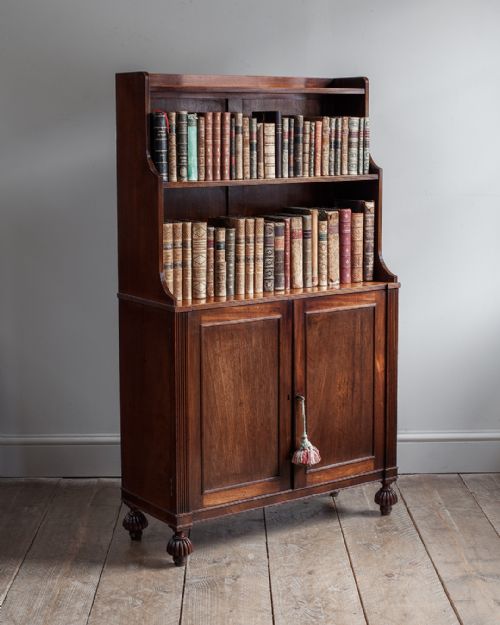
- Waterfall bookcase
- A tiered set of open shelves where each successive shelf is deeper than the one above it, creating a cascading silhouette. This form gained popularity during the Regency period.
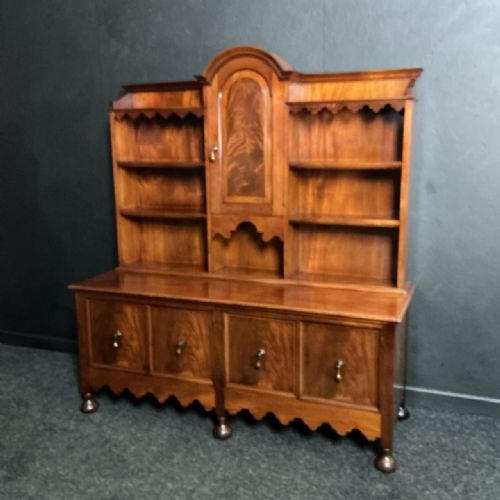
- Welsh dresser
- A large kitchen or dining room storage unit combining base cupboards or drawers with an open plate rack superstructure. They are traditionally constructed from regional timbers like oak and pine.
- Whatnot
- A freestanding set of open display shelves supported by slender pillars or columns, used for ornaments and books. Victorian and Regency versions often incorporated multiple tiers.
- Patina
- The surface sheen and mellow colour developed by wood over decades of handling, cleaning and exposure to light. Original patina is valued by collectors for evidencing age and authenticity.
Vintage Wooden Display Rack: Frequently Asked Questions
How do I hang a wall display rack safely?
Wall-mounted racks require secure fixings into structural wall studs or masonry using appropriate wall plugs and screws. Weight distribution must be considered before loading shelves with heavy volumes or ceramics.
Heavier wooden units often feature integrated hanging brackets or sturdy internal battens to support the load safely against the wall surface.
What is the difference between an open bookcase and a display rack?
An open bookcase is primarily built for storing books vertically with uniform shelf depths, whereas a display rack frequently incorporates shallow ledges, plate grooves or hanging space for decorative objects.
Display racks often mount directly to walls or sit atop dressers to present tableware and ornaments at eye level.
How should I clean antique wood display furniture?
Dusting regularly with a soft, dry, lint-free cloth prevents dirt accumulation in carved details and joints. Avoid modern silicone sprays or abrasive household cleaners that can damage historic finishes.
Applying a traditional beeswax polish periodically helps nourish dry timber and maintains the natural lustre of the aged surface without building up excessive residue.
Can these racks support heavy books?
Solid oak, mahogany and walnut bookcases generally offer robust structural strength capable of holding standard book collections. Shorter shelf spans also resist sagging better than wide boards.
Pine or lighter wall-mounted shelves are better suited to lighter paperbacks, decorative items or kitchen plates rather than heavy encyclopaedias.
How do I identify a Georgian piece from a Victorian one?
Georgian furniture typically displays clean architectural lines, simpler mahogany or oak surfaces, and classical proportions dating through the eighteenth century. Construction often relies on hand-cut dovetails and pegged joinery.
Victorian pieces frequently introduce darker finishes, burr walnut veneers, more elaborate turned supports or Arts and Crafts decorative cut-outs reflecting nineteenth-century revival styles.