
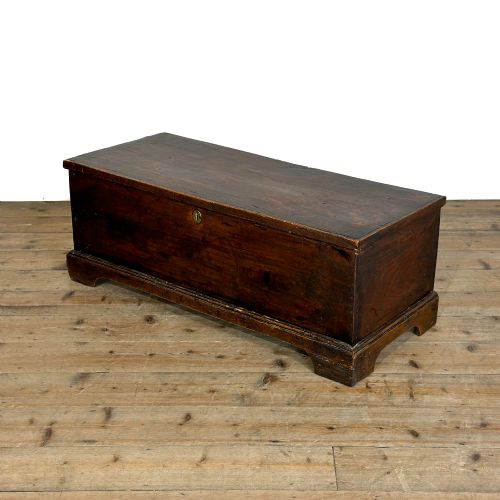
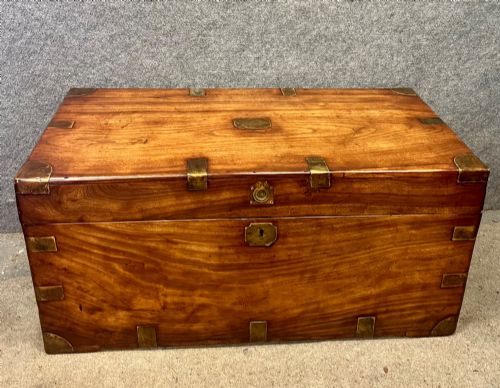
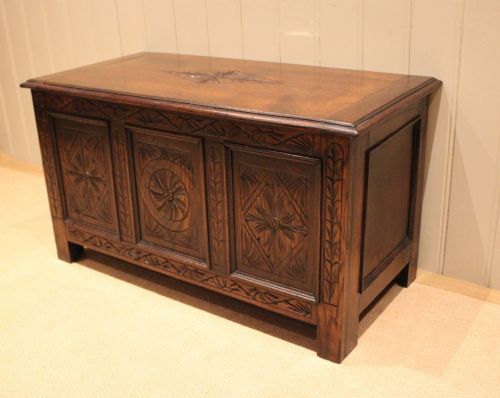
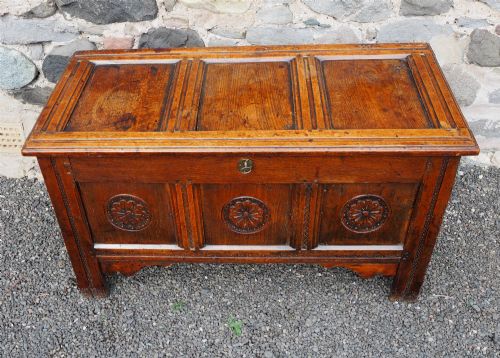
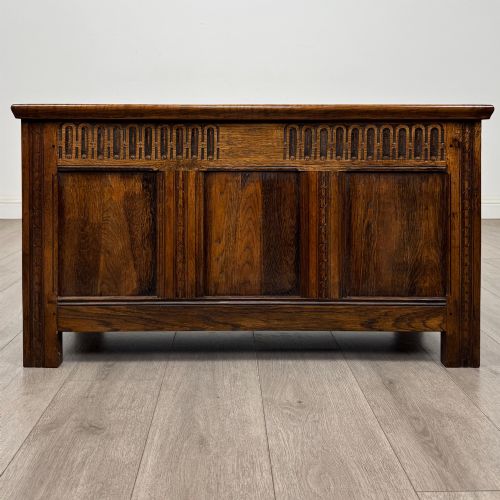
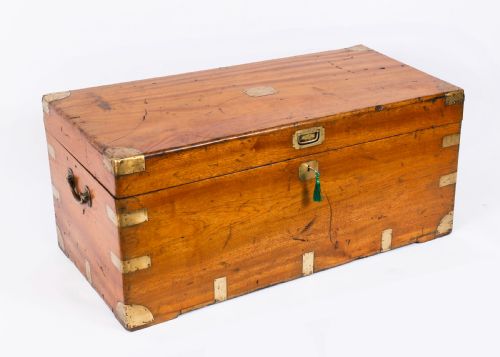


Antique Wooden Coffer Chest
An antique wooden coffer chest is a rugged period storage piece offering immense character and heavy domestic utility.
What an antique wooden coffer chest is
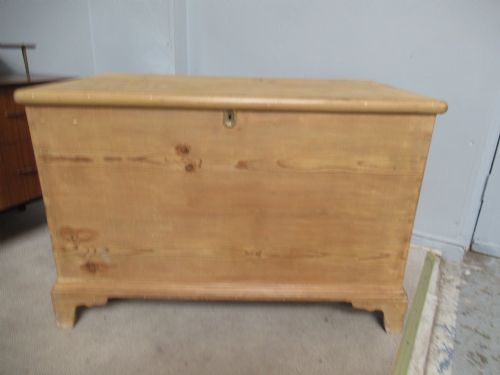
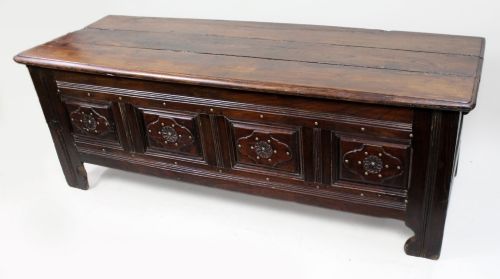
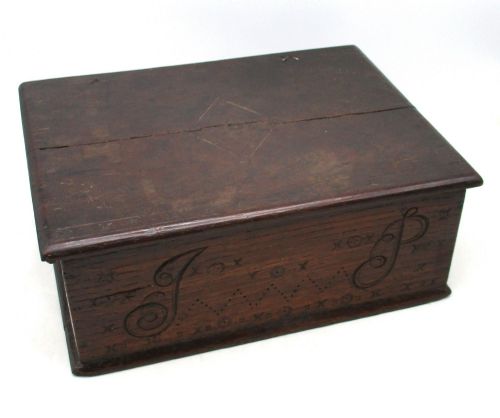
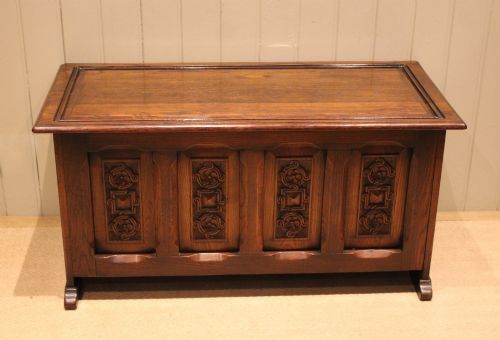
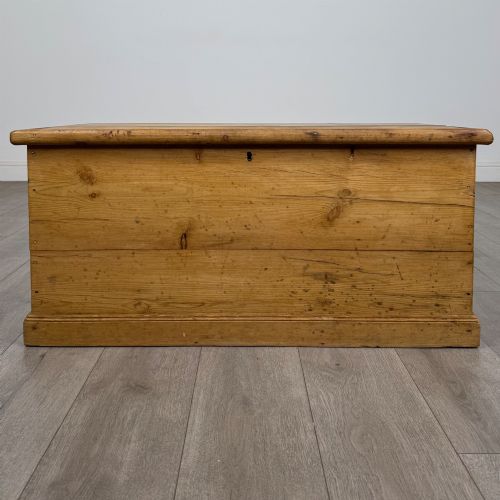
The antique wooden coffer chest is a robust domestic container historically used for securing valuables, linens, and documents in the home. These pieces provide substantial presence and deep interior volume for modern storage needs.
Buyers browsing this selection frequently encounter sturdy examples dating from the seventeenth, eighteenth, and nineteenth centuries. The inventory reflects diverse regional traditions across periods spanning Jacobean through Georgian and Victorian eras.
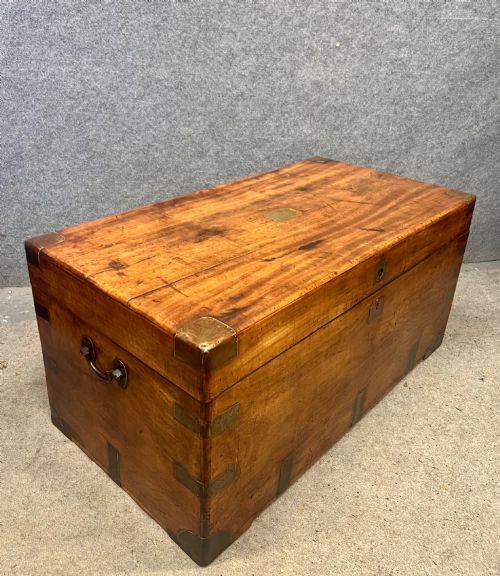
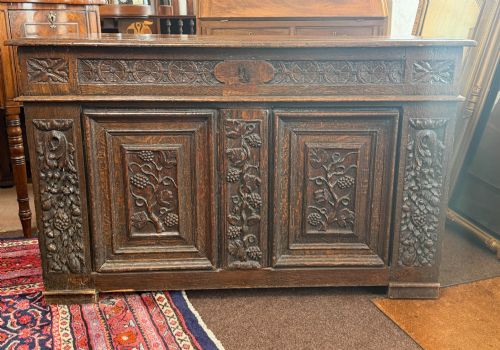
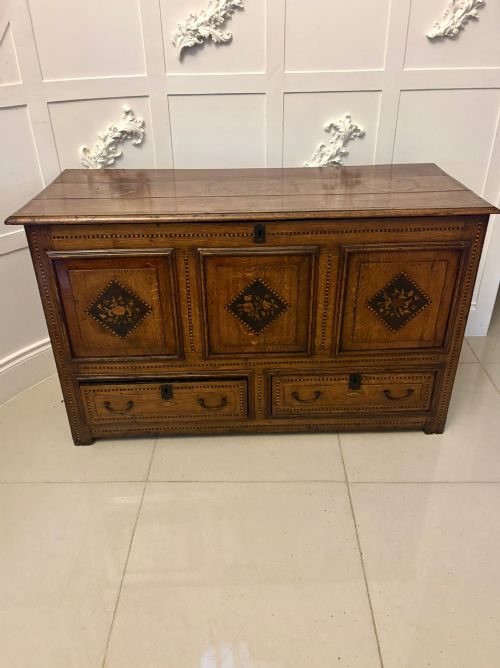
Forms range from traditional planked coffers to variations featuring lower drawers, as well as related chest of drawers formats. Chinese Qing Dynasty hardwood variants alongside British oak and pine pieces demonstrate the global reach of heavy timber storage.
How they were made
Construction relies heavily on durable timbers such as oak, pine, walnut, and mahogany, chosen for structural strength and grain pattern. Cabinetmakers utilised solid planks assembled to withstand generations of daily handling.
Hardware played a functional role in construction, with blacksmith-forged iron hinges, straps, and brass fittings reinforcing the heavy wooden joints. Selected pieces display decorative elements like banding and flame mahogany veneers.
Secondary materials such as leather occasionally feature in the construction or lining of storage compartments, adding texture and protection. Joinery methods varied according to the period, from early pegged frame construction to later dovetailed drawer boxes.
Retail Price Guide 2026
Typical UK retail prices for wooden coffer chest, calculated from the Sellingantiques database of over a million retail prices indexed since 2003. This retail price guide relies exclusively on Sellingantiques data; no external sources or auction records are used, so the figures do not describe the wider market.
Listings span five distinct periods from the seventeenth to the nineteenth century, encompassing oak, pine, walnut, and mahogany.
Judging quality in timber storage
Quality rests primarily on the integrity of the timber, the honesty of the construction, and the preservation of original surfaces. Pieces retaining their early ironwork or brass hardware command greater appreciation among traditional collectors.
The sophistication of the timber preparation, such as figured walnut or carefully selected flame mahogany veneers, distinguishes high-status examples from utilitarian country pieces. Finer proportions and subtle banded detailing elevate the visual balance of the chest.
The Antique Wooden Coffer Chest Glossary
- Cofer
- An early chest or box used for safekeeping valuables, typically constructed with a heavy lid and solid timber walls. These sturdy containers predate modern wardrobe furniture.
- Band
- A contrasting strip of wood inlay applied to highlight drawer fronts or panel borders. This decorative technique adds linear definition to flat surfaces.
- Flame mahogany
- Timber veneer cut to reveal a flickering, undulating grain pattern resembling flames. Cabinetmakers reserved this striking material for primary display surfaces on fine case furniture.
- Hardwood
- Timber derived from broad-leaved trees, noted for density and durability. Examples include oak, walnut, and exotic Asian species utilised in heavy storage furniture.
- Dovetail
- An interlocking joint formed by interlocking wedge-shaped fingers, standard in quality drawer construction. This mechanical interlock resists tension pulling apart.
Frequently Asked Questions
What were antique coffers used for?
Historic households utilised these heavy wooden boxes primarily for storing textiles, family valuables, and important documents securely. Because cupboards were scarce in early homes, a lidded coffer provided the main secure container.
Over subsequent generations, many of these storage pieces transitioned into general household furniture as domestic living arrangements evolved and dedicated rooms emerged.
How do I date an old wooden chest?
Dating relies on observing construction methods, timber species, and overall stylistic details relative to known historical periods. Seventeenth-century pieces typically display heavy oak framing and pegged joints, whilst later Georgian and Victorian examples incorporate refined veneers and dovetailed drawers.
Hardware styles, tool marks left by early saws, and the natural ageing of the wood further assist in establishing the approximate era of manufacture.
How do I care for antique timber?
Maintain antique wooden coffers by keeping them away from direct heat sources and sudden humidity shifts that cause timber to split. Regular dusting with a soft cloth preserves the dry finish.
Occasional application of appropriate wax feeds the old wood without building up a sticky film that attracts dust or obscures the historic surface.
Are coffer chests practical today?
These robust chests offer exceptional interior volume for concealing blankets, pillows, or bulky items in modern living spaces. Their flat lids allow them to function effectively as low tables or bench seating.
Placing one in a hallway or living room introduces historic texture whilst serving a direct, everyday storage purpose.