

Antique Wooden Bucket
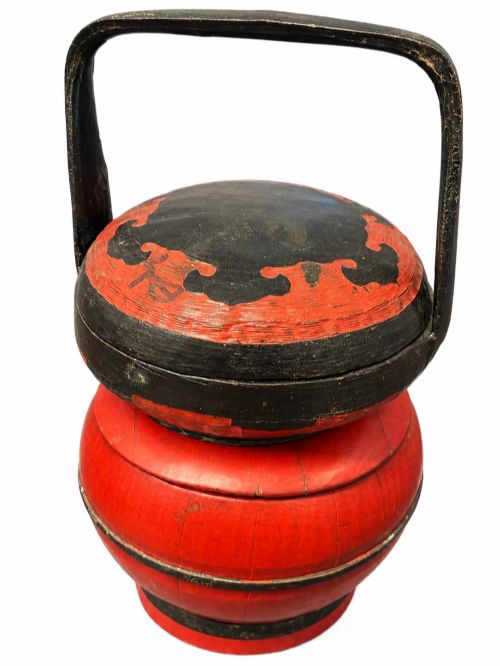
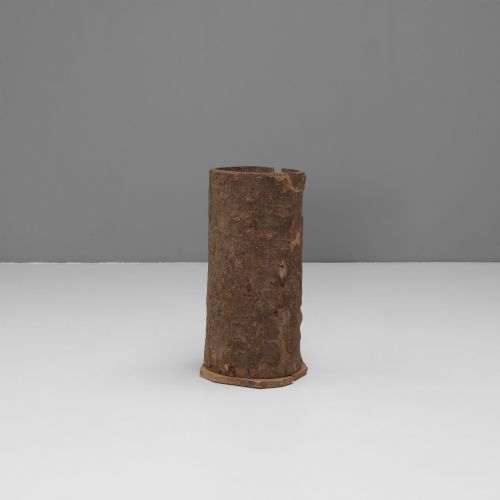
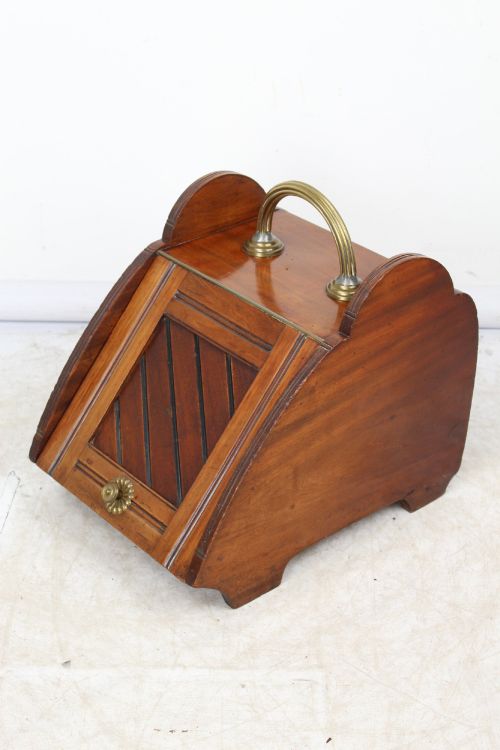
An antique wooden bucket brings functional vessel forms into domestic interiors, spanning wine coolers, coal scuttles, and peat buckets.
Antique Wooden Bucket
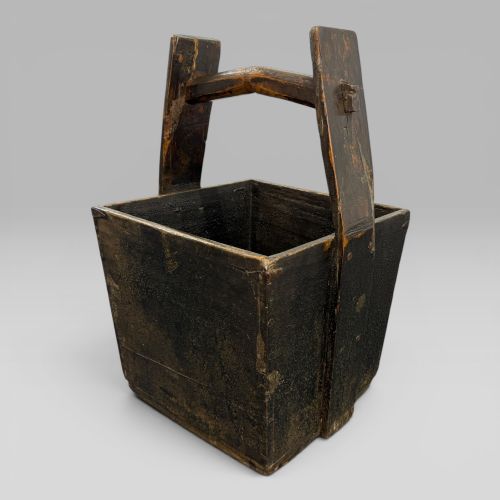
The evidence shows forms originating in English, French, Dutch, and Scandinavian workshops. These pieces include plate buckets, grain measures, butter barrels, and harvest baskets spanning the eighteenth, nineteenth, and early twentieth centuries.
Materials and Construction
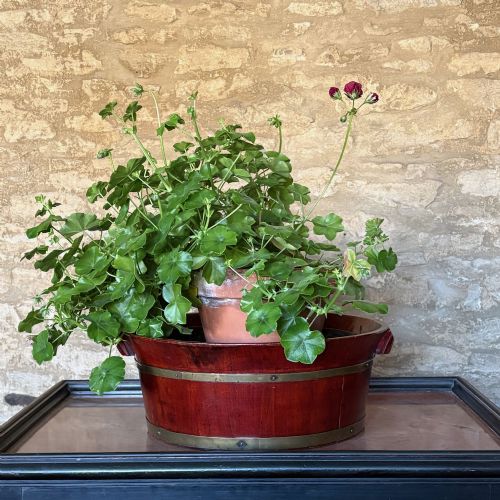
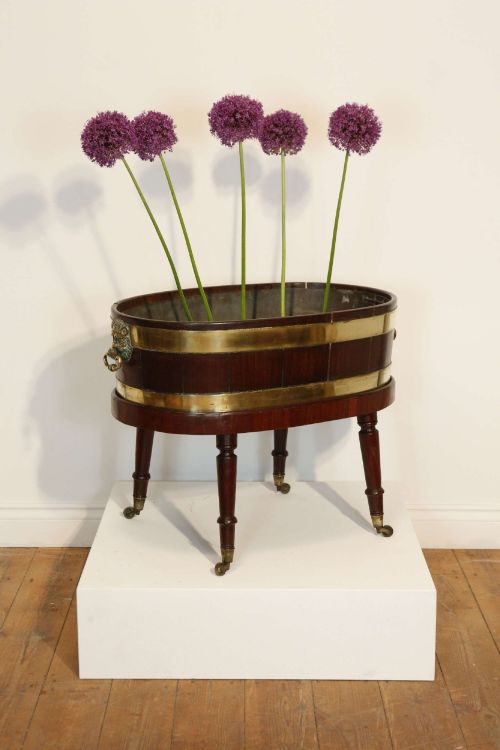
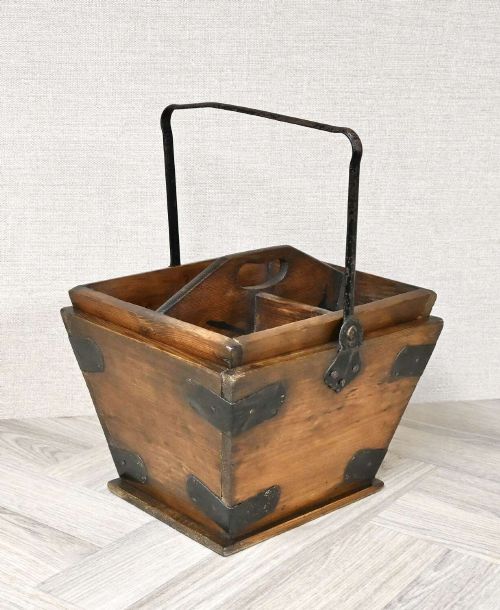
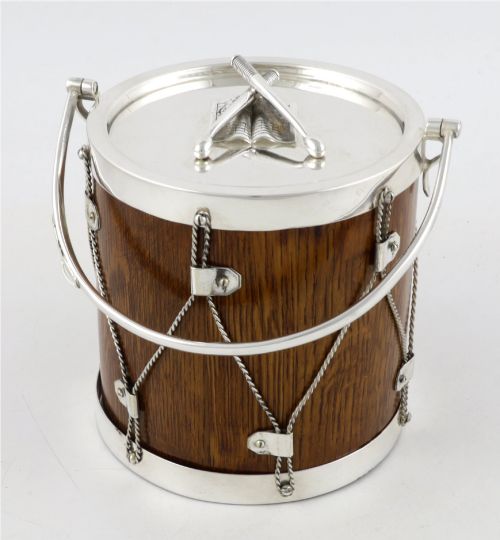
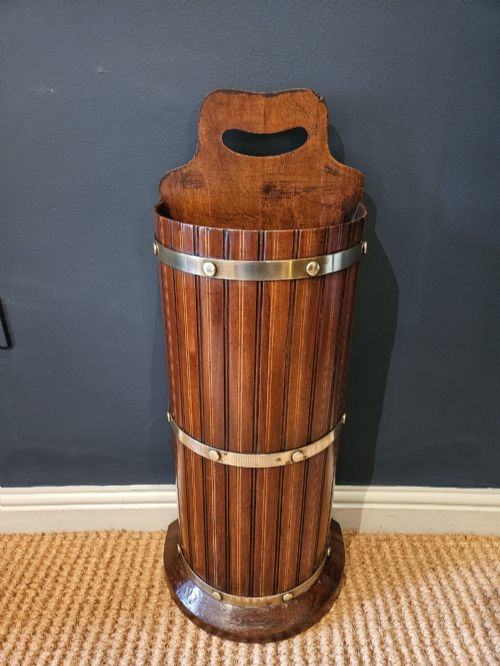
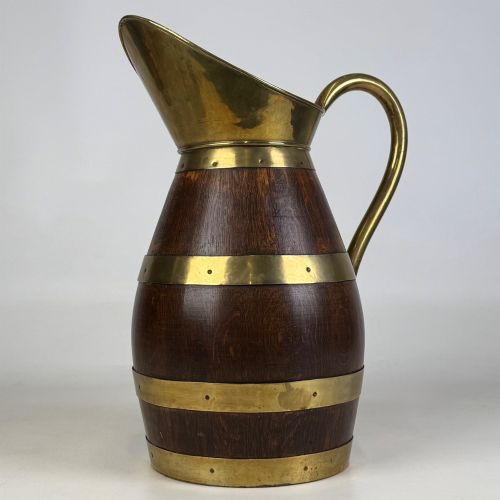
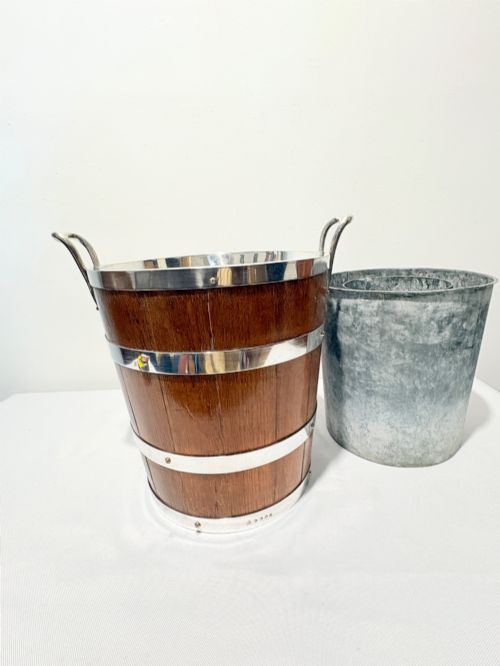
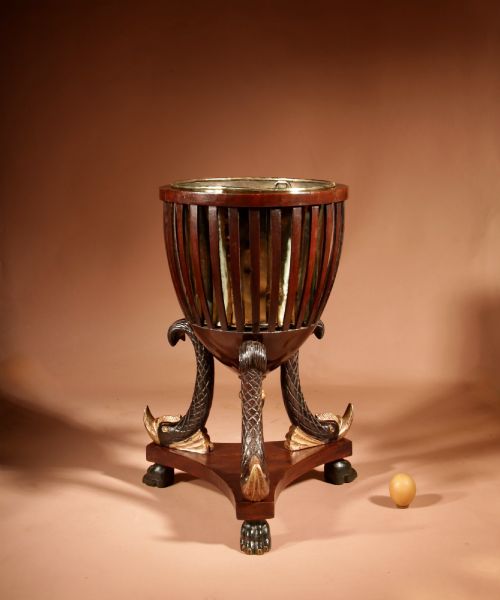
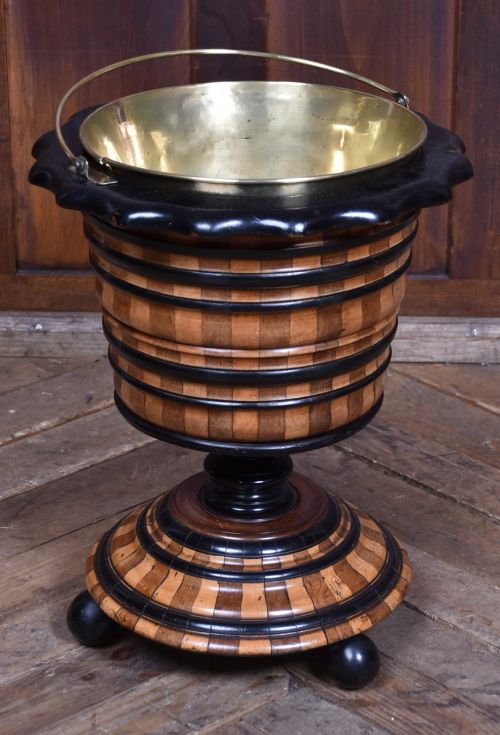
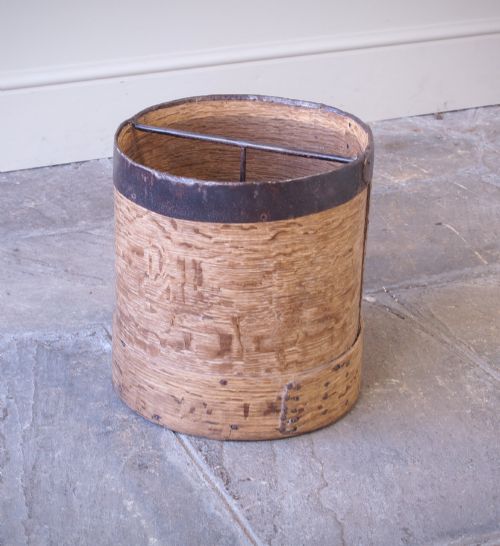
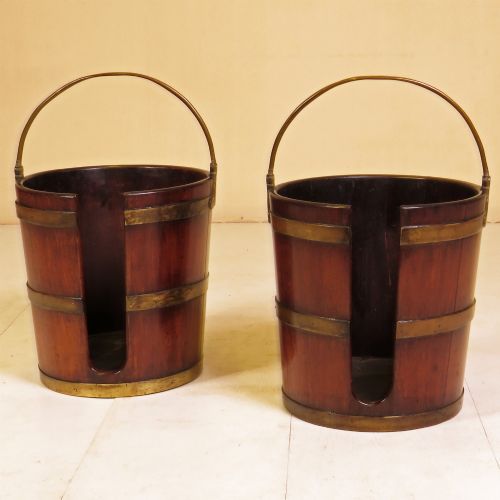
Cooperage forms the primary construction technique for these vessels, utilising staves of mahogany, oak, walnut, elm, pine, and ebonised wood bound together by metal bands. Riveted or hammered brass and iron provide the structural tension and decorative contrast on barrels, tubs, and buckets.
Liners in zinc, copper, or brass frequently accompany pieces intended to hold wet contents such as wine, peat, or tea stoves. This combination of timber and metal addresses the practical demands of holding liquids, ice, coal, or damp fuel.
Antique Wooden Bucket Retail Price Guide 2026
Typical asking prices for wooden bucket among the pieces listed under this phrase on Sellingantiques today, from the lower quarter to the upper quarter. They describe what is for sale here now, not the wider market.
Listings feature mahogany, oak, and pine woods paired with brass and iron fittings across the 18th, 19th, and 20th centuries.
Craftsmanship and Proportion
Quality rests upon the precision of the cooper's work, visible in the tightness of the stave joints, the regularity of the grain, and the thickness of the original timber. Superior examples retain matching brass or iron bands, original liners, and well-integrated carrying handles or stands.
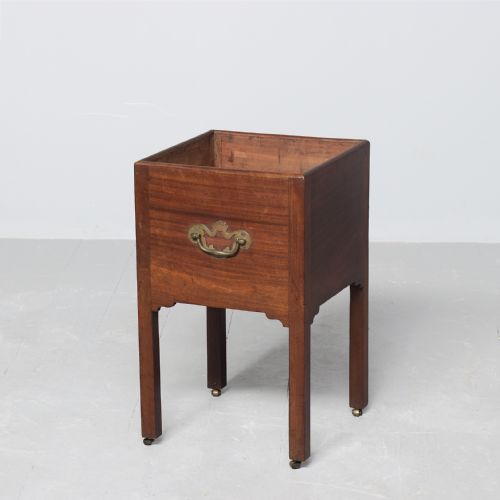
Proportion and surface finish distinguish standard utilitarian barrels from refined domestic furnishings. Finer vessels display select mahogany or walnut veneers, dovetail construction on accompanying stands, and crisp brass fittings rather than heavy utilitarian iron.
The Antique Wooden Bucket Glossary
- Coopered
- Made by a cooper using curved wooden staves bound with metal hoops. This technique provides the structural strength required for liquid containment.
- Cellarette
- A lockable container used for storing wine bottles near the dining table. They frequently take coopered bucket or sarcophagus forms.
- Peat bucket
- A lidded or open container designed to hold dried peat blocks for a hearth fire. They often incorporate metal liners to contain debris.
- Plate bucket
- A slatted or solid wooden vessel used for carrying dinner plates to and from the table. Georgian examples often feature shaped mahogany staves.
- Teestoof
- A Dutch foot warmer or stove holding a container for hot embers. They frequently appear as small coopered wooden buckets with metal liners.
Antique Wooden Bucket: Frequently Asked Questions
What were antique wooden buckets used for?
These vessels served practical tasks across the home, including cooling wine at the dining table, holding coal or peat by the fireplace, and storing umbrellas in the hallway.
Others held grain, butter, or washing in domestic and agricultural settings.
How do you clean an antique wooden bucket?
Dust the timber with a dry cloth and apply a traditional beeswax to maintain the finish. Avoid using excess water or harsh chemical cleaners on the antique wood.
Polish brass or iron bands gently with a metal cleaner while protecting the surrounding timber surface.
How can you date an antique wooden bucket?
Dating relies on timber selection, fixing methods, and the style of the metal bands. Georgian pieces typically employ solid mahogany with hand-beaten brass, while Edwardian versions use machine-cut oak.
Examine the construction marks and the wear patterns on the base to establish the period.
Can antique wooden buckets still hold water?
Many coopered vessels rely on timber swelling when wet to maintain a water-tight seal. However, shrinkage in dry modern environments can cause staves to separate over time.
Inspect the internal metal liner if present, as this component managed moisture rather than the bare wood alone.
Where should I place a wooden bucket at home?
These pieces suit fireside settings for storing logs, kindling, or magazines. They also function as umbrella stands in hallways or as plant holders with appropriate liners.
Keep them away from direct heat sources and intense radiator warmth to prevent the timber from splitting.