


Antique Wood Tea Table
An antique wood tea table is a folding or tilt-top surface designed for hospitality, offering period craftsmanship and versatile daily utility.
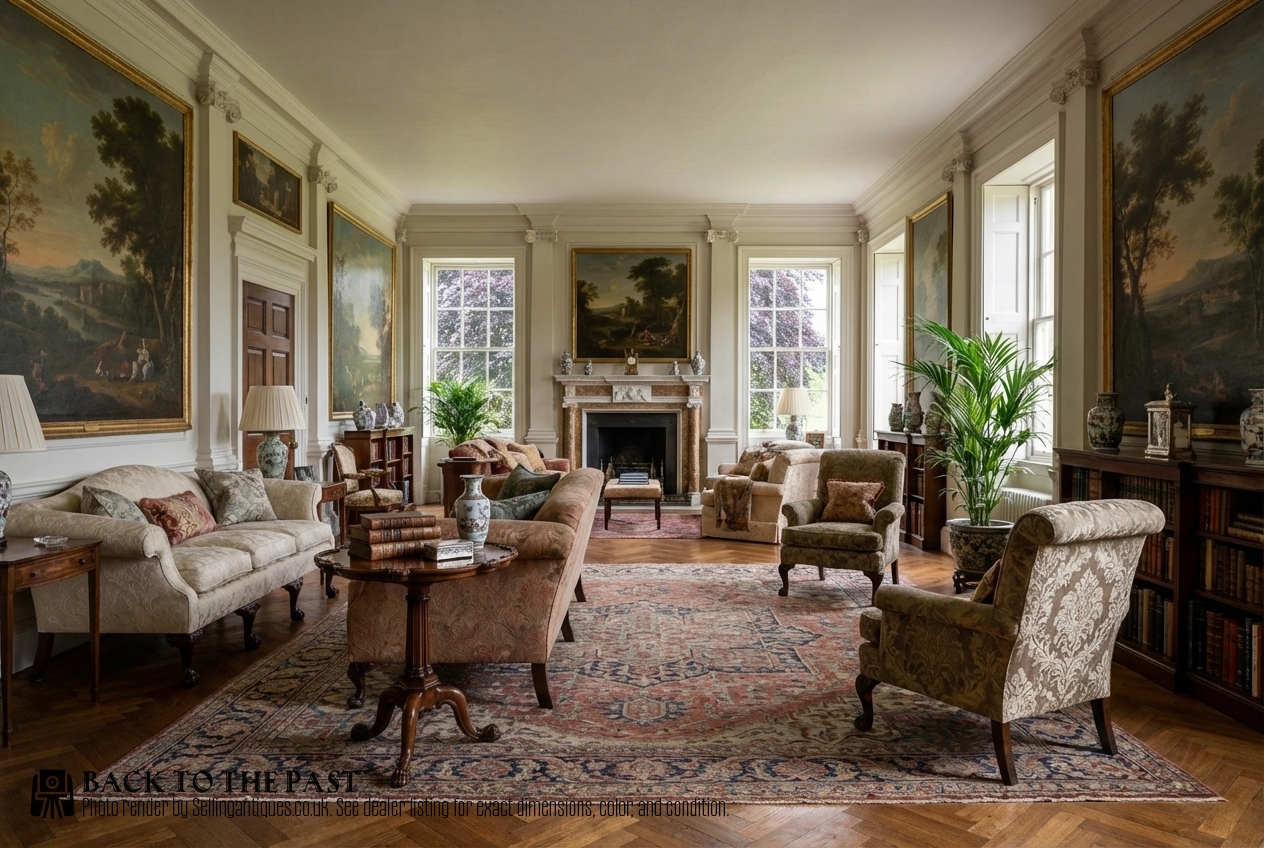
Antique Wood Tea Table
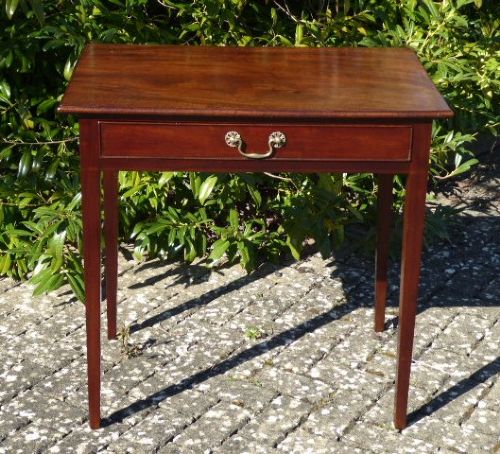
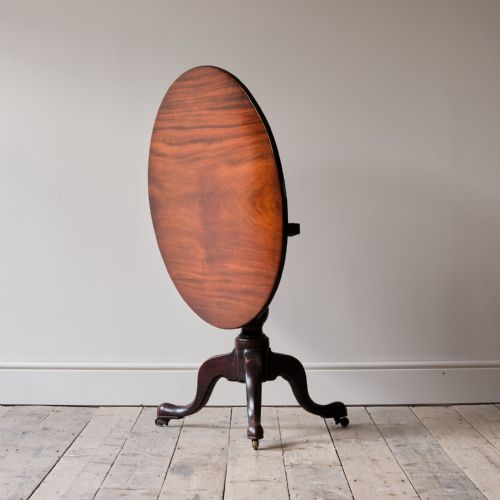
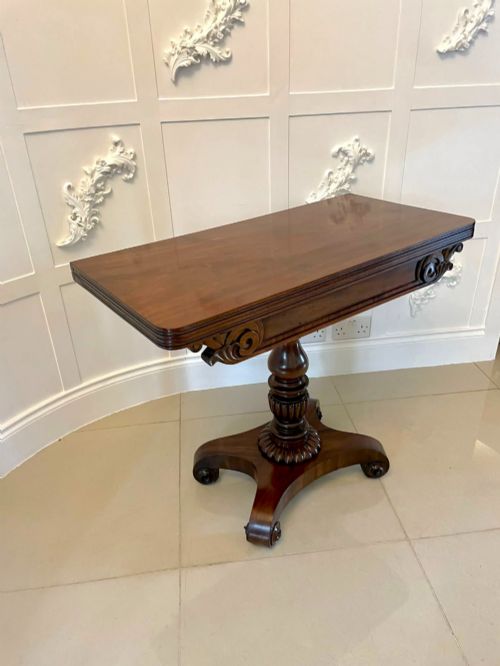
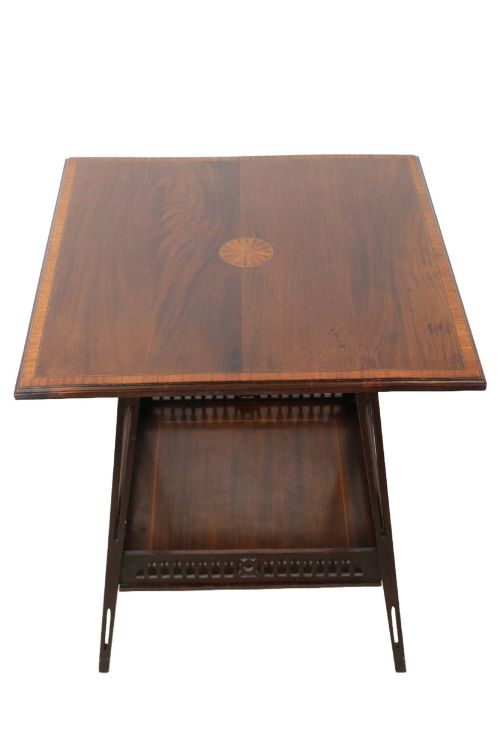
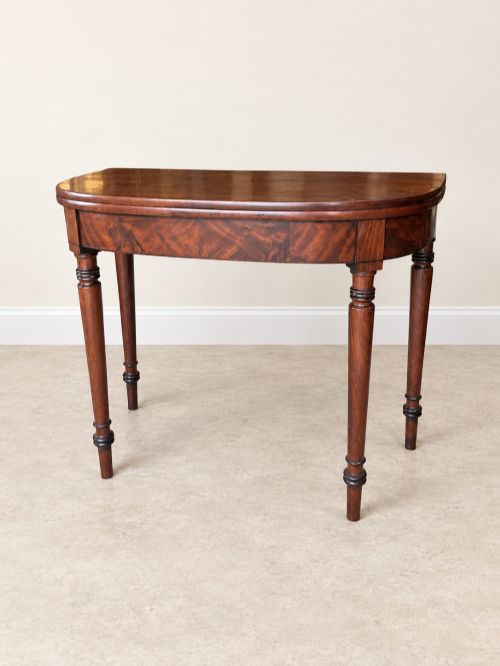
An antique wood tea table serves as a functional centrepiece spanning the Georgian, Regency, William IV and Victorian eras. These pieces often feature fold-over tops or tilt mechanisms designed to save space when not in use for serving tea or social gatherings.
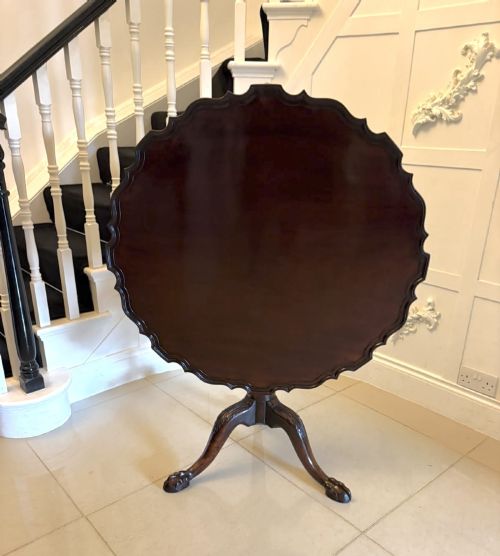
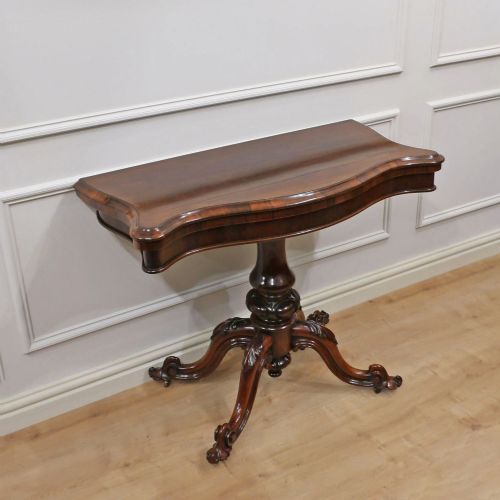
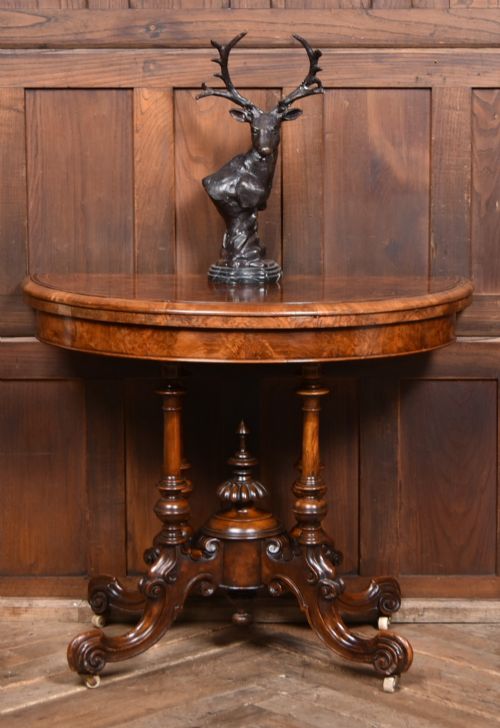
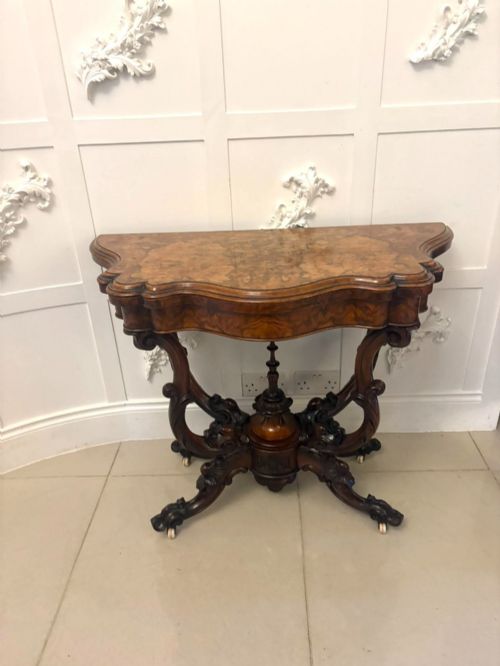
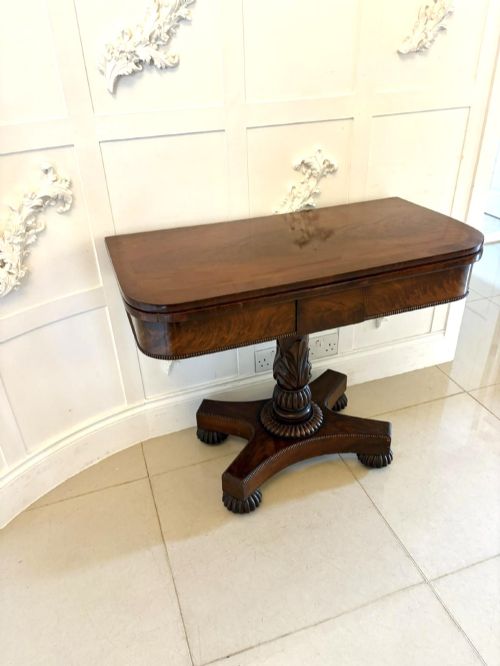
Buyers on this page most frequently encounter mahogany and rosewood examples from the eighteenth and nineteenth centuries, including demi-lune, rectangular, and round tripod formats. The selection also encompasses related forms such as card tables and console tables sharing similar folding constructions.
The assortment ranges from plain utilitarian side variants to highly decorative pieces inlaid with brass or satinwood. Each iteration reflects the changing domestic social habits and interior design tastes of British and European households over successive centuries.
How They Were Made
Cabinetmakers utilised dense timbers like mahogany, rosewood, and walnut, frequently applying fine veneers such as burr walnut or satinwood to visible surfaces. Solid secondary woods provide structural integrity to the frames and internal pivot mechanisms of folding tops.
Joinery techniques include precise dovetailing for drawers and clever hinge mechanisms that allow tops to rotate and fold flat. Carved pedestals, tripod legs, and brass inlay demonstrate the skilled handwork characteristic of period workshops.
Listings feature mahogany, rosewood, walnut, satinwood, and oak across Georgian, Regency, William IV, and Victorian periods.
What Varies in Quality
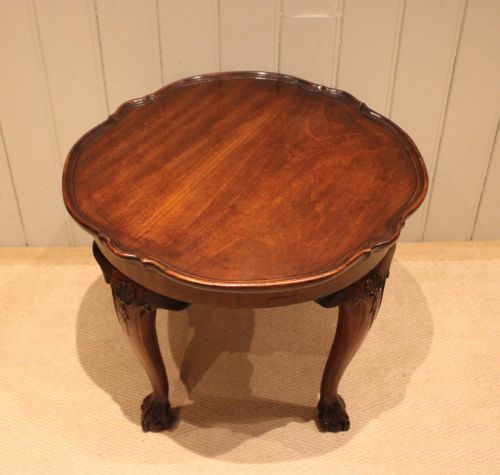
The calibre of a piece depends heavily on the choice of timber figure, such as highly figured flame mahogany or richly grained rosewood, paired with crispness in carved details like acanthus leaves or claw feet. Subtlety in brass stringing and the precision of marquetry inlay distinguish master workshops from standard production.
Structural engineering dictates longevity, seen in the smooth operation of folding leaf hinges, stable pivot mechanisms, and well-fitted joints that endure centuries of movement. Original surfaces, patination, and minimal timber replacement preserve the integrity valued by collectors.
Trevor Page & Co·George Bullock
The Antique Wood Tea Table Glossary
- Fold-Over Top
- A hinged table top that opens out to double the surface area, commonly found on tea and card tables. This design kept the furniture compact against a wall until needed for entertaining.
- Tilt-Top
- A table top mounted on a catch mechanism allowing it to pivot vertically for storage. This clever feature saved valuable floor space in period rooms.
- Demi-Lune
- A half-moon shape characteristic of side and tea tables designed to sit flush against a wall. They frequently feature folding leaves to create a full circle when opened.
- Tripod Table
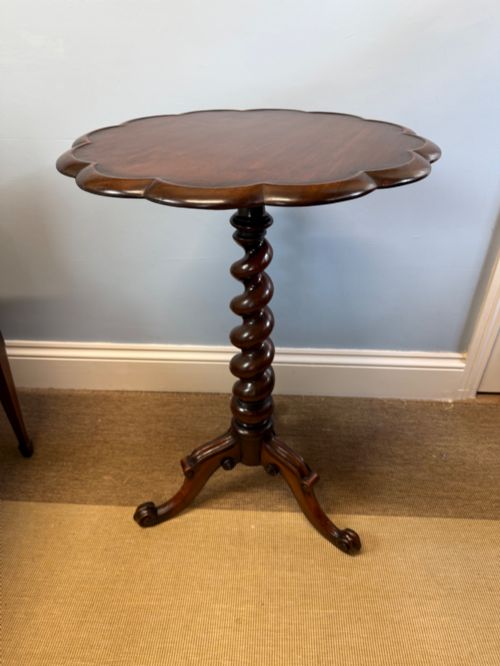
- A small table supported by a central pillar resting on three legs. They are frequently built with tilt mechanisms for convenient corner storage.
Antique Wood Tea Table: Frequently Asked Questions
How do I use an antique tea table today?
These tables function well as console surfaces in hallways or as occasional desks when the leaves remain closed. Opening the top creates a card or display space suitable for living rooms.
Their compact footprints allow them to fit easily into modern interiors while retaining historical character.
What is the difference between a tea table and a side table?
Tea tables specifically incorporate folding or pivoting tops designed to expand for evening hospitality. Side tables generally feature fixed tops intended for permanent placement against walls.
Many period tea tables double as console or card surfaces due to their flexible mechanical construction.
How do I care for wood surfaces?
Keep wooden furniture away from direct heat sources and strong sunlight to prevent timber shrinkage and veneer cracking. Regular dusting with a soft cloth maintains the finish without needing heavy polishes.
Applying microcrystalline wax occasionally protects the polish and nourishes the historic grain.
How do I date an antique wood tea table?
Dating relies on identifying the prevailing furniture styles, timber choices, and construction methods characteristic of specific periods like Georgian or Victorian. Examining hinge types, screw heads, and secondary woods provides further clues to the decade of manufacture.
Archival comparisons with documented pieces from makers like George Bullock also help narrow down the timeline.