

Antique Wood Server
An antique wood server brings enduring utility and craftsmanship to a dining room, combining polished mahogany, oak, or walnut with traditional storage forms.
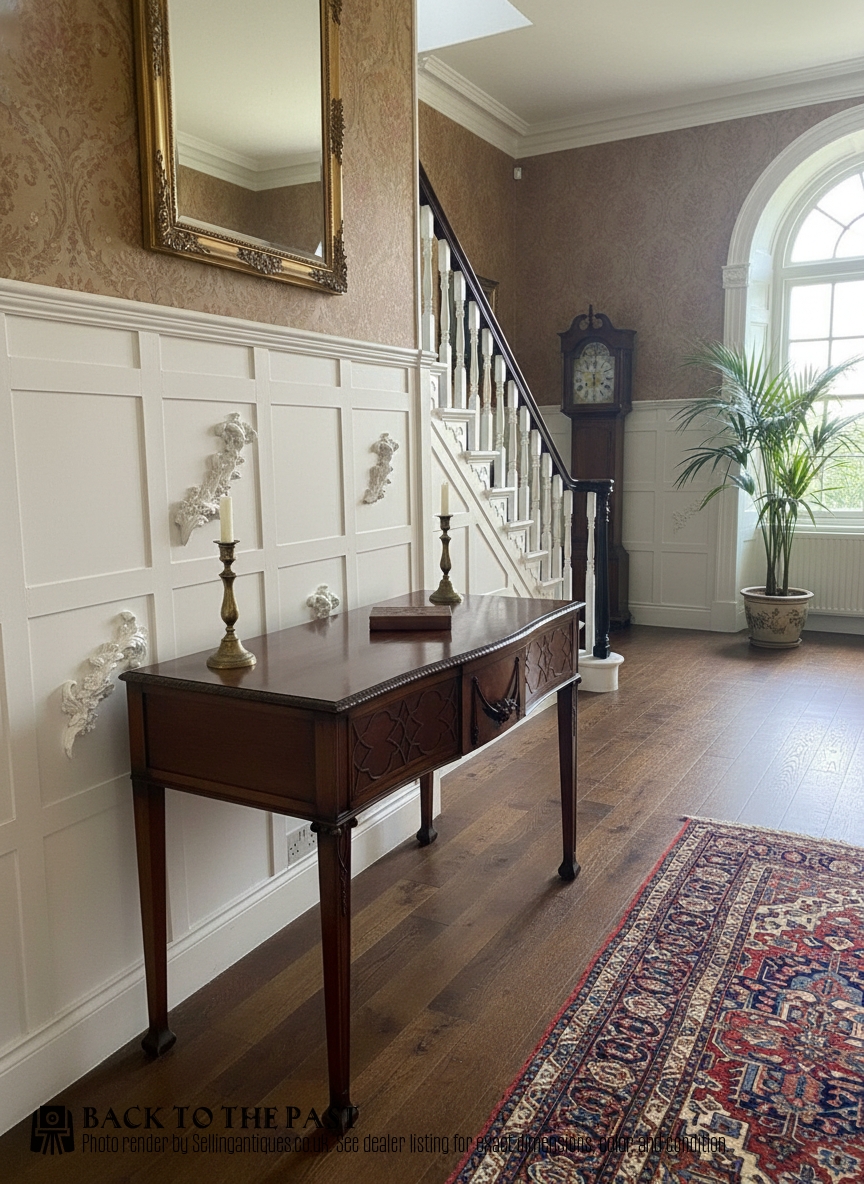
Antique Wood Server
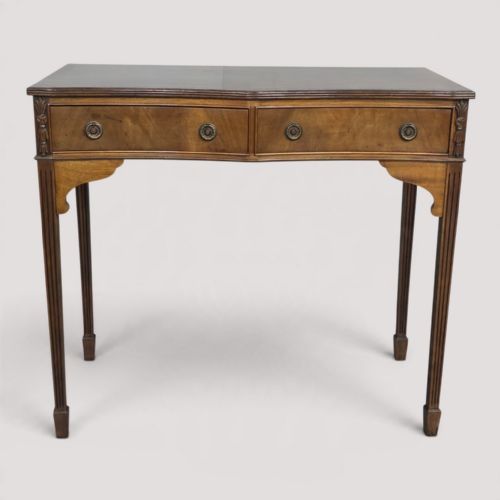
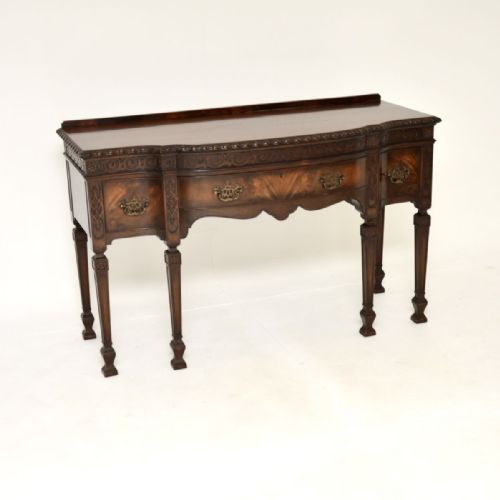
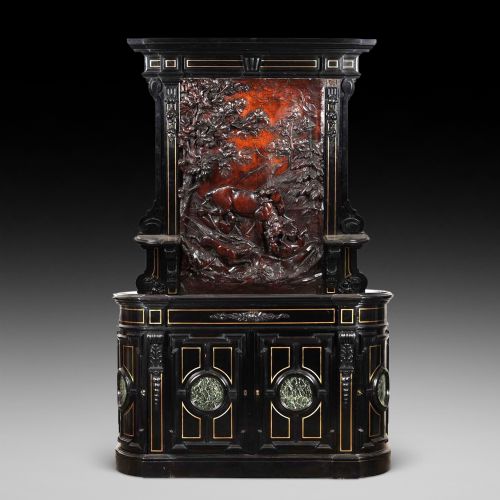
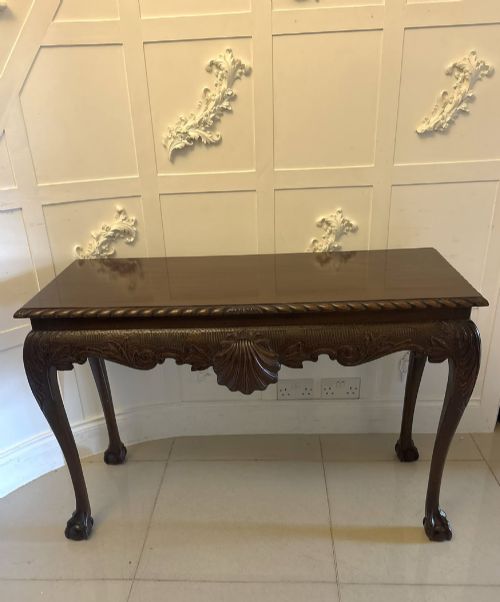
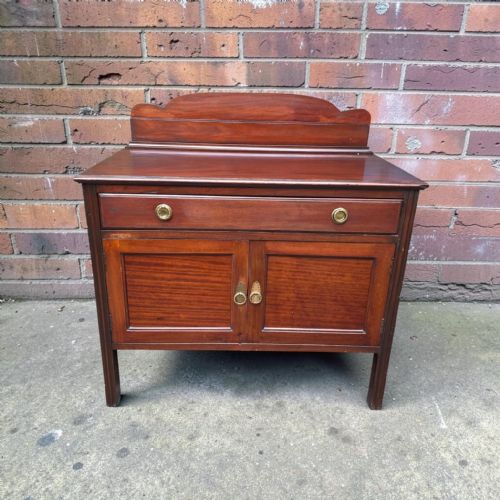
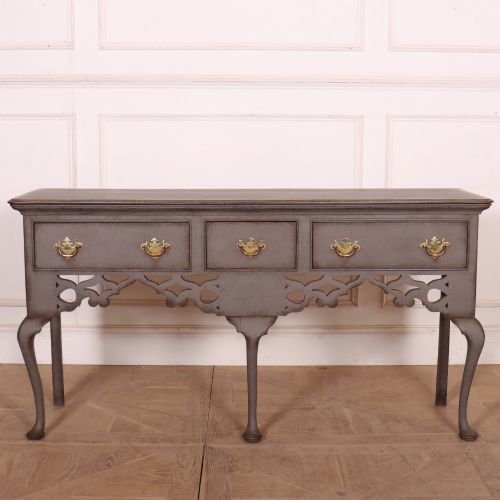
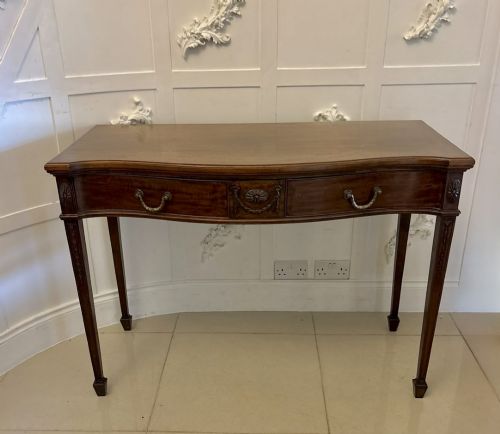
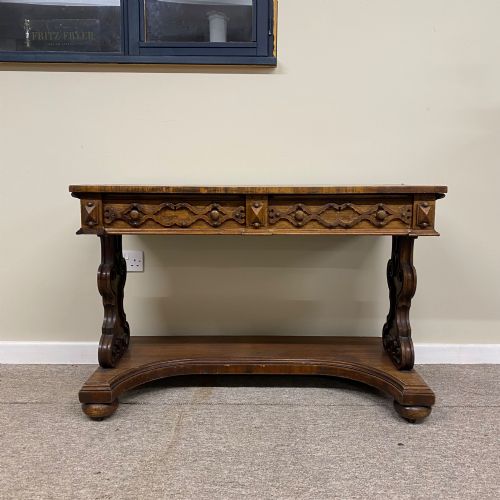
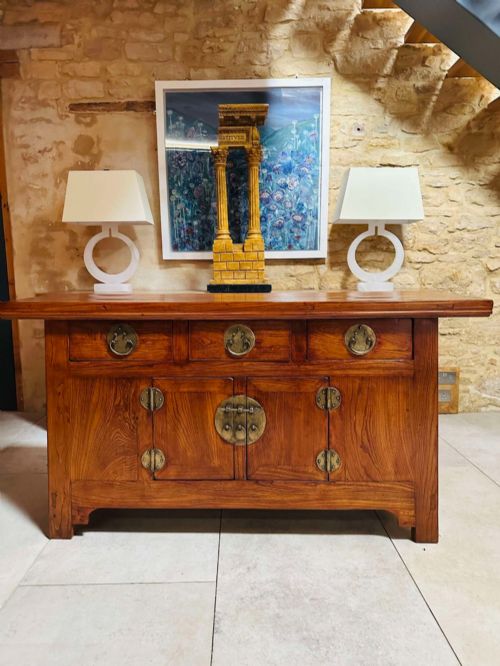
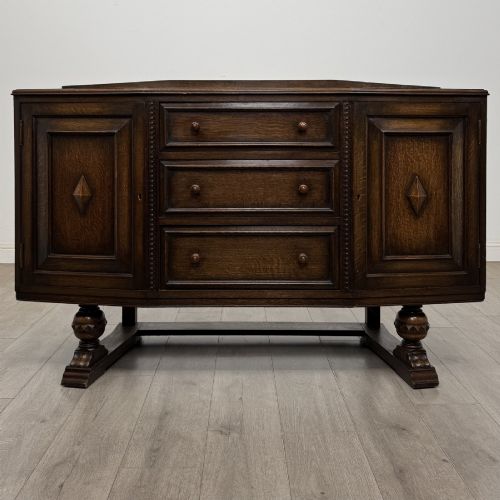
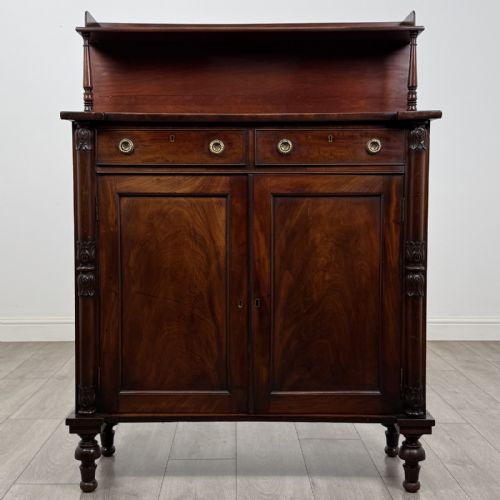
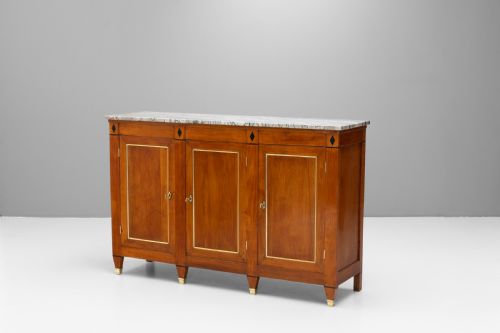
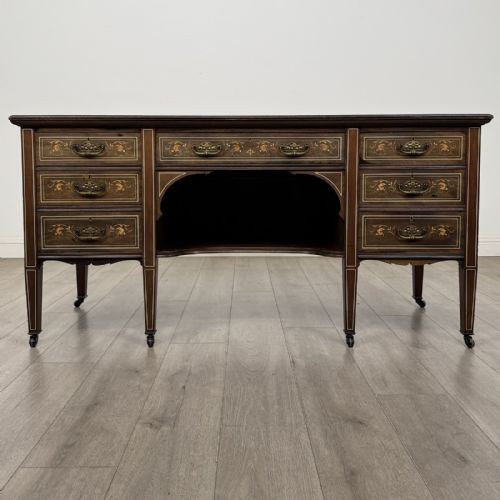
An antique wood server encompasses a variety of dining and serving furniture, most commonly appearing as sideboards, buffets, side tables, and serving tables across this selection. Buyers exploring this category encounter pieces designed for food preparation, tableware storage, and display in domestic interiors.
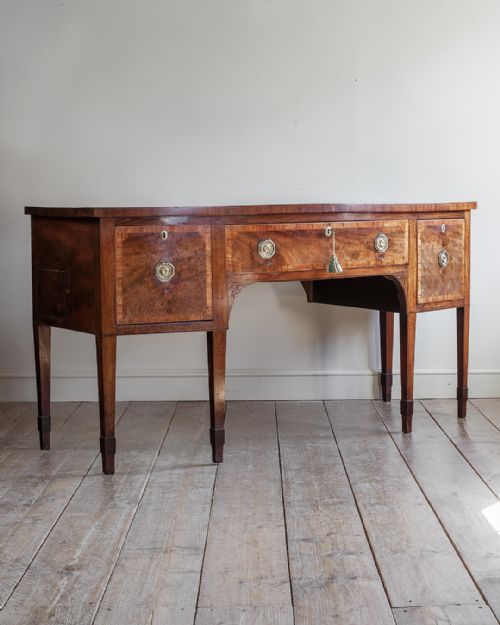
The objects span multiple centuries and stylistic movements, with Victorian and Georgian mahogany forms sharing space with Edwardian oak designs and earlier 18th-century painted or inlaid examples. Makers utilised distinct regional tastes, resulting in varied silhouettes from bow-fronted carcases to serpentine fronts and mirror backs.
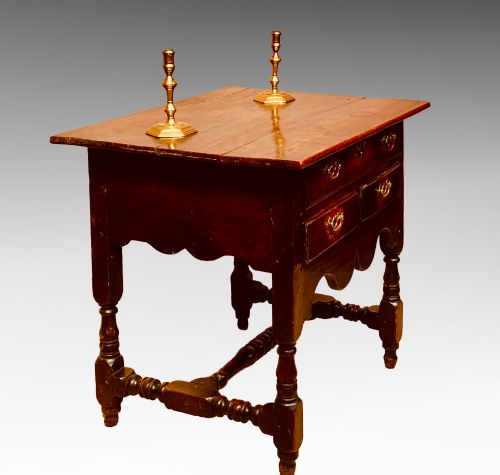
Beyond standard sideboards, the category accommodates related serving forms such as lowboys, console tables, and tray top tables fashioned from timber. Each piece reflects the domestic requirements of its period, balancing functional storage compartments with decorative timber grains.
Factors determining quality
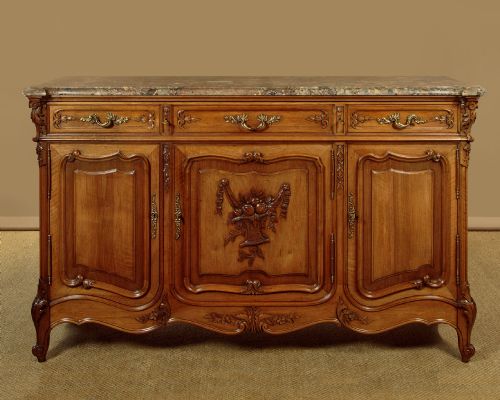
The grade of timber selection and complexity of surface decoration largely distinguish superior examples from standard production. Finely figured flame mahogany, intricate marquetry inlay, and well-executed hand carving elevate a piece above simpler variants.
Structural integrity and the preservation of original mounts, handles, and timber finishes dictate the overall standard. Pieces retaining their original brass hardware, glass, and marble display a higher degree of historical authenticity.
Antique Wood Server Retail Price Guide 2026
Typical asking prices for wood server among the pieces listed under this phrase on Sellingantiques today, from the lower quarter to the upper quarter. They describe what is for sale here now, not the wider market.
Some servers arrive with six carved lion paw feet, giving serious dining furniture an unexpected stride.
Hewetsons, London
The Antique Wood Server Glossary
- Sideboard
- A large dining room piece designed for storing tableware and serving food. These items often feature cupboards and drawers arranged beneath a flat top.
- Bow front
- A convex curved front contour popular in furniture design. This shape softens the corners of case pieces and highlights figured timber grains.
- Serpentine front
- A furniture front characterised by a double-curved line, convex at the centre and concave at the ends. This sophisticated shaping requires advanced cabinetmaking skill.
- Lowboy
- A small oak or walnut table with drawers, typically raised on tall legs. They originated in the late 17th century and served various domestic functions.
- Marquetry
- The art of applying decorative pieces of veneer to a structure to form intricate pictorial designs. Craftsmen utilised contrasting woods to create geometric or floral patterns.
Antique Wood Server: Frequently Asked Questions
What is the difference between a sideboard and a server?
Servers and sideboards both function as dining room furniture for food presentation and storage, though traditional servers often present a slightly more compact or lighter frame than grand formal sideboards.
Many examples feature cupboards and drawer arrangements, while others take the form of serving tables or console tables designed specifically for placement alongside dining areas.
How do I identify a Georgian wood server?
Georgian pieces typically display restrained classical proportions, straight or bow fronts, and high-grade mahogany timbers enhanced by subtle string inlay or brass handles.
These items rely on balanced symmetry and timber quality rather than heavy carving, reflecting the prevailing aesthetic preferences of the 18th century.
What woods were commonly used for these servers?
Mahogany served as the predominant timber throughout the Georgian and Victorian eras, frequently chosen for its rich colour and capacity for fine polishing.
Oak appears frequently in Jacobean Revival and Edwardian designs, while walnut and fruitwood feature in French and alternative regional expressions.
How should I care for an antique wood surface?
Preserving the timber requires avoiding direct sunlight and maintaining stable indoor humidity to prevent wood shrinkage and veneer lifting.
Periodic application of appropriate wax polish helps nourish the finish and protect the grain without building up heavy residue.