
Antique Wood Server Table
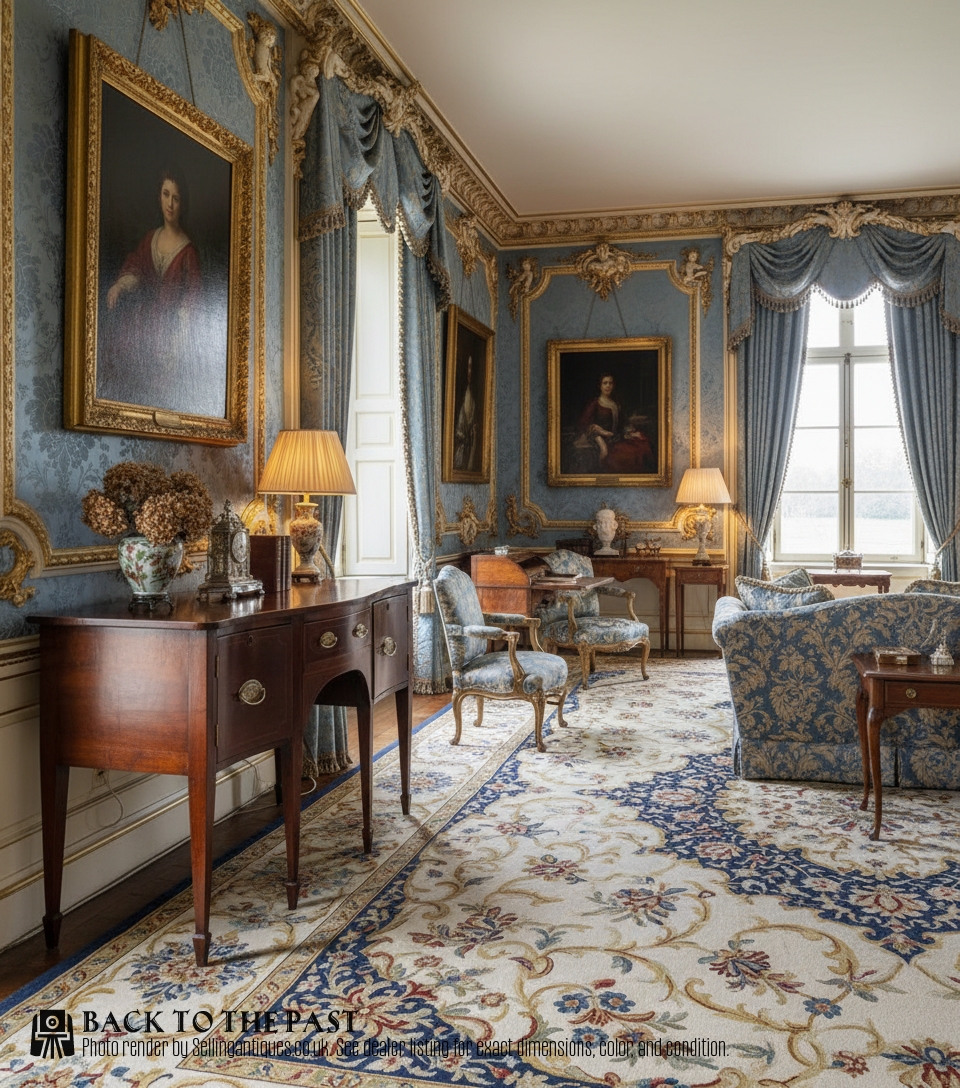
An antique wood server table anchors a room with timber grain and functional surface space, gathered here from centuries of cabinetmaking.
Antique Wood Server Table
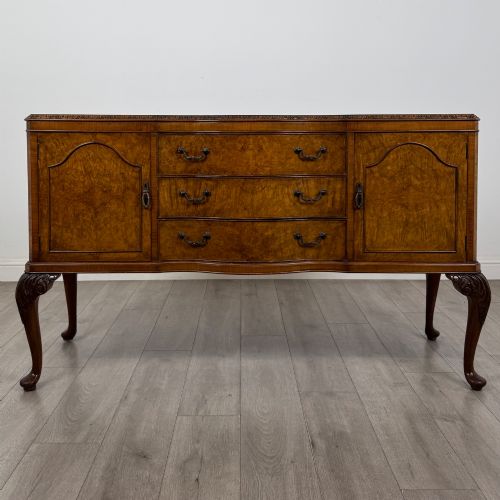
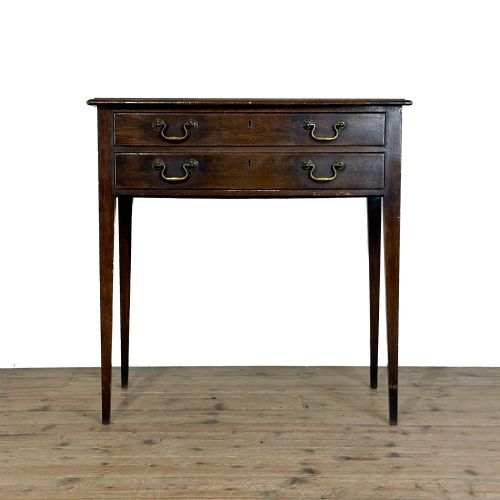
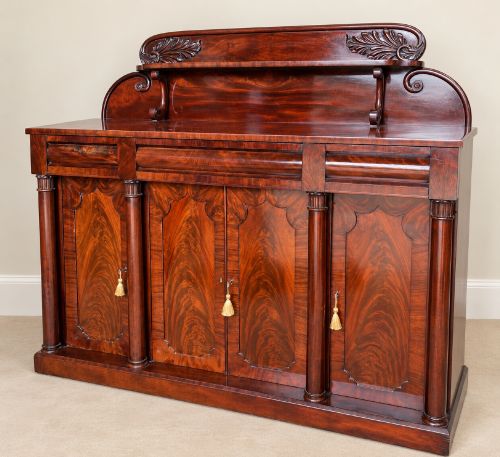
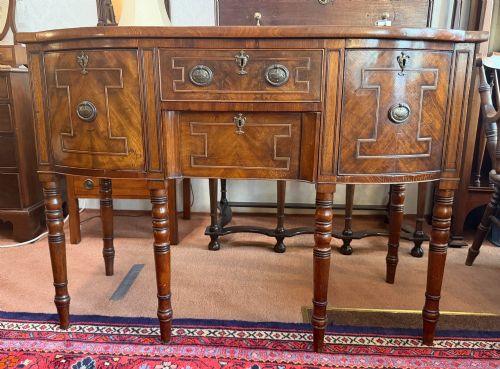
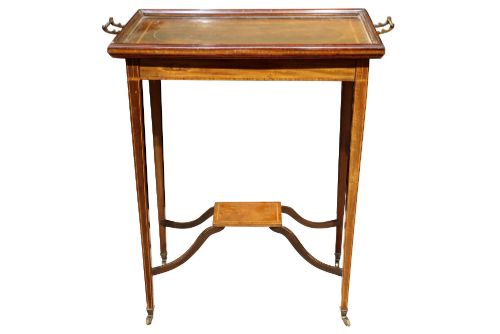
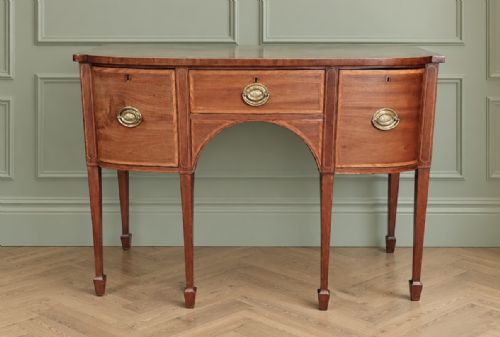
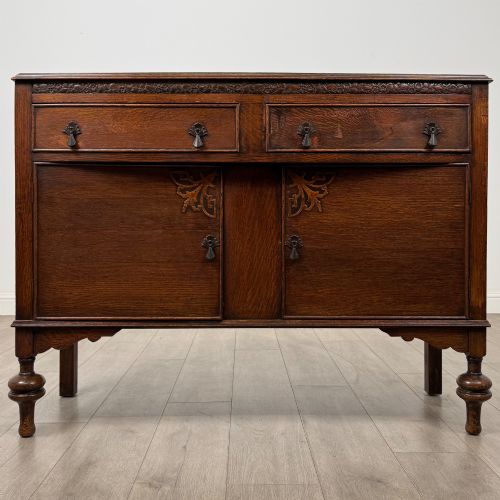
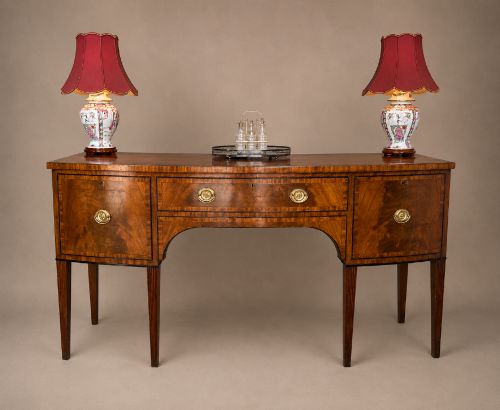
An antique wood server table encompasses sideboards, lowboys, console tables, and dresser bases spanning the eighteenth century to the early twentieth century. These pieces served dining rooms, halls, and sitting rooms for food preparation, serving, and display.
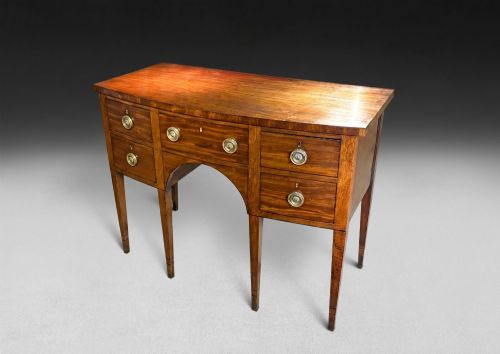
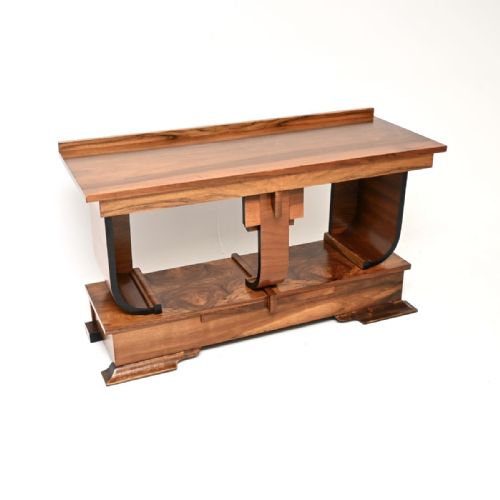
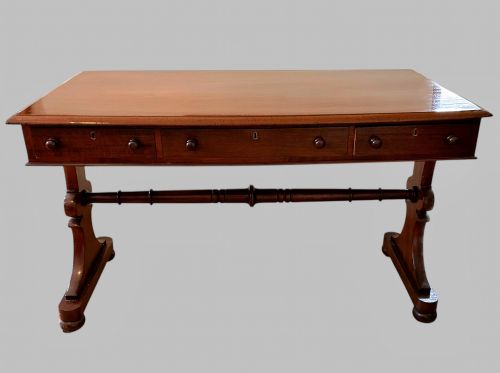
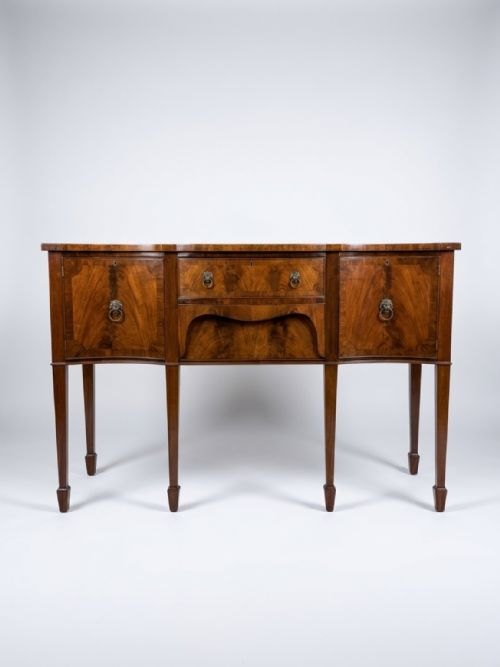
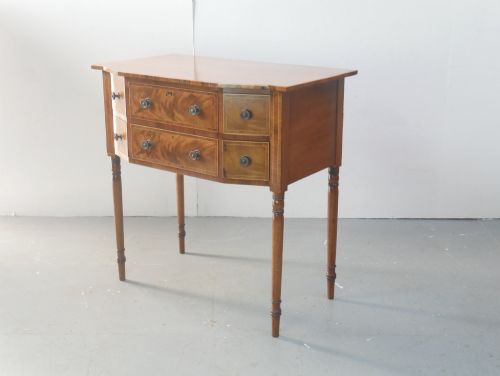
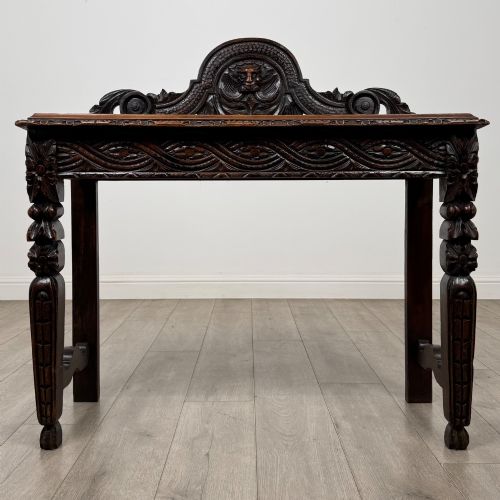
The selection ranges from early Georgian mahogany lowboys and George III bow-front sideboards to Victorian oak side tables and Edwardian inlaid mahogany pieces. Walnut and fruitwood variants also appear alongside revival styles such as Jacobean and Adam.
Buyers most frequently encounter nineteenth-century mahogany sideboards and Edwardian oak tables on this page. These domestic helpers offer practical proportions for modern hallways and dining spaces.
Judging timber and execution
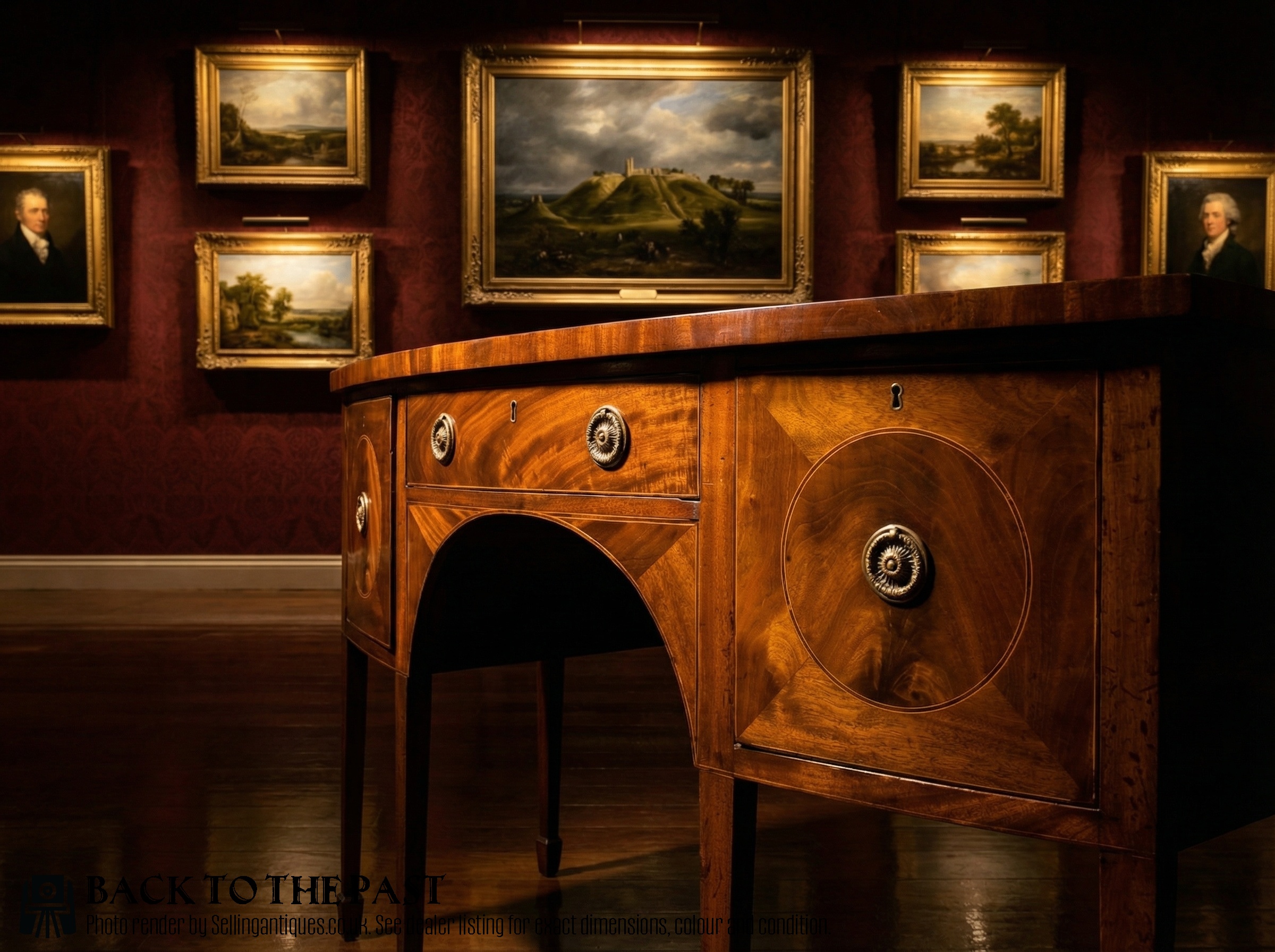
Quality rests upon the selection of cabinet timber, such as figured walnut or dense Cuban mahogany, and the crispness of hand-carved details like paw feet or gadroon mouldings. Superior examples display thoughtful grain matching across drawer fronts and topboards.
Construction fidelity separates workshop standards, visible in the tight fit of drawer linings and the stability of dovetailed joints. Timber maturity and surface patination further distinguish provincial utility furniture from formal reception room pieces.
Antique Wood Server Table Retail Price Guide 2026
Typical asking prices for wood server table among the pieces listed under this phrase on Sellingantiques today, from the lower quarter to the upper quarter. They describe what is for sale here now, not the wider market.
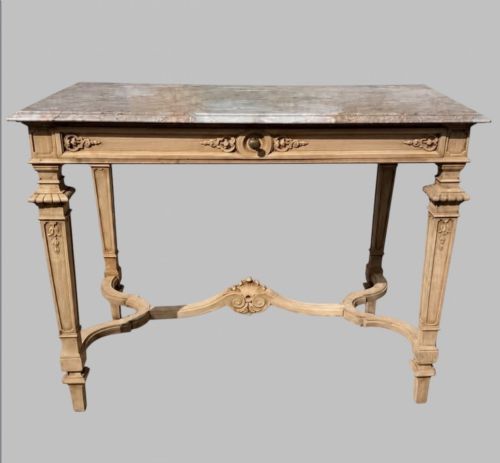
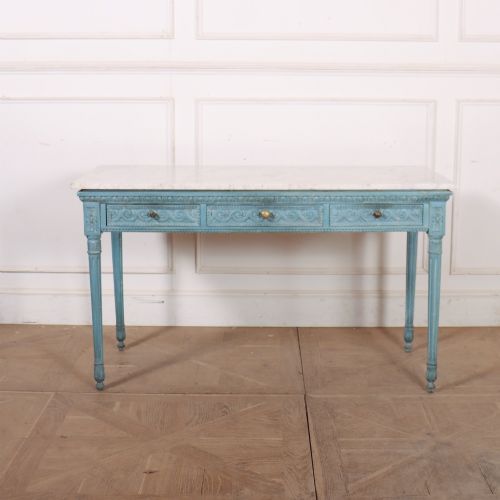
Listings feature oak, mahogany, walnut, and fruitwood alongside brass hardware and marble inserts across multiple centuries.
The Antique Wood Server Table Glossary
- Lowboy
- A small dressing table or side table with one or more rows of drawers, typically raised on cabriole or straight legs. They date predominantly from the eighteenth century.
- Dresser base
- A lower kitchen or dining room sideboard fitted with cupboards and drawers, sometimes featuring an open potboard shelf beneath. These provide robust storage capacity.
- Bow-front
- A convex curved furniture front that swells outward in the centre, popular during the Georgian and Regency periods. This shape softens rigid room geometry.
- Tray top
- A tabletop finished with a raised moulded rim designed to prevent items from sliding off. This feature appears on silver tables and occasional tables.
- Chiffonier
- A compact sideboard or cabinet developed in the Regency and early Victorian eras, usually featuring enclosed shelving behind doors. They suit smaller domestic interiors.
Antique Wood Server Table: Frequently Asked Questions
What is the difference between a server table and a sideboard?
A server table generally provides an open or lightly shelved surface beneath for staging dishes or serving food in a dining area. Sideboards incorporate more enclosed cupboard space and deep drawers designed for storing silver and linen.
While both terms overlap in antique terminology, servers often present a lighter visual footprint with taller legs. Sideboards developed greater architectural presence as formal dining rooms evolved through the Georgian and Victorian periods.
How do I identify a Georgian wood server table?
Georgian tables display proportion, restraint, and quality timber such as Cuban mahogany or oak. Look for hand-cut dovetailing in the drawer construction and timber with a deep, natural wax patination.
Decoration on these pieces tends toward subtle cockbeading, brass drop handles, and restrained carving rather than heavy revival motifs. Regional English and Scottish workshops produced diverse interpretations of these classical proportions.
Where should I place an antique server table at home?
These tables function well in entrance halls as a surface for post and keys, or behind a sofa in a living room. Their narrow depths allow them to occupy transitional spaces without obstructing movement.
In a dining room, they fulfill their original purpose as a staging surface for serving dishes or displaying ceramics. Pairing older timber with contemporary seating creates a balanced interior contrast.
How do I care for antique wood surfaces?
Maintain antique timber by dusting regularly with a soft, dry cloth and applying natural beeswax sparingly when the surface appears dry. Avoid placing furniture in direct sunlight or near heat sources to prevent timber splitting.
Use coasters and felt pads beneath objects to protect historic French polish and waxed finishes from moisture and scratching. Gentle upkeep preserves the developing patination accumulated over centuries.