

Antique Wood Armchair
When you search for an antique wood armchair, you enter a diverse landscape of seating spanning country workshops and formal parlours.
Antique Wood Armchair
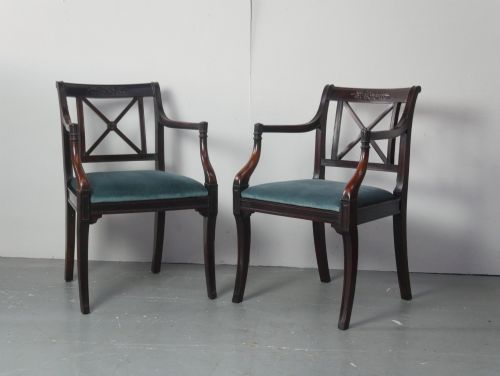
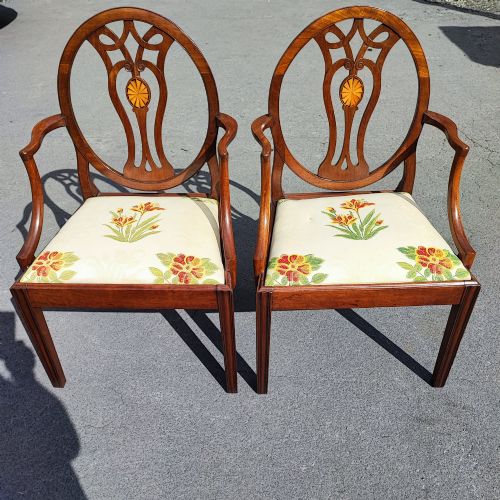
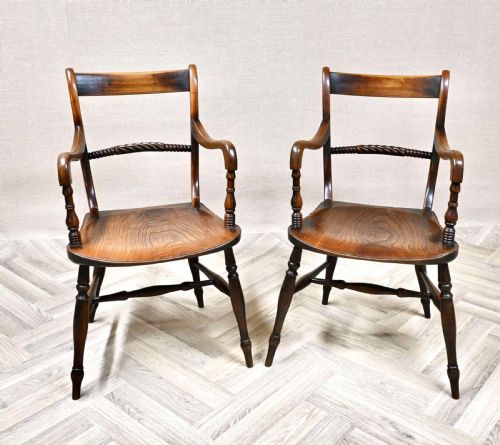
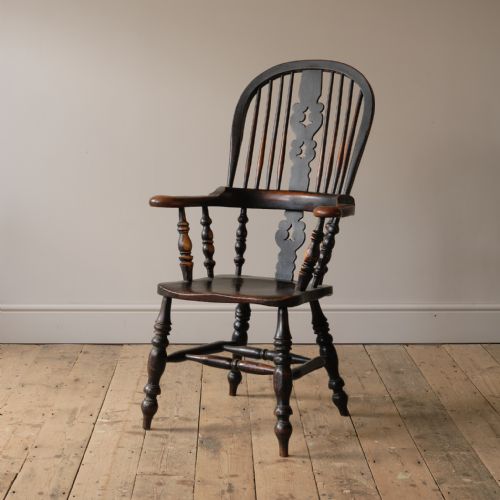
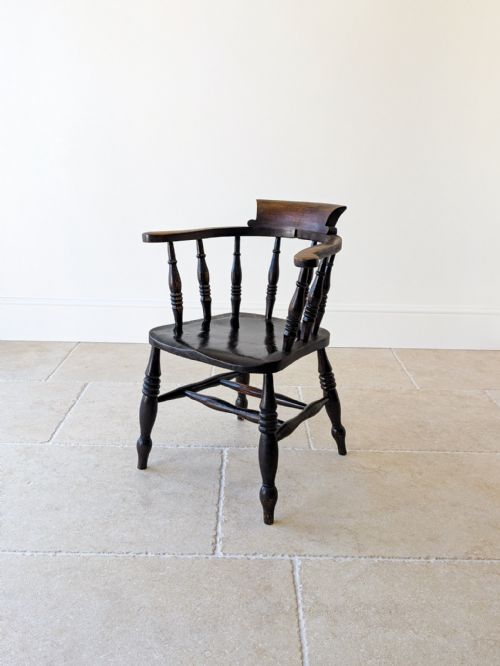
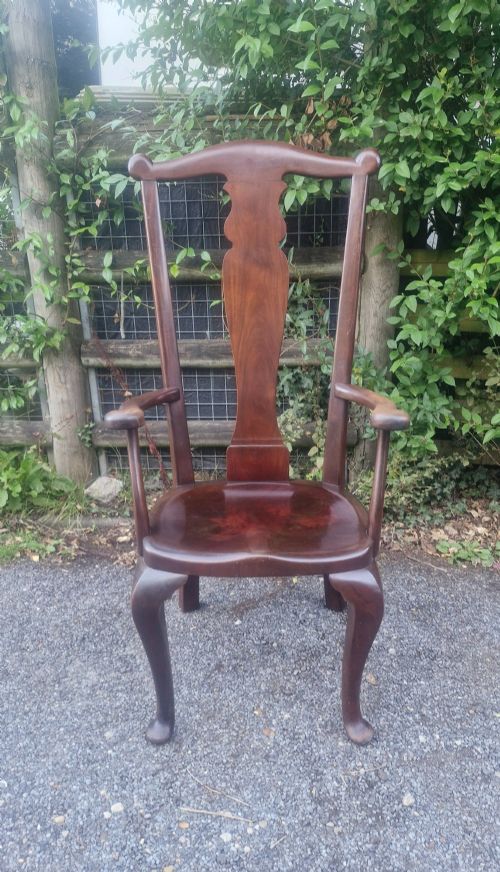
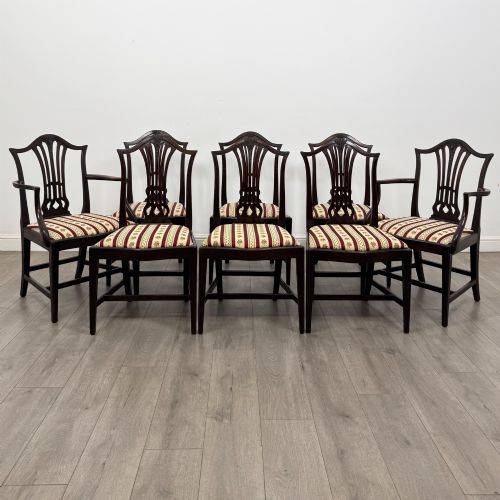
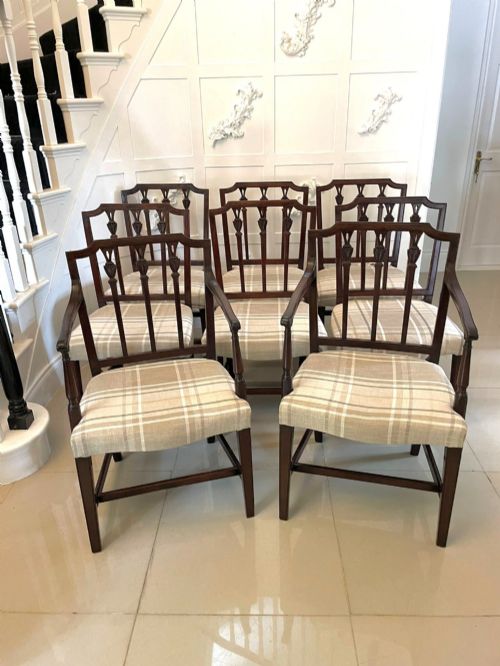
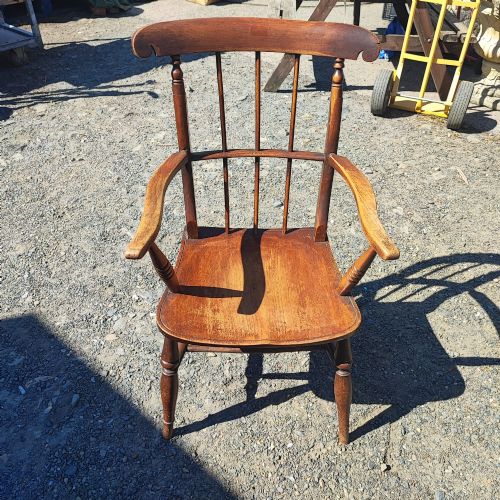
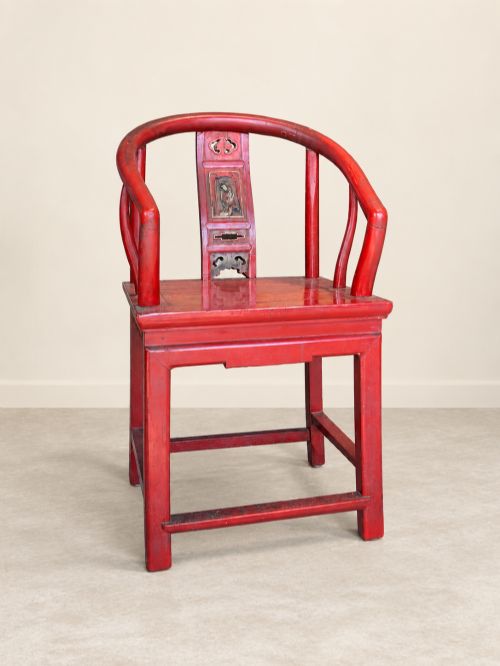
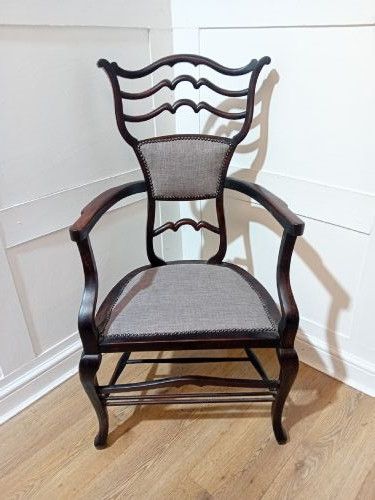
The antique wood armchair encompasses a wide spectrum of forms, from robust country Windsor chairs shaped from elm and ash to formal mahogany dining carvers and upholstered salon seating.
Buyers searching for an antique wood armchair will encounter provincial vernacular styles alongside refined 18th and 19th-century parlour and desk seating originating from English, French, and Scandinavian makers.
The selection ranges from low spindle-back children's chairs and rocking variants to grand high-back library armchairs and revolving office models constructed in oak and bentwood.
Materials and construction methods
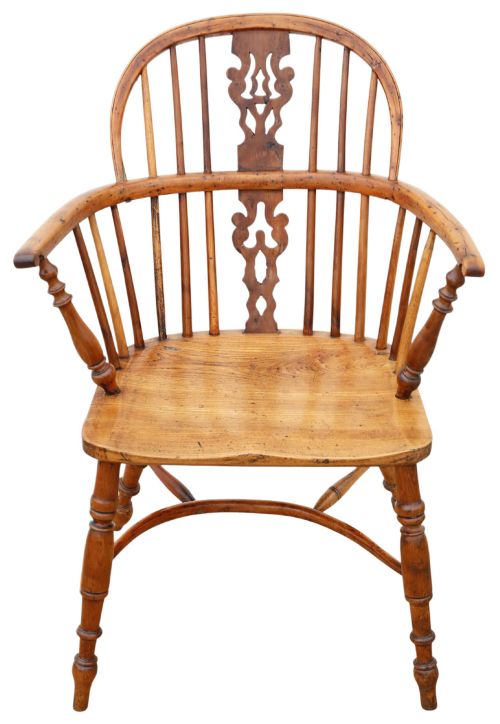
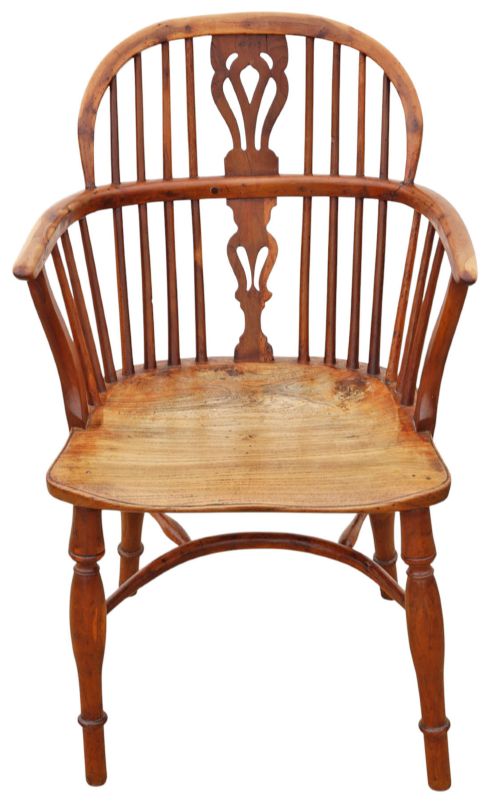
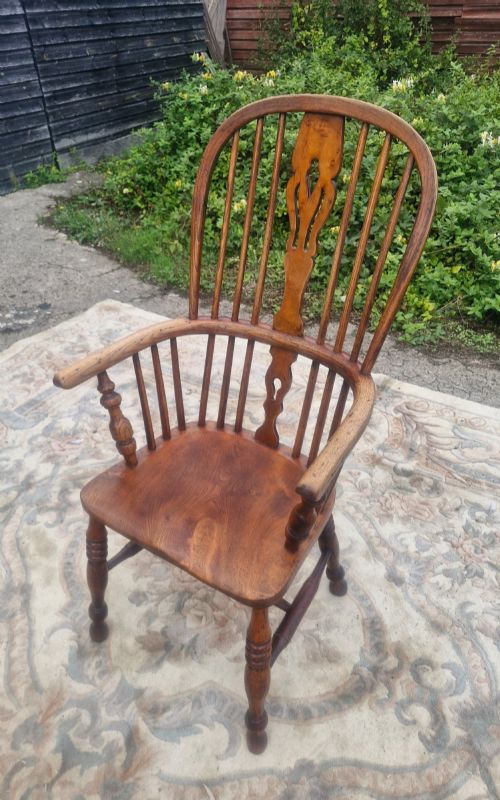
Traditional timber selection paired contrasting woods for structural integrity and visual depth, frequently combining sturdy elm or beech seats with ash spindles and yew wood bows in Windsor construction.
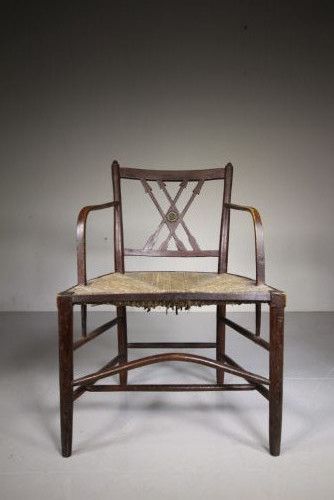
Formal dining and salon pieces rely on dense hardwoods like mahogany, rosewood, and satinwood, often enhanced with intricate marquetry inlay, giltwood carving, or structural cane panels.
Steam-bending technology defined later industrial forms, allowing manufacturers to curve beech and birch into continuous structural frames for bentwood armchairs and office seating.
Antique Wood Armchair Retail Price Guide 2026
Typical asking prices for wood armchair among the pieces listed under this phrase on Sellingantiques today, from the lower quarter to the upper quarter. They describe what is for sale here now, not the wider market.
Children's stick-back armchairs miniaturise full-scale vernacular seating, preserving tiny wear marks from centuries-old nursery occupants.
Distinctions in craftsmanship
Quality rests upon the integrity of the timber selection and the precision of traditional joinery, where hand-turned spindles, wedged tenon joints, and carved details remain tight and unaltered through centuries of use.
The presence of original surface finishes - such as early paint, patinated French polish, or undisturbed wax - elevates an example far above pieces stripped and refinished in modern workshops.
Proportion and execution distinguish standard vernacular production from masterworks, evident in the fluid sweep of a cabriole leg, the balanced bow of a Windsor crest, or the crispness of hand-carved mahogany scrollwork.
The Antique Wood Armchair Glossary
- Carver
- An armchair designed to match a set of dining chairs, traditionally placed at the head of the table. These feature open arms to accommodate dining attire.
- Windsor
- A traditional wooden chair built with a heavy solid wooden seat into which the legs, back spindles, and bow are separately bored and wedged. Provincial examples frequently combine elm, ash, and yew.
- Bergère
- An enclosed upholstered armchair featuring wooden framing and cane or upholstered sides. Eighteenth-century French variations set the standard for this comfortable salon form.
- Fauteuil
- An open-armed French upholstered armchair with exposed wooden arms and frame. The style evolved through successive royal periods from Louis XIV to Louis XVI.
- Spindle back
- A chair back constructed from a series of slender turned wooden uprights. This vernacular method provides lightweight structural support.
- Bentwood
- Furniture formed by steaming wood until pliable and bending it into curved shapes. This technique revolutionised chair manufacturing in the later nineteenth century.
Antique Wood Armchair: Frequently Asked Questions
How do I identify a Windsor armchair?
Windsor armchairs are characterised by a distinct saddle-shaped wooden seat that anchors the legs and back components independently. They rely on turned spindles and curved wooden bows rather than an upholstered core.
Look for mixed timbers within a single frame, such as elm seats paired with ash or yew spindles, which indicate traditional regional British country construction.
What is a carver chair used for?
Carver chairs historically served as the principal seats at either end of a dining table, designated for the head of the household or honoured guests. Their open arms provided clearance for clothing while offering greater support than standard dining chairs.
Today, collectors frequently utilise these single armchairs as desk chairs or accent seating in hallways and bedrooms.
How should I care for antique wooden armchairs?
Maintain antique wooden armchairs by keeping them away from direct heat sources and drastic humidity fluctuations, which cause timber to dry and split. Apply traditional beeswax periodically to nourish the grain and preserve the surface finish.
Avoid modern chemical polishes that strip away historic patina and soften the surface sheen accumulated over centuries.
How do I distinguish regional Windsor chairs?
Regional variations in Windsor chairs appear in the turning of the legs, the shape of the arm supports, and the profile of the central splat. Thames Valley pieces often feature distinctive crinoline stretchers, while East Anglian and West Country examples utilise local fruitwoods alongside elm and ash.
Examining the under-seat wedge construction and tool marks helps pinpoint the workshop tradition.