
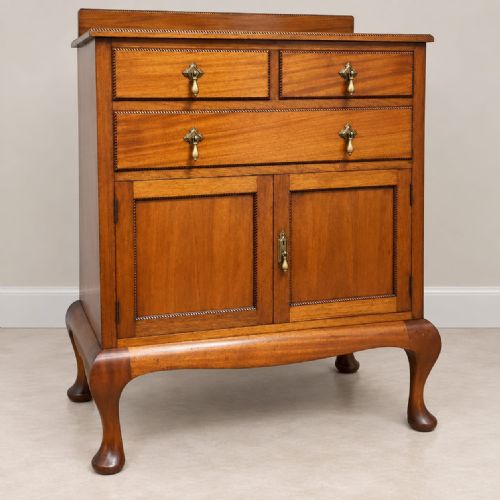
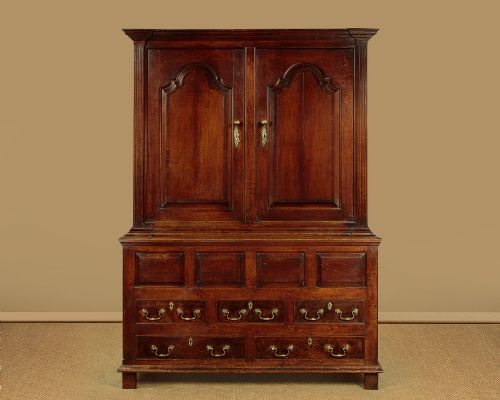
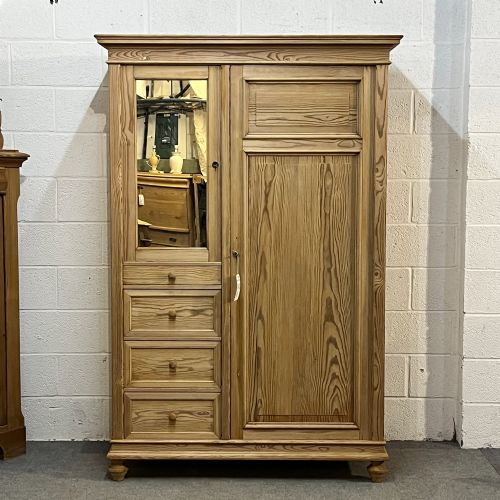
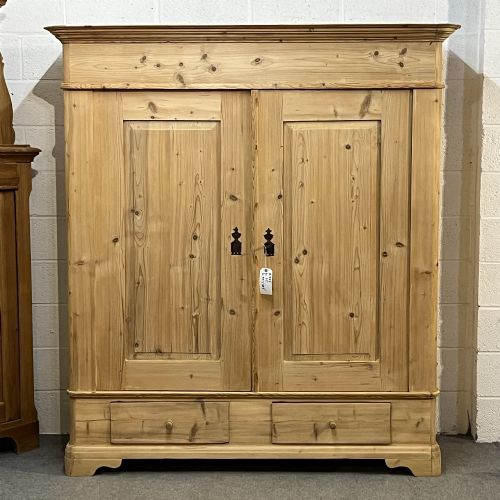
Antique Wardrobe with Drawers
An antique wardrobe with drawers offers substantial hanging space paired with integrated lower storage, spanning Georgian proportions to Victorian and Edwardian iterations.
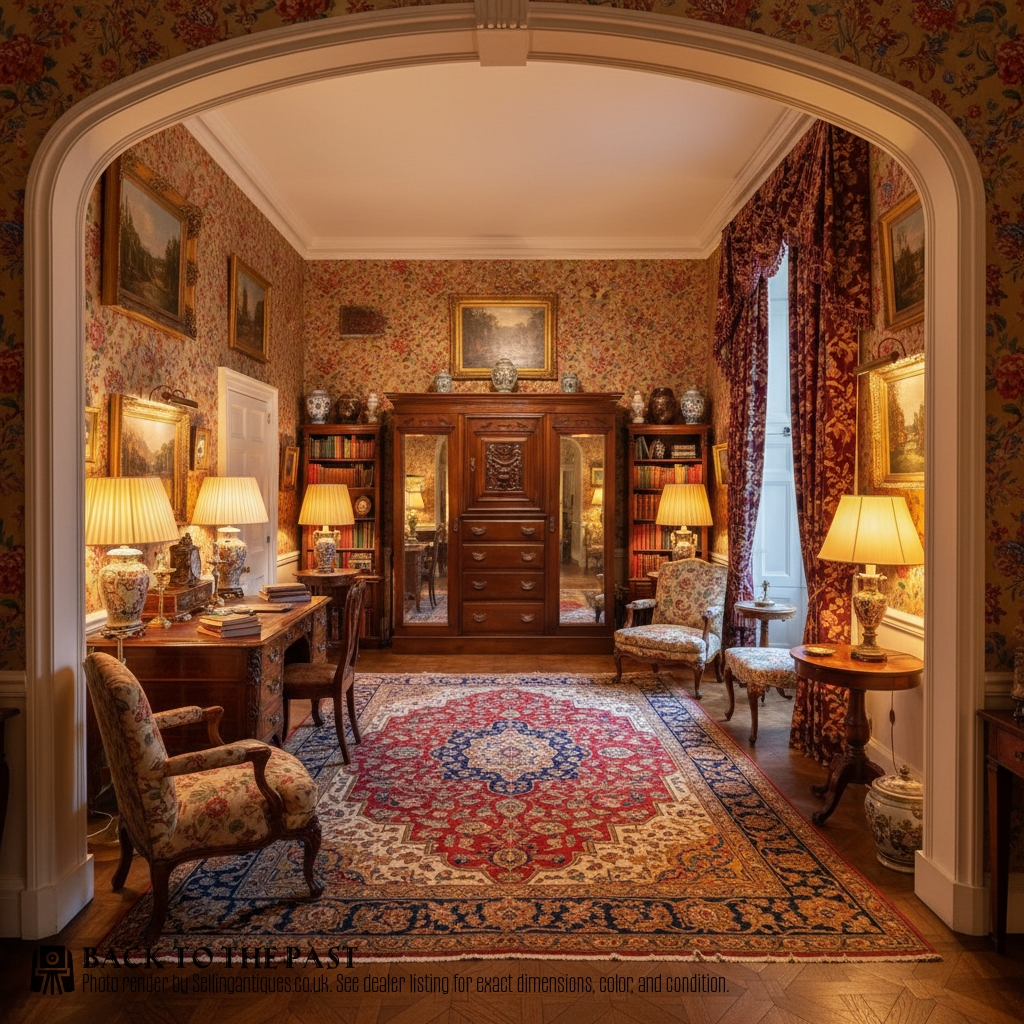
Antique Wardrobe with Drawers
When seeking an antique wardrobe with drawers, buyers encounter pieces developed primarily during the Victorian and Edwardian eras alongside earlier Georgian examples and later 1930s pieces.
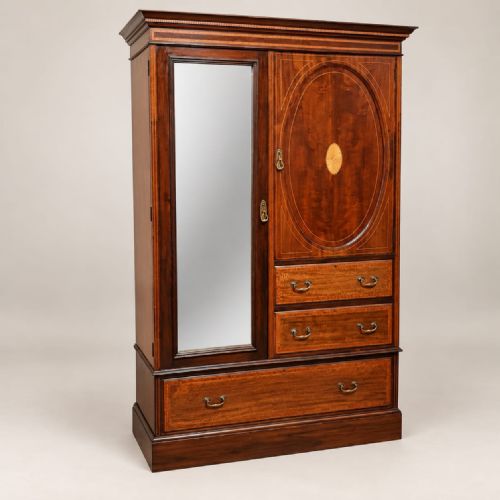
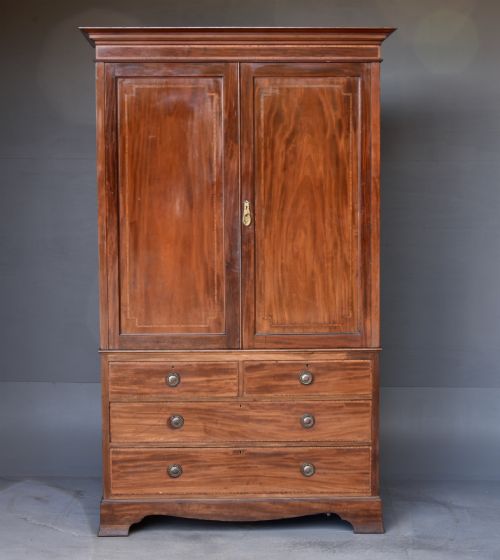
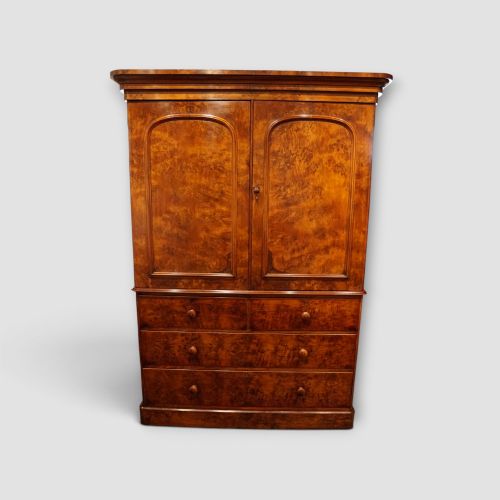
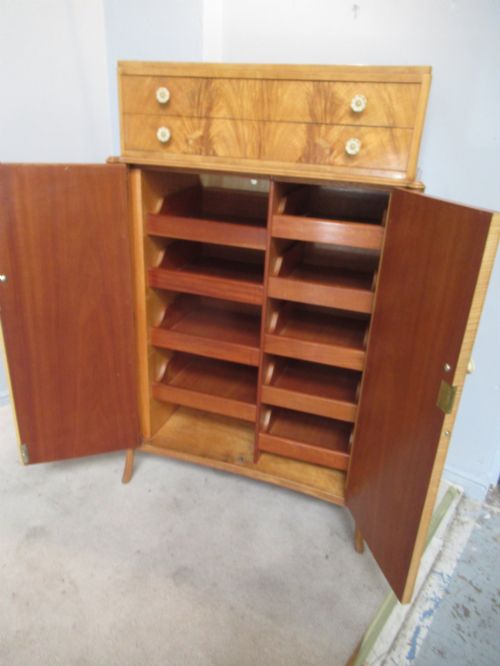
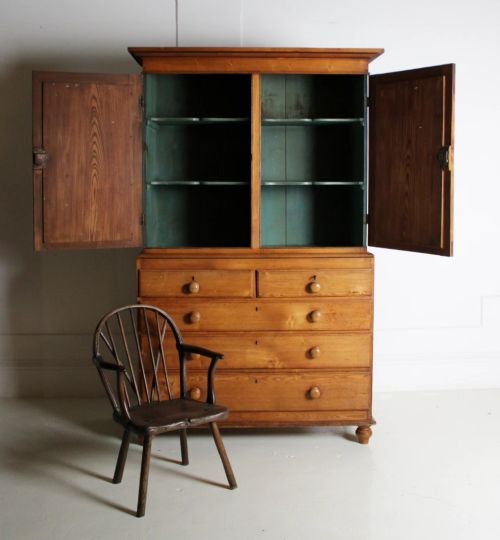
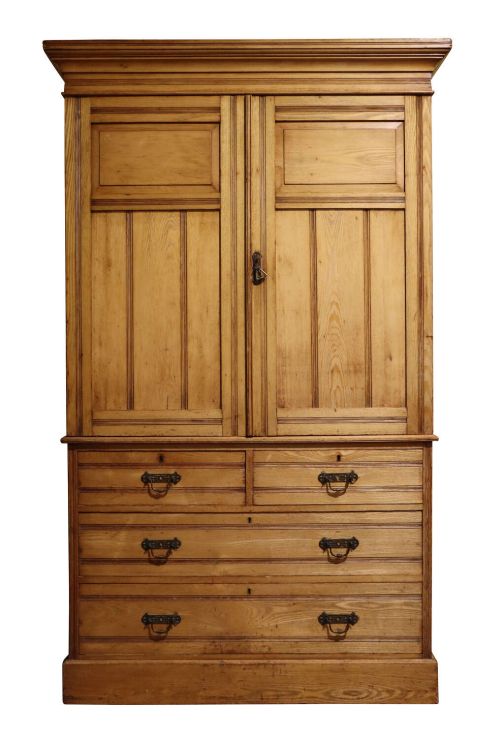
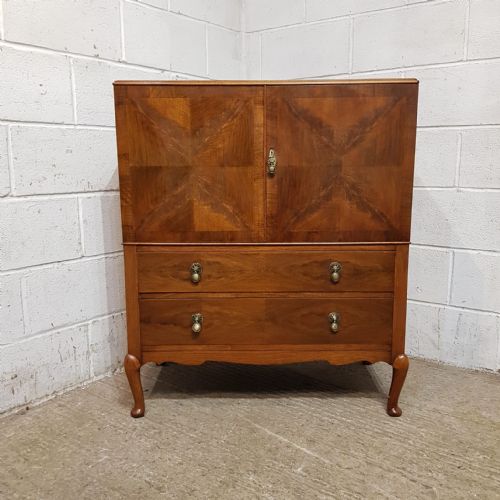
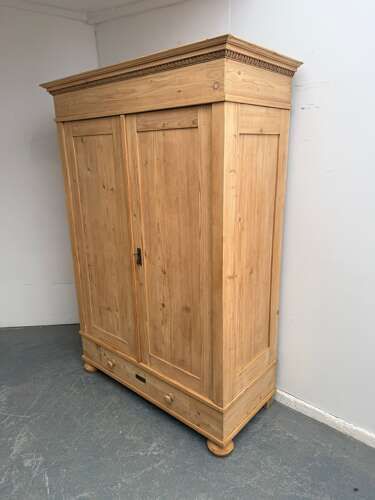
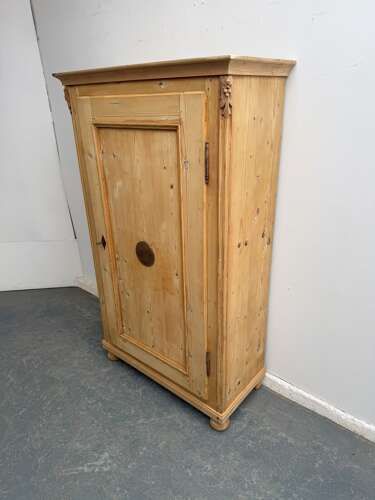
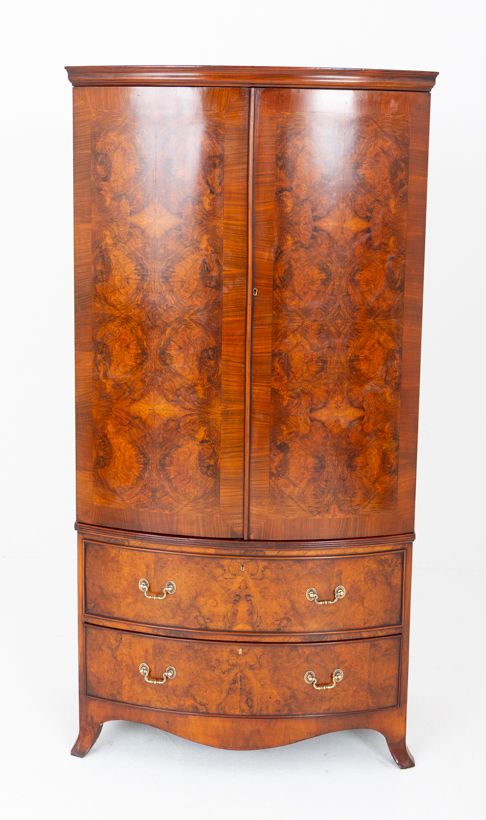
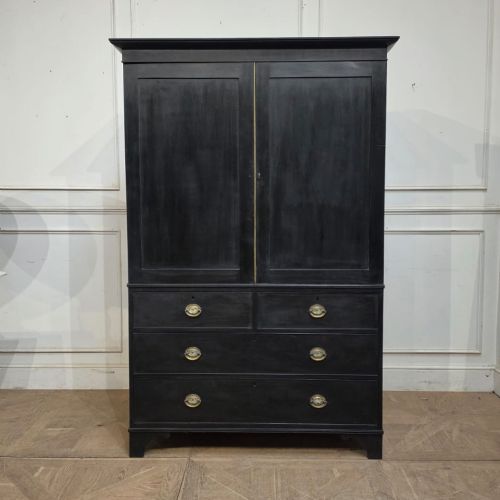
The format ranges from large pine double wardrobes featuring bottom drawers to sophisticated mahogany and burr walnut compactums, combination pieces, and linen presses.
Many variations are designed to dismantle for transport, accommodating tall frames and deep bases intended for domestic chambers and dressing rooms.
Materials and Construction
Cabinetmakers utilised solid timbers such as mahogany, oak, ash, and extensive quantities of pine, frequently accented with burr walnut, satinwood, and brass hardware.
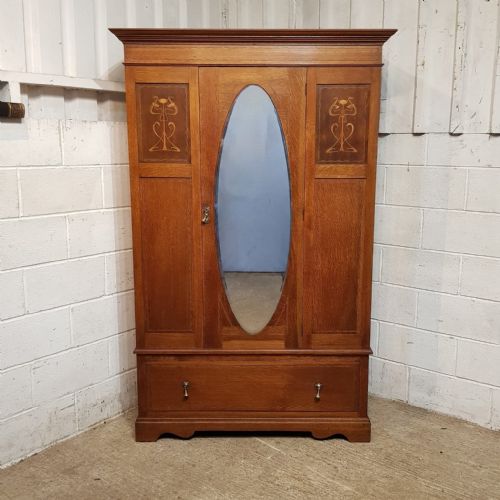
Larger carcases often incorporated panelled doors, mirrored glass inserts, blind fretwork cornices, and structural iron fittings to support multi-drawer configurations.
Antique Wardrobe with Drawers Retail Price Guide 2026
Typical asking prices for wardrobe with drawers among the pieces listed under this phrase on Sellingantiques today, from the lower quarter to the upper quarter. They describe what is for sale here now, not the wider market.
Some towering wardrobes hide enough internal drawers and cubbies to swallow an entire seasonal wardrobe whole.
Craftsmanship and Proportion
Superior examples display refined timber selection, such as matched burr walnut veneers or fine mahogany grains, alongside intricate cornicing and maker stamps.
Quality also rests in structural integrity, evident in cleanly dovetailed drawer boxes, functioning original locks, and well-fitted knockdown framing that ensures stability.
maples & co·Heals·Harris Lebus·Gillows
The Antique Wardrobe with Drawers Glossary
- Compactum
- A multi-compartment wardrobe combining hanging space, shelving, and internal or external drawers within a single unified carcase.
- Linen Press
- A tall storage piece traditionally featuring upper sliding shelves enclosed by doors above a base section fitted with multiple horizontal drawers.
- Knockdown
- A piece engineered to dismantle entirely into manageable modular sections using peg or bolt fixings for straightforward movement.
- Blind Fretwork
- Carved ornamental woodwork applied to cornices or friezes in low relief, creating geometric patterns without piercing the wood.
- Combination Wardrobe
- A hybrid furniture form uniting traditional vertical clothes hanging sections with banks of drawers or accompanying cupboards.
Antique Wardrobe with Drawers: Frequently Asked Questions
How do I assemble a knockdown wardrobe?
Many larger pine and hardwood pieces separate into distinct top, base, and side panels held together by internal wooden pegs or bolts. Keeping original components organised during reassembly ensures the carcase remains square and stable.
Working with a second person helps align heavy side panels into the bottom drawer plinth before dropping the cornice and backboards securely into place.
What is the difference between a compactum and a standard wardrobe?
A standard wardrobe focuses primarily on vertical hanging space enclosed by full-length doors, sometimes supplemented by a single shallow drawer underneath. Compactums integrate multiple internal compartments alongside dedicated drawer stacks.
These pieces combine hanging areas, linen shelves, and internal drawers into one multifaceted unit designed for comprehensive bedroom storage.
Are these wardrobes deep enough for modern hangers?
Earlier Georgian and 19th-century wardrobes can possess shallower internal depths than contemporary furniture because historical clothing was folded or hung on older styles of hooks. Measuring the internal depth from the back of the door to the rear panel clarifies clearance requirements.
Some pieces utilise pull-out hanging pegs or sliding rails rather than modern side-to-side poles to accommodate full-sized garments within narrower carcases.
How do I care for wax-finished pine wardrobes?
Unpolished pine surfaces finished with traditional wax benefit from periodic light re-waxing to nourish the timber and maintain a soft sheen. Avoiding excessive moisture and placing pieces away from direct heat sources prevents the wood from drying or splitting.
Gentle dusting with a dry cloth keeps the surface clean without stripping the build-up of historic wax layers.