

Antique Walnut Tilt Table
An antique walnut tilt table brings rich timber figure and ingenious pivoting mechanism together in a versatile piece designed for easy storage when not in use.
Antique Walnut Tilt Table
The antique walnut tilt table encompasses versatile occasional, breakfast, and loo tables engineered with a hinged top that folds vertically to rest against a pillar base. The selections recorded here span from 18th-century George II designs to mid-19th-century Victorian examples, capturing a long tradition of British and European cabinet making.
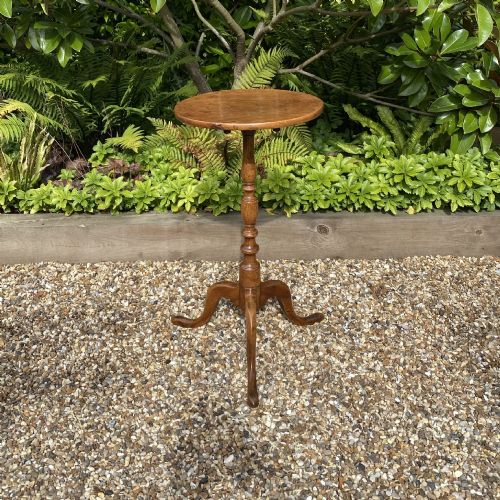
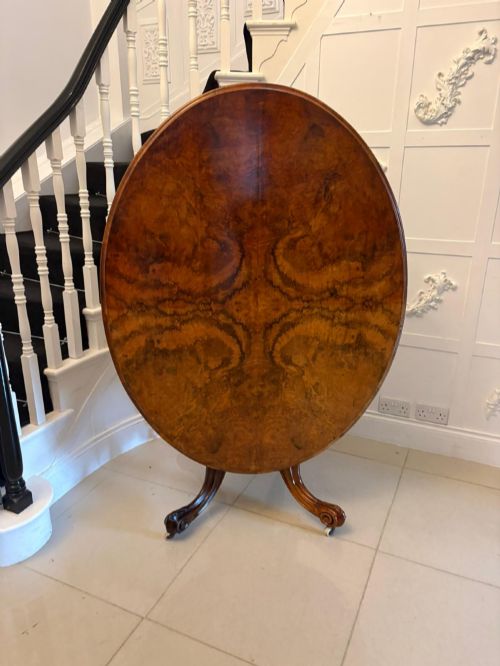
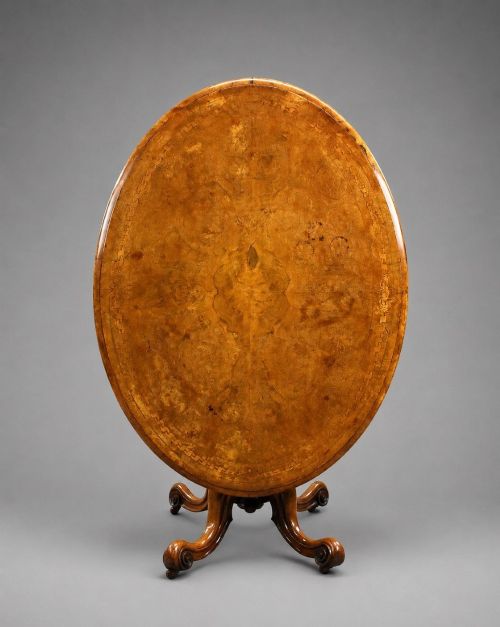
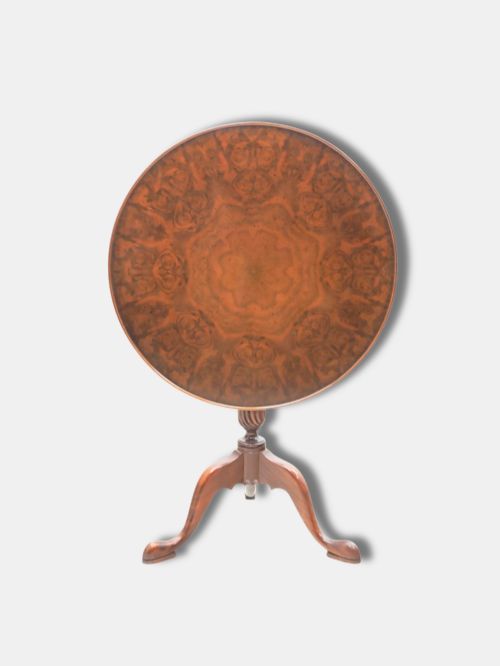
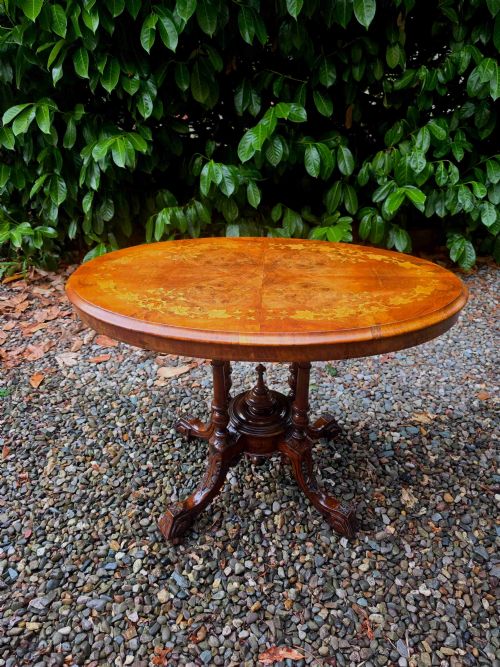
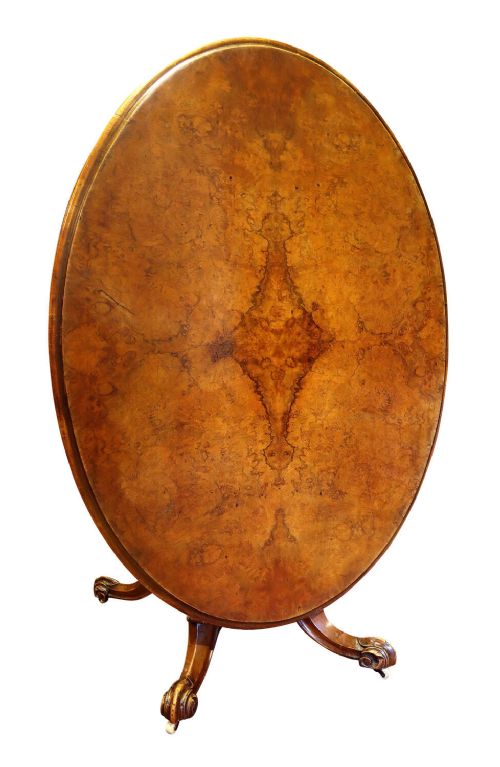
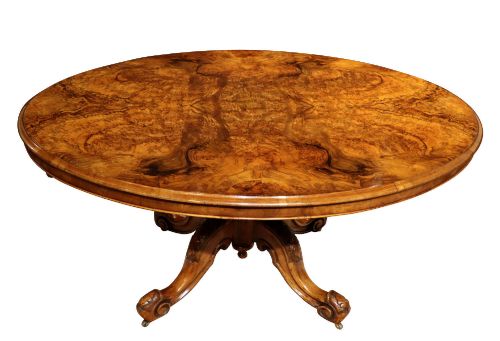
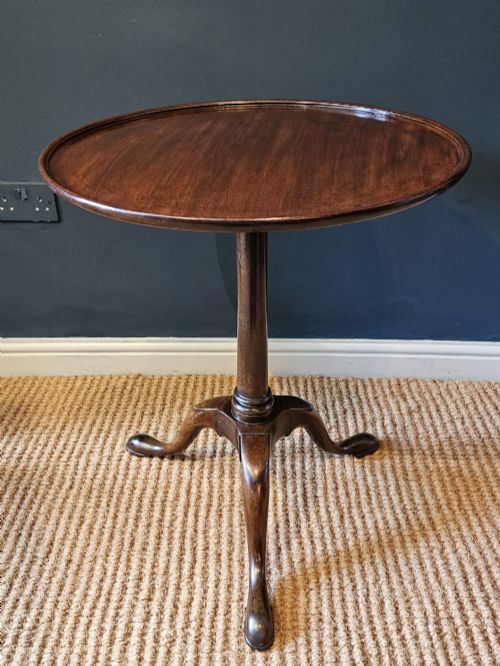
Buyers frequently encounter Victorian burr walnut specimens featuring oval tops and tripod or quadrapod pedestals, alongside earlier George II wine tables. These pieces served diverse domestic functions in historic interiors, moving effortlessly from parlour corners to centre spaces.
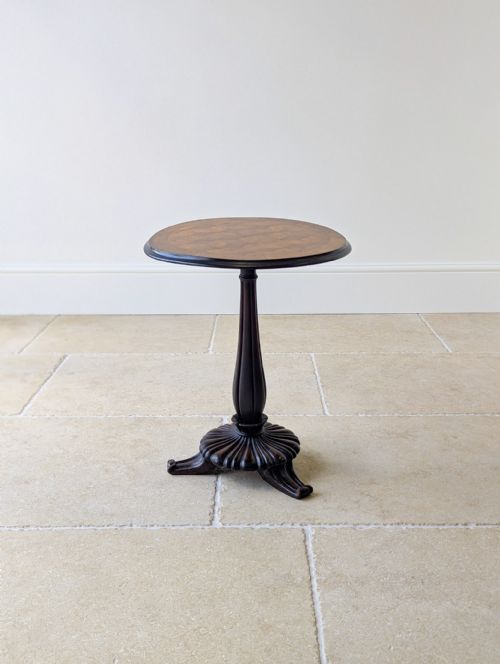
Forms range from compact lamp and wine tables to large six-seater dining and breakfast tables capable of accommodating families. The enduring appeal lies in the combination of figured timber surfaces and practical folding mechanisms.
Materials and construction methods
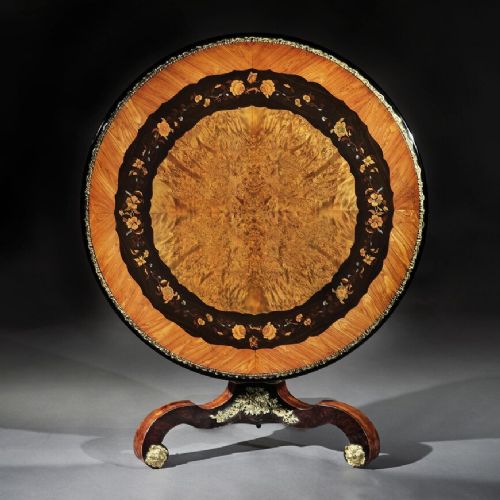
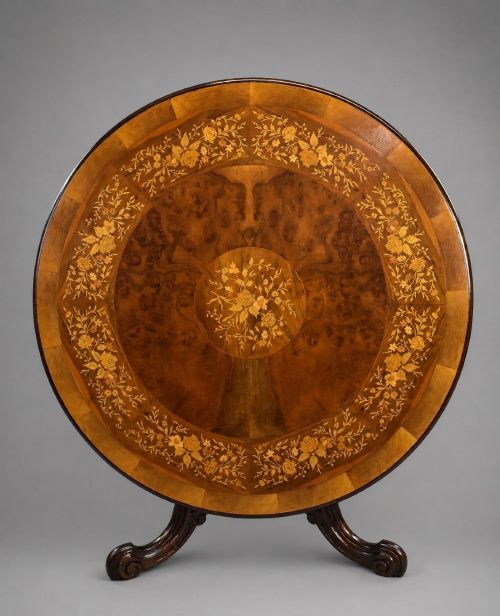
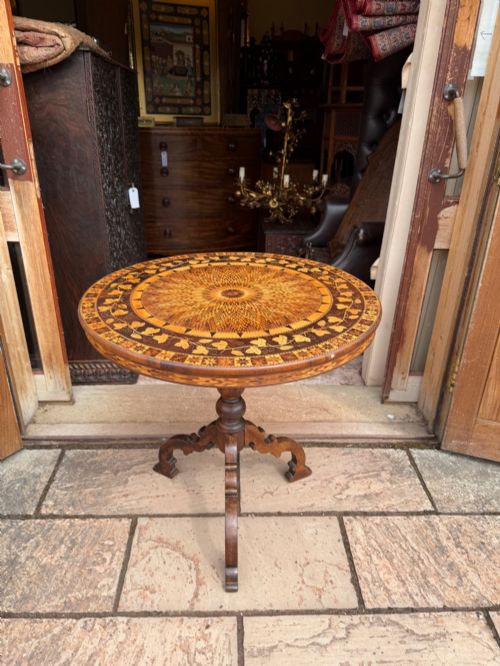
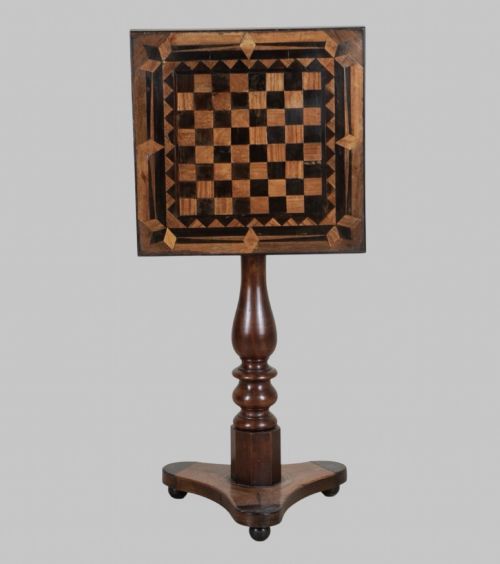
Cabinet makers utilised solid walnut and decorative burr walnut veneers applied over secondary woods to achieve striking natural patterns across the table tops. Marquetry and boxwood inlay frequently embellish the surfaces, displaying meticulous attention to detail through floral and geometric motifs.
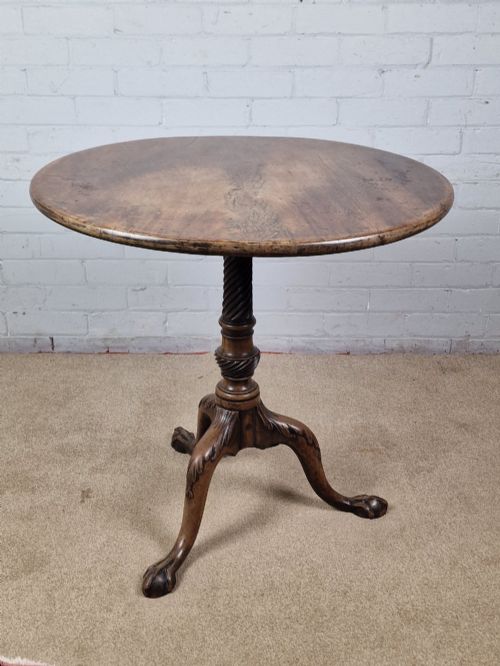
The clever tilt mechanism relies on a pivoting block or catch secured to the underside of the top, allowing the surface to drop flat and lock safely into position. Heavy central pedestals, often supported by tripod or quadrapod carved legs with brass castors, provide the necessary balance when the table is horizontal.
Antique Walnut Tilt Table Retail Price Guide 2026
Typical asking prices for walnut tilt table among the pieces listed under this phrase on Sellingantiques today, from the lower quarter to the upper quarter. They describe what is for sale here now, not the wider market.
Listings feature 19th-century Victorian periods alongside 18th-century George II examples, constructed from walnut, burr walnut, and mahogany with brass and boxwood details.
Distinguishing characteristics of superior examples
Quality rests significantly on the choice of timber, where intensely figured burr walnut or rich red walnut displays superior natural depth compared to plain grain. The complexity and precision of the marquetry inlay, along with the crispness of any hand-carved pedestal details, further separate standard production from finer workshop output.
Structural integrity of the tilting mechanism and the stability of the central column dictate long-term durability. Superior pieces maintain a tight, flush fit when the top is lowered, showing no wobble in the pivot block or uneven wear in the base.
Edward Holmes Baldock·James Shoolbred
The Antique Walnut Tilt Table Glossary
- Burr walnut
- A prized timber harvested from growth excrescences on walnut trees, yielding highly figured, swirling grain patterns. Cabinet makers selected these veneers for decorative table tops.
- Loo table
- A large Victorian card and social table designed for a popular 19th-century parlour game. These examples frequently feature tilting oval tops.
- Marquetry
- The art of applying decorative pieces of veneer to a structure to form intricate pictorial designs. Floral and geometric marquetry characterises many Victorian and continental pieces.
- Snap top
- A mechanism utilising a spring catch that locks a tilting table top securely into the horizontal position. This prevents accidental tipping during daily use.
- Tripod base
- A pedestal support terminating in three individual feet, commonly configured with carved cabriole legs. This design ensures stability on uneven historical floorboards.
Antique Walnut Tilt Table: Frequently Asked Questions
How do I tilt the table top safely?
Release the brass catch or wooden wedge located beneath the table surface while supporting the outer edge with one hand. Gently guide the top upward until the mechanism locks securely into its vertical storage position.
To lower the table, hold the top firmly, release the catch once more, and ease the surface down until it rests flat upon the pedestal block.
Were these tables used for dining?
Larger Victorian breakfast and loo variants served primarily for morning meals or family gatherings before being cleared and tilted away. Their generous oval surfaces provided ample seating space for multiple guests.
Smaller wine and lamp tables fulfilled purely occasional roles, holding candles or drinks beside seating areas rather than functioning as dining furniture.
How should I clean walnut veneer?
Dust the surface regularly with a soft, dry cloth to prevent particulate accumulation within the grain and intricate inlay work. Avoid modern silicone sprays or harsh chemical polishes that can damage historic finishes.
Apply a traditional beeswax sparingly to nourish the timber and maintain a soft, natural sheen across the burr walnut figure.
What rooms suit a tilt top table?
Living rooms and studies accommodate occasional and lamp tables comfortably, offering functional surface space without dominating the floor plan. When tilted upright, the table acts as a decorative panel displaying the timber figure against a wall.
Larger oval examples function effectively as central coffee tables or statement pieces in spacious entrance halls and dining rooms.