


Brown Wood Loo Table
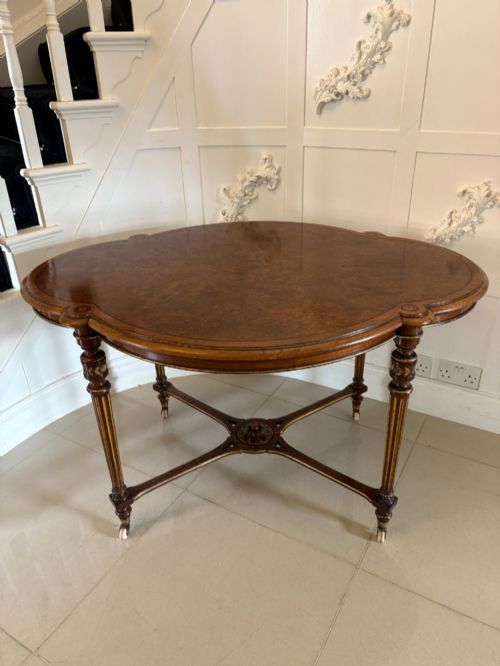
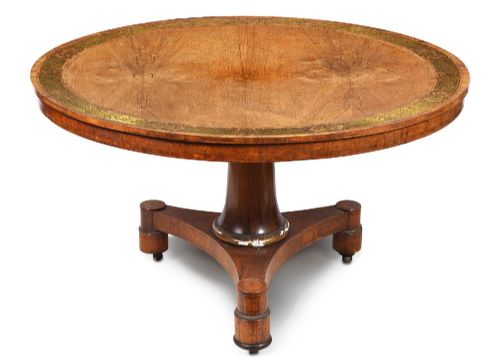
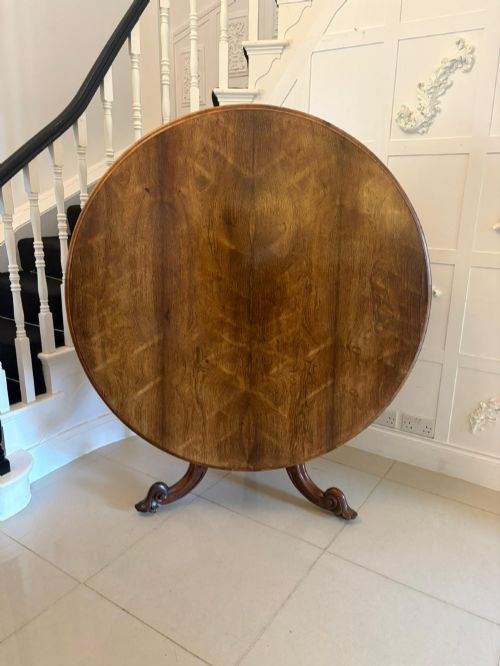
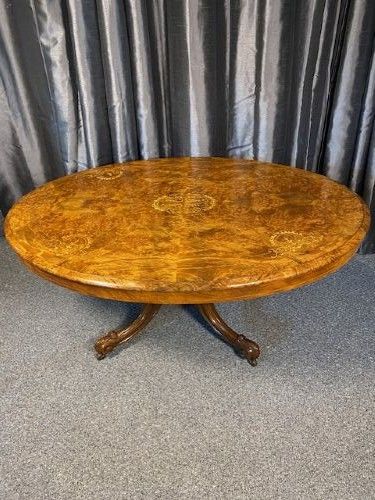
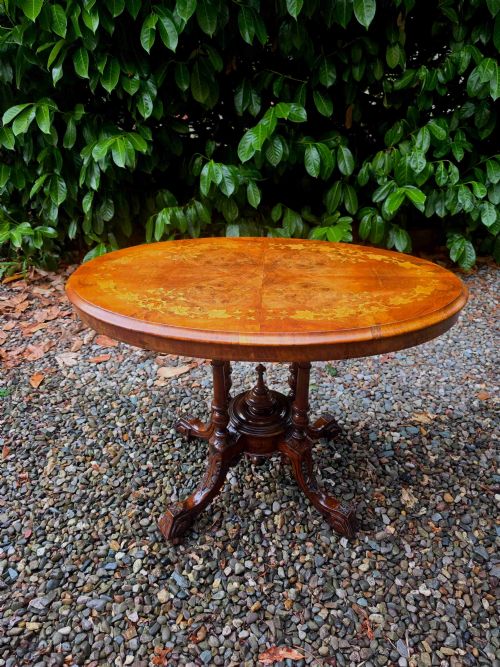
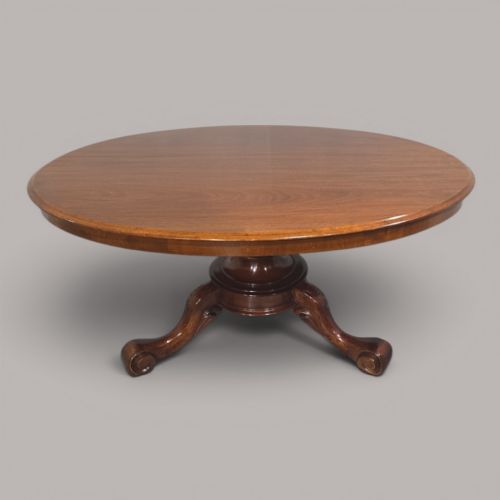
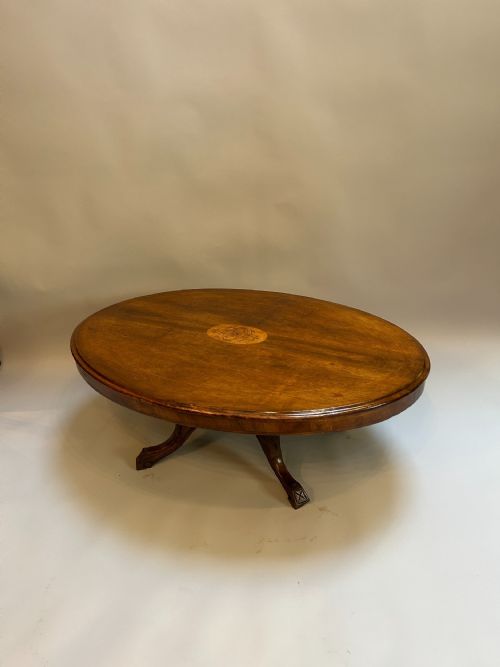
A brown wood loo table brings sociable nineteenth-century elegance to a room, offering a large tilting top supported on a central pillar.
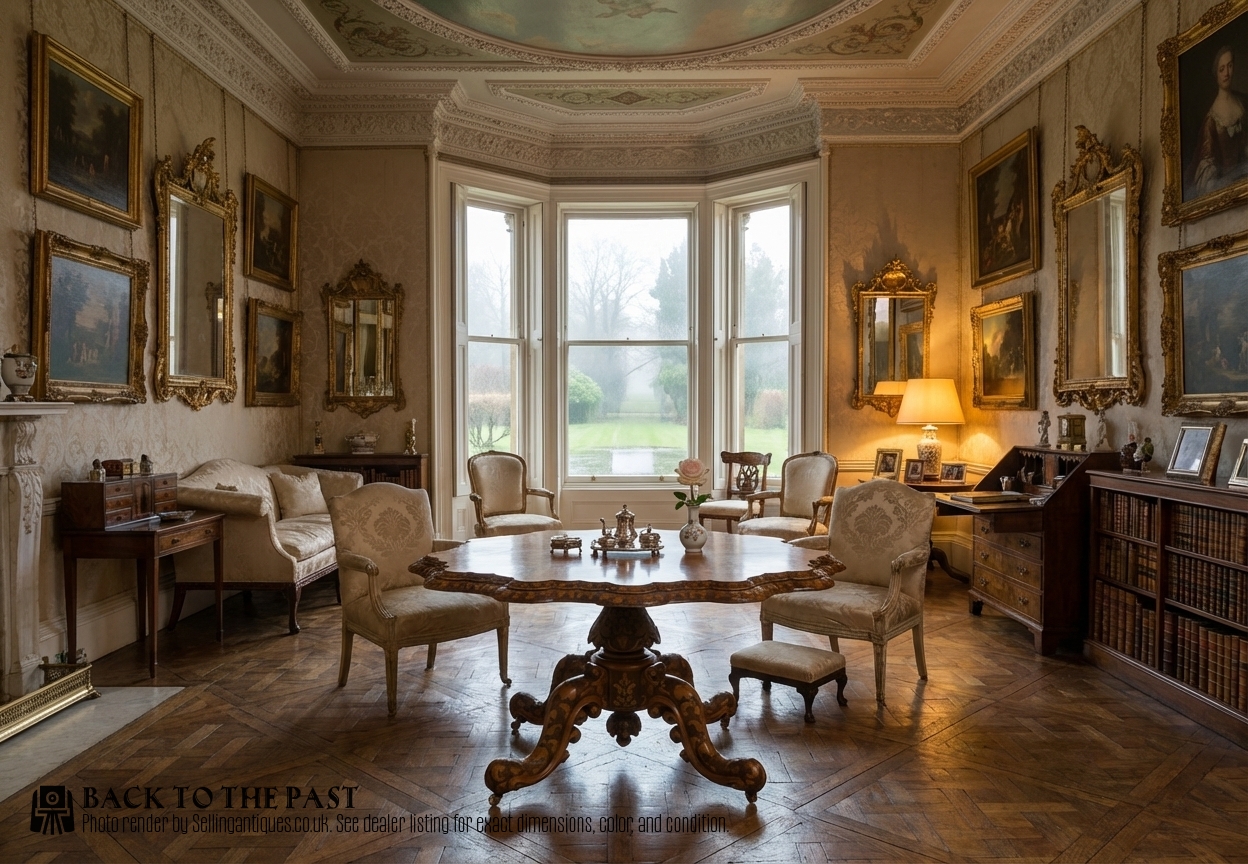
Brown Wood Loo Table
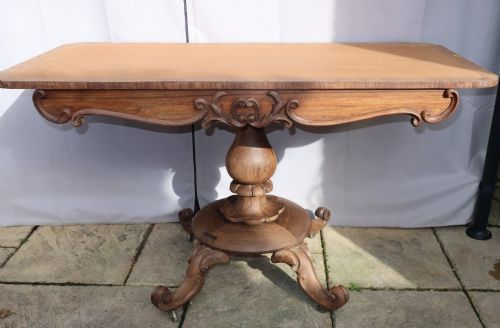
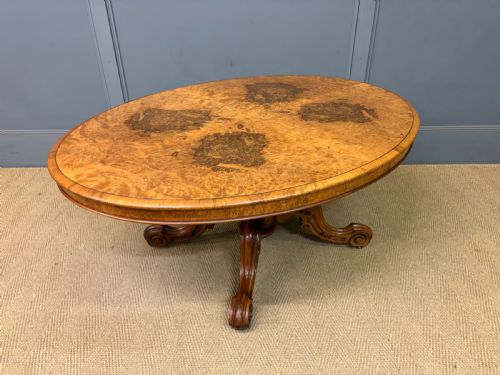
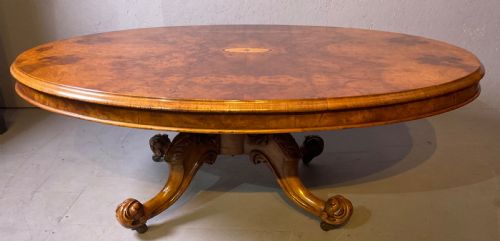
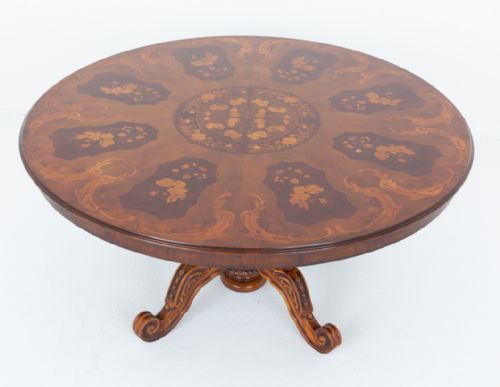
The selection includes specific Victorian burr walnut loo tables alongside related pedestal and centre tables featuring elaborate marquetry or plain polished surfaces. Buyers will notice that many pieces utilise clever mechanical tilt mechanisms, originally designed to save space in period drawing rooms when the tables were not in use for evening card games or gatherings.
How they were made
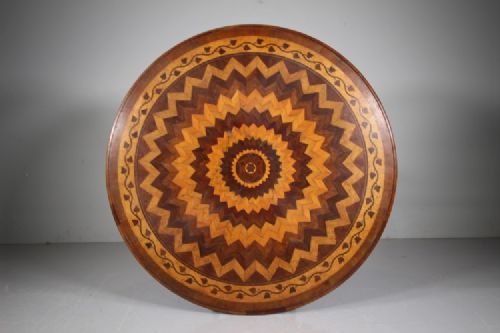
Cabinet makers constructed these tables using solid foundational timbers such as mahogany or walnut, frequently applying figured veneers like burr walnut or burr elm to the visible surfaces. Marquetry inlay, wood inlay, and boxwood inlay decorate the tops of finer examples, set into the timber with meticulous precision.
Structural stability relied upon substantial central pedestals, often resting on carved tripod feet or freestanding basket bases with brass castors. Tops were frequently mounted on birdcage or snap-top blocks, allowing the circular or oval surface to pivot and lock vertically.
Victorian card players relied on these tilting tops so heavily that many retain faint ghost marks of long-vanished card markers.
What varies in quality
The choice of timber grain fundamentally dictates quality, with highly figured burr walnut and burr elm commanding greater visual depth than plain stock. Crispness in hand-carved pedestal details and the finesse of the boxwood or marquetry inlay separate standard production from superior cabinet work.
Engineering integrity within the tilting mechanism and the stability of the central pillar assembly also define the grade of a piece. Well-balanced proportions between the heavy top and the supporting pedestal ensure the table functions correctly without wobble.
James Winter of Wardour Street
The Brown Wood Loo Table Glossary
- Loo table
- A large nineteenth-century round or oval table with a tilting top, designed for the card game loo. These pieces typically feature a central pedestal base.
- Tilt-top
- A hinged table top that can be pivoted vertically to store flat against the pedestal. This mechanism saved floor space in period rooms.
- Burr walnut
- Timber taken from the abnormal growth of a walnut tree, producing swirling and mottled grain patterns. Cabinet makers prized this wood for decorative veneer.
- Marquetry inlay
- Decorative patterns formed by fitting contrasting veneers into a prepared wooden background. It appears on many Victorian table tops.
- Snap-top
- A spring-loaded catch mechanism that locks a tilting table top securely into the horizontal position. It prevents accidental tipping during use.
Brown Wood Loo Table: Frequently Asked Questions
What is a loo table?
A loo table is a large nineteenth-century occasional table designed specifically for playing the popular card game loo. The tops were made to tilt vertically so the furniture could be pushed against a wall when the room was needed for other purposes.
Today, these tables serve as striking centrepieces or coffee tables in larger living spaces. Their generous proportions and decorative timber veneers make them both practical and visually engaging.
How do I date a Victorian table?
Dating relies on observing timber choices, construction methods, and stylistic cues recorded in the period evidence. Victorian examples often feature burr walnut veneers, elaborate marquetry, and heavier pedestal bases compared to earlier Regency designs.
Cabinet-making techniques also evolved across the nineteenth century, moving from hand-cut joinery towards more standardised workshop production by the later decades. Comparing the secondary timbers beneath the top offers further clues to the manufacturing decade.
Are these tables good for coffee tables?
Many buyers repurpose nineteenth-century pedestal tables as coffee tables due to their generous surface area and sturdy construction. Their circular or oval shapes soften the geometry of modern seating arrangements.
Because original loo tables stand slightly taller than standard modern coffee tables, checking the exact height dimensions against your sofa is recommended.