
Antique Wall Relief
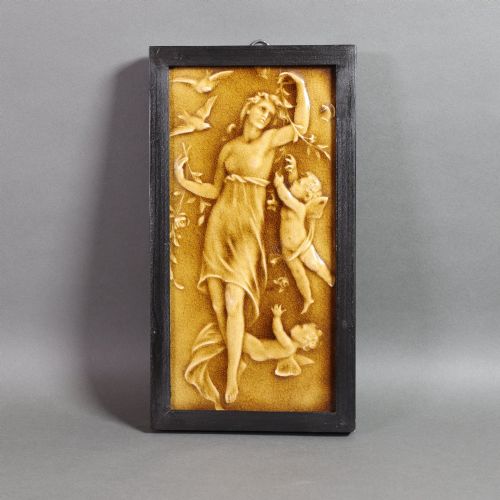
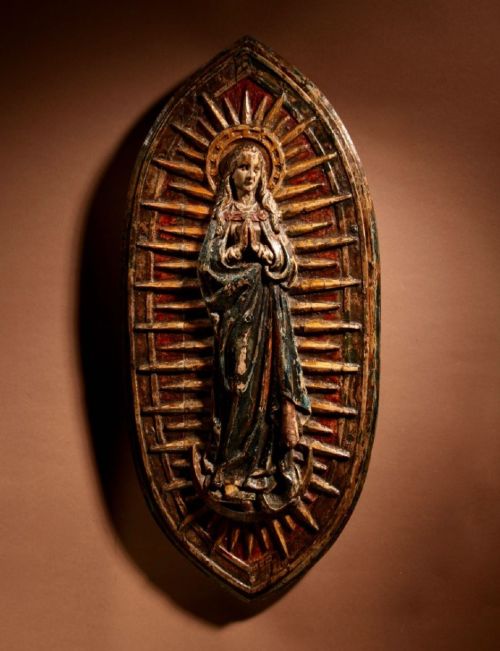
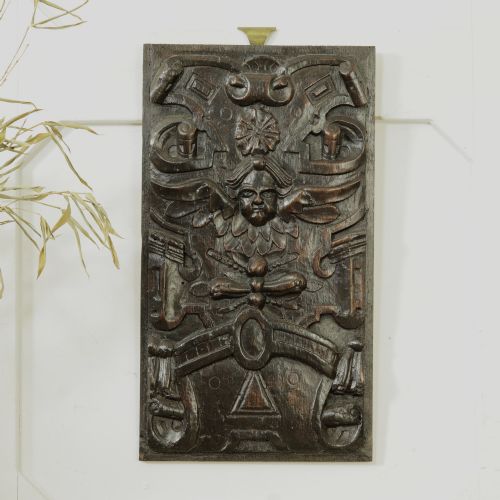
These antique wall relief pieces bring carved depth and classical presence to a room, ranging from 16th-century oak panels to Grand Tour plaster plaques.
Antique Wall Relief
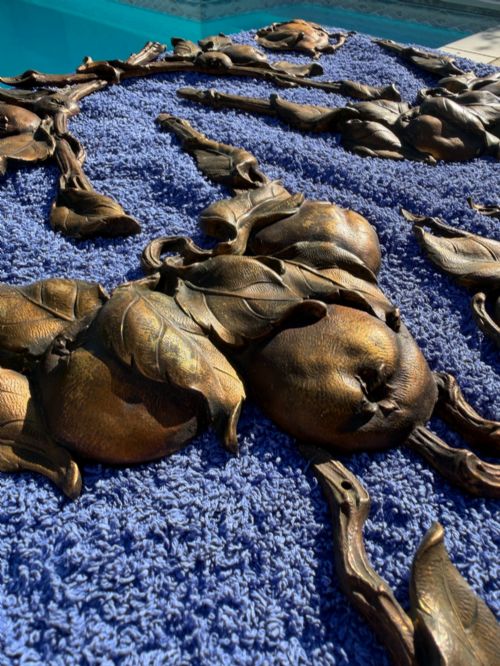
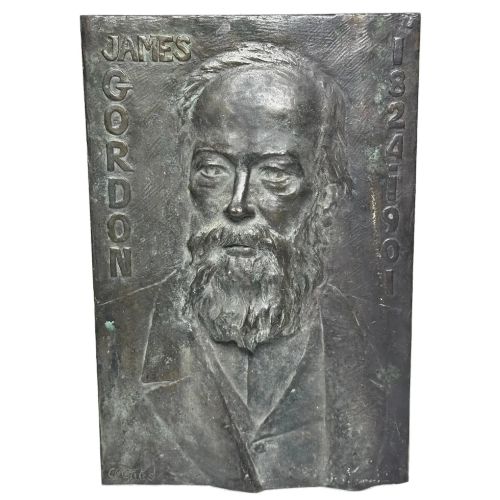
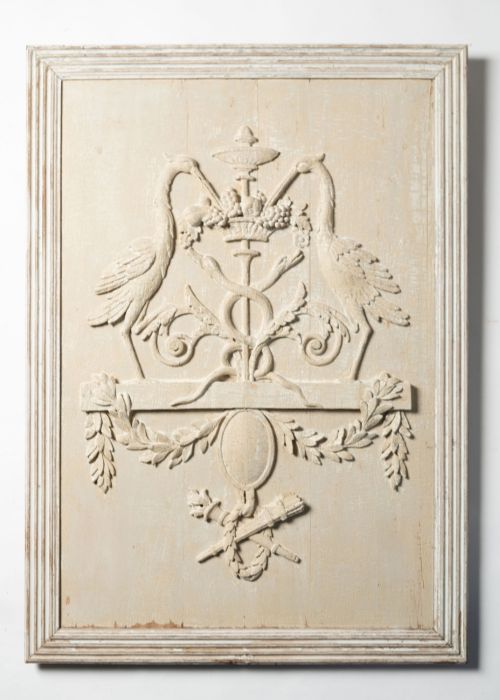
When you search for an antique wall relief, you encounter a diverse range of objects designed to project from a vertical surface, spanning centuries of craftsmanship. The selection encompasses architectural elements, carved timber panels, framed plaster casts, and metal plaques.
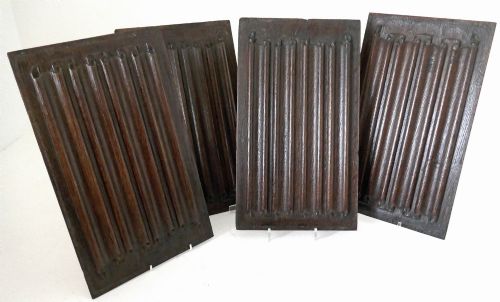
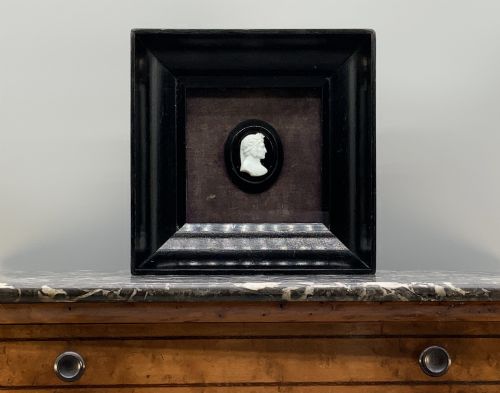
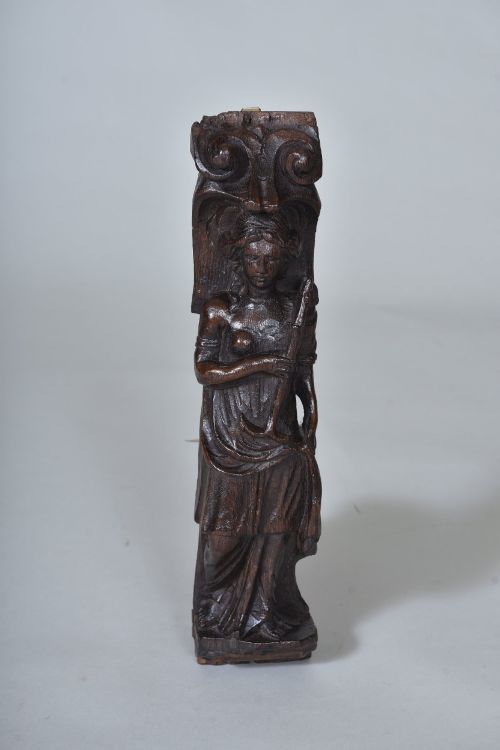
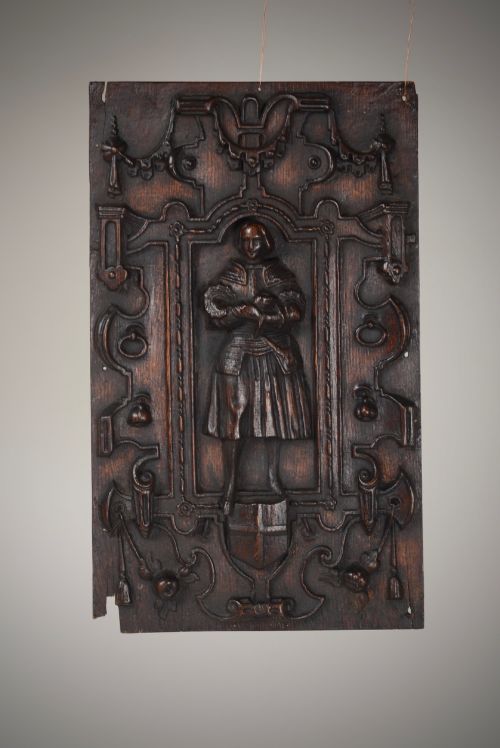
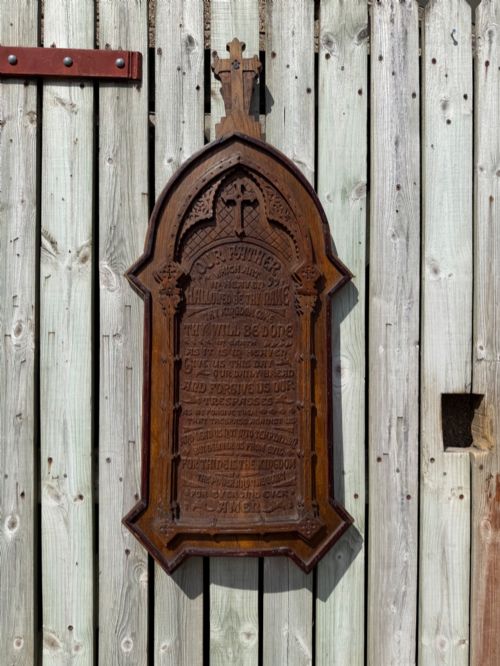
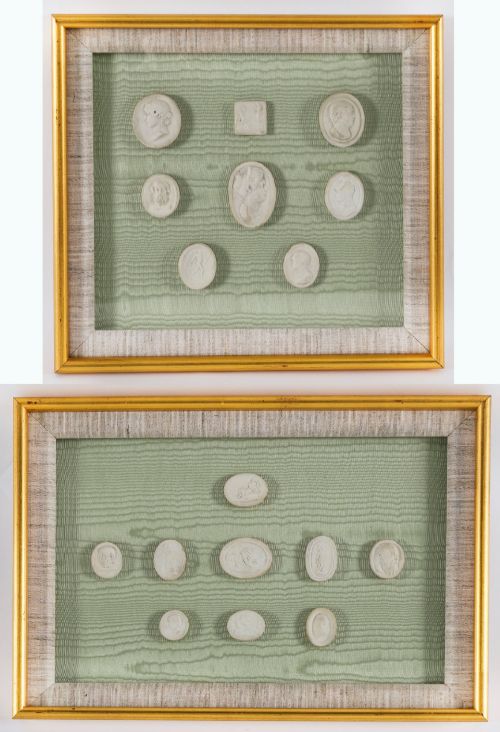
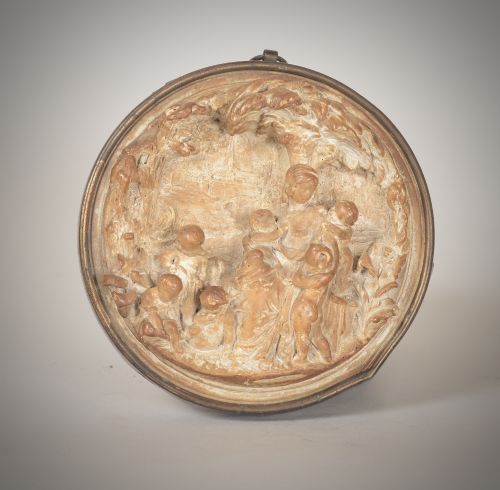
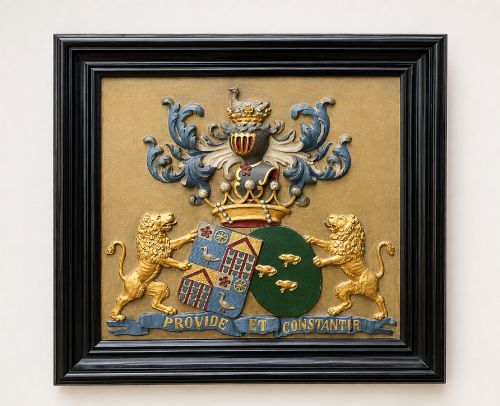
The most common examples on this page are carved wooden panels from the 17th and 18th centuries, alongside 19th-century Grand Tour plaster intaglios and portrait reliefs. These pieces frequently depict classical figures, heraldic motifs, and religious scenes, reflecting the aesthetic priorities of their respective periods.
What varies in quality
The distinction between standard items and exceptional examples lies in the crispness of the carving and the depth of the relief work. Master carvers achieved anatomical precision and fluid drapery in wood and ivory, whereas lesser pieces exhibit softer edges and generalised details.
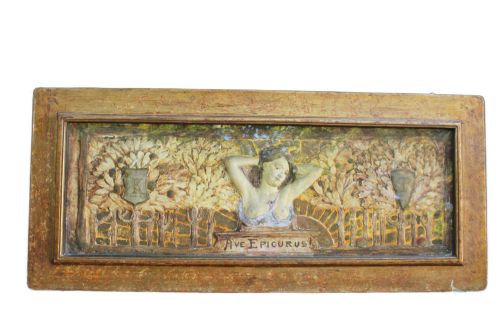
Condition and originality dictate the standing of a wall relief within its category. Intact polychrome surfaces, original giltwood finishes, and well-preserved plaster casts command greater appreciation than heavily restored or later overpainted surfaces.
Materials recorded across the inventory include carved oak, cast bronze, gesso, ivory, wax, and polychrome painted wood.
Poix Blin·Alice Gates·Van Rijckevorsel and Verheijen·Eugene Canneel·Samuel Dixon·Clement Messier
The Antique Wall Relief Glossary
- Relief
- A sculptural technique where the sculpted elements remain attached to a solid background of the same material. High relief projects boldly from the background, while low relief sits flatter.
- Grand Tour
- A cultural journey of Europe undertaken by wealthy young men in the 18th and 19th centuries. They collected plaster intaglios, carved ivories, and portrait plaques as mementos.
- Intaglio
- A gem or plaster cast engraved with a design depressed below the surface, contrasting with a relief. These were often mounted in framed collections.
- Gesso
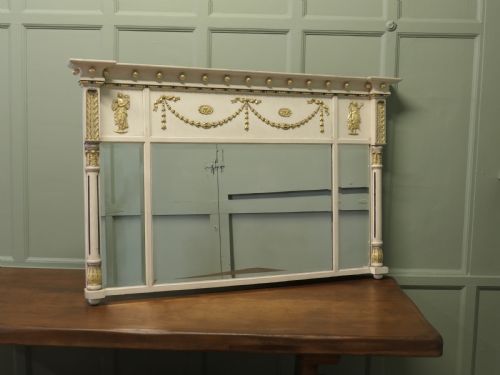
- A plaster mixture used as a surface preparation for painting or gilding on wood. It was commonly applied to 19th-century overmantel mirrors and picture frames.
- Linenfold
- A style of wooden panelling popular in the Tudor period, resembling folded fabric. It appears frequently on early oak panels.
Antique Wall Relief: Frequently Asked Questions
How do I hang a heavy wooden wall relief safely?
Heavy oak panels and carved overmantels require secure fixing directly into wall studs or masonry using appropriate steel brackets. Weight distribution must be calculated carefully to protect the antique timber.
Professional mirror plates or batten systems are often utilised for substantial pieces to ensure the weight hangs plumb against the wall without straining the antique joints.
What is the difference between high relief and low relief?
High relief projects significantly from the background plane, with figures sometimes rendered almost fully in the round. Low relief, or basso-rilievo, remains flatter and relies on subtle depth.
Earlier wood carvings and architectural panels tend to utilise high relief for dramatic shadow, while Grand Tour plaster plaques frequently employ shallow moulding.
How should I clean antique plaster and wax reliefs?
Plaster and wax reliefs require extremely gentle maintenance using a dry, soft brush to remove dust. Moisture and chemical cleaners will dissolve or stain the material permanently.
Displaying these delicate pieces away from direct sunlight and heat sources prevents the wax from softening and the plaster from becoming brittle over time.
Are Grand Tour plaques originals or copies?
Grand Tour plaques are period interpretations or direct casts of ancient Roman and Greek sculptures, produced during the 18th and 19th centuries. They are considered authentic antiques in their own right rather than modern reproductions.
Collectors prize these framed plaster and intaglio collections for the quality of the nineteenth-century casting and the history of their provenance.