



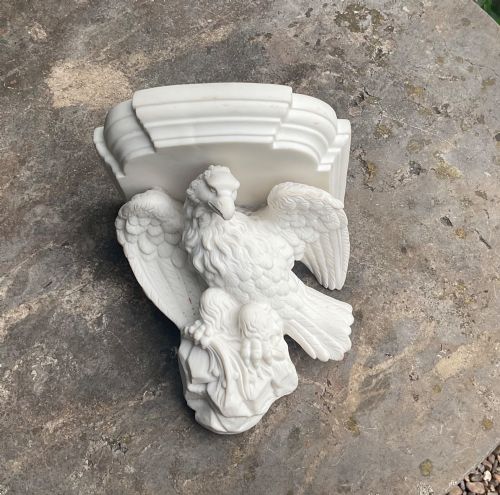
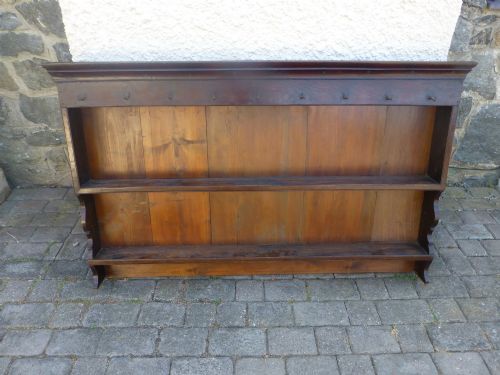
Antique Wall Mounted Shelf
An antique wall mounted shelf brings practical display space and architectural character to a room, ranging from simple pine plate racks to elaborate mahogany bookcases.
Antique Wall Mounted Shelf
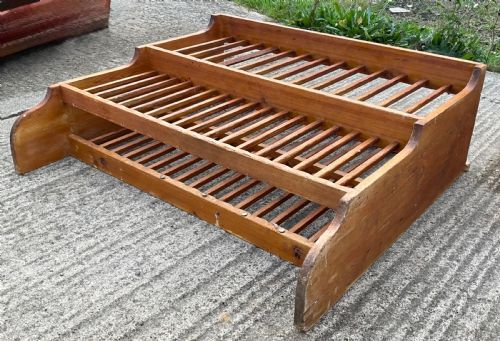
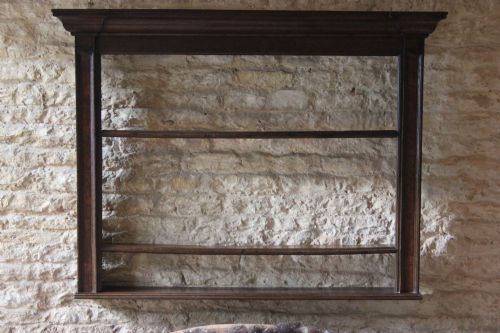
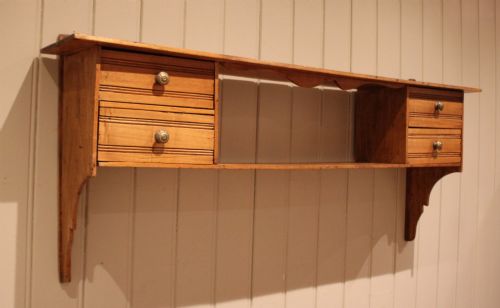
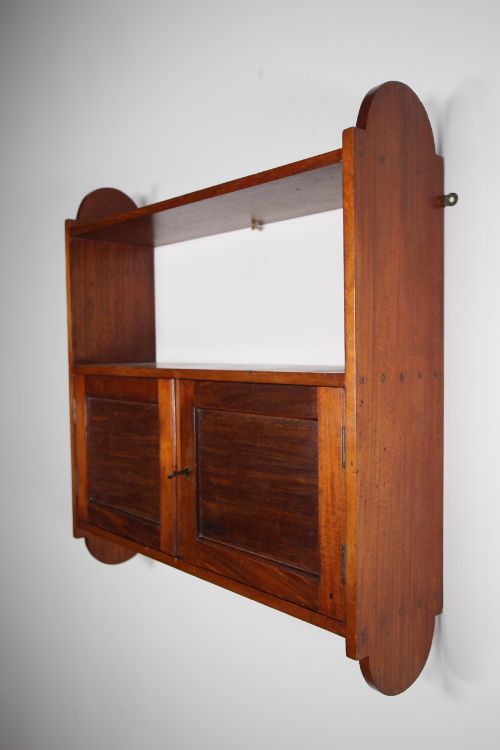
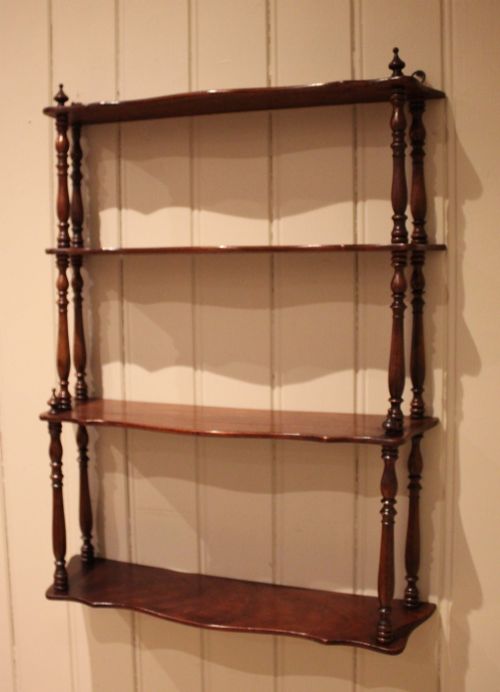
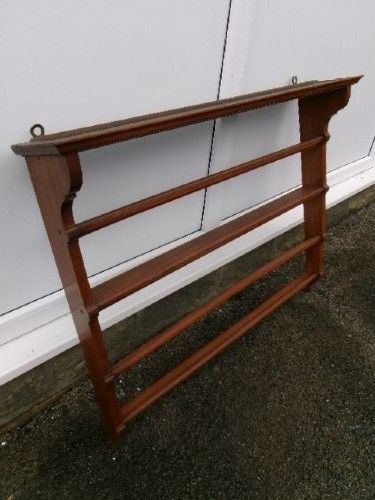
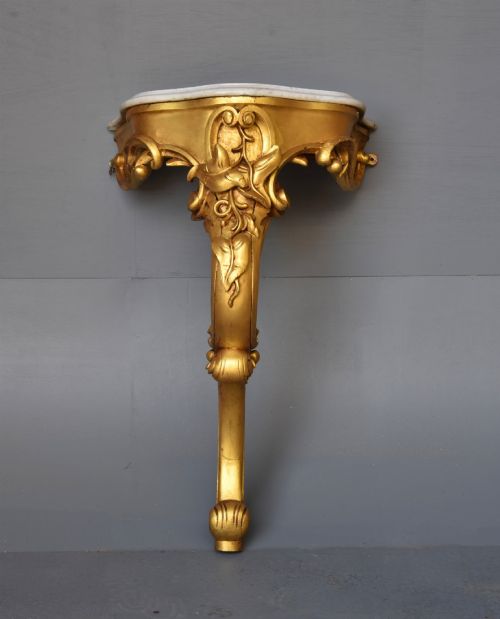
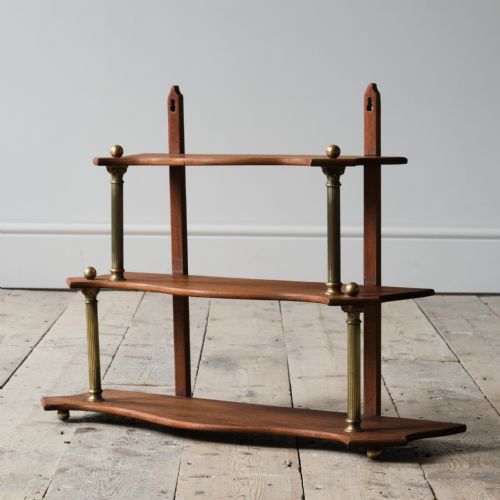
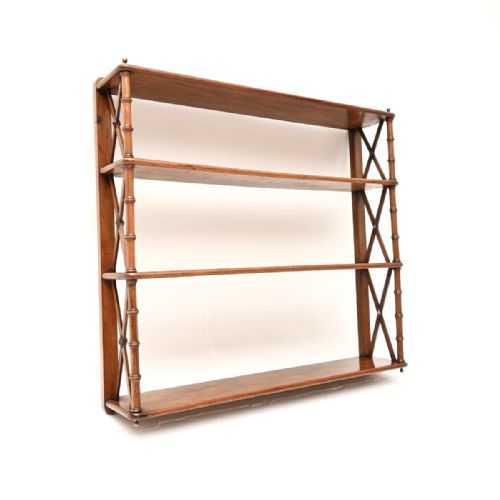
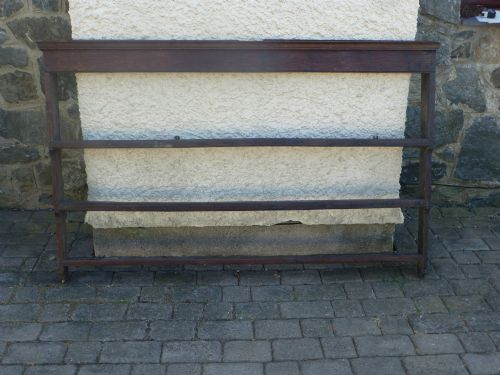
An antique wall mounted shelf serves functional purposes around the home, appearing in forms such as open plate racks, hanging bookcases, corner cupboards, and combination units with coat hooks or mirrors. The selection frequently includes eighteenth-century oak plate racks and nineteenth-century mahogany hanging shelves designed to utilise vertical wall space effectively.
Buyers encounter diverse regional and period interpretations, from Georgian mahogany tiers to Edwardian walnut cloakroom fittings and French Art Deco brass hat racks. These pieces were originally made for domestic utility in kitchens, hallways, and living rooms, preserving historical craftsmanship within everyday architectural hardware.
How they were made
Carpenters and cabinetmakers utilised native and imported timbers including oak, mahogany, walnut, pine, and ebonised wood, often joining structural elements with traditional pegged or dovetailed joints. Surface treatments vary from natural wax finishes on golden oak to painted pine and gilded details on decorative brackets.
Many items incorporate auxiliary materials like cast brass hooks, mirrored glass, and marble tops to enhance utility and visual weight. Hand-carved elements, inlay work, and pierced architectural brackets demonstrate the specific bench skills of the period.
Antique Wall Mounted Shelf Retail Price Guide 2026
Typical asking prices for wall mounted shelf among the pieces listed under this phrase on Sellingantiques today, from the lower quarter to the upper quarter. They describe what is for sale here now, not the wider market.
What varies in quality
The distinction between standard utility items and finer examples rests on the selection of timber, the crispness of mouldings, and the integrity of the original joints. Superior pieces exhibit carefully chosen wood grain, symmetrical proportions, and integrated hanging structures that distribute weight securely.
Decorative refinement separates basic utilitarian shelving from sophisticated pieces displaying hand-carved details, quality brass hardware, or period paint surfaces. The survival of original backboards, brackets, and surface patination heavily influences the overall character of the piece.
George Edmund Street
The Antique Wall Mounted Shelf Glossary
- Plate rack
- A wall-mounted wooden frame featuring grooved ledges and vertical spindles designed to display ceramic plates upright.
- Whatnot
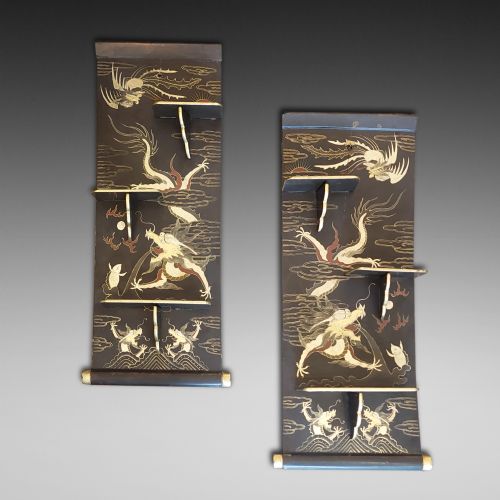
- A set of open multi-tiered shelves used for displaying ornaments and books, often wall-mounted in later Victorian examples.
- Corbel
- A structural or decorative bracket projecting from a wall to support a weight, frequently carved in wood or moulded in ceramic.
- Portmanteau
- A combined wall-mounted hallway fitting incorporating coat hooks, a shelf, and often a mirror or umbrella stands.
Antique Wall Mounted Shelf: Frequently Asked Questions
How do I hang a heavy antique shelf safely?
Check the weight distribution and structural integrity of the backboards before installation. Secure the piece directly into wall studs or utilise appropriate cavity fixings suited to the wall type.
Ensure the mounting brackets or hanging loops are firmly attached to the frame. Professional installation is advisable for heavy timber or marble-topped console tables.
Where should I place an antique wall shelf?
Kitchens and dining areas suit traditional oak plate racks for displaying ceramics. Hallways benefit from units featuring coat hooks and mirrors for daily utility.
Living rooms and studies provide ideal spaces for mahogany hanging bookcases or decorative display brackets. Keep pieces away from direct heat sources to protect older timbers.
How do I clean and maintain wooden shelves?
Dust the surfaces regularly with a dry, soft cloth to prevent particulate buildup. Apply a traditional beeswax polish sparingly to nourish older timber and maintain the patina.
Avoid chemical sprays and excessive moisture, which can damage historic finishes. Check wall fixings periodically to ensure the security of the mounting.
How do I identify the period of a shelf?
Examine the timber species, construction joints, and fixing methods used in the piece. Georgian and eighteenth-century items often display hand-sawn markings and pegged joinery, while Edwardian and later pieces may show machine-sawn components.
Stylistic indicators such as Gothic Revival ebonising or Art Deco brass work help narrow down the decade of production. Compare the hardware and overall design with documented examples from the same era.