
Antique Victorian Pottery Pair
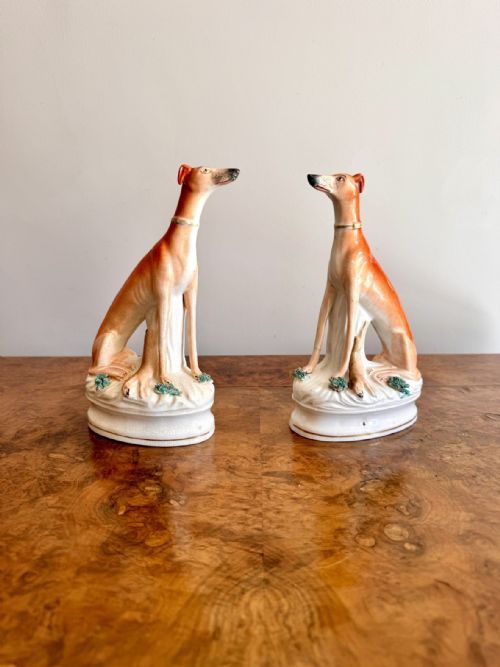
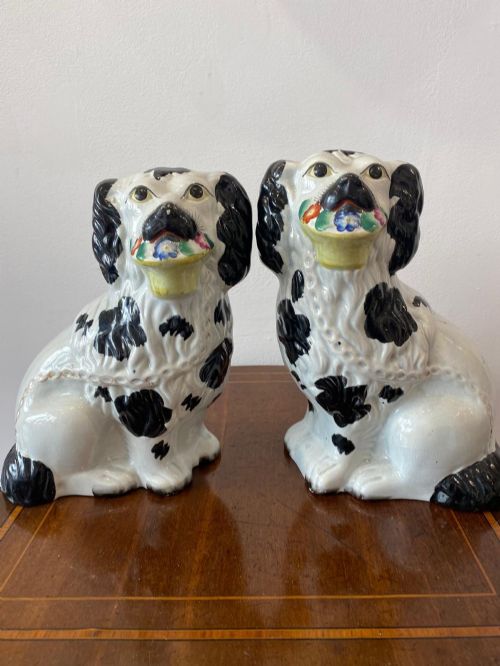
These antique victorian pottery pair items bring matched balance to a mantelpiece, most often seen in Staffordshire spaniels or decorative vases from the nineteenth century.
Antique Victorian Pottery Pair
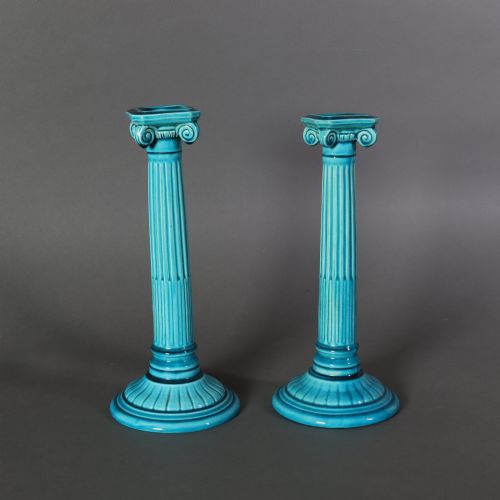
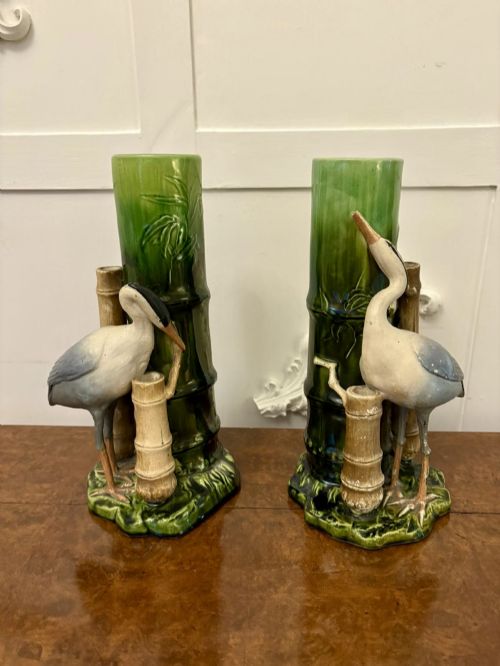
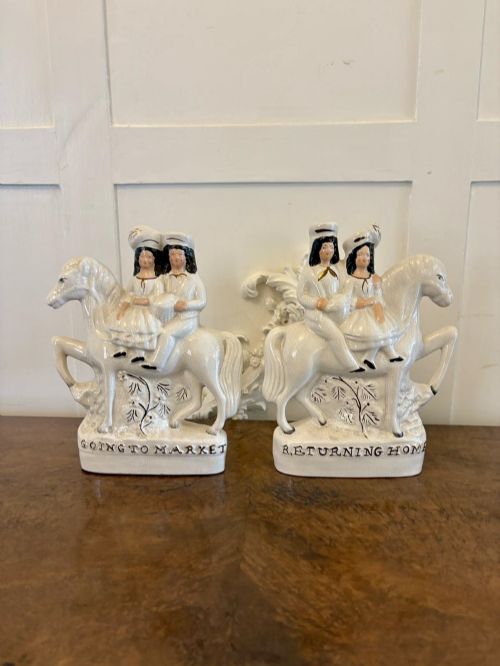
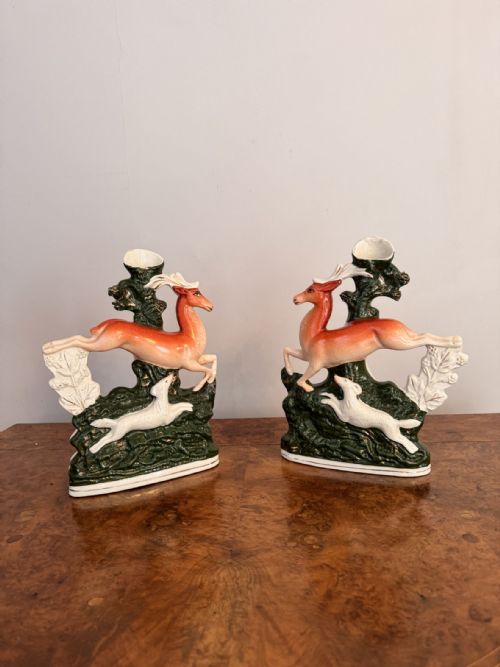
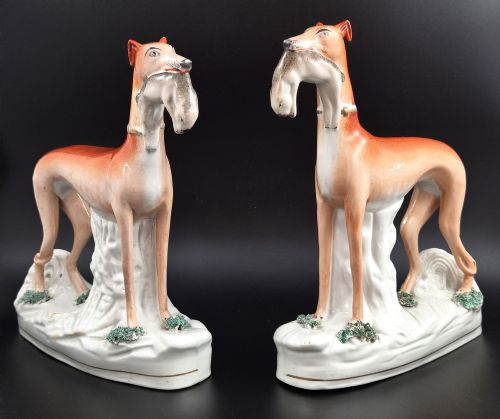
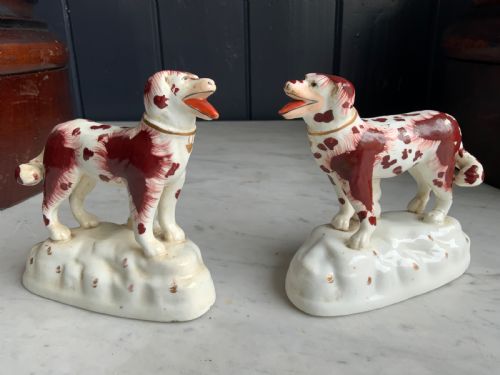
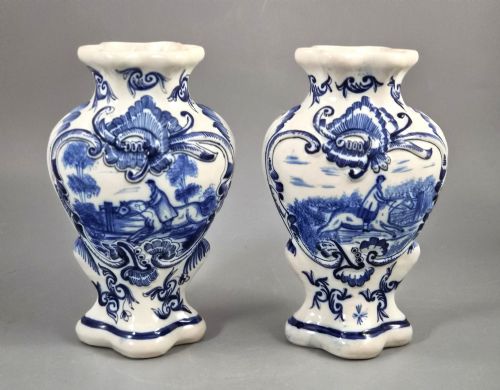
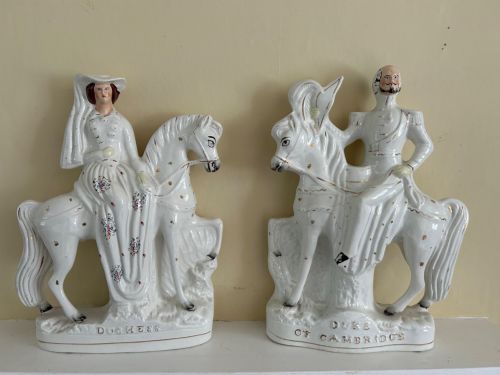
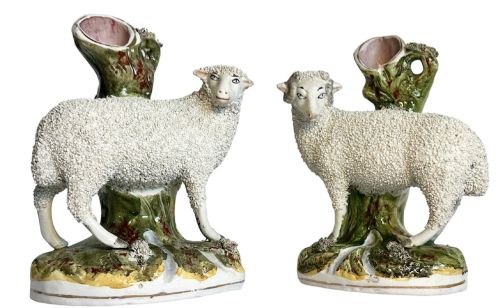
An antique victorian pottery pair brings symmetrical decoration to a mantelpiece or shelf, most commonly found as Staffordshire dogs, sheep, greyhounds, or matching baluster vases from the nineteenth century. Buyers seek these dual items for their balanced display quality and the narrative charm of historical figures, animals, and spill vases.
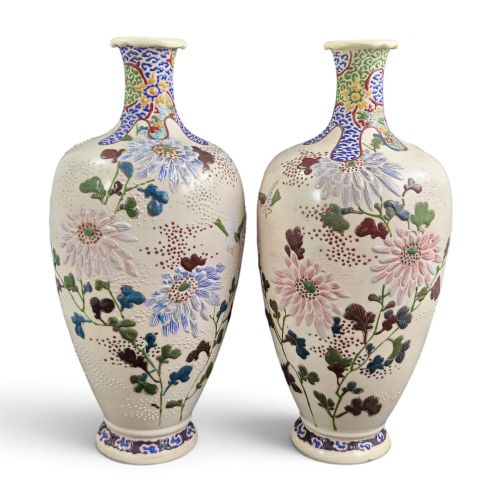
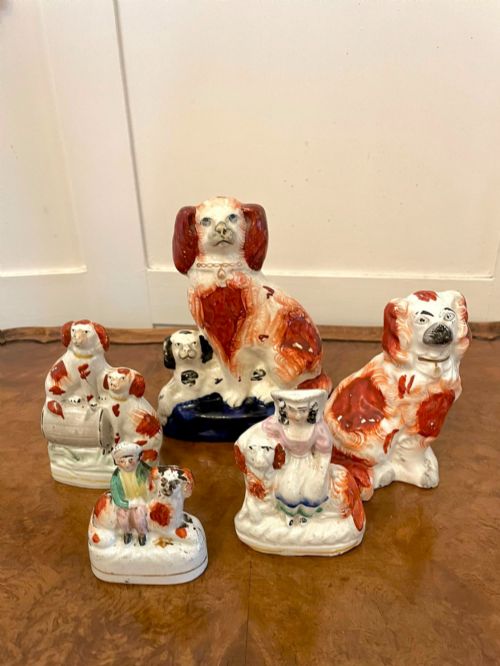
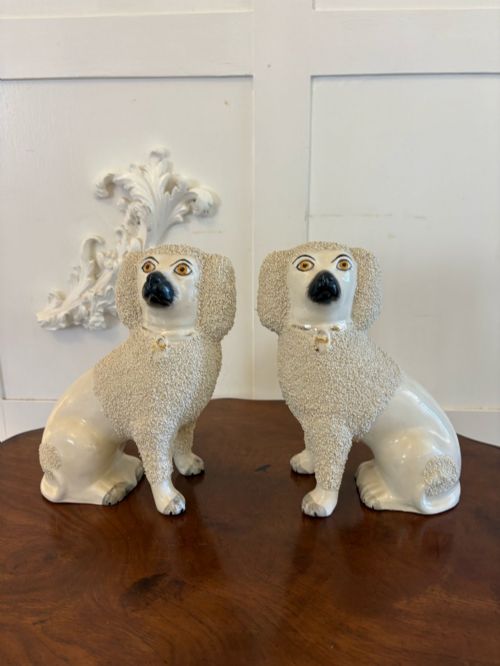
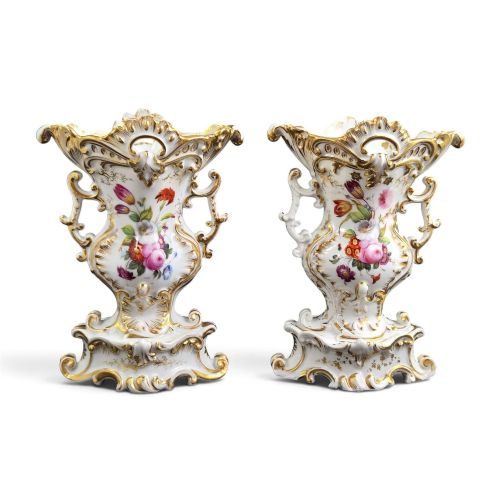
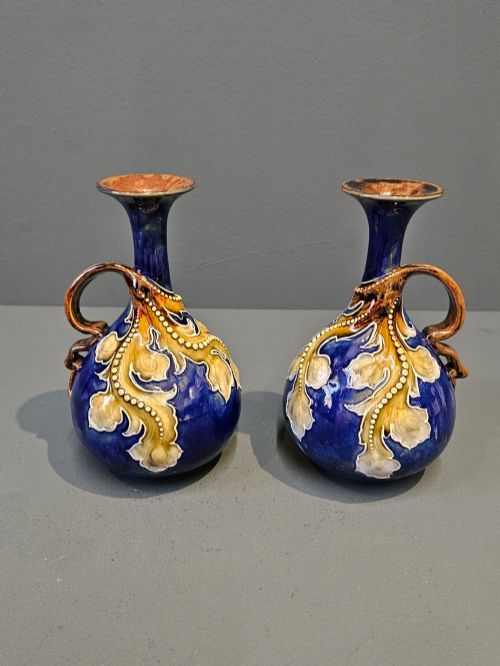
The selections span English earthenware figures, Japanese Satsuma ceramics, and French faience vessels, capturing the domestic tastes of the Victorian era. Staffordshire poodles, spaniels, and historical portraits dominate the domestic offerings, while imported Satsuma and Doulton Lambeth pieces provide floral and Moriage surface detail.
How They Were Made
Potters shaped these earthenware and ceramic pieces using traditional moulding and throwing techniques, applying lead glazes and enamel colours before kiln firing. Many figures feature hand-painted details over moulded bodies, while others incorporate raised slip work like Moriage or applied gold leaf accents.
Vessels and figures often utilise sturdy stoneware or porous ceramic bodies suited to daily display as spill vases, tobacco jars, or mantel ornaments. Kiln methods of the period resulted in individual crackleur patterns and slight variations between matched items.
Staffordshire poodles arrived on hearths wearing ceramic curls formed from tiny clay balls dabbed onto their coats by busy Victorian hands.
What Varies in Quality
Original matched provenance elevates a pair, as does the retention of vibrant gilding, unblemished lead glazes, and intact companion pieces like pups or riders. Consistency in the firing colour between both objects determines the visual harmony of the matched set.
Bretby·Jacob Petit·Fourmaintraux Courquin·Doulton Lambeth·Thomas Parr·Sherwin and Cotton·Minton Hollins·Mettlach
The Antique Victorian Pottery Pair Glossary
- Flat back
- A figure designed with an unglazed or plain flat reverse side intended to sit flush against a wall or mantelpiece. This construction saved ceramic material and simplified the kiln firing process for larger Staffordshire pieces.
- Spill vase
- A hollow cylindrical holder attached to a ceramic figure designed to hold wooden spill matches for lighting fires. These functional vessels combine domestic utility with sculptural animal or human forms.
- Moriage
- A Japanese decorating technique where slip is piped onto the ceramic surface like cake icing to create raised, tactile decorative patterns. It frequently appears on Satsuma export wares from the Meiji period.
- Faience
- Tin-glazed earthenware decorated with opaque coloured enamels, often associated with continental European pottery workshops. The technique yields a smooth, opaque white ground suitable for painted floral or figurative scenes.
- Comforter spaniel
- A seated ceramic dog model produced in vast quantities across Staffordshire during the Victorian era to adorn hearths. These pairs typically face inward toward each other with painted gilt chains and lockets.
Antique Victorian Pottery Pair: Frequently Asked Questions
How do I display antique pottery pairs?
Place them symmetrically on a mantelpiece, sideboard, or bookcase where their matching forms create visual balance in a room.
Ensure they sit away from high-traffic edges to protect protruding ears, tails, or delicate spill holders from accidental knocks.
Are Staffordshire dogs always found as pairs?
Potters originally produced and sold these earthenware spaniels and greyhounds as facing matched pairs for Victorian mantel displays.
Over the decades, families separated them through moves or breakage, making an intact original pair increasingly desirable for collectors.
What is a spill vase used for?
Victorian households used the hollow cylindrical section of a spill vase to hold thin wooden splints called spills, which transferred flames from the hearth fire to candles or lamps.
Ceramicists combined this practical household accessory with popular animal or pastoral figures to decorate the fireplace.
How do I clean nineteenth century ceramic figures?
Dust these glazed earthenware pieces gently with a soft dry brush or a feather duster to remove surface particles without disturbing fragile enamel.
Avoid submerging older unglazed ceramic bases or using harsh chemical cleaners that might strip historical overglaze painting or gold leaf.