
Antique Vanity Glass
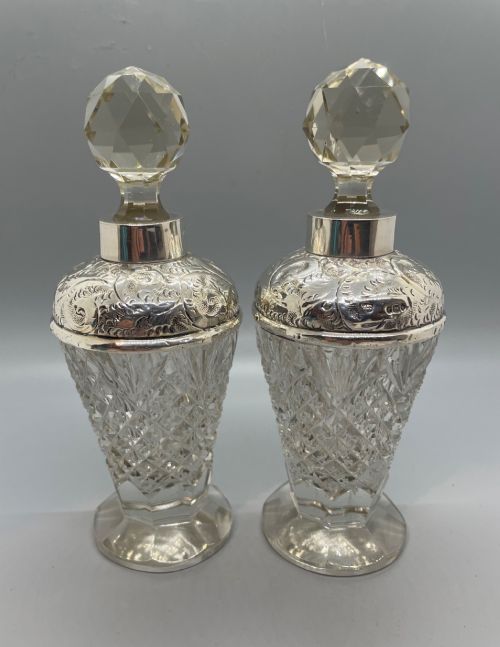
Antique vanity glass encompasses the mirrors, scent bottles, and trinket jars that outfitted dressing tables from the Georgian period through the Art Deco era.
Antique Vanity Glass
Antique vanity glass spans a diverse range of objects designed for personal grooming and dressing table display, including scent bottles, trinket boxes, and dressing mirrors. These pieces connect modern interiors to earlier domestic routines through functional items intended for daily use.
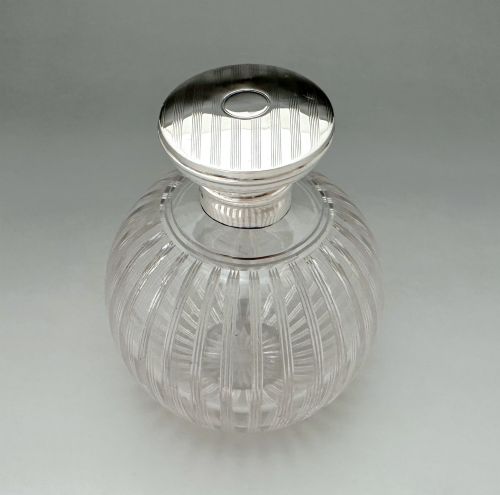
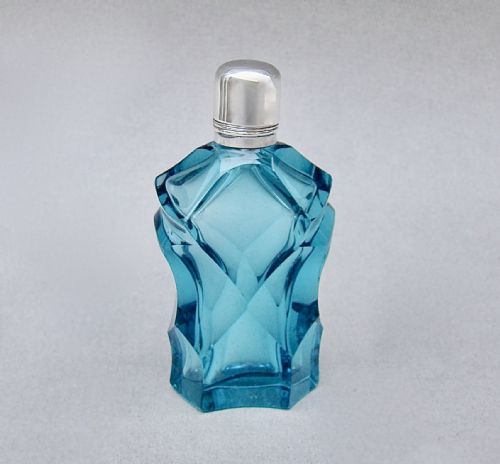
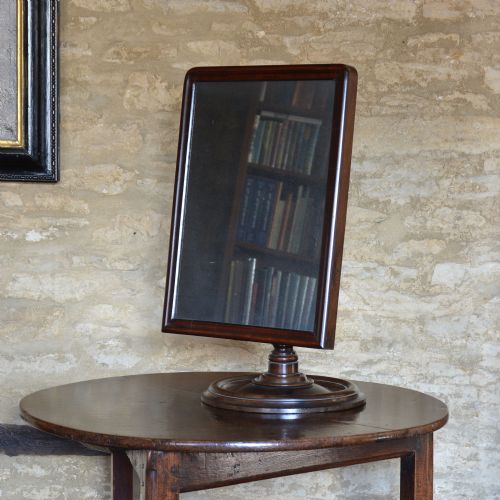
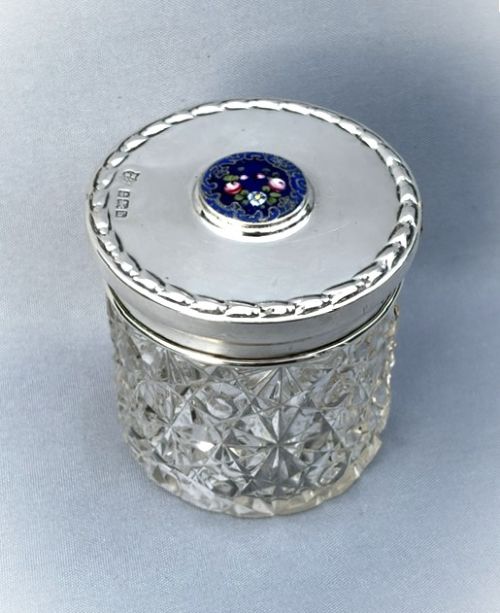
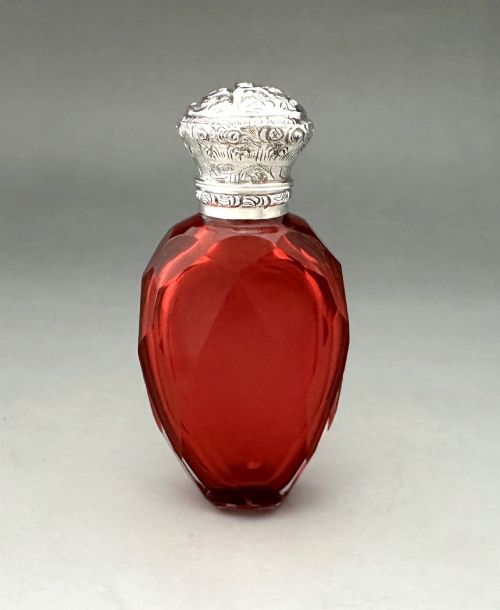
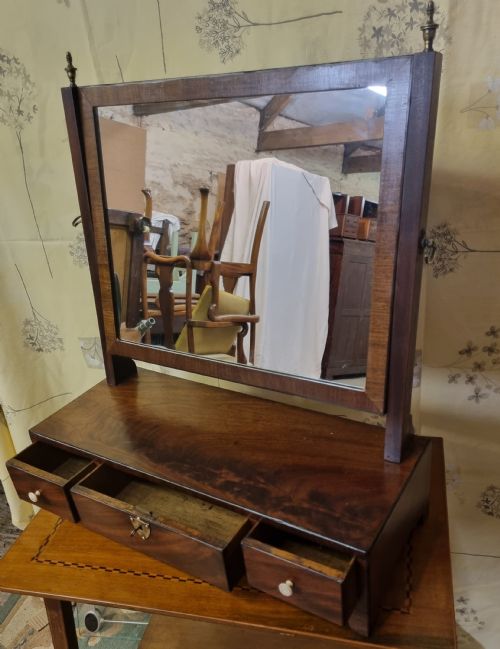
The most common forms met on this page are swing mirrors framed in mahogany and silver-mounted glass scent bottles or jars. These items frequently date from the Victorian, Edwardian, and Georgian eras, reflecting shifts in interior ornamentation.
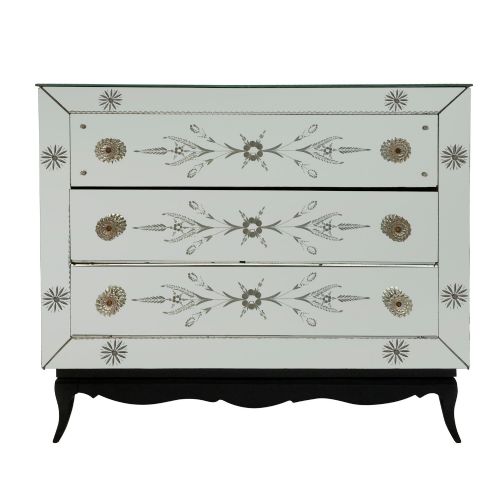
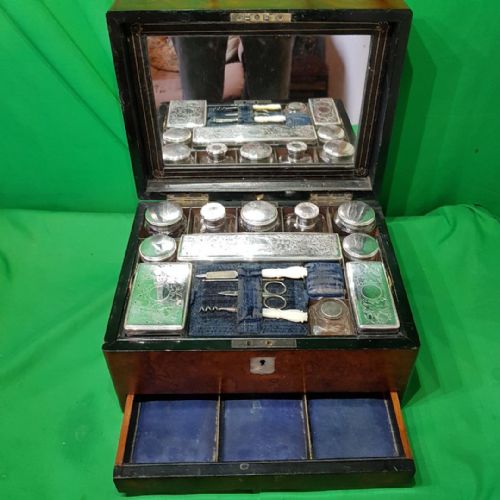
Objects range from small travelling sets with glass flasks to substantial wall mirrors and table mirrors featuring cut glass or bevelled glass plates. Each piece reveals the distinct material tastes of its period of manufacture.
Materials and construction methods
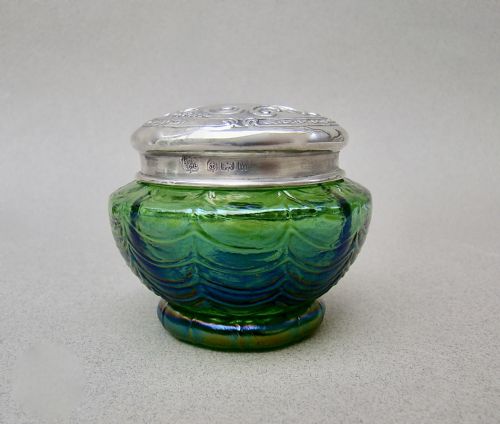
Makers combined glass with structural timbers such as mahogany, walnut, and rosewood for mirrors and boxes. Cut glass, opaline glass, and coloured glass vessels were frequently fitted with sterling silver mounts or brass hardware.
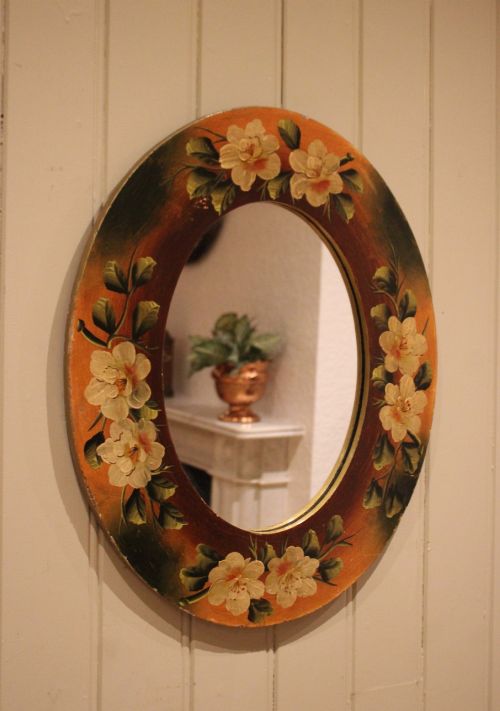
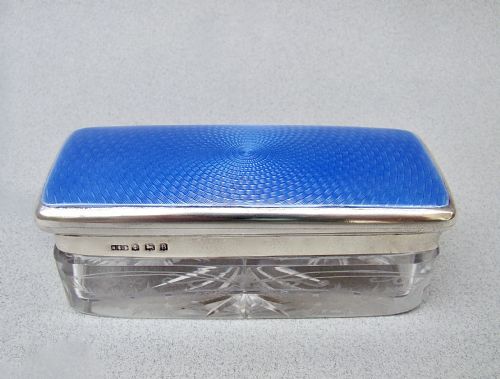
Decorative finishes included hand-painted floral motifs, guilloché enamel, and intricate silver overlay applied directly to the glass surface. Mirror plates were typically bevelled and set into swing frames or wall mounts.
Factors influencing quality
Quality rests upon the crispness of the glass cutting, the weight of the sterling silver mounts, and the integrity of the timber framing. Finer examples display precise facets on cut glass and secure, well-fitted metal lids without distortion.
The sophistication of decorative elements, such as guilloché enamel or silver overlay work, distinguishes superior pieces from standard production. Original mirror plates and intact glass liners further elevate the standing of a piece.
A. J. Pepper & Co·The Boots Company·Henry Clifford Davis·A. Bromet & Co·Heal & Sons·Rene Lalique·Asprey & Co
The Antique Vanity Glass Glossary
- Swing mirror
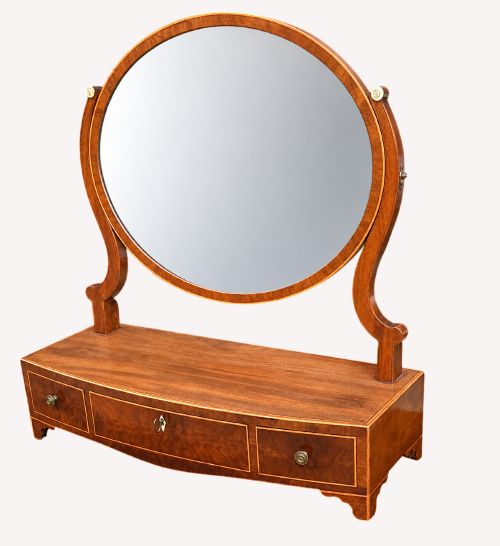
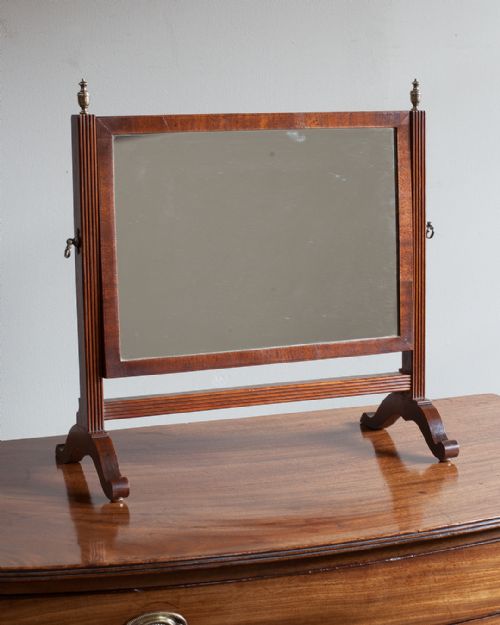
- A dressing table mirror mounted on pivots between upright supports, allowing the glass to tilt. This form was widely produced in mahogany during the Georgian and Regency periods.
- Guilloché enamel
- A decorative technique where a geometric pattern is engraved beneath a translucent layer of coloured enamel. It frequently appears on the lids of Edwardian and Art Deco vanity jars.
- Overlay
- Metalwork applied to the exterior of a glass vessel, often in sterling silver to form floral or geometric designs. This technique was favoured by makers during the Art Nouveau and Edwardian eras.
- Toilet mirror
- An alternative historical term for a small dressing mirror designed to sit upon a chest of drawers or table. These often incorporated small storage compartments or drawers in the base.
- Scent bottle
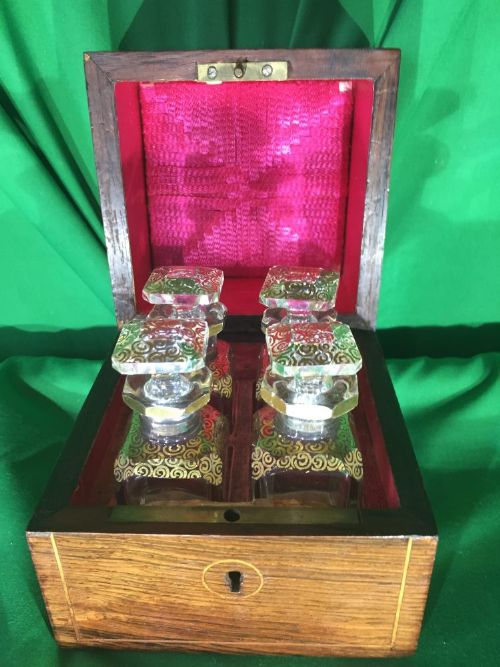
- A small glass vessel intended for perfume, commonly fitted with a screw or hinged metal cap. Examples range from simple faceted glass to overlaid and cased coloured varieties.
Antique Vanity Glass: Frequently Asked Questions
How do I date an antique swing mirror?
Dating relies primarily on the timber used, the construction of the base drawers, and the characteristics of the glass plate. Earlier Georgian examples often feature figured mahogany and hand-bevelled mirror glass set within slender frames.
Later Victorian and Edwardian pieces tend to show heavier proportions and different secondary woods. Examining the backboards and fixings provides further clues regarding the period of manufacture.
Were scent bottles meant for daily use?
Original scent bottles and vanity jars were manufactured for active use on dressing tables or inside travelling cases. Their robust construction using cut glass and solid silver mounts allowed them to withstand regular handling.
Today, collectors both display these vessels and continue to utilise them for perfumes and small trinkets. Their durable materials ensure they remain functional decorative objects.
What is the difference between a toilet mirror and a dressing table mirror?
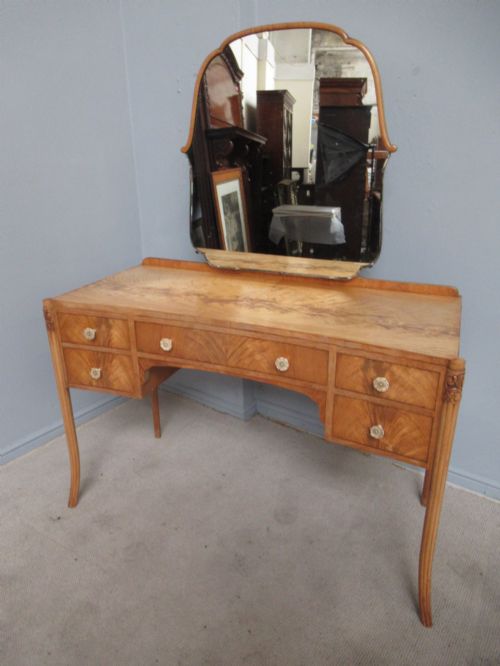
Historically, a toilet mirror referred specifically to a smaller glass mounted on a box or stand designed to sit upon an existing table or chest. A dressing table mirror often formed an integrated part of a larger vanity table.
In practice, both terms describe portable or fixed glass surfaces used for personal grooming. The distinction usually lies in whether the mirror stands independently on its own small base.
How should I clean silver mounts on vanity glass?
Silver mounts require gentle cleaning with a soft microfibre cloth to avoid scratching the adjacent glass or enamel surfaces. Proprietary silver polishes should be used sparingly and kept away from historical glass linings or painted details.
Preventing polish residue from lodging in crevices preserves the definition of engraved patterns. Regular dusting is generally sufficient for pieces kept on display.