





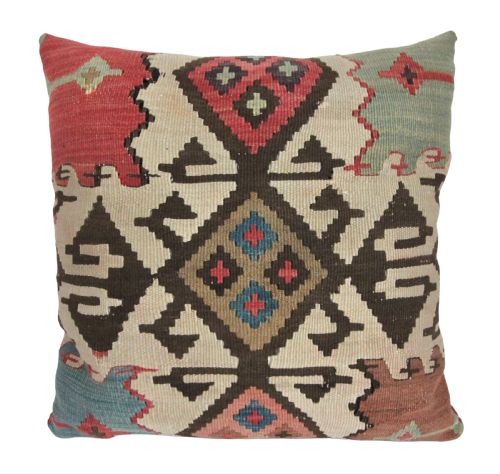
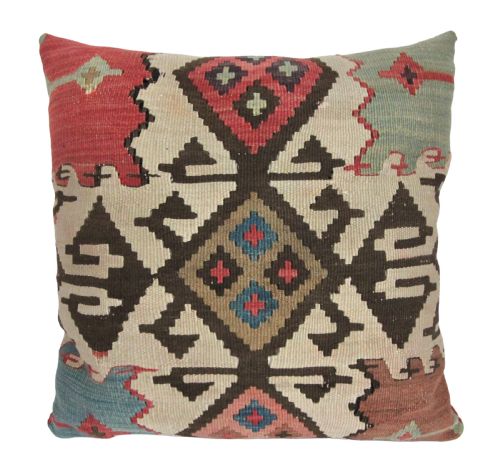

Antique Turkish Cushion
These antique turkish cushion pieces bring tribal texture and patterned warmth to an interior, built from fragments of old weaving.

Antique Turkish Cushion
An antique turkish cushion brings traditional Anatolian weaving into a modern room, usually fashioned from flattened bags or carpet fragments. Buyers searching for an antique turkish cushion look for distinctive tribal patterns and aged textiles that carry the character of nomadic craft.
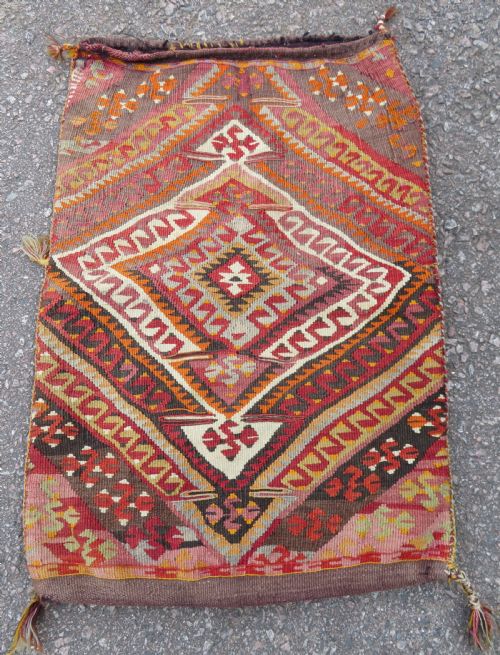
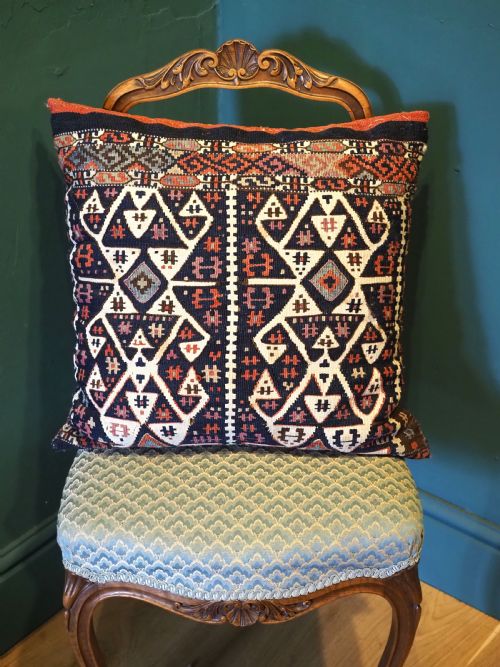
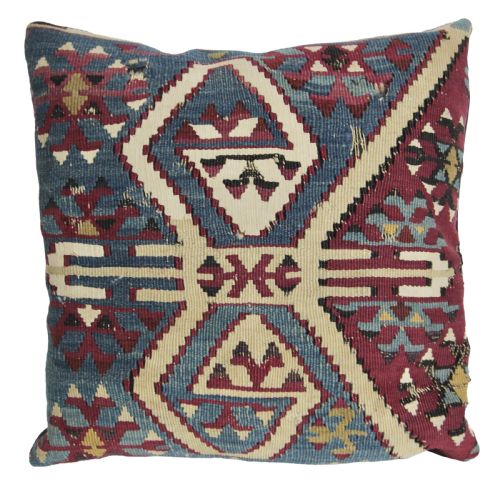
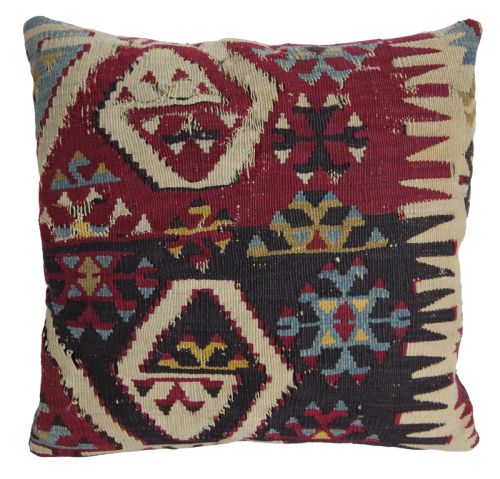
The pieces on this page span the nineteenth and early twentieth centuries, drawing on designs from regions like Malatya and Konya. These items take the form of throw cushions, pillows, and repurposed saddle bags or juvals, translating floor rugs into smaller soft furnishings.
How they were made
Makers constructed these textiles by hand weaving wool and cotton into dense flatweave kilim surfaces. These natural materials provide the robust structure needed for functional items like storage bags and floor coverings.
Tribal and nomadic artisans utilised traditional Anatolian techniques to produce geometric motifs and durable flatweave structures. The resulting cloth was subsequently stitched into cushion forms, preserving centuries-old decorative traditions.
This site's listings show pieces spanning from the early nineteenth century to the early twentieth century, utilising wool and cotton in tribal and traditional Anatolian styles.
What varies in quality
Quality rests in the integrity of the flatweave wool and cotton, alongside the complexity of the tribal design. Tighter weaves and crisper geometric patterns separate finer examples from simpler work.
The condition of the textile surface and the fidelity of the Anatolian traditional motifs dictate the visual strength of each cushion. Well-preserved bag faces and older nineteenth-century examples display greater depth of character.
The Antique Turkish Cushion Glossary
- Kilim
- A flatweave textile produced without a pile, created by tightly interlocking warp and weft threads. This technique defines the surface of most pieces found in this category.
- Yastic
- A traditional Turkish small pillow or cushion, often formed from older weaving fragments. These items reflect domestic furnishings from Anatolian households.
- Juval
- A large storage bag made by nomadic tribes, frequently repurposed into cushions. Their robust wool construction endures long after the original bag function ceases.
- Anatolian
- Pertaining to the region of Asia Minor that constitutes modern Turkey, known for distinct regional weaving styles. This geographical label unites the tribal designs seen across the inventory.
- Saddle bag
- A paired pouch used on animals, whose faces are often cut down and backed into cushions. These panels display concentrated tribal patterns.
Antique Turkish Cushion: Frequently Asked Questions
What is an antique turkish cushion?
An antique turkish cushion is a soft furnishing made from hand-woven wool and cotton textiles originating in Anatolia. Many examples utilise fragments of older kilims, saddle bags, or storage sacks.
These pieces preserve traditional tribal designs from the nineteenth and early twentieth centuries. They function primarily as decorative throw pillows in contemporary living spaces.
How are antique turkish cushions used?
These cushions serve as decorative accents on sofas, chairs, or beds within an interior scheme. Their textured flatweave surfaces introduce pattern and historical character to a room.
Because they originate from durable nomadic textiles, they are suited for everyday domestic use. Care should be taken to protect the aged wool and cotton from excessive friction.
How do I date an antique turkish cushion?
Dating relies on examining the materials, dyes, and structural style of the textile face. Pieces on this page span from the early nineteenth century through to the early twentieth century.
Older examples often exhibit natural wool tones and specific regional Anatolian motifs associated with tribal weaving. Comparing the weave density to dated carpets helps narrow the period.
What are tribal and kilim weaves?
Tribal weaves are geometric patterns produced by nomadic or village groups in regions like Anatolia. Each design tradition carries symbolic motifs unique to specific maker communities.
Kilim construction involves a flatweave technique rather than knotted pile. This method creates a firm, durable textile face that translates well into cushions and small pillows.