


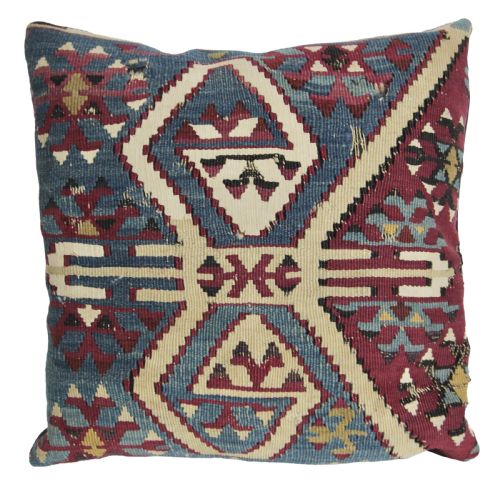


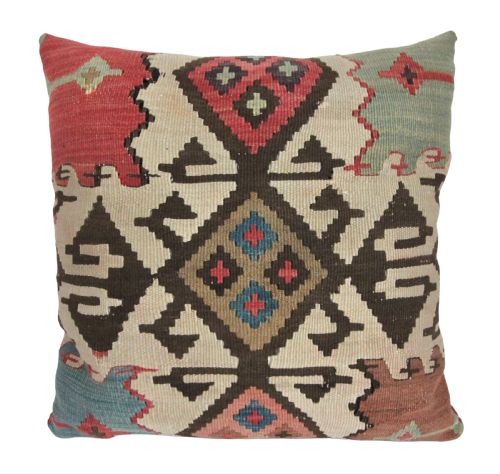


Traditional Flatweave Kilim Cushion
These traditional flatweave kilim cushions bring genuine tribal warmth and historical texture into a room, offering durability alongside rich colour.
Traditional Flatweave Kilim Cushion
When you search for traditional flatweave kilim cushion examples, you encounter textiles created from older woven pieces such as bag faces and saddle bags. These items transform utilitarian nomadic weaving into functional home furnishings.
The selection on this page centres on wool and cotton compositions derived from tribal workshops and nomadic groups. Pieces span the mid-nineteenth century through to the early twentieth century, showing distinct Anatolian and Persian origins.
You meet straightforward kilim cushion formats alongside repurposed tribal bag face cushions and north-west Persian saddle bags. Each object preserves the geometric motifs and flat-woven structure characteristic of its original region.
How they were made
These textiles rely on hand-woven wool and cotton structures built without a pile. Artisans interlocked the weft yarns tightly across the warp threads to create crisp geometric patterns and flat surfaces.
Weavers utilised natural dyes to colour the wool before construction, resulting in rich hues that mellow gracefully with age. Nomad makers produced these durable flatweaves as functional items for daily camp life and transport.
Listings feature items dated across the years 1850, 1870, 1900, and 1920.
What varies in quality
Quality rests upon the tightness of the weave and the precision of the geometric design. Tighter interlacing yields greater structural integrity and sharper pattern definition.
The depth and preservation of the natural dyes distinguish superior examples. Age adds character, but firm edges and intact foundational wool denote better overall preservation.
The Traditional Flatweave Kilim Cushion Glossary
- Flatweave
- A textile constructed by interlacing warp and weft threads without creating a raised pile. This technique produces a thin, durable fabric suited to cushions.
- Kilim
- A tapestry-woven carpet or textile originating from regions including Anatolia and Persia. These pieces feature characteristic geometric patterns formed by slit-weave techniques.
- Bag face
- The decorative front section of a nomadic storage bag. These panels are frequently repurposed into cushions while retaining their original tribal motifs.
- Warp
- The vertical threads held in tension on a loom before weaving begins. The weft is passed across these foundational yarns.
Traditional Flatweave Kilim Cushion: Frequently Asked Questions
How do I clean an antique kilim cushion?
Gentle surface vacuuming using a low suction setting helps remove dust without damaging the flat-woven wool.
Professional specialist cleaning is recommended for any deeper stains to protect the historical fibres and natural dyes.
Are these cushions made from authentic old textiles?
The pieces utilise genuine older materials originating from nineteenth and early twentieth-century tribal weaving traditions.
Many incorporate authentic elements like bag faces and saddle bags repurposed from Anatolian and Persian regions.
How do I date an old kilim cushion?
Dating relies on assessing the types of natural wool, the specific weaving style, and regional tribal motifs.
Evidence from the materials points towards production eras spanning the mid-nineteenth century up to the early twentieth century.
Where should I place a tribal cushion in my home?
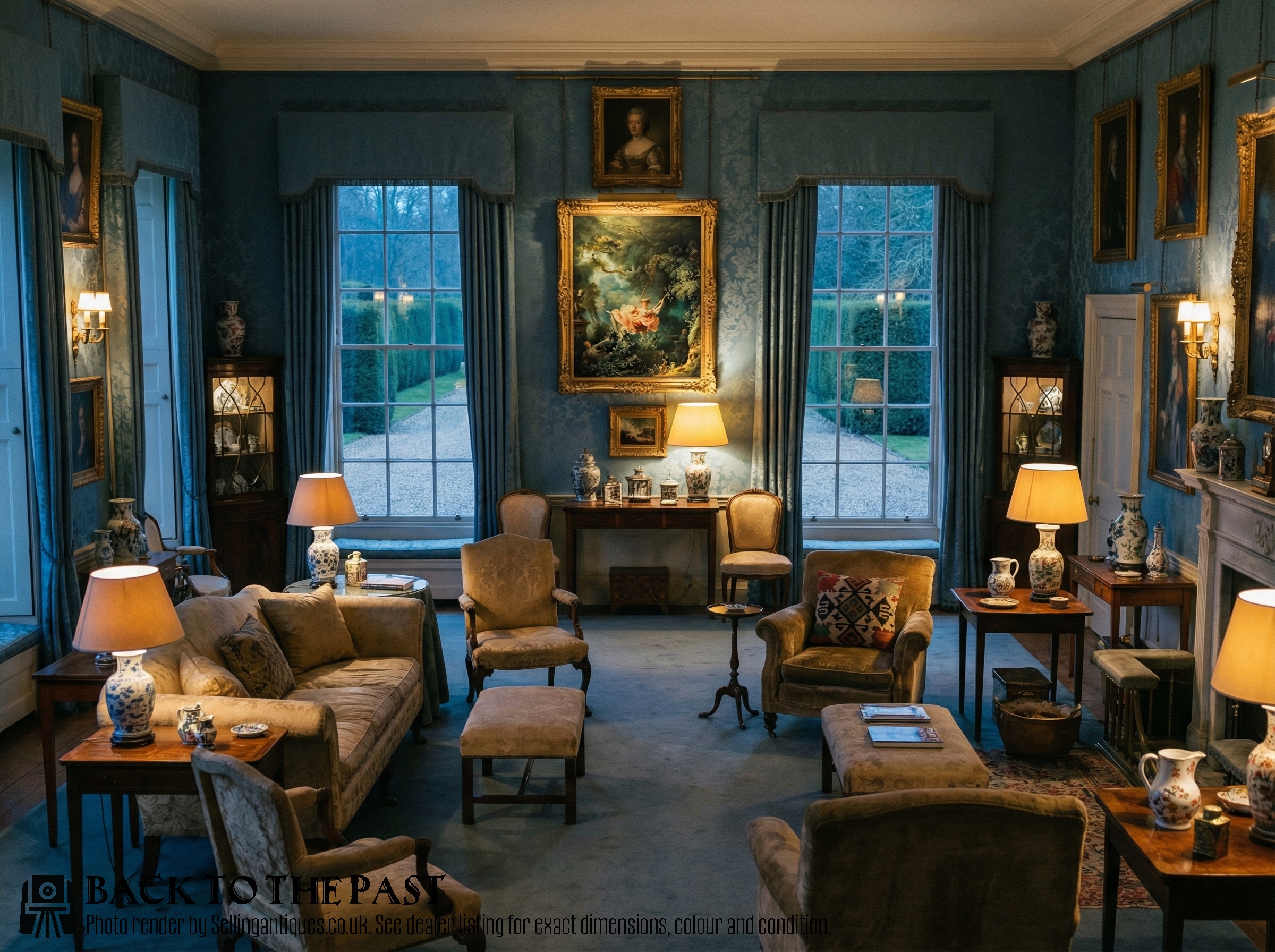
These cushions work well on neutral sofas or armchairs where their geometric designs can provide a focal point.
Their robust wool and cotton construction suits everyday living spaces while adding historical texture to an interior.