







Tribal Wool Scatter Cushion
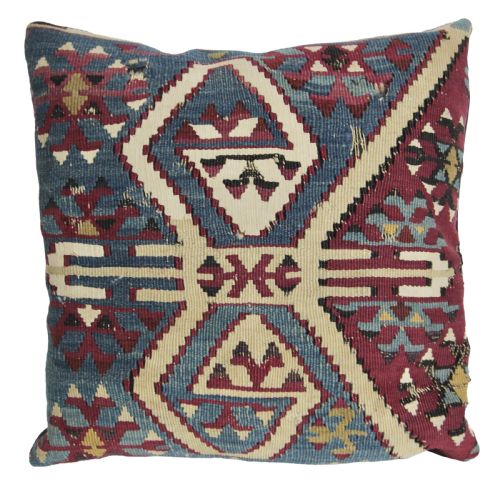
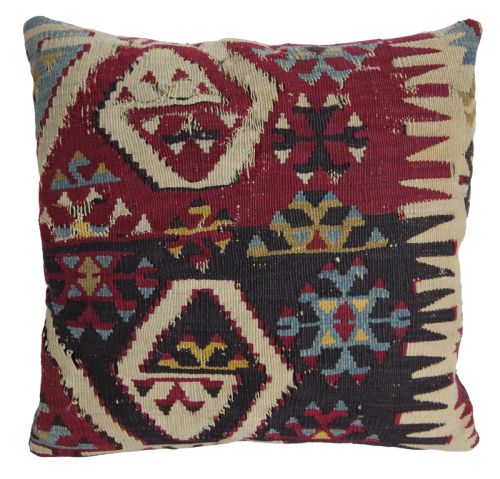
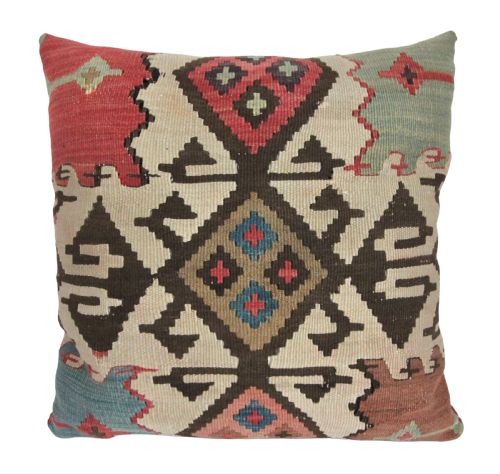
These tribal wool scatter cushion examples bring warmth and texture into a room, fashioned from genuine nineteenth and early twentieth-century textiles.

Tribal Wool Scatter Cushion
A tribal wool scatter cushion transforms historic nomadic weaving into functional home furnishings. These pieces utilise antique kilim fragments, bag faces, and rug remnants to create tactile accessories.
Buyers meet examples spanning from the mid-nineteenth century up to the nineteen-twenties. The selection centres heavily on antique kilim cushions alongside distinctive Baluch rug cushions and tribal bag faces.
How they were made
Maker communities constructed these textiles using hand-woven wool and cotton foundations. Artisans employed flat-weave kilim techniques and pile-woven rug structures to produce durable, patterned surfaces.
The original flat-weaves and bag faces were later repurposed into cushions. Skilled hands stitched these historic wool fragments together to form contemporary scatter cushions.
The selection includes specific nineteenth-century bag faces alongside early twentieth-century Baluch rug cushions.
What varies in quality
Quality rests upon the integrity of the original wool textile and the precision of the hand-weaving. Finer pieces display tighter knotting, richer dye saturation, and better-preserved tribal motifs.
The condition of the vintage fabric dictates the character of each cushion. Superior examples maintain strong wool piles and intact geometric patterns without excessive modern restoration.
The Tribal Wool Scatter Cushion Glossary
- Kilim
- A flat-woven carpet or rug produced in countries of the former Ottoman Empire, Persia and Central Asia. These textiles form the primary source material for many scatter cushions.
- Bag face
- The decorative front portion of a nomadic storage bag, woven in wool by tribal makers. These panels feature distinct tribal iconography and make highly textural cushions.
- Baluch
- A style associated with nomadic groups originating from the borderlands of Iran, Afghanistan and Pakistan. Their rugs and cushions typically showcase deep, dark tones and geometric patterns.
- Flat-weave
- A textile construction method where weft yarns are tightly packed over warp threads to create a smooth surface without pile. This technique defines traditional kilims.
Tribal Wool Scatter Cushion: Frequently Asked Questions
What is a kilim cushion?
A kilim cushion is created by repurposing sections of flat-woven tribal rugs into home furnishings.
These pieces preserve historic wool textiles, allowing antique nomadic patterns to be used on sofas and chairs.
How old are these cushions?
The materials used for these cushions generally date from the mid-nineteenth century through the early twentieth century.
Specific periods represented in the weaving range from eighteen-fifty to nineteen-twenty.
Are these cushions hand-woven?
The original textile components of these cushions are entirely hand-woven by tribal and nomadic artisans.
Traditional techniques such as flat-weaving and hand-knotting created the durable wool surfaces seen today.
How do I care for wool cushions?
These historic wool cushions require gentle maintenance to preserve the antique fibres and natural dyes.
Professional specialist cleaning is recommended to maintain the condition of the vintage wool and cotton.