
Antique Toilet Box
These antique toilet box examples are fitted wooden cases and metal novelty pieces designed for personal grooming, offering tactile historical craft for the modern dresser.
What an antique toilet box is
An antique toilet box encompasses portable grooming chests, vanity cases, and fitted dressing boxes that house personal care items. These objects serve as repositories for bottles, brushes, and cosmetics during travel or domestic use.
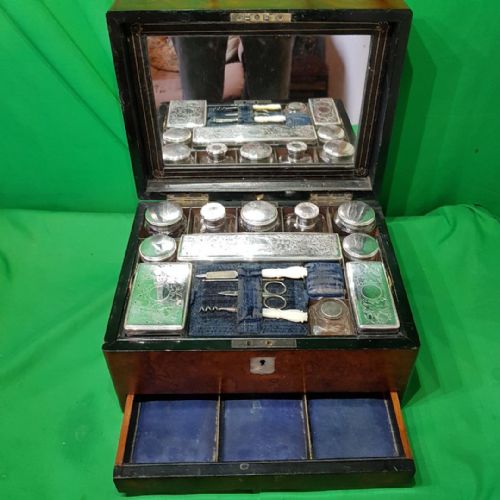
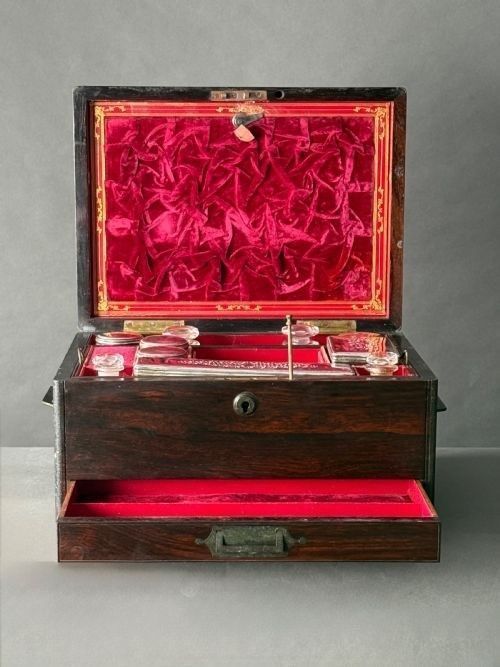
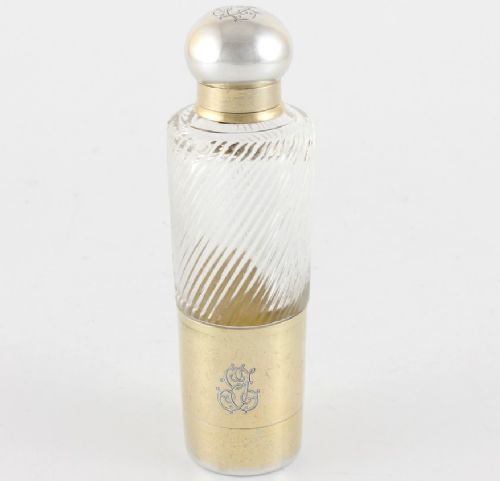
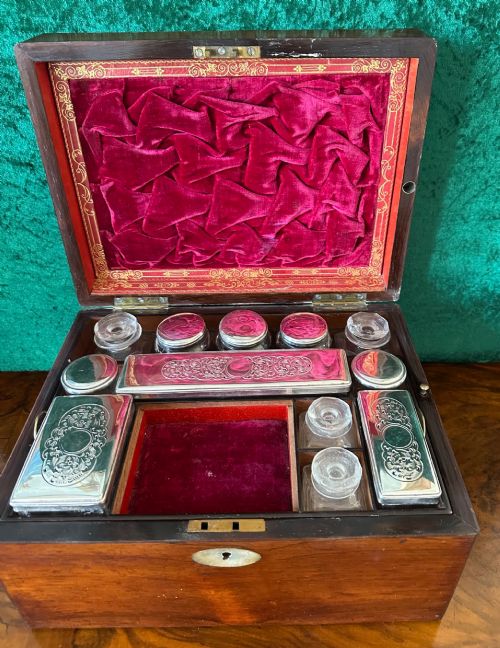
The versions most commonly met on this page include Victorian and Edwardian coromandel, walnut, and rosewood boxes alongside 19th-century brass novelty vesta pieces. Makers such as Parkins & Gotto supplied elaborate fitted cases featuring silver and glass appointments.
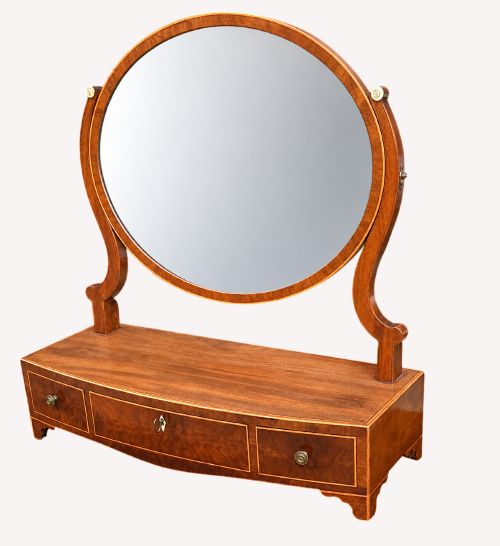
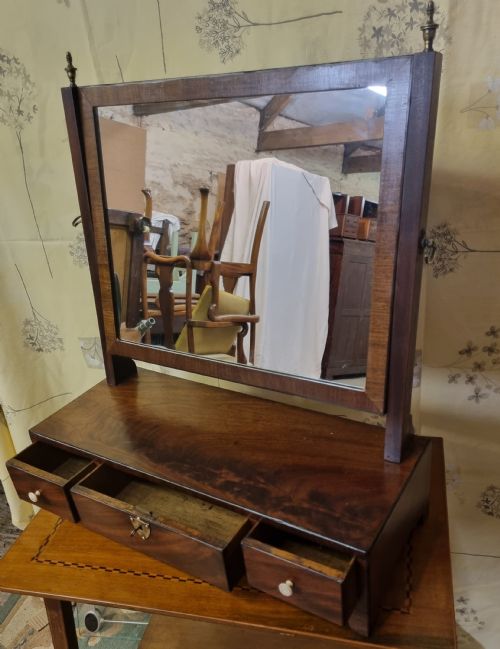
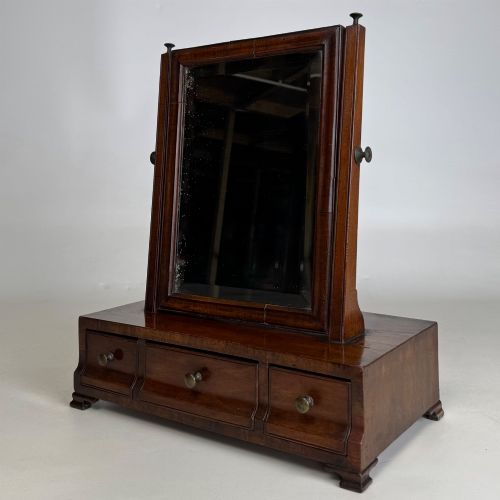
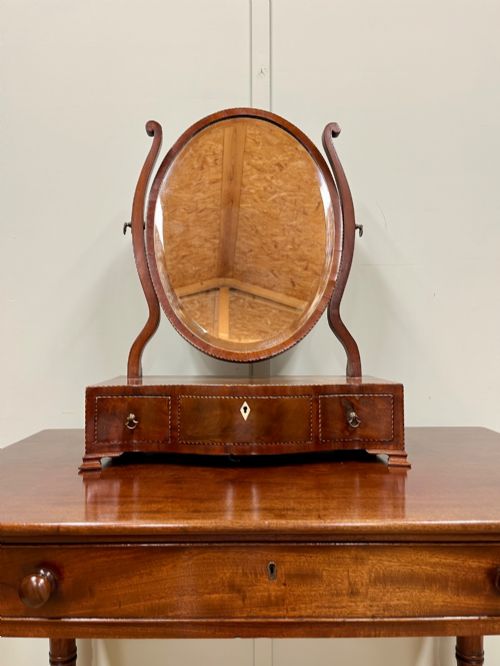
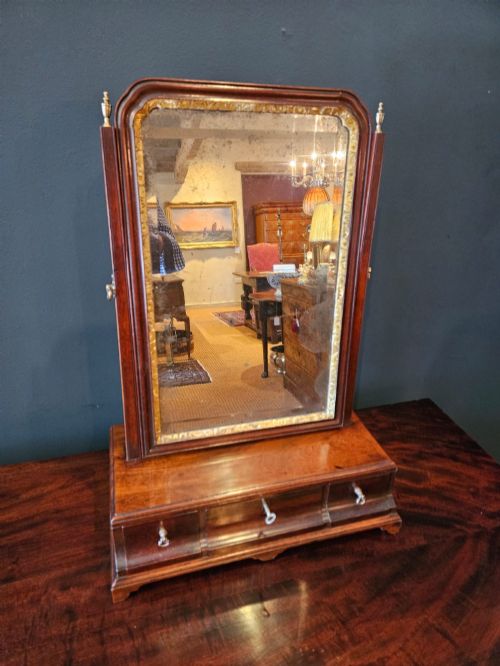
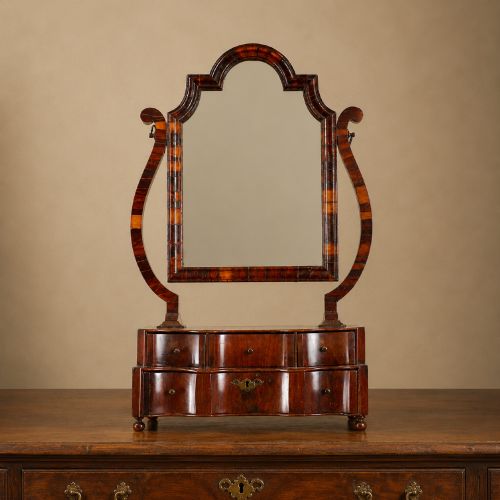
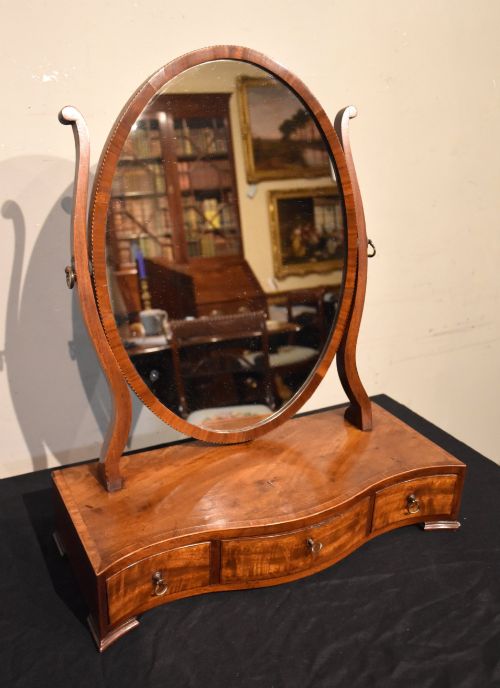
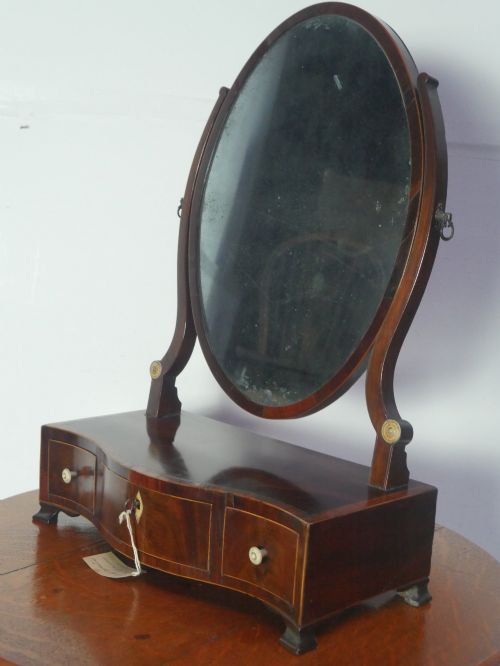
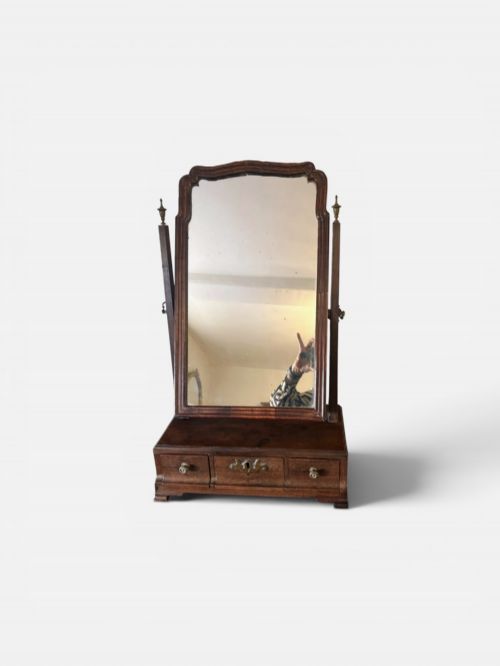
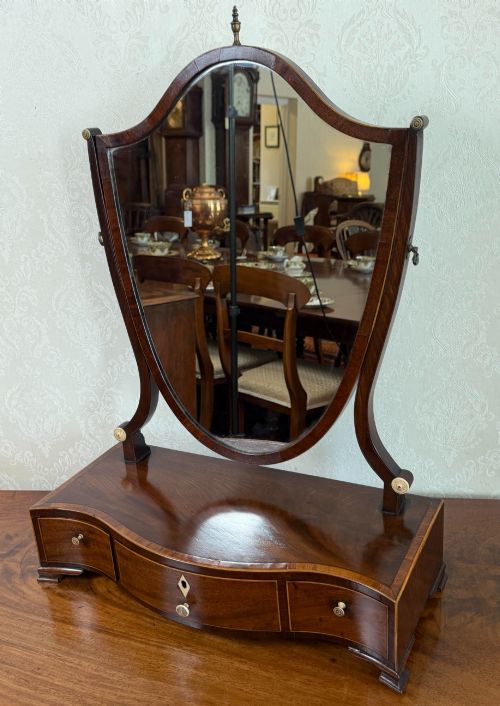
Earlier Georgian and Victorian examples also appear as swing toilet mirrors incorporating jewellery compartments. Buyers encounter a mix of wood-veneered boxes from the 1870s and 1880s alongside portable travelling cases.
How they were made
Cabinetmakers constructed these boxes using dense exotic hardwoods such as coromandel, figured walnut, and rosewood over solid framing timbers. Surfaces frequently display intricate grain patterns enhanced by mother-of-pearl inlay and secure brass hardware.
Interiors utilise velvet linings to cradle glass jars and silver-lidded containers snugly within fitted wooden compartments. Working locks and keys provide physical security for personal valuables stored inside.
Retail Price Guide 2026
Typical UK retail prices for toilet box, calculated from the Sellingantiques database of over a million retail prices indexed since 2003. This retail price guide relies exclusively on Sellingantiques data; no external sources or auction records are used, so the figures do not describe the wider market.
Some Victorian gentlemen trusted their vanity cases so thoroughly they took them on horse-drawn travels across the empire.
What varies in quality
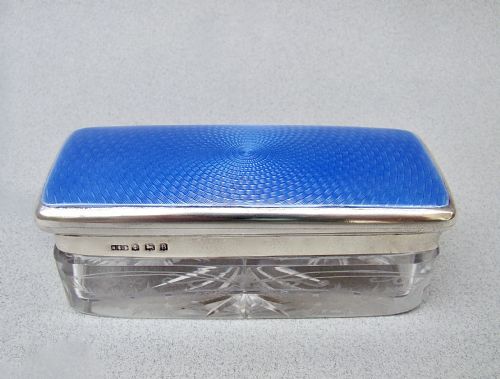
The refinement of internal fittings distinguishes high-end dressing cases from simpler vanity boxes. Matching sets of hallmarked silver tops and cut glass bottles indicate a commission from a premier retailer like Parkins & Gotto.
The choice of exotic timber carcass, such as highly figured coromandel or burr walnut, elevates the visual presence of a box. Superior execution shows in precise brass stringing, tight joints, and original working keys that operate smoothly.
Parkins and Gotto
The Antique Toilet Box Glossary
- Coromandel wood
- A heavy, dense timber from Southeast Asia featuring dark brown colouring with dramatic black stripes. It was prized by 19th-century cabinetmakers for luxury boxes.
- Vesta box
- A small pocket container specifically designed to hold safety matches or wax matches. Victorian novelty versions took whimsical forms related to toilet and grooming gear.
- Figured walnut
- Timber cut from walnut trees that displays swirling grain patterns like burr or feather figures. This material was heavily utilised for high-status Victorian dressing cases.
- Dressing box
- A portable wooden chest fitted with compartments for toiletries, cosmetics, and grooming implements. They often include secret drawers and removable trays.
Frequently Asked Questions
What is an antique toilet box?
An antique toilet box is a portable chest or case designed to hold personal grooming items, cosmetics, and jewellery. The term historically refers to dressing boxes and vanity cases rather than modern sanitary facilities.
These pieces range from timber boxes lined with velvet to small brass novelty items. They reflect the personal care habits of the Victorian and Edwardian eras.
How were these boxes used?
Owners used them to store items needed for daily hair care, washing, and dressing. Fitted interiors kept glass bottles and brushes secure during travel.
Many boxes doubled as storage for letters and personal documents alongside vanity accessories. They sat on dressing tables or travelled inside carriages.
How do I date a dressing box?
Dating relies on timber choices, hardware styles, and maker marks. Coromandel and figured walnut were particularly popular during the Victorian period.
Labels or stamps inside the box can identify retailers like Parkins & Gotto. Working locks and specific hinge styles also offer chronological clues.
Are keys usually included?
Some surviving boxes retain their original working keys. Locks are frequently brass mortise mechanisms inset into the timber rim.
Finding a box with a functional key adds to its operational completeness. Many historical boxes survived without their keys due to decades of use.
What materials were used inside?
Interiors feature velvet or silk linings designed to cushion glass jars and silver containers. Removable trays expose secondary storage tiers underneath.
Fittings typically include cut glass bottles with matched silver lids. Some compartments hold razors, brushes, and small manicure tools.