

Antique Timepiece Mantel Clock
An antique timepiece mantel clock brings mechanical precision and decorative presence to a room, ranging from mahogany architectural cases to brass carriage designs.
Antique Timepiece Mantel Clock
The search for an antique timepiece mantel clock leads to freestanding domestic timekeepers produced across the nineteenth and twentieth centuries. These objects sit upon fireplace shelves, desks and brackets, serving both a utilitarian purpose and a decorative function within domestic interiors.
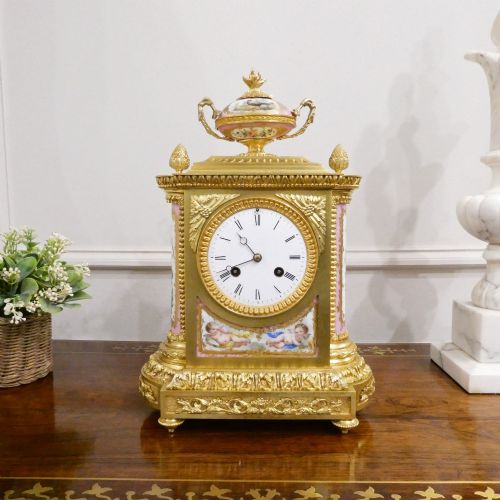
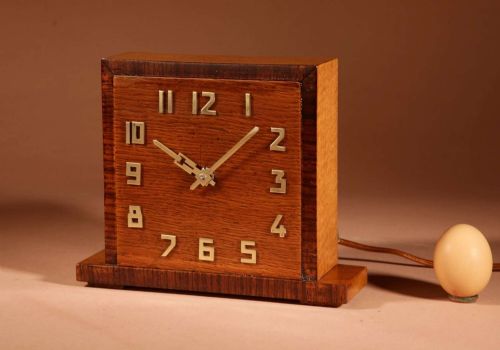
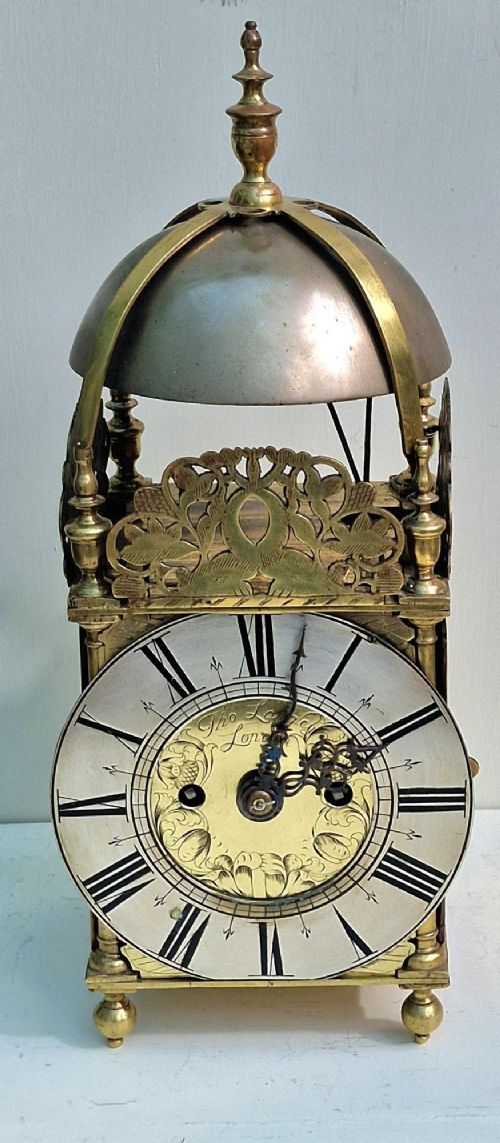
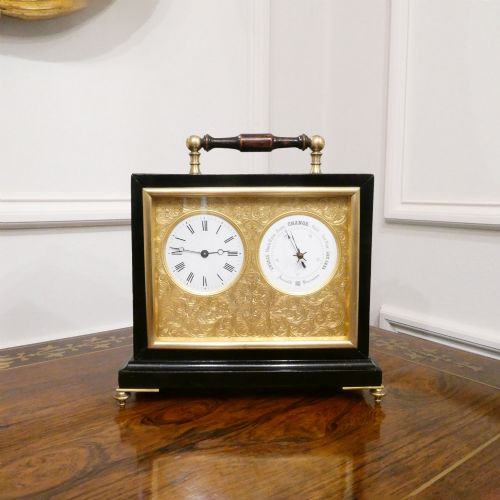
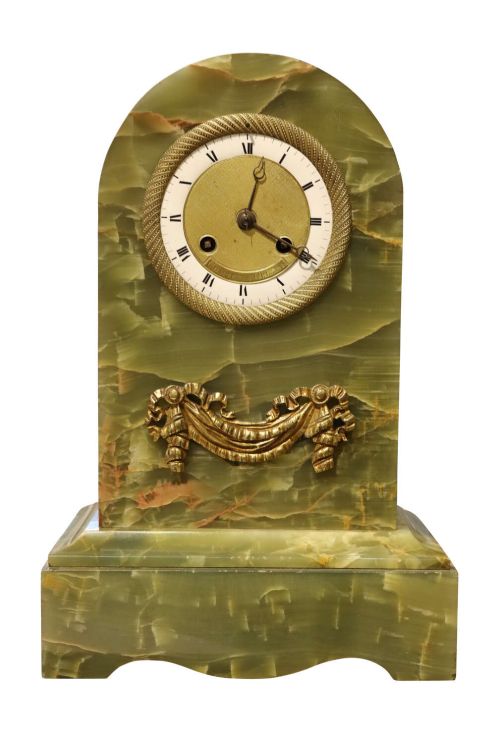
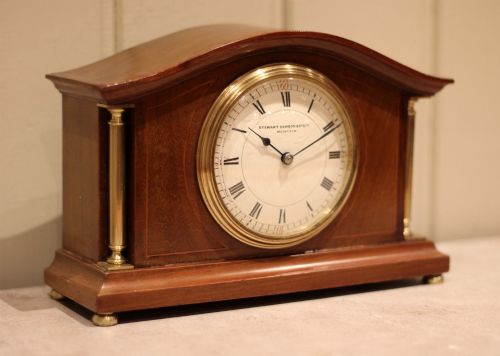
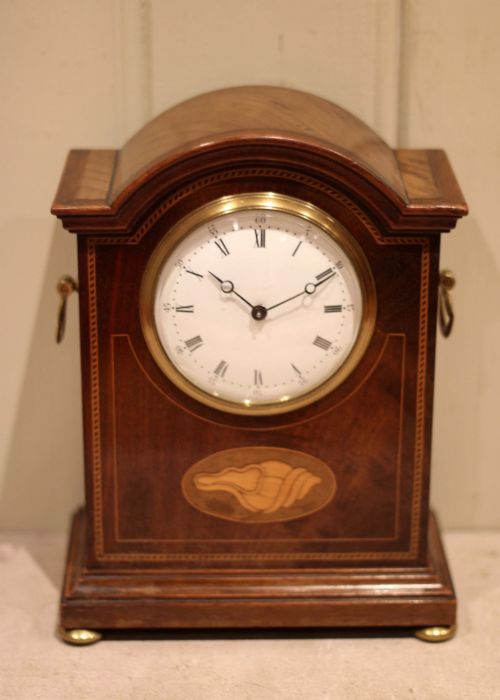
Examples on this page span diverse stylistic movements including Victorian, Edwardian and Art Deco. Forms range from traditional wooden architectural cases and brass carriage designs to specialist electrical movements housed in oak and rosewood.
Origins vary from English workshops to French makers and Viennese studios. Buyers encounter diverse regional interpretations, from inlaid mahogany to patinated brass and marble constructions.
How They Were Made
Construction relies upon traditional cabinet timbers such as mahogany, oak and rosewood, often paired with metalwork elements like brass, ormolu, silver, bronze and pewter. Movement housings frequently incorporate glass panels and enamel dials to reveal or protect the internal mechanics.
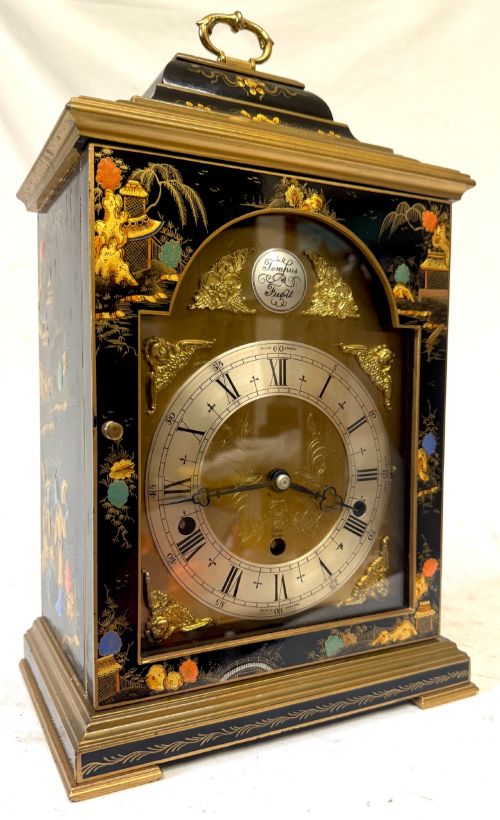
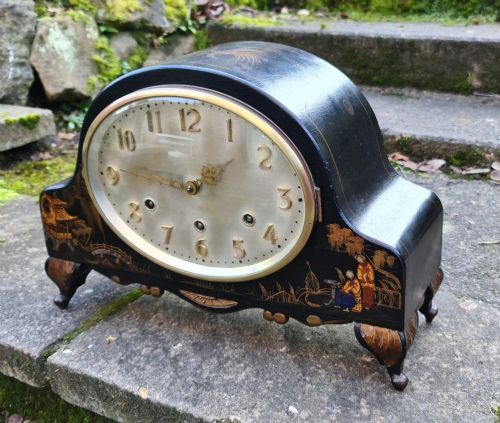
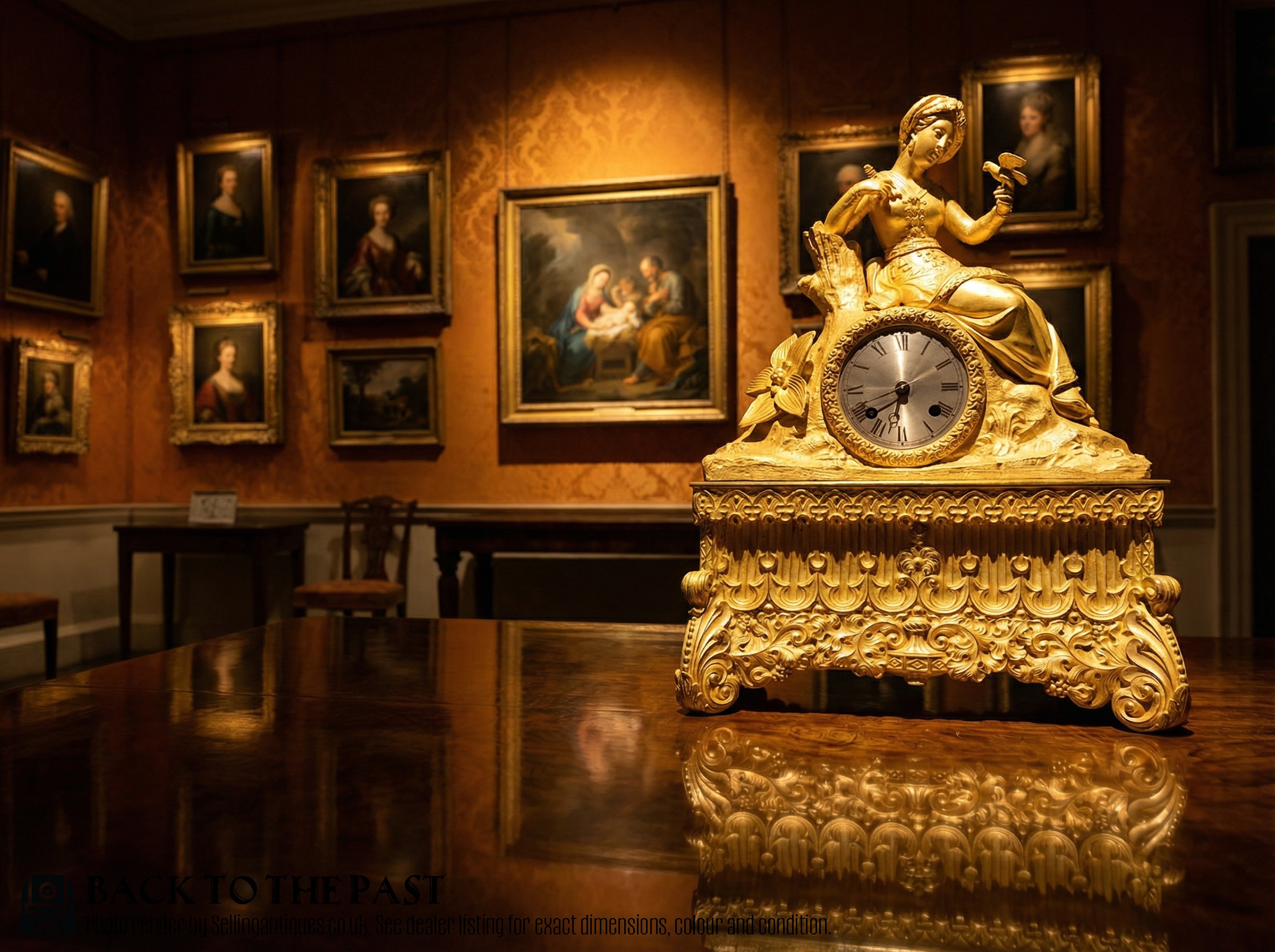
Cabinetmakers utilised marquetry, inlay and lacquer work to decorate wooden surfaces, while metalworkers cast ormolu, hammered brass and worked patinated finishes. Early electrical and mechanical movements integrate specialised metal components within these decorative enclosures.
Certain early twentieth century pieces disguise themselves as electrical novelties alongside love birds and opal glass.
What Varies in Quality
Quality rests upon the refinement of the movement and the execution of the exterior case. Fine examples demonstrate precise mechanical engineering, whether driven by traditional weights and springs or early electrical systems.
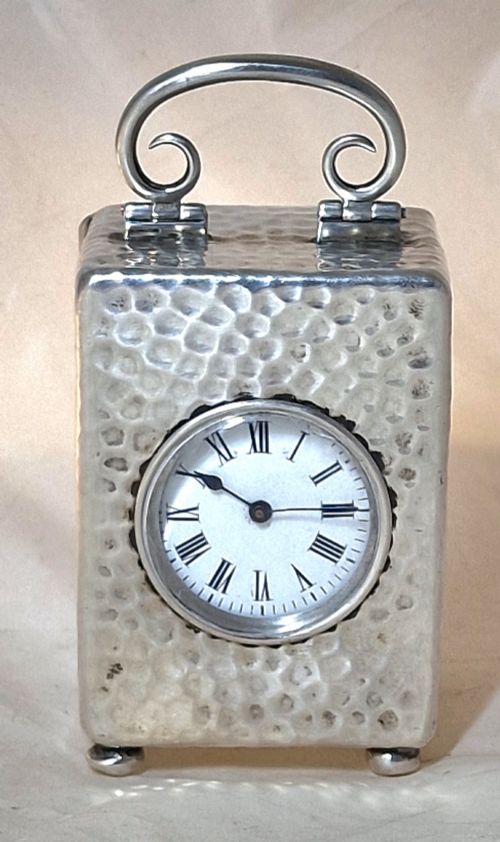
Materials dictate much of the distinction between standard and superior pieces. Hand-hammered metalwork, detailed porcelain panels, finely cast ormolu mounts and carefully selected timber veneers elevate the visual and tactile presence of the clock.
Henri Jacot·Thomas Langley·William Gard·Charles à Orléans·R Varnier·Walker and Hall·R Lalique·Archibald Knox for Liberty and Co·Georg Adam Scheid·Jaz·Smiths Clockmakers·Mauthe
The Antique Timepiece Mantel Clock Glossary
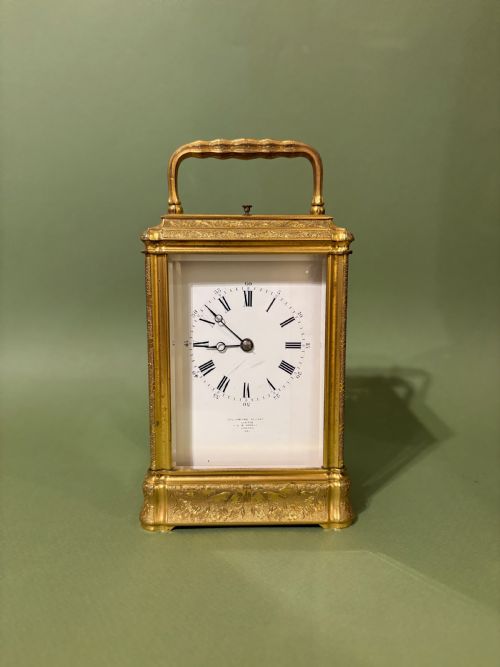
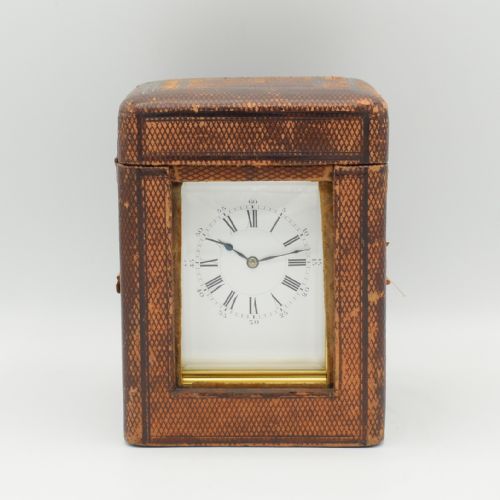
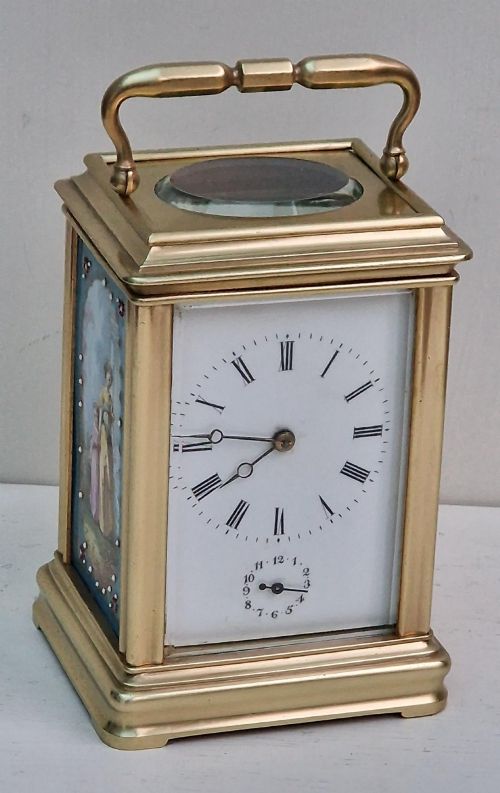
- Carriage clock
- A small portable timepiece originally designed for travel, featuring a glass-panelled brass case and a folding handle.
- Ormolu
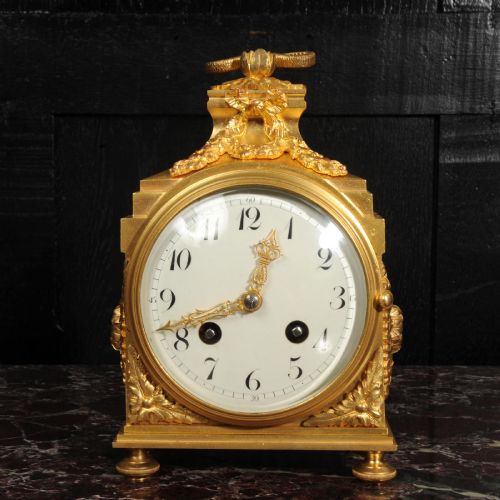
- Gilded bronze mounted onto decorative objects and clock cases to provide a rich golden surface finish.
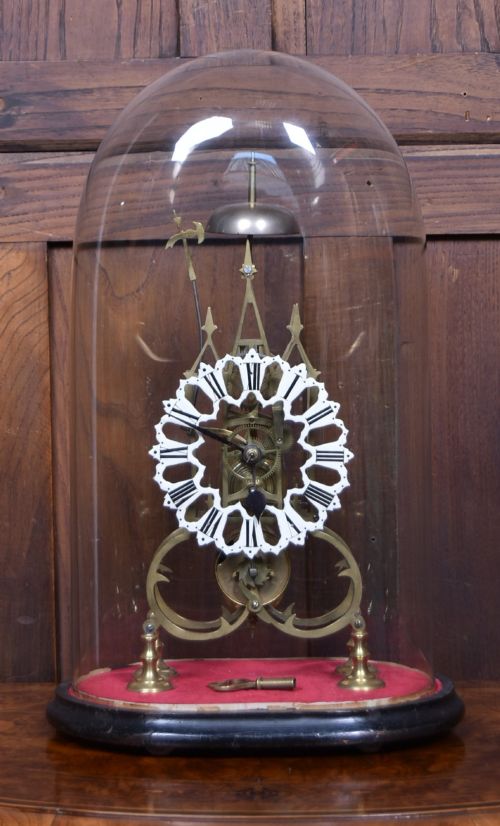
- Skeleton clock
- A timepiece designed with an open framework that exposes the brass gears and escapement to view.
- Enamel dial
- A clock face created by fusing powdered glass to a metal substrate at high temperature, producing a smooth white surface for painted numerals.
- Portico desk clock
- A small architectural timepiece styled after classical temple structures, often incorporating precious metals and stones.
Antique Timepiece Mantel Clock: Frequently Asked Questions
How do I wind an antique mantel clock?
Most mechanical clocks use a key inserted into the dial to tension the spring or lift the weights.
Care must be taken not to overwind the mechanism, stopping as soon as resistance is felt.
Where should I place a mantel clock?
These clocks suit stable, level surfaces away from direct sunlight and damp conditions.
A mantelpiece or a sturdy desk provides a suitable setting for viewing the dial and hearing the beat.
How do I distinguish Art Deco clocks?
Art Deco pieces utilise geometric forms, streamlined bakelite cases, chrome elements and exotic veneers.
They reflect modernist design trends popular during the interwar period.
Are carriage clocks meant for travel?
Historical carriage clocks were constructed with travel cases for portability by coach or rail.
Today they function as desk or shelf timepieces rather than practical travelling items.