



Nineteenth Century Ormolu Clock
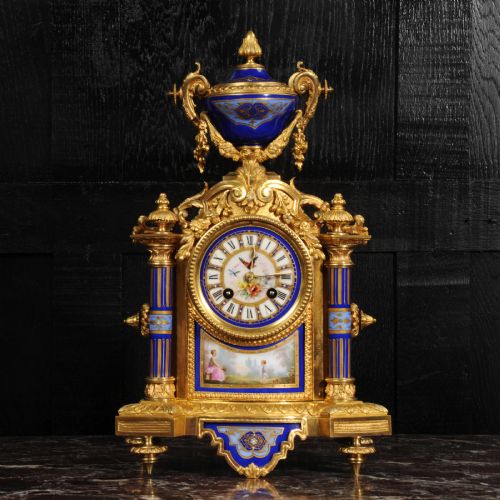
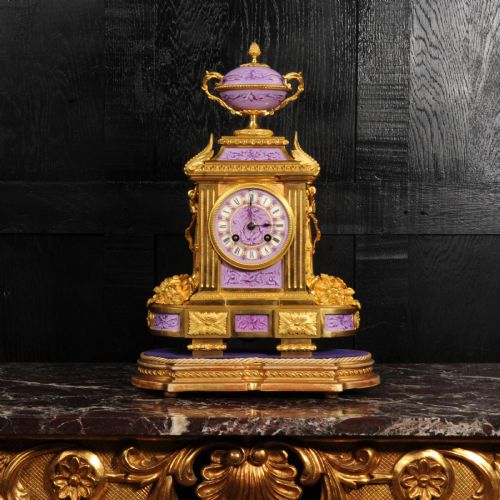
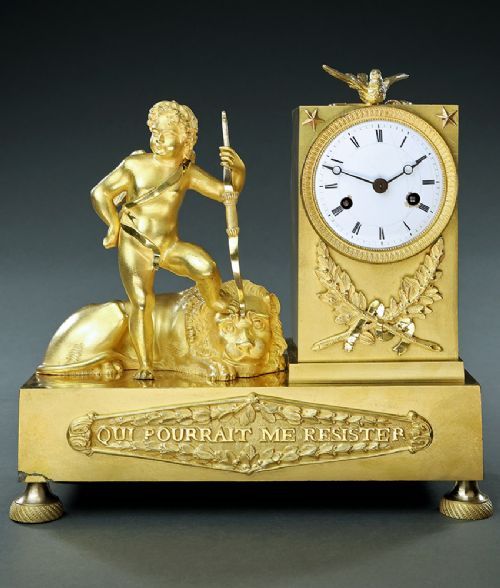
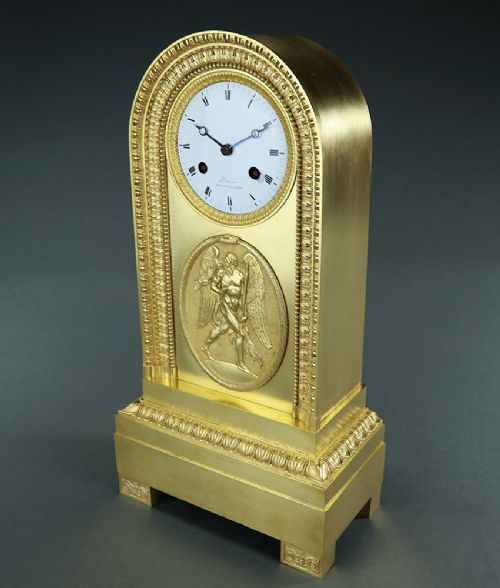
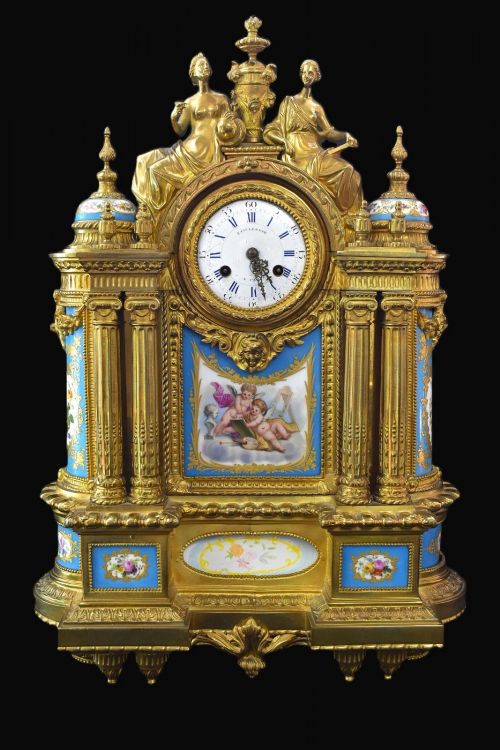
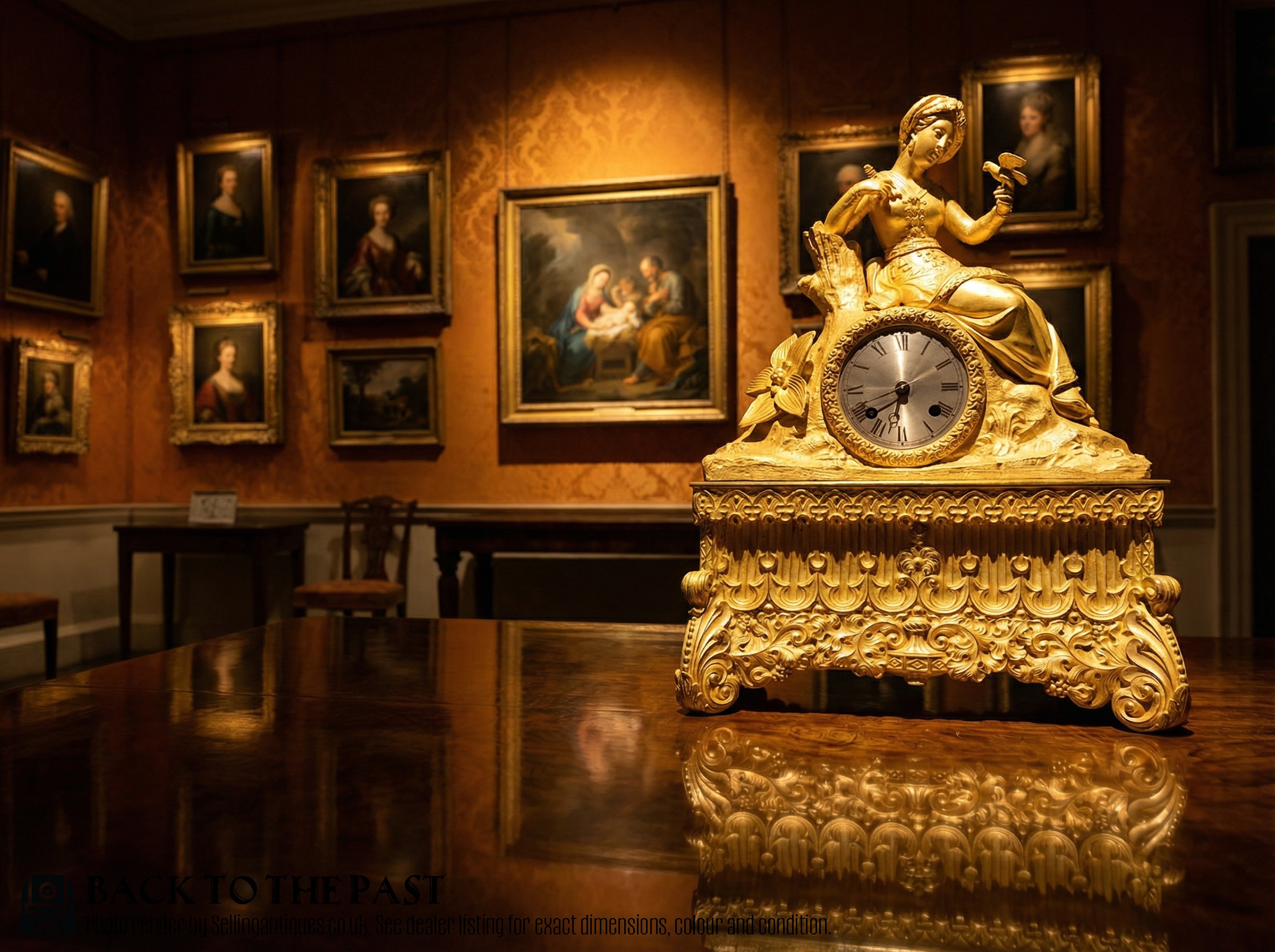
A nineteenth century ormolu clock brings French neoclassical weight and gilt brilliance to a mantelpiece, combining gilt bronze with enamel and porcelain.
Nineteenth Century Ormolu Clock
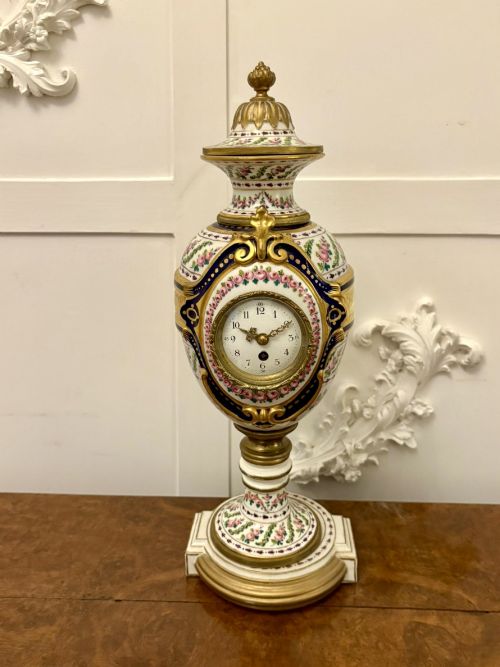
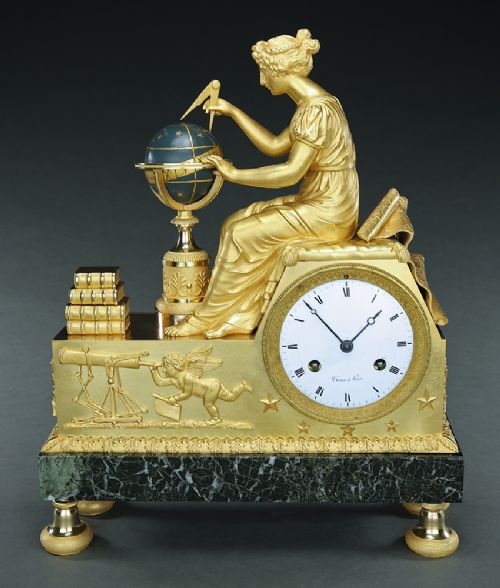
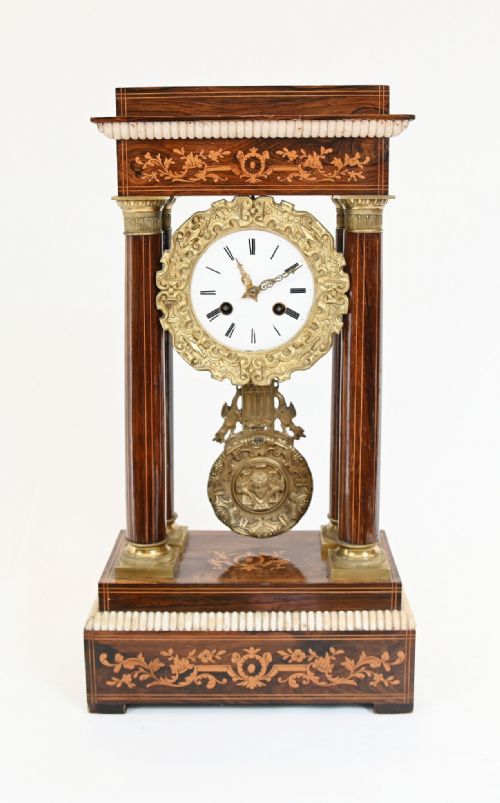
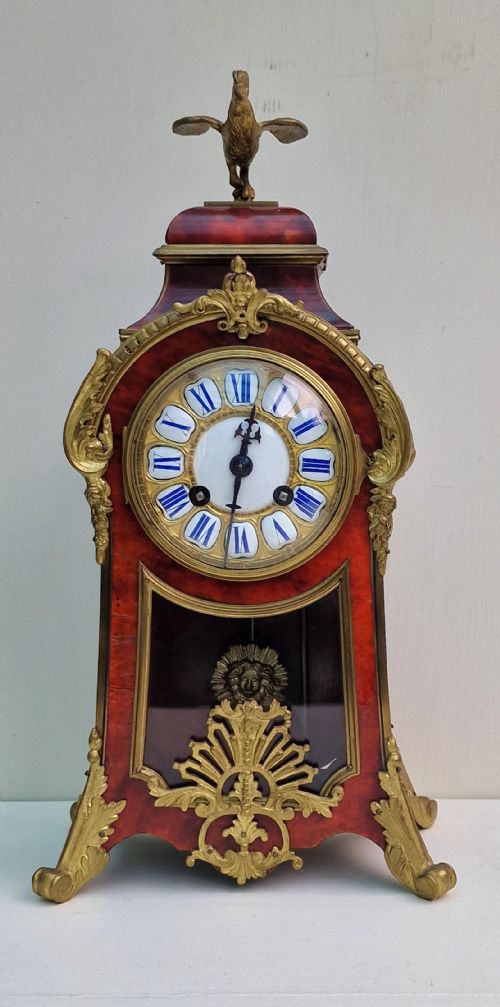
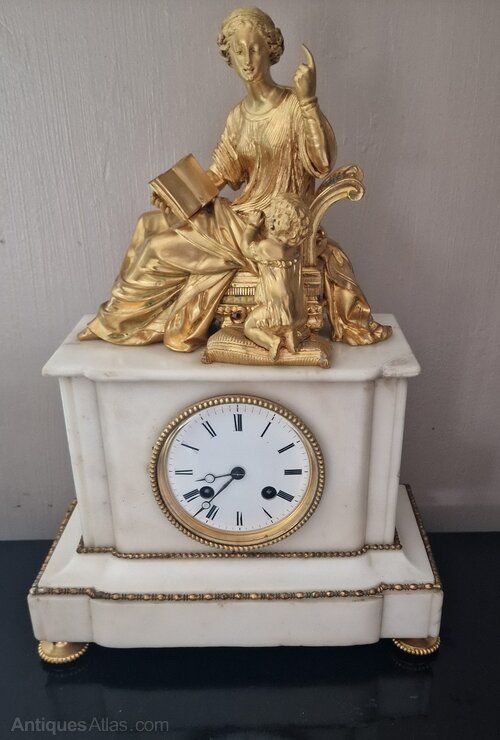
When you search for a nineteenth century ormolu clock, you encounter heavy mantel clocks, portico clocks, and clock garnitures originating predominantly from French workshops. The forms span French Empire, Napoleon III, and Louis XVI revival styles, frequently incorporating porcelain panels and marble bases.
Mantel clocks and larger clock sets dominate the selection, often accompanied by urn-shaped side pieces or candelabra. These objects reflect the decorative tastes of the Victorian period and earlier continental design movements.
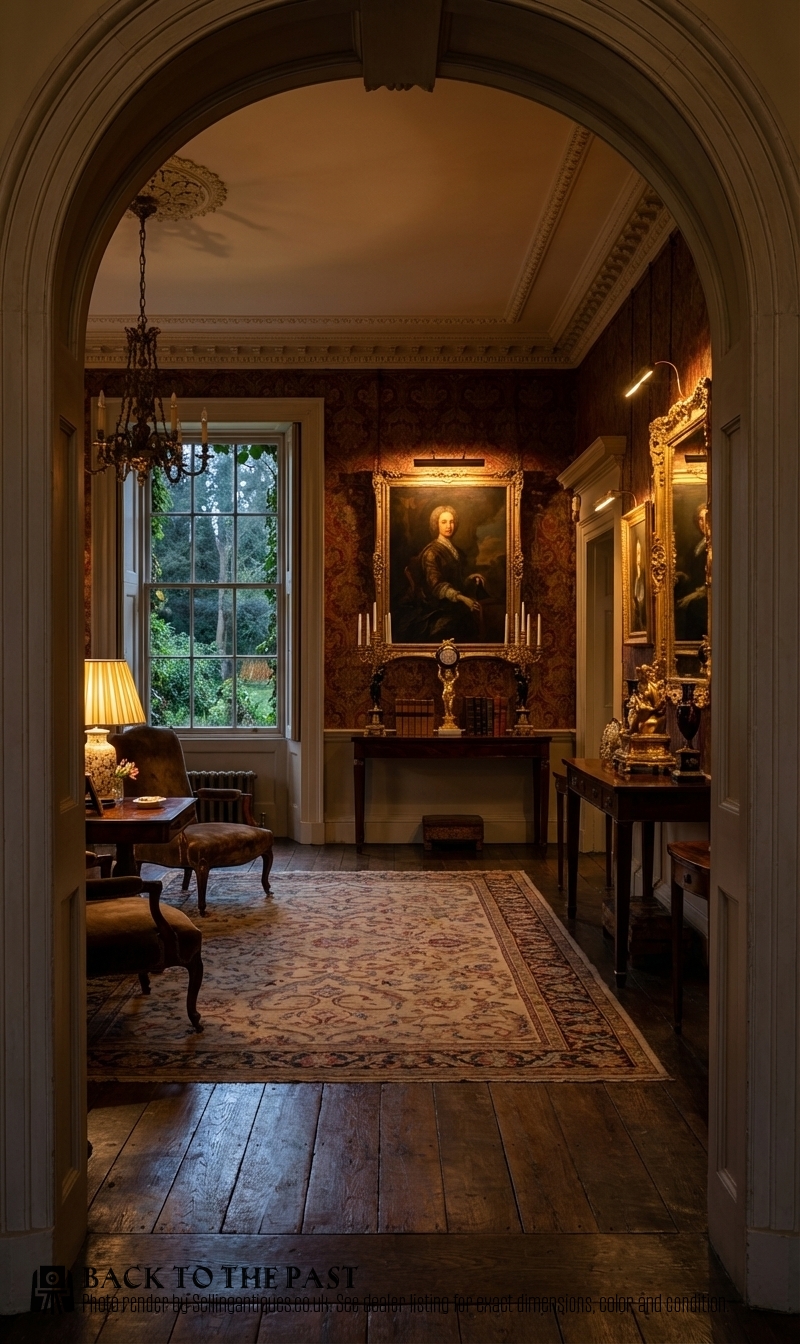
Materials and construction methods
Makers utilised mercury gilding or electroplating on bronze to create the distinctive ormolu surface, paired with hand-painted porcelain dials or plaques. Cases incorporate secondary materials such as marble, mahogany, rosewood, and tortoiseshell, providing structural contrast to the bright metalwork.
The mechanical movements rely on brass plates and steel arbors, often housed within elaborate bronze or wooden housings designed to sit securely on a table or mantel.
Listings feature periods spanning the eighteenth century through the Victorian era, alongside materials including tortoiseshell, onyx, and white marble.
Distinctions in craftsmanship and design
The level of chase work in the bronze casting separates standard production pieces from master-signed works. Crisp drapery, deeply undercut foliage, and finely engraved dial details indicate superior atelier output.
The integration of the porcelain components and the complexity of the clock case architecture, whether a portico structure or a figurative grouping, dictate the overall artistic ambition of the piece.
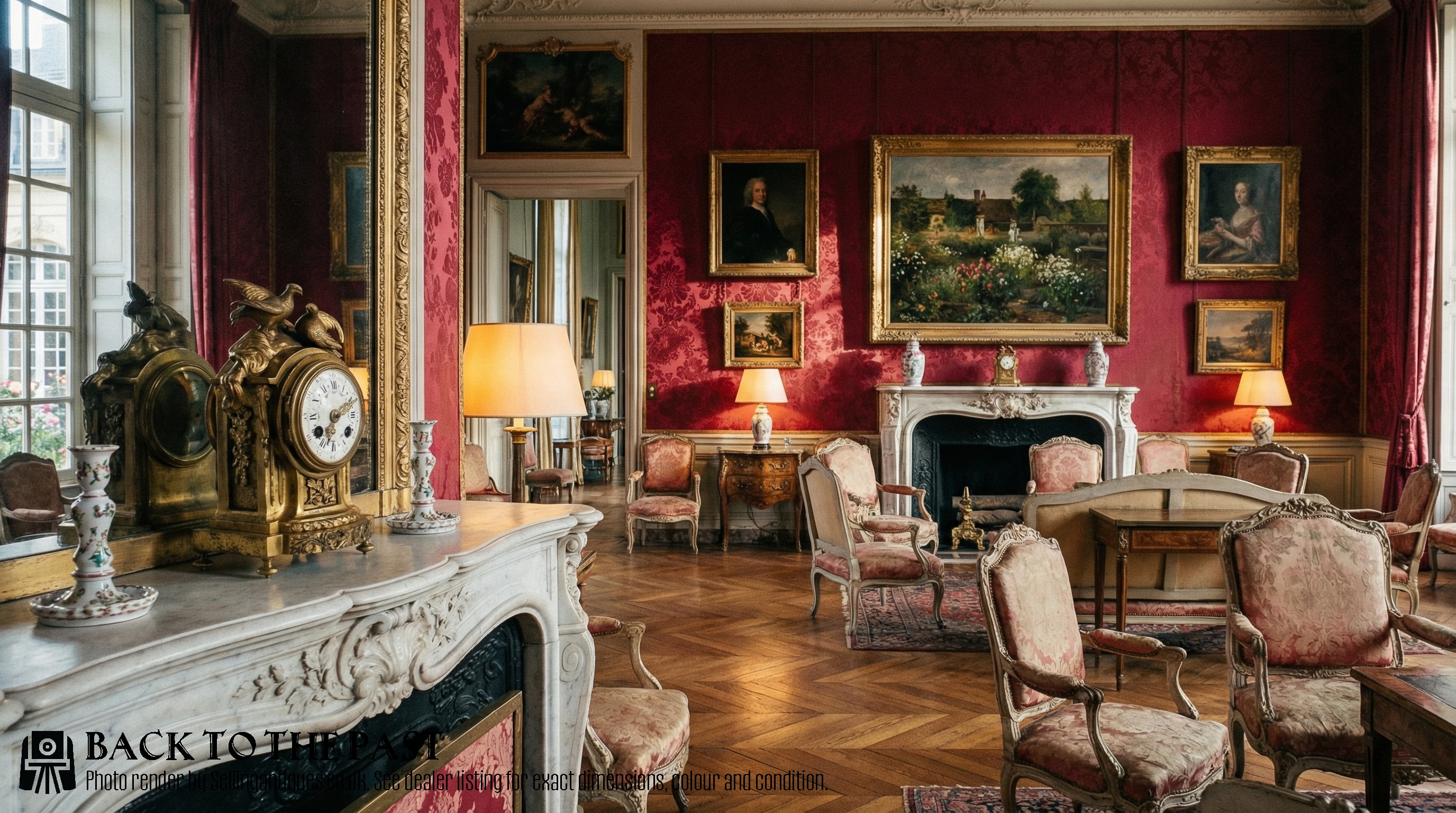
Japy Freres·Achille Brocot·Henry Dasson·Etienne Lenoir·Delettrez·Lenzkirch·Payne and Co·Charpentier Paris·H Luppens Paris
The Nineteenth Century Ormolu Clock Glossary
- Ormolu
- Gilt bronze produced by applying a gold amalgam to a bronze base and heating it to drive off the mercury. This technique creates a rich, durable golden surface characteristic of French decorative arts.
- Garniture
- A set of decorative objects designed to be displayed together, typically comprising a central clock flanked by matching urns, vases, or candelabra. These sets unify the decorative scheme of a mantelpiece.
- Portico clock
- A mantel clock featuring a architectural case supported by four or more columns resembling a classical portico. They often house a pendulum visible through the central opening.
- Sèvres
- A term applied to porcelain panels and dials associated with or inspired by the French royal porcelain manufactory. These elements frequently feature hand-painted pastoral scenes or floral motifs against coloured grounds.
- Fusee
- A conical pulley used in clock movements to maintain an even pull on the gear train as the mainspring unwinds. It ensures more accurate timekeeping throughout the duration of the wind.
Nineteenth Century Ormolu Clock: Frequently Asked Questions
What is a nineteenth century ormolu clock?
A nineteenth century ormolu clock is a mantel timekeeper made primarily in France using fire-gilt bronze, often ornamented with porcelain dials and marble plinths.
These pieces reflect classical revival movements such as Louis XVI and Empire styles, serving both as functional timepieces and decorative focal points.
How do clock garnitures work?
Clock garnitures consist of a central mantel clock accompanied by matching side pieces like urns or candelabra.
Placed across a fireplace mantel, they create a balanced and symmetrical decorative display popular in nineteenth-century interiors.
How can I tell different French revival styles apart?
Louis XVI revival pieces feature straight tapered columns, urns, and formal neoclassical symmetry, while Rococo revival designs use asymmetrical scrolls and flowing organic lines.
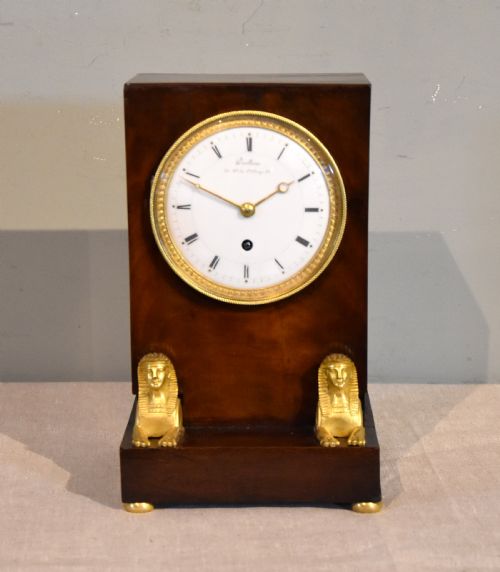
Empire clocks display military motifs, sphinxes, and heavy patinated bronze combined with bright ormolu accents.