




Marble Base Table Clock
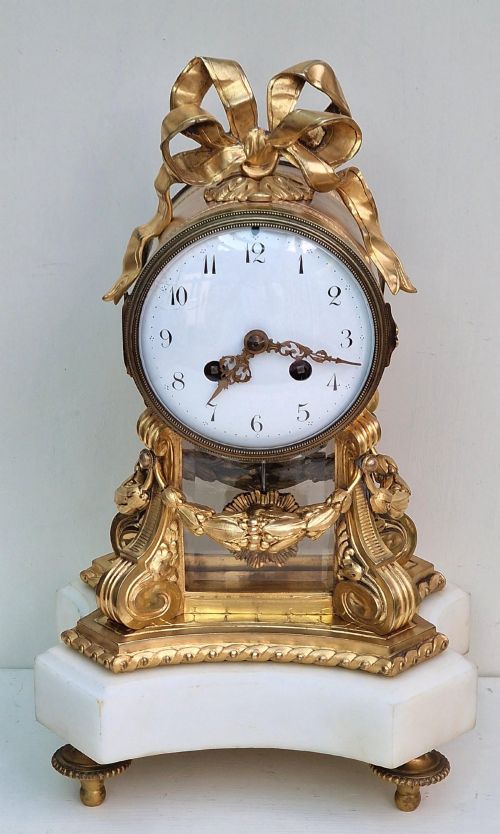
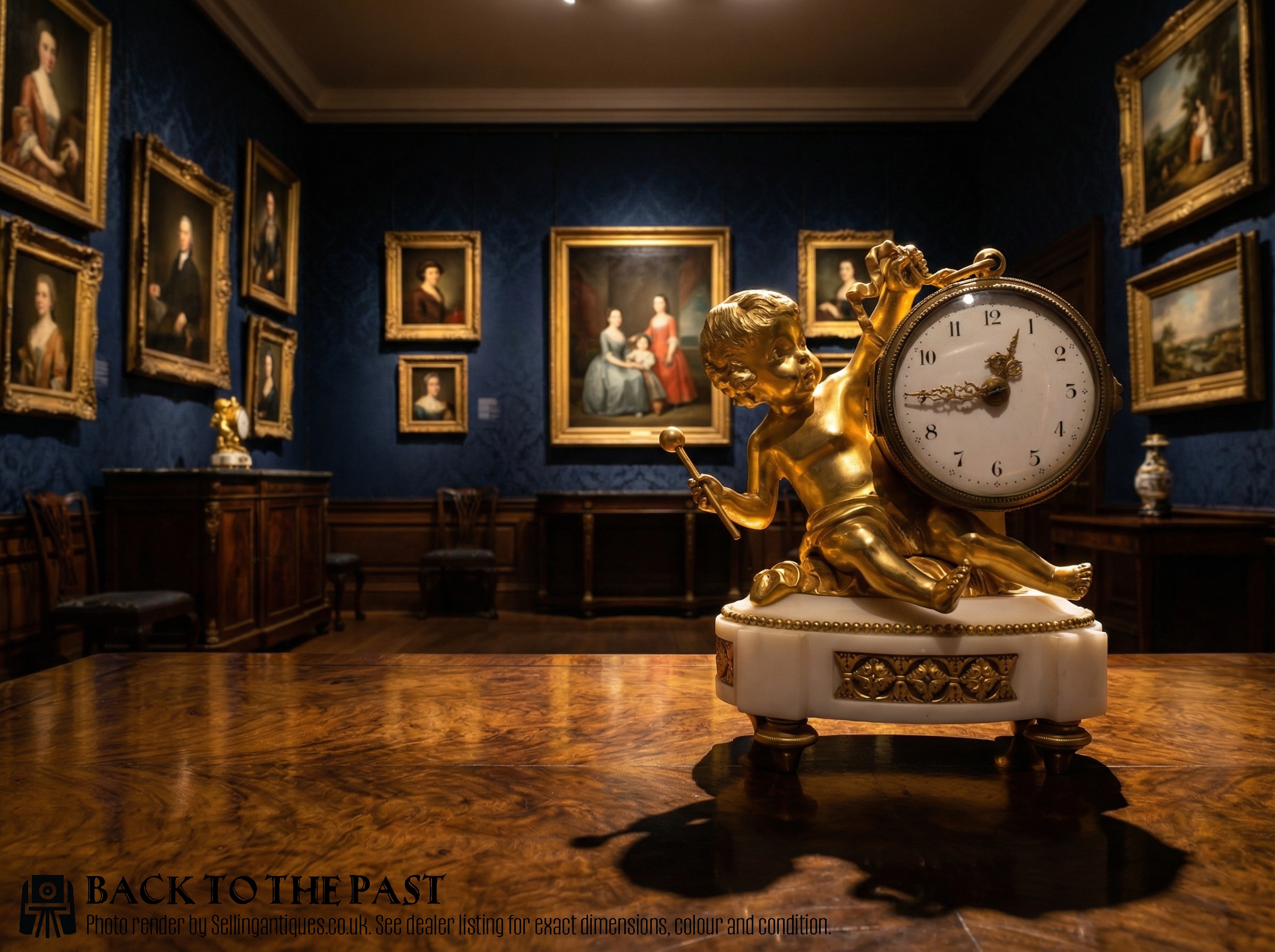
These marble base table clock examples combine solid stone foundations with intricate brass and ormolu work, offering both weight and visual presence for a mantel or desk.
Marble Base Table Clock
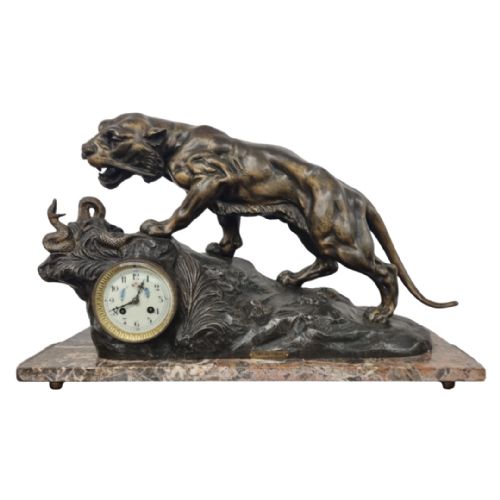
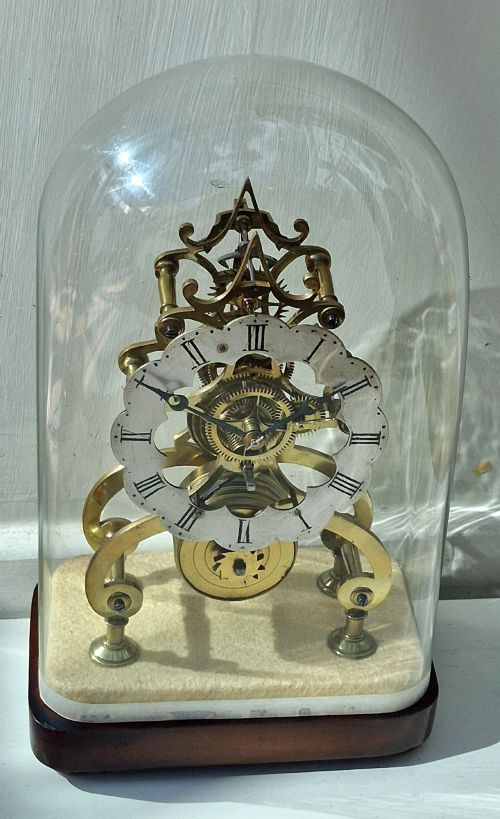
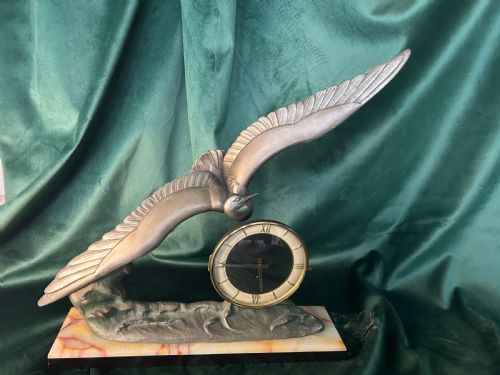
A marble base table clock brings together a substantial stone plinth and a mechanical movement, often accompanied by figural sculpture or classical mounts. The listings show forms ranging from traditional mantel clocks and desk timepieces to elaborate clock garniture sets and skeleton movements.
Victorian and nineteenth-century examples dominate the selection, spanning styles from Regency and Louis XVI to Art Deco and French animalier. Buyers most frequently encounter white or variegated marble stands paired with brass, gilt bronze, or ormolu housings.
Makers and signatories recorded across the pieces include English horologists alongside French bronze-workers and sculptors. Each configuration serves as both a functional timepiece and a decorative centrepiece for the interior.
Judging quality and execution
The refinement of the casting and chasing separates standard production from exceptional work, particularly in the handling of ormolu mounts and figural bronze casts. Sharper definition in cherubs, animals, and classical foliage indicates superior skill in the workshop.
The quality of the marble base also varies in the depth of its veining, thickness, and standard of polish. Furthermore, signed movements by established makers command greater attention than unsigned alternatives.
Several Victorian designs incorporate surprisingly fierce companions into the domestic interior, pairing delicate white marble with coiled serpents and prowling tigers.
R Varnier·Thwaites of London·Guilmet·Jaeger-LeCoultre·William Hardy London·Francois Moreau·Payne of London
The Marble Base Table Clock Glossary
- Ormolu
- Gilded bronze produced by applying a mercury and gold amalgam to a bronze base and heating it. This technique creates a durable, golden finish seen on many nineteenth-century French clock mounts.
- Skeleton clock
- A time-keeper designed without a traditional case, exposing the gear train and plates between glazed panels or under a glass dome. This layout allows light to pass through the movement.
- Fusee
- A conical pulley connected to the mainspring by a cord or chain that equalises the torque as the spring unwinds. It ensures consistent force is delivered to the escapement for accurate timekeeping.
- Garniture set
- A decorative grouping comprising a central clock flanked by matching ornaments such as urns or candelabra. These sets were designed to sit symmetrically on a mantelpiece.
- Timepiece
- A clock that indicates the time without possessing a striking mechanism to chime the hours. Many desk and carriage clocks are built to this simpler specification.
Marble Base Table Clock: Frequently Asked Questions
Where should I place a heavy marble clock?
Position the piece on a stable, level surface capable of supporting considerable stone and metal weight, such as a sturdy sideboard or mantelpiece. Avoid placing the clock in areas subject to direct sunlight, dampness, or heavy vibrations.
Ensure the surface is flat so the pendulum hangs plumb and the clock keeps accurate time.
How do I clean marble and ormolu?
Dust the stone and metal components regularly with a soft, dry lint-free cloth. Avoid abrasive cleaners, chemical sprays, or excessive water, which can damage the gilding and discolour the stone.
Professional care is recommended for restoring patinated ormolu surfaces or polishing scratched marble.
What is the difference between a timepiece and a mantel clock?
A timepiece simply tells the time without striking on the hour or half-hour. Traditional mantel clocks often include striking trains with bells or gongs.
Both types utilise the same fundamental gear trains, but timepieces have simpler internal mechanisms.