

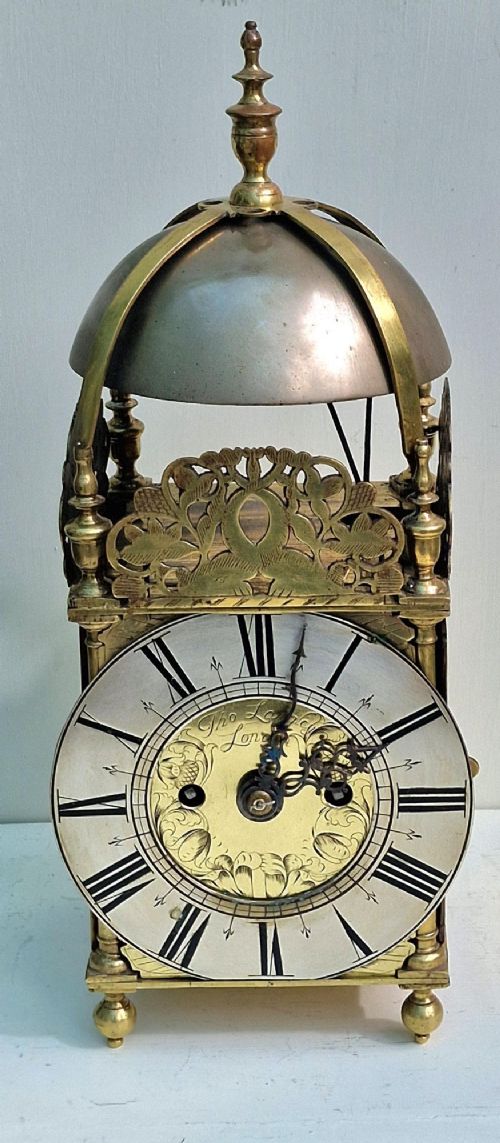
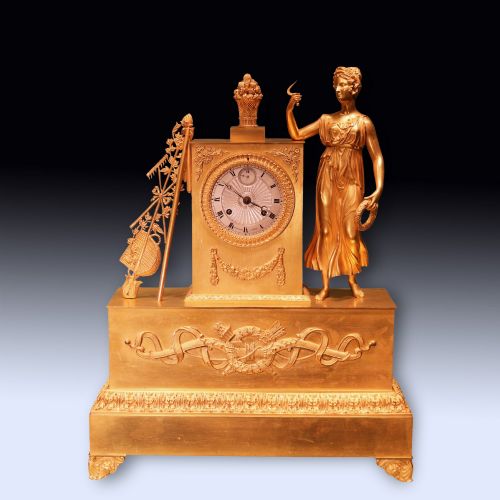


Restoration Period Mantel Clock
These restoration period mantel clock examples combine architectural brass, gilt bronze and marble with precise mechanical movement for the mantel.
Restoration Period Mantel Clock
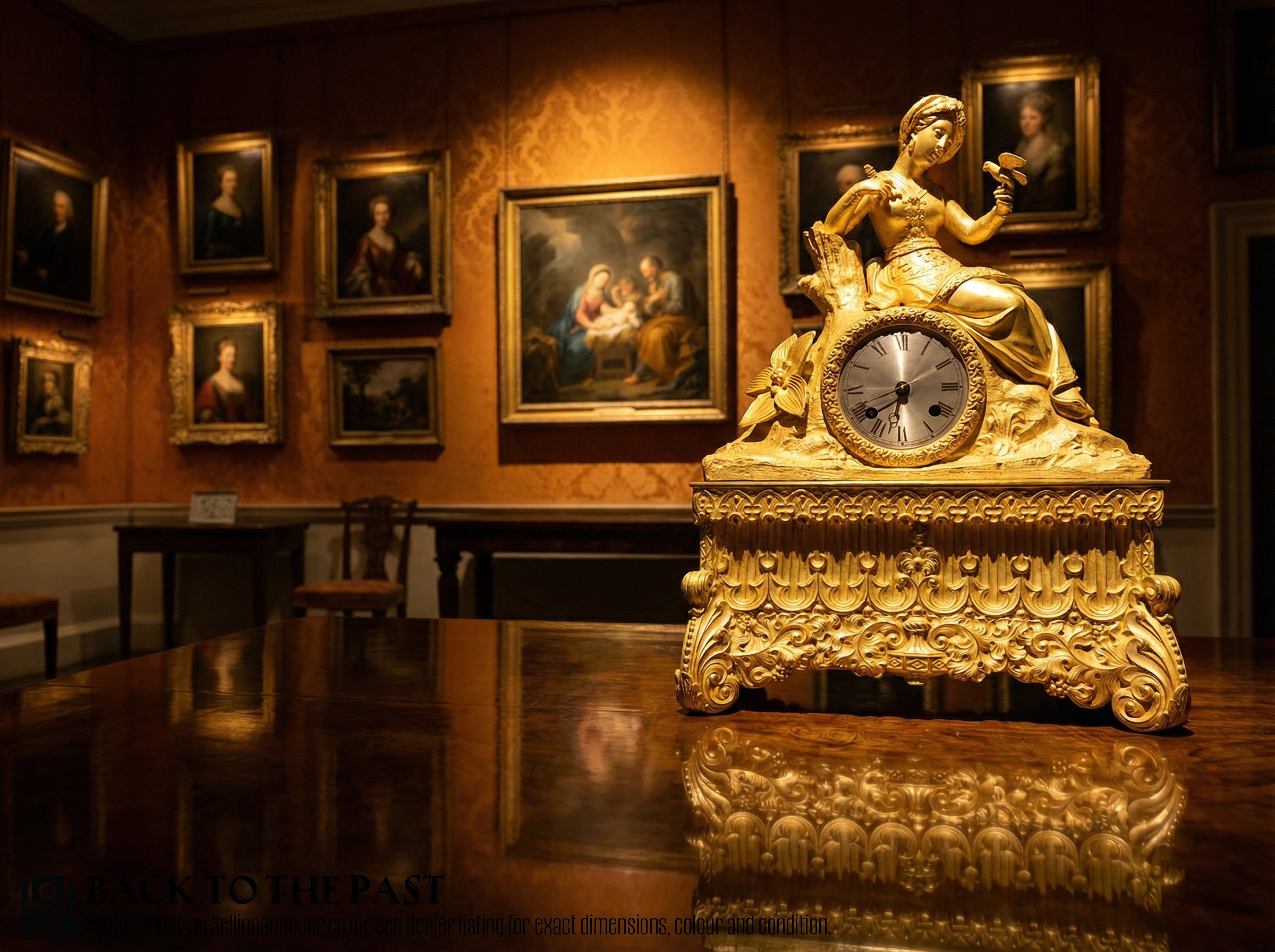
A restoration period mantel clock represents the union of decorative sculpture and mechanical timekeeping produced during the 19th century. Buyers seeking this phrase encounter French ormolu portico clocks, architectural marble cases and figural designs from the 1800s alongside earlier English bracket and lantern clocks.
The objects combine patinated bronze, gilt bronze, glass and enamel dials within heavy stone or timber frames. Most pieces date from the 19th century and reflect French Empire, Louis Philippe and transitional styles.
Collectors find that these clocks anchor a room with both visual weight and audible rhythm. The form ranges from strict classical portico shapes to elaborate figural compositions in the Turkish taste.
What varies in quality
Quality depends upon the crispness of the bronze chasing and the depth of the fire gilding across the architectural details. Superior examples display sharp definition in figural casts and integrated marble components without replacement sections.
The sophistication of the mechanical movement and the legibility of the signed enamel dial separate standard production from exceptional workshop output. Original mercury gilding retains a distinct soft lustre that distinguishes finer examples from later electroplated alternatives.
Restoration Period Mantel Clock Retail Price Guide 2026
Typical asking prices for restoration period mantel clock among the pieces listed under this phrase on Sellingantiques today, from the lower quarter to the upper quarter. They describe what is for sale here now, not the wider market.
Listings feature 19th century French ormolu and marble alongside 17th century English ebony bracket clocks.
Thomas Langley·Canaillor of Paris·William Speakman·Ravrio·Baltazart
The Restoration Period Mantel Clock Glossary
- Ormolu
- Gilded bronze produced by applying an amalgam of gold and mercury to a bronze base before heating. This historical technique creates a durable, warm finish found on finer 19th century clock cases.
- Portico clock
- A monumental clock design featuring architectural columns supporting the movement housing. This symmetrical form draws inspiration from classical Greek and Roman architecture.
- Bracket clock
- A portable table clock originally designed to sit upon a wall bracket. These English timepieces often feature ebony cases with elaborate brass top handles.
- Patinated bronze
- Bronze that has been chemically treated to produce a darkened surface colour. This treatment highlights the bright gilt ormolu mounts placed alongside it.
- Enamel dial
- A metal dial face coated with powdered glass and fired in a kiln to produce a smooth, white glazed surface. Black painted numerals and signature text are fired directly onto this ground.
Restoration Period Mantel Clock: Frequently Asked Questions
How do I wind the clock?
Use the correct winding key gently on the arbors provided on the dial face, turning only until you feel resistance.
Avoid over-winding the mainsprings, as this can damage the internal gear train of antique movements.
Where should I place my clock?
Position the clock on a stable, level surface away from direct sunlight, draughts and damp exterior walls. A sturdy mantelpiece or heavy table ensures the case remains plumb for accurate pendulum beat.
How often does it need servicing?
Mechanical clocks require professional cleaning and lubrication every few years to prevent wear on the brass pivots and steel teeth. Old lubricants dry out and thicken, causing the movement to stop.