
Antique Teacup and Saucer
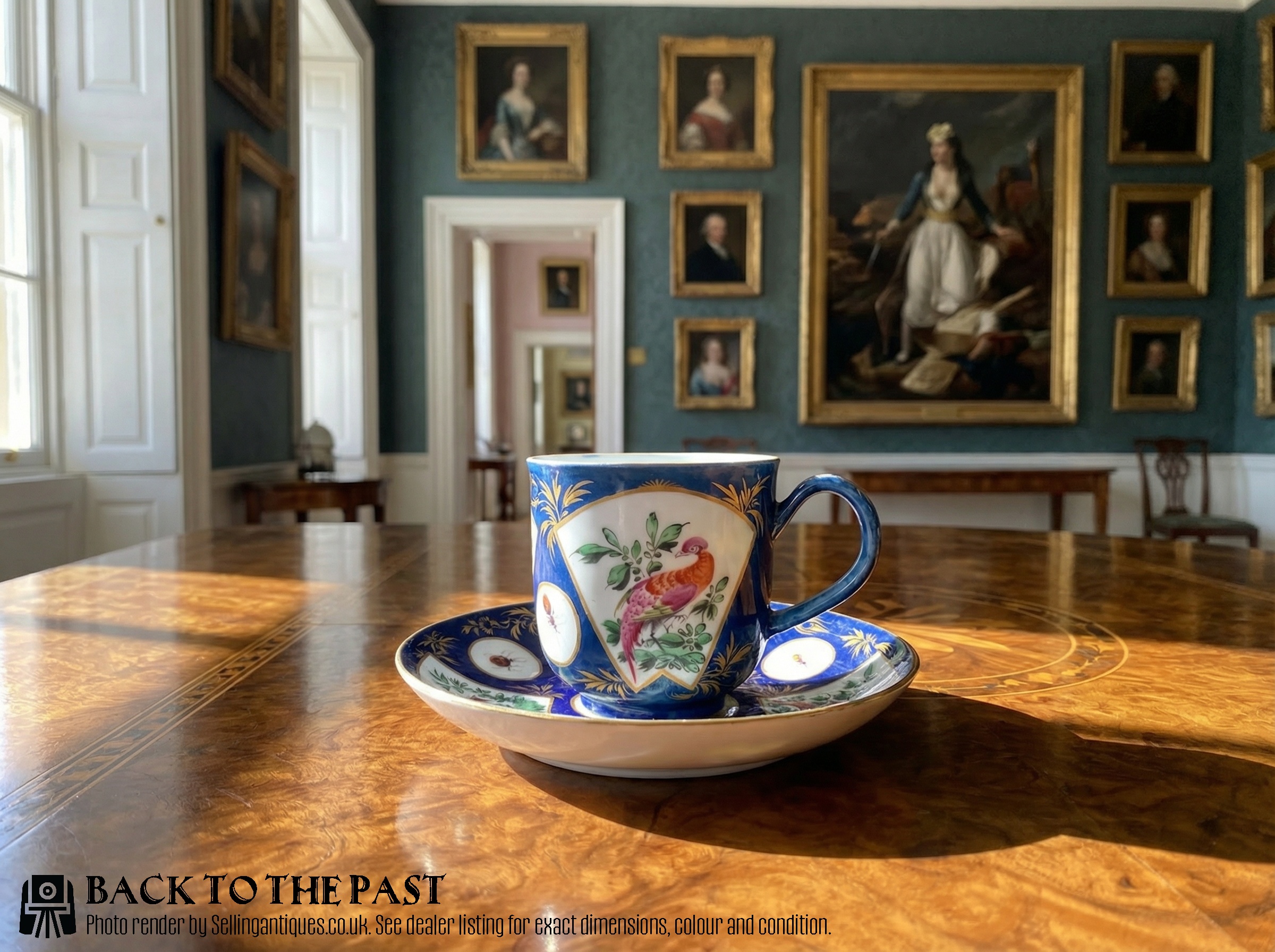
An antique teacup and saucer brings tactile history to the table, pairing delicate craftsmanship with centuries of drinking culture.
Antique Teacup and Saucer
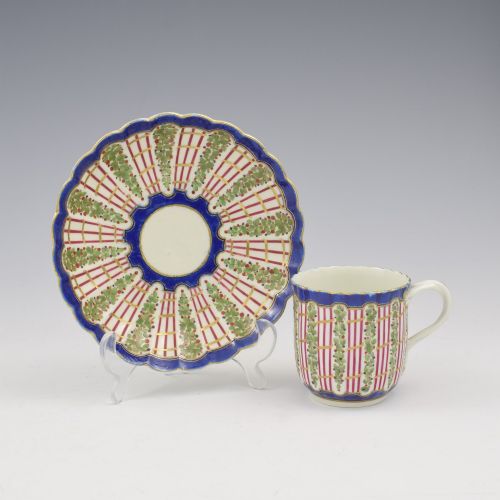
When searching for an antique teacup and saucer, you encounter vessels spanning the eighteenth, nineteenth, and early twentieth centuries. The selection ranges from eighteenth-century soft-paste porcelain pieces to robust Victorian bone china sets and Edwardian porcelain items. These survivors reflect shifting domestic habits, moving from elite eighteenth-century tea rituals to nineteenth-century afternoon gatherings.
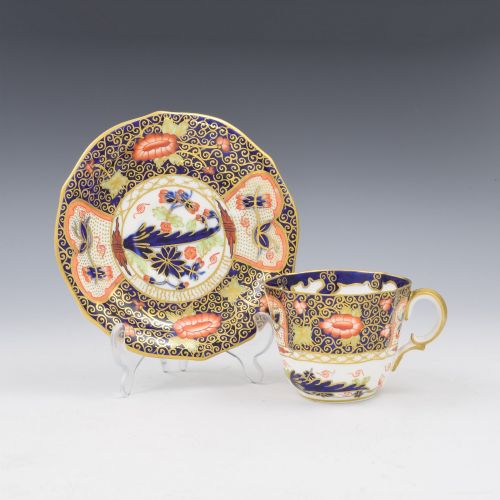
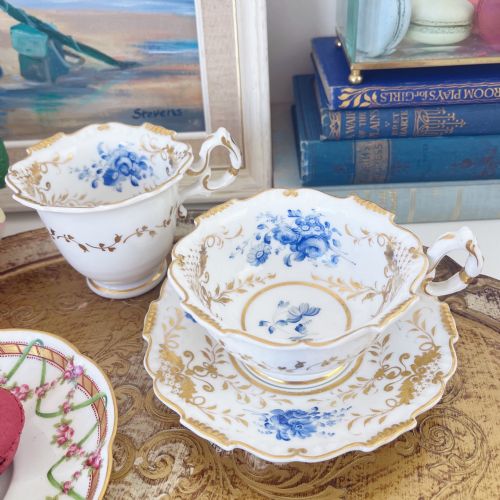
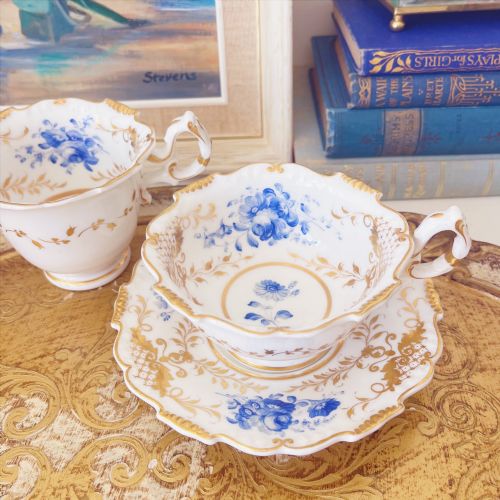
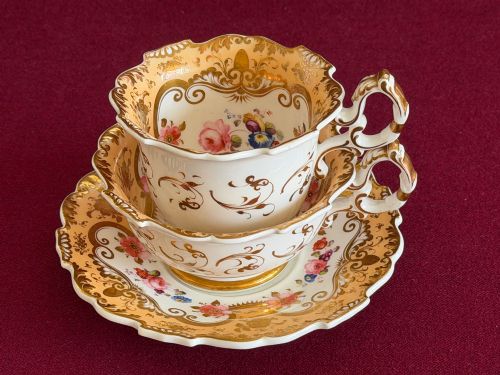
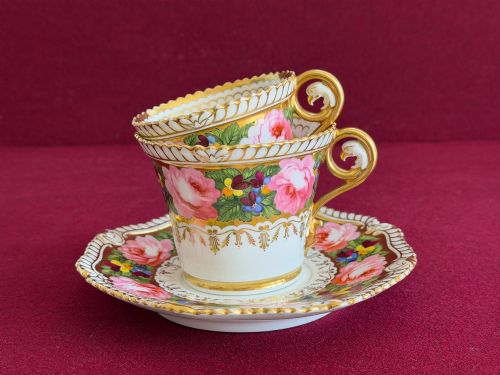
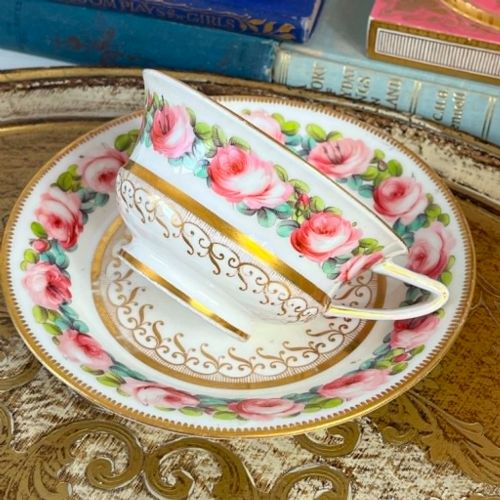
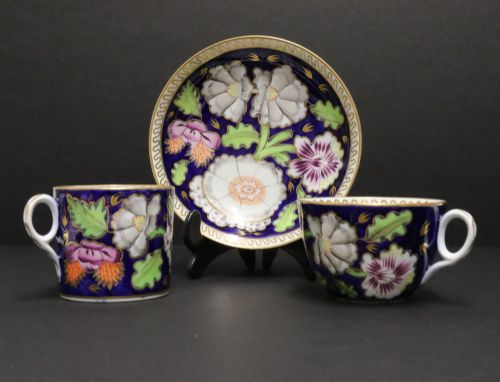
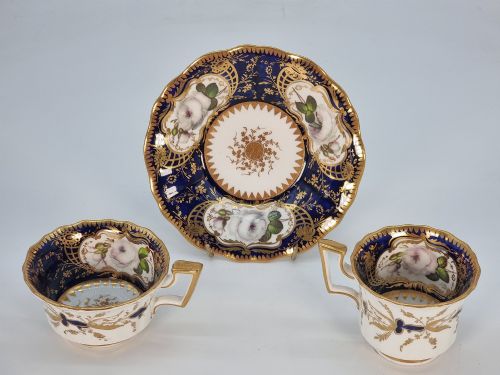
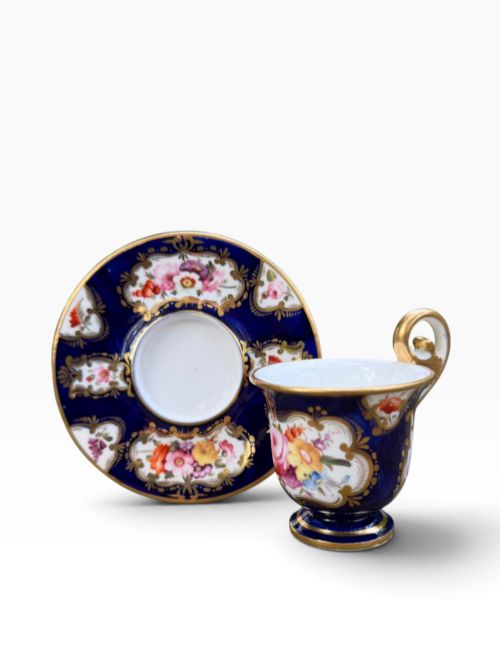
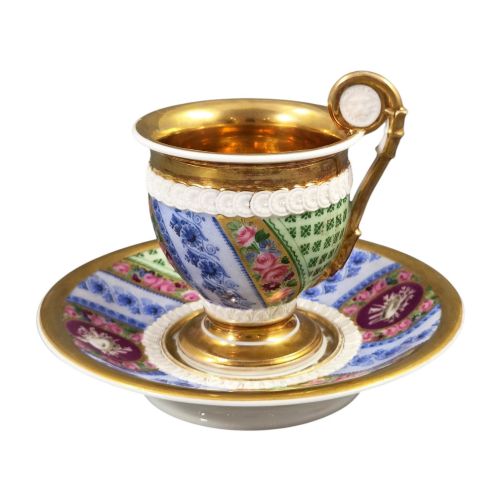
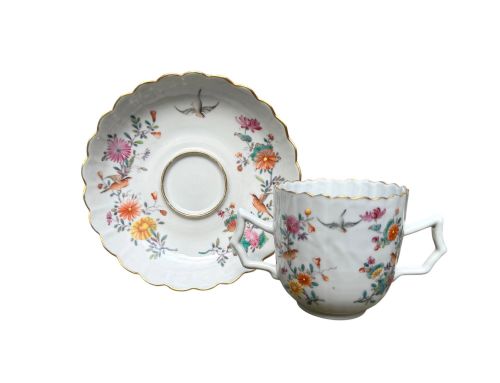
You frequently meet English factories such as Worcester, Coalport, and Derby alongside continental makers like KPM Berlin and Old Paris. Forms vary from simple duos to complete trios featuring coffee cans alongside tea bowls and saucers. These pieces demonstrate diverse decorative traditions, including handpainted floral sprays, Imari patterns, and gilt accents.
Materials and methods of production
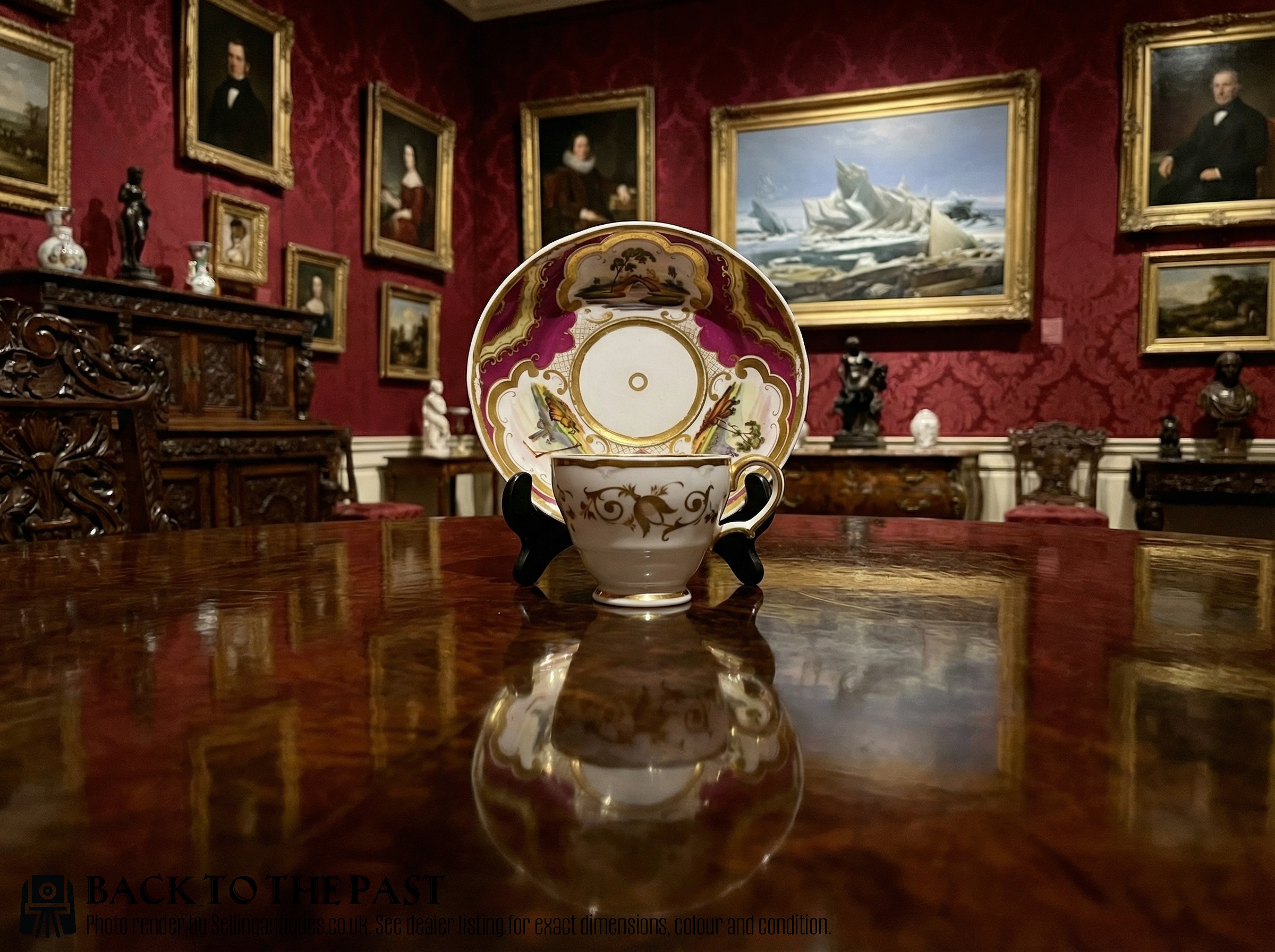
Potters utilised bone china, hard-paste porcelain, and soft-paste porcelain as the primary ceramic bodies for these wares. Soft-paste porcelain characterises earlier eighteenth-century pieces, offering a warmer tone, while nineteenth-century items frequently employ bone china for increased durability.
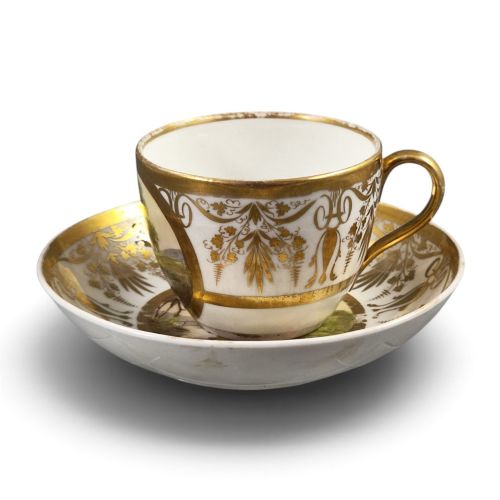
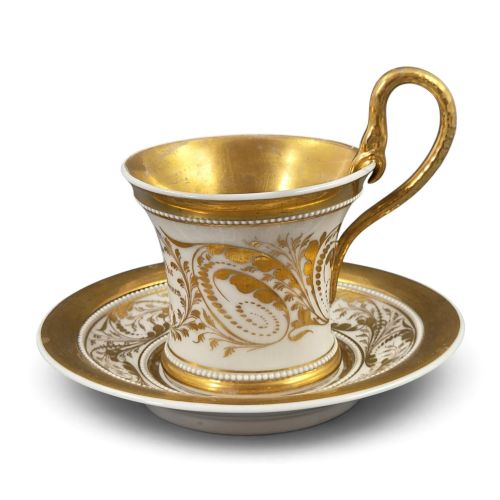
Decoration relied on meticulous handpainting, enamel pigments, and applied gold leaf or gilding. Artisans executed intricate motifs directly onto the glazed surface before secondary firing to fuse the metallic and enamel elements.
Antique Teacup and Saucer Retail Price Guide 2026
Typical asking prices for teacup and saucer among the pieces listed under this phrase on Sellingantiques today, from the lower quarter to the upper quarter. They describe what is for sale here now, not the wider market.
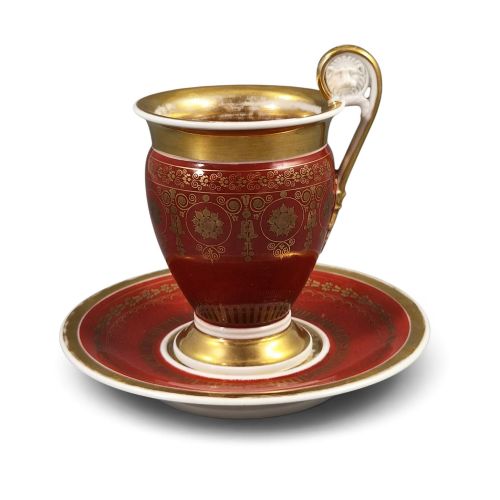
Some cups feature ferocious lion mask handles, adding a surprisingly fierce architectural detail to delicate morning tea routines.
Distinctions in quality
Superior examples display exceptional control in handpainted brushwork, particularly within complex botanical or figurative scenes. The crispness of transfer printing and the precision of gilding applications distinguish high-grade cabinet pieces from standard utility wares.
The refinement of the ceramic body itself indicates grade, with thinner, more translucent porcelain walls demanding greater skill during firing. Quality also shows in the harmony between the saucer and cup profiles, reflecting the standing of the manufactory.
Royal Crown Derby·H and R Daniel·Chamberlain Worcester·Coalport·KPM Berlin·Rockingham·New Hall·Minton·Sevres·Spode·Ridgway
The Antique Teacup and Saucer Glossary
- Bone china
- A type of soft-paste porcelain containing bone ash, developed in England to create a durable, highly translucent body.
- Soft-paste porcelain
- An early ceramic composition fired at lower temperatures than hard-paste porcelain, resulting in a distinctively warm glaze texture.
- Cabinet trio
- A matched set consisting of a teacup, a coffee cup or coffee can, and a matching saucer.
- Gilding
- The application of gold leaf or powdered gold to ceramic surfaces, used for decorative borders and highlights.
- Imari
- A decorative style featuring underglaze cobalt blue and overglaze iron red and gold, inspired by Japanese export porcelain.
Antique Teacup and Saucer: Frequently Asked Questions
What is an antique teacup and saucer trio?
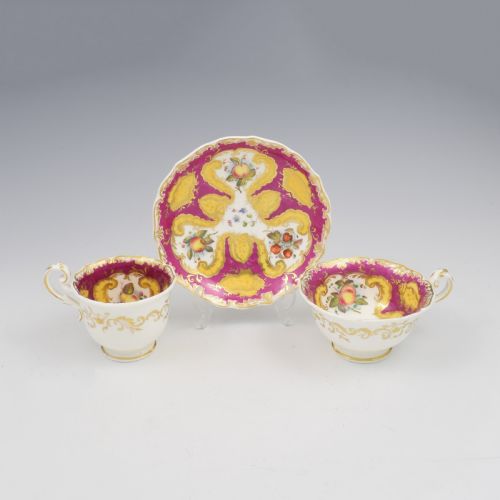
A trio consists of a teacup, a matching coffee cup or coffee can, and a saucer. These sets became popular in the late eighteenth and early nineteenth centuries when households served both tea and coffee.
They allowed hosts to provide options for guests using harmonising factory patterns. Surviving trios offer a complete picture of early dining table aesthetics.
How do I distinguish eighteenth-century pieces from Victorian ones?
Eighteenth-century pieces often utilise soft-paste porcelain, featuring translucent bodies with subtle glaze variations and handpainted motifs without factory marks. Victorian items more frequently employ bone china.
Victorian wares also tend to display heavier gilding and machine-assisted transfer printing alongside traditional handpainting. Examining the paste under strong light helps reveal these structural differences.
Were these cups used daily or kept in cabinets?
Many fine porcelain sets served as cabinet pieces, intended for display in drawing rooms rather than daily refreshment. Handpainted gilt items and fragile soft-paste porcelain were treated with great care by their original owners.
More robust bone china items saw regular use during afternoon tea services. The survival of pristine enamel decoration often indicates cabinet storage.
What distinguishes soft-paste porcelain from hard-paste porcelain?
Soft-paste porcelain contains glass frit and clay mixtures fired at lower temperatures, producing a softer, warmer visual depth. Hard-paste porcelain uses true petuntse and kaolin, creating a denser, colder body.
Early English factories relied heavily on soft-paste variations before adopting bone china. Continental makers frequently utilised hard-paste formulations.