

Antique Tea Stand
When searching for an antique tea stand, collectors encounter versatile tables, trays and small silver vessels designed for the ritual of serving tea.
Antique Tea Stand
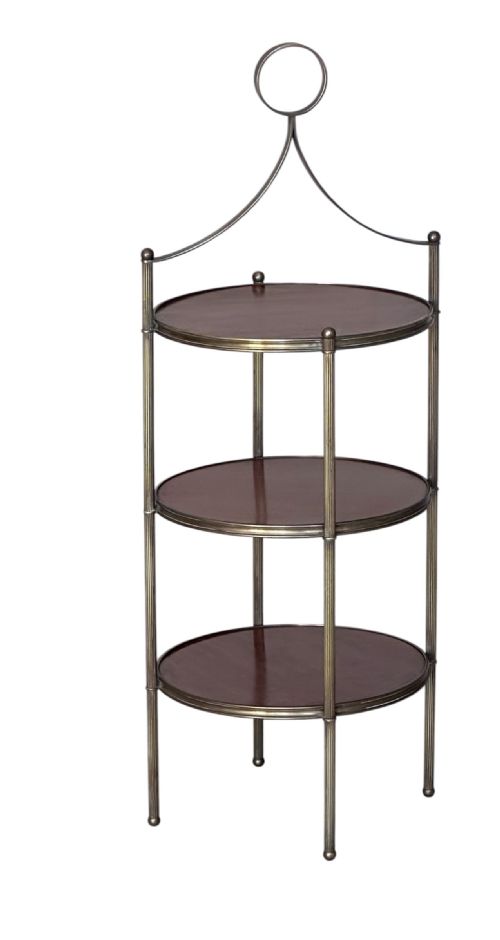
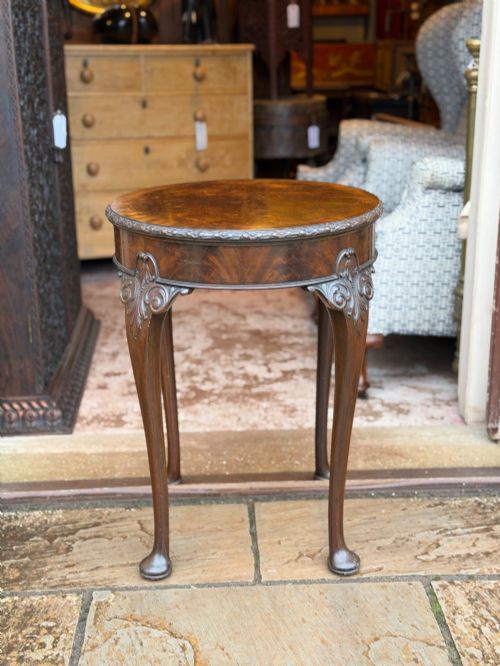
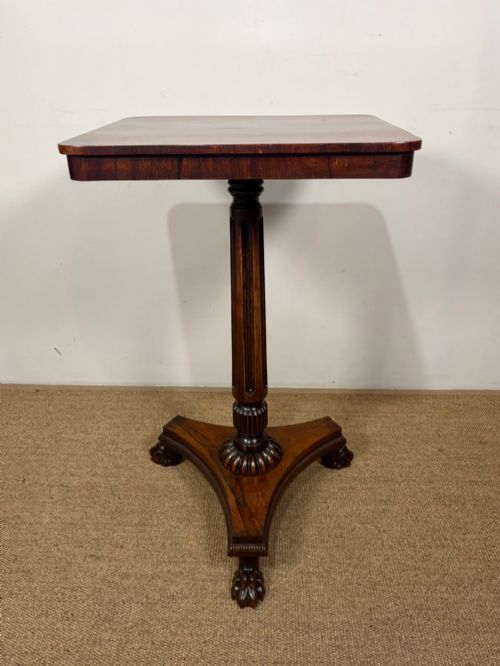
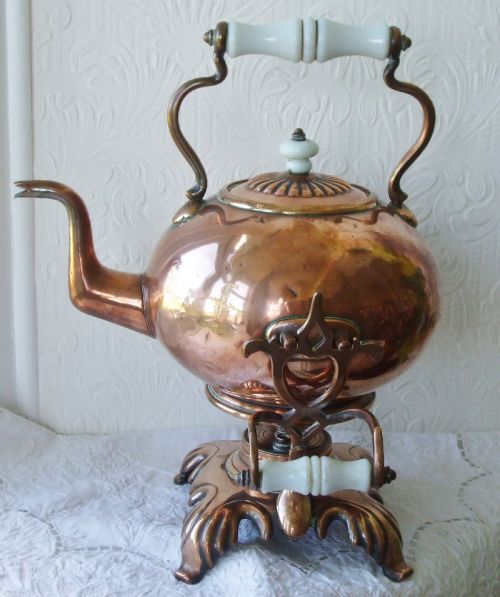
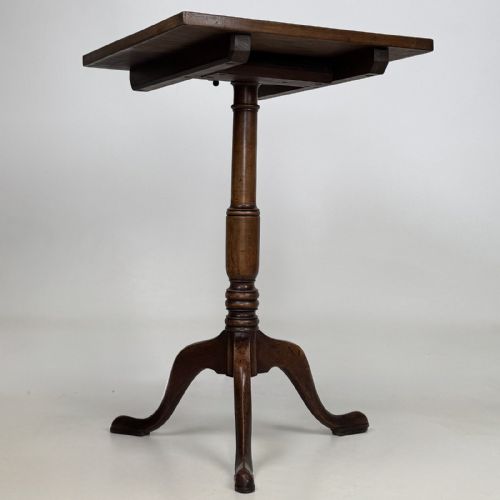
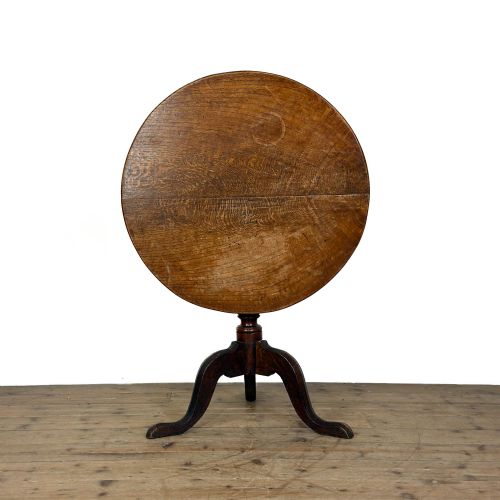
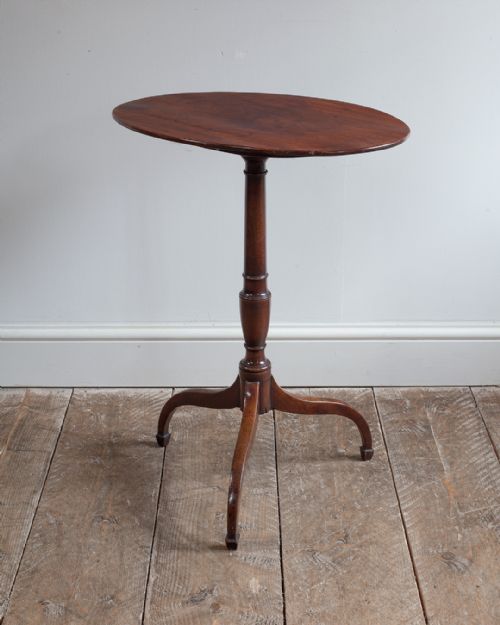
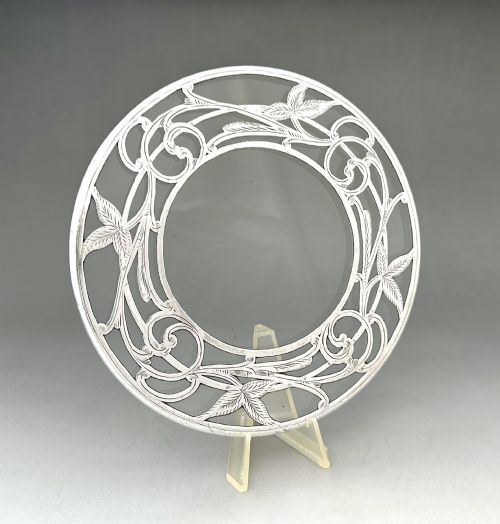
An antique tea stand encompasses a diverse group of objects created to support teapots, kettles or trays during the preparation and service of tea. These range from solid silver or porcelain plates intended for a single pot to folding mahogany tray tables, multi-tiered cake stands and occasional tables.
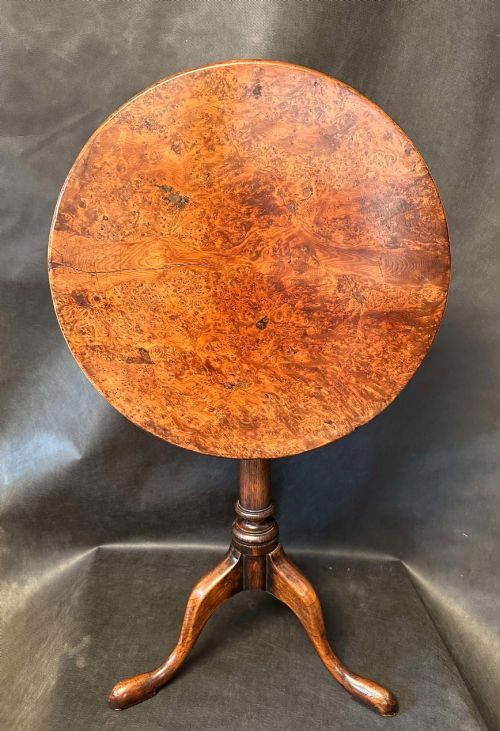
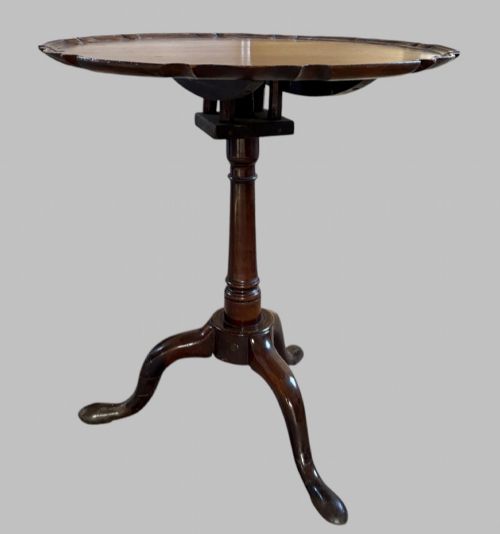
The pieces appearing most frequently span the Georgian, Victorian and Edwardian eras, reflecting changing domestic habits across the eighteenth, nineteenth and early twentieth centuries. Tripod tables with tilt tops, occasional side tables and dedicated silver stands dominate the selection.
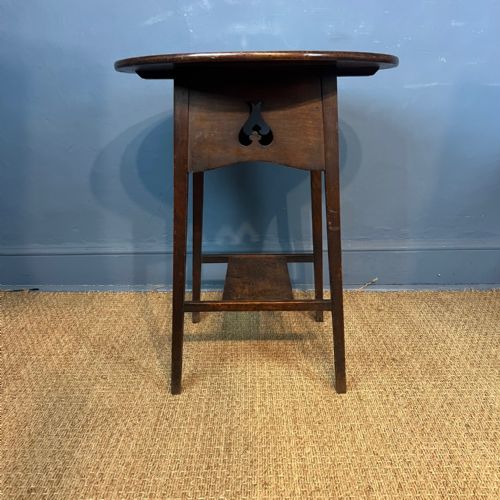
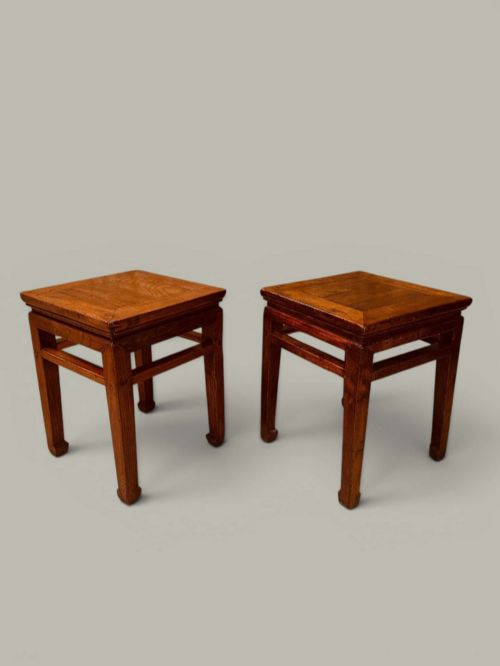
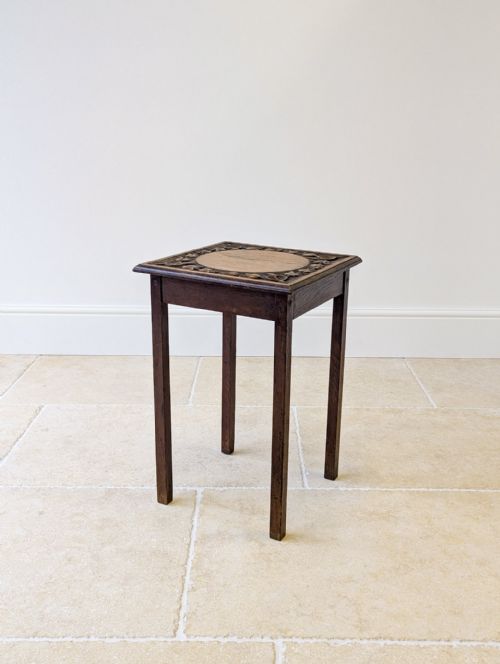
Originating predominantly from British workshops alongside select Chinese rosewood and Anglo-Indian examples, these pieces demonstrate how social customs shaped furniture design. Buyers find everything from compact country oak pieces to elegant inlaid mahogany furniture suited for formal reception rooms.
Materials and construction
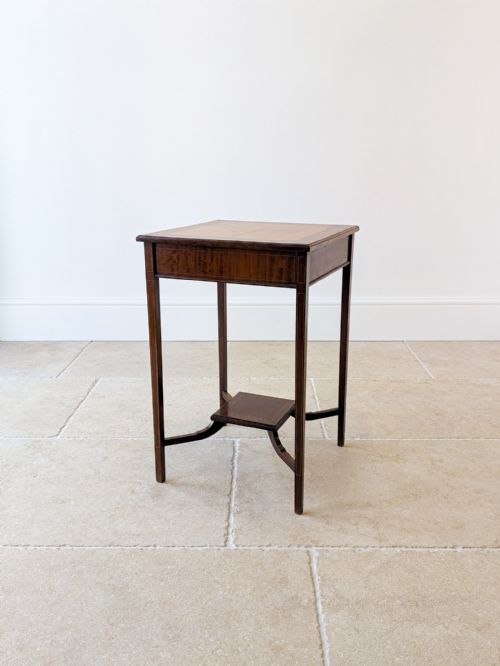
Timbers such as mahogany, oak, walnut and rosewood form the structural foundation of wooden tea stands and tray tables, frequently joined by brass hardware and delicate wood inlay. Cabinetmakers utilised traditional techniques including dovetailing, turning and carving to build durable furniture designed for daily domestic use.
Silver stands and mounted glass or ceramic plates demonstrate specialised metalworking methods, incorporating hallmarks, parcel gilding and chased decoration. Porcelain examples such as early Worcester pieces rely on specialised ceramic pastes and hand-painted underglaze blue designs.
Antique Tea Stand Retail Price Guide 2026
Typical asking prices for tea stand among the pieces listed under this phrase on Sellingantiques today, from the lower quarter to the upper quarter. They describe what is for sale here now, not the wider market.
Some folding stands doubled as luggage racks for travelling Victorians.
Assessing quality in tea stands
Superior examples display crispness in carved details, such as pie crust rims, tripod cabriole legs and barley twist turnings, where hand-finished precision replaces mechanical uniformity. The choice of timber also dictates grade, with highly figured mahogany, burl walnut or dense rosewood commanding greater appreciation.
Structural integrity and originality of components separate standard pieces from exceptional ones. Tilt mechanisms, silver hallmarks, intact glass inserts and unblemished wood patination reflect the level of care and master craftsmanship invested during manufacture.
Trevor Page & Co·Harrods Ltd·Elkington & Co·Dr Wall
The Antique Tea Stand Glossary
- Tilt top
- A table mechanism allowing the wooden top to pivot vertically when not in use. This clever design saved valuable floor space in smaller period parlours.
- Tripod table
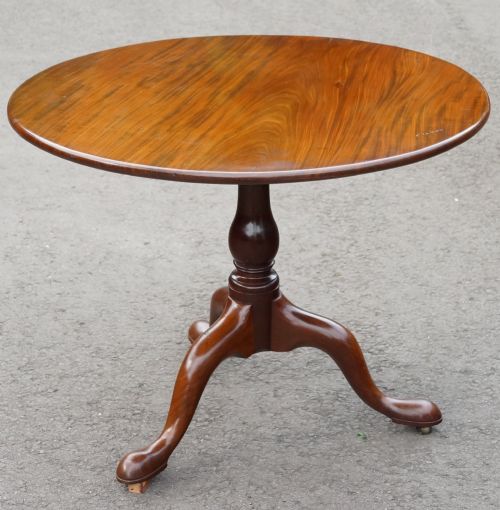
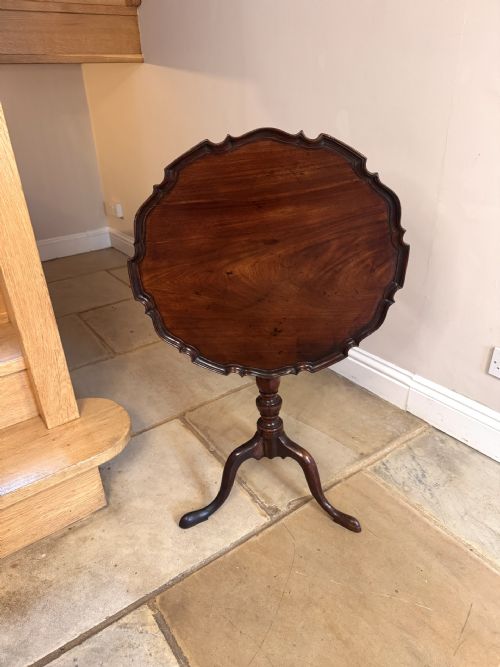
- A small freestanding table supported by three legs radiating from a central pillar. They appeared frequently throughout the Georgian and Victorian eras as versatile tea or wine furniture.
- Pie crust rim
- A decorative, raised edge carved into the perimeter of a wooden table top with undulating curves. Master craftsmen shaped these profiles entirely by hand from solid timber.
- Teapoy
- A small box or chest mounted on a central pillar or legs, originally intended to store dry tea leaves. Because tea was a costly commodity, these containers often featured lockable lids.
- Tole tray
- A painted or japanned sheet metal tray, frequently decorated with classical scenes or floral motifs. When placed on a folding wooden stand, it functioned as a portable tea table.
Antique Tea Stand: Frequently Asked Questions
What is the difference between a tea stand and a teapoy?
A tea stand is a small table or plate designed to hold a teapot or serving tray during afternoon tea. In contrast, a teapoy is an enclosed box on a stand specifically made to store loose tea leaves.
While both served the tea ritual, stands provided a surface for hot vessels, whereas teapoys functioned as miniature cellarets for valuable dry leaves.
How were tripod tea tables used in period homes?
Tripod tea tables served as flexible furniture that servants could easily move around reception rooms as needed. Their tilt mechanisms allowed them to sit flush against walls when tea service ended.
Homeowners utilised them for pouring tea, holding porcelain cups or displaying decorative items when entertaining guests.
What materials are common in antique tea stands?
Mahogany, oak, walnut and rosewood represent the primary timbers used in wooden tea stands and tray tables. Silver, glass, brass and porcelain appear frequently in smaller standalone teapot stands and coasters.
Cabinetmakers matched these materials to the prevailing tastes of the Georgian, Victorian and Edwardian periods.
How can I date an antique tea stand?
Dating relies on examining construction methods, timber choices, decorative styles and any accompanying silver hallmarks. Georgian pieces often feature simpler country oak or refined mahogany with tripod bases, while Edwardian examples introduce inlaid motifs and barley twist legs.
Silver mounted stands frequently bear assay office marks and date letters that pinpoint the exact year of manufacture.