

Antique Table Snuff Box
An antique table snuff box is a heavy, decorative receptacle designed for social tobacco use, prized today for its intricate metalwork and organic materials.
How they were made
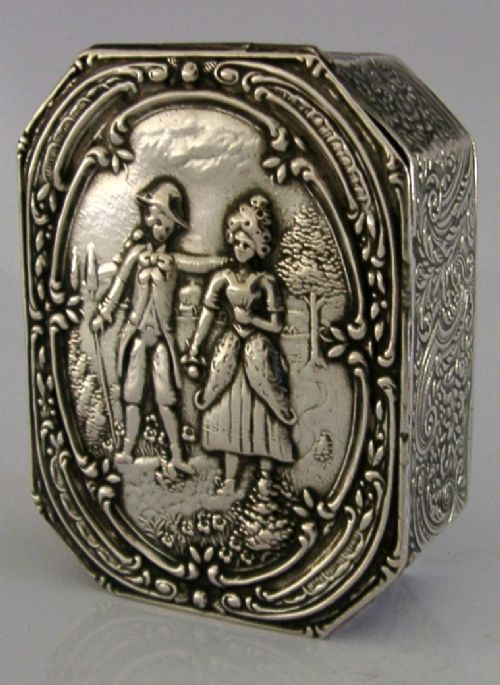
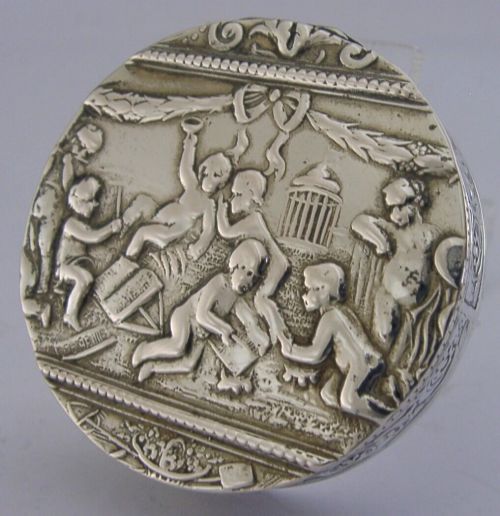
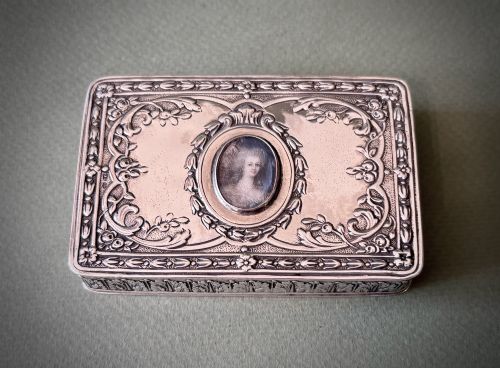
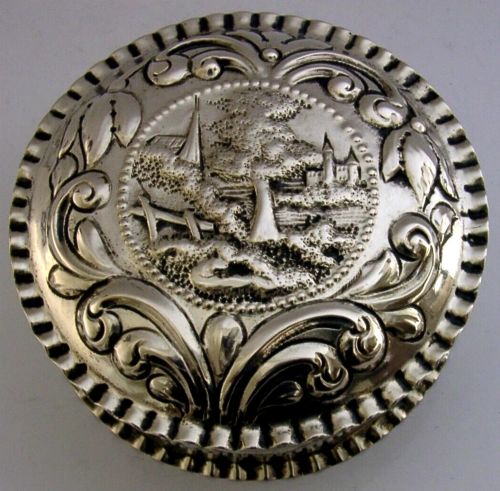
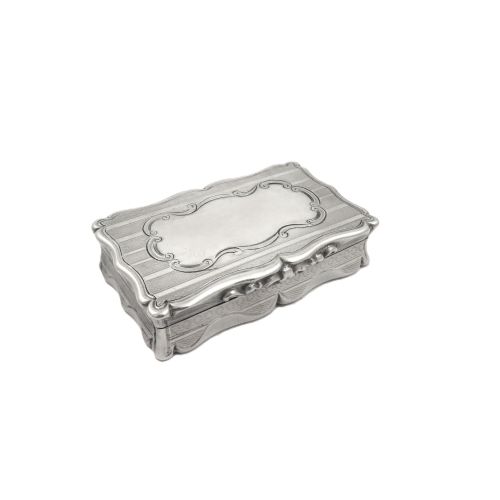
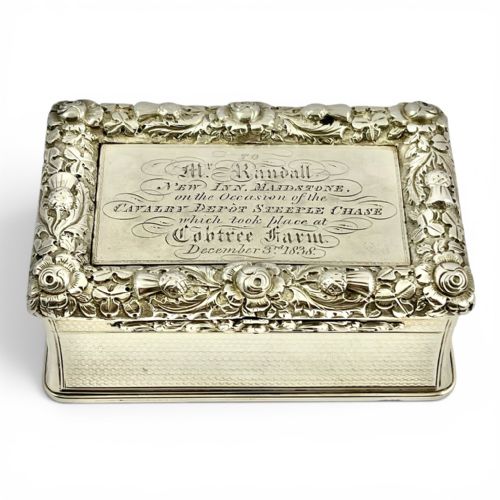
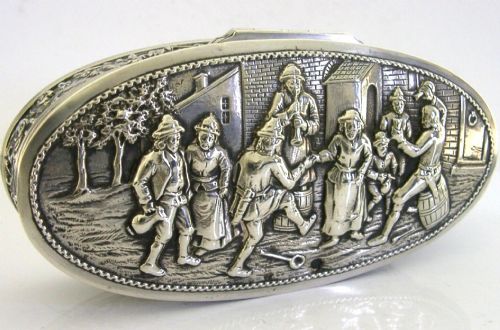
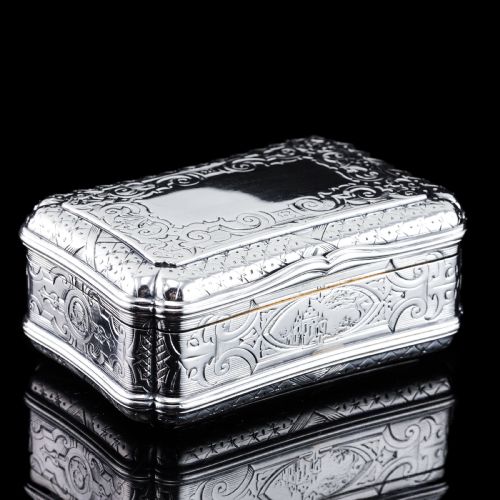
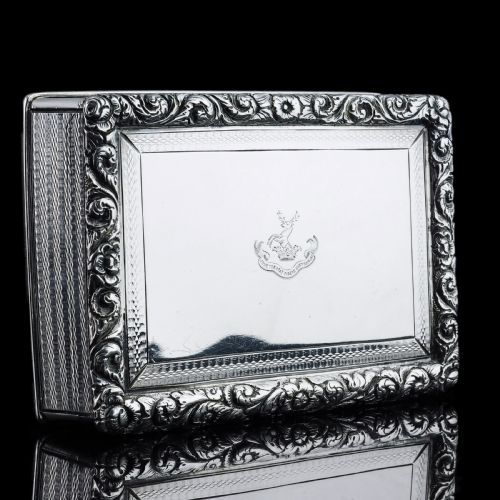
Silversmiths constructed the metal examples from solid sterling silver or silver gilt, employing techniques such as engine turning, hand engraving, and cast acanthus borders. Continental makers utilised niello and high-relief picture casting to build elaborate castle tops and figural lid scenes.
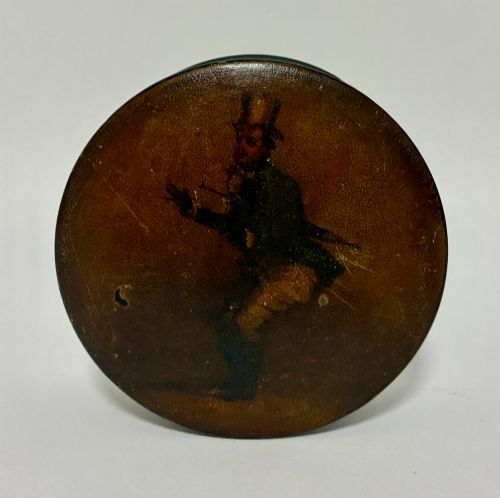
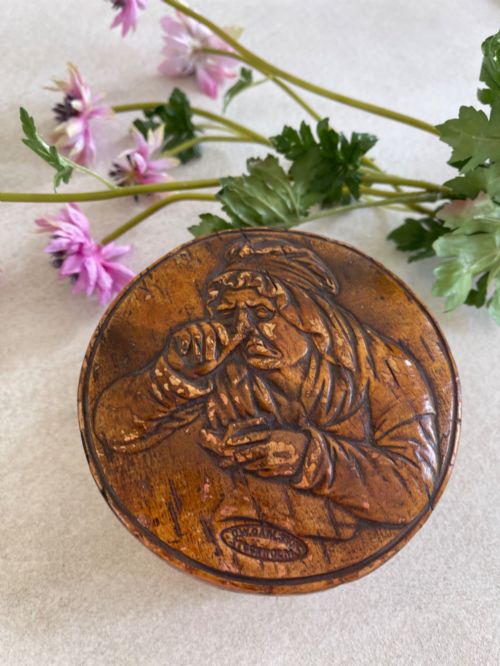
Organic variants rely on turned treen, tortoiseshell, horn, shell and papier-mache, often mounted with silver hinges and rims. Stobwasser and Scottish workshops shaped hardwoods and burr root into smooth, tactile surfaces finished with dark lacquers and intricate carved reliefs.
What varies in quality
The distinction between ordinary and exceptional work rests on the weight of the metal gauge and the crispness of the chased decoration. Superior boxes display deep, sharp relief work on cast borders and lids without softening from excessive polishing.
On organic pieces, quality is measured by the tightness of the grain, the precision of the silver mount integration, and the preservation of original hand-carved details. Maker attribution to notable silversmiths further elevates the standing of a piece within the historical record.
Antique Table Snuff Box Retail Price Guide 2026
Typical asking prices for table snuff box among the pieces listed under this phrase on Sellingantiques today, from the lower quarter to the upper quarter. They describe what is for sale here now, not the wider market.
Some Scottish wooden boxes are carved with the face of Tam O' Shanter fleeing witches.
Thomas Shaw·Edward Smith·Joseph Willmore·Edward Edwards·Edward Farrell·David Pettifer·Nathaniel Mills·Frederick Mason·Yapp & Woodward·Charles Rawlings & William Summers
The Antique Table Snuff Box Glossary
- Castles top
- A heavy silver lid embossed with a detailed architectural scene of a castle or historic building. This technique is frequently found on large presentation boxes from the nineteenth century.
- Niello
- A black metallic alloy of sulphur, silver, lead and copper used as an inlay on engraved metal surfaces. It creates stark, dark contrasts against bright silver backgrounds.
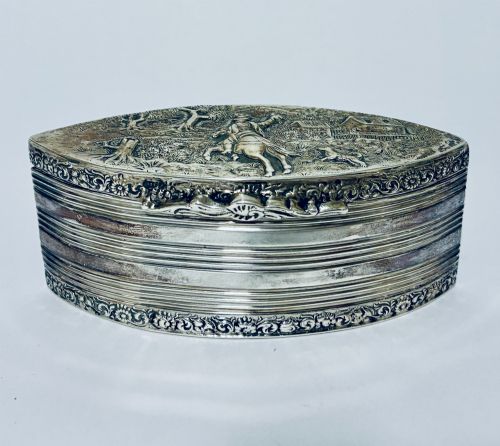
- Navette
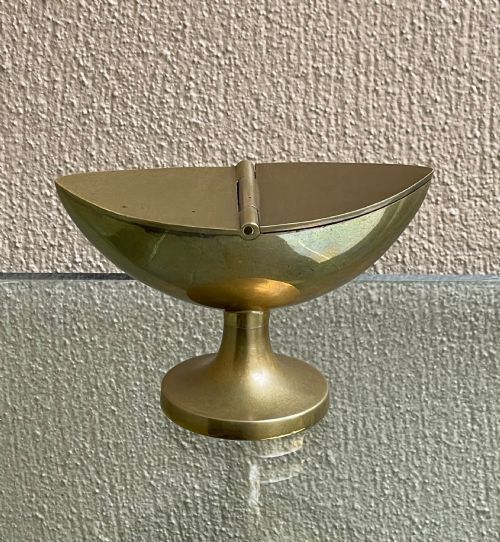
- A boat-shaped profile featuring pointed ends and a tapering central body. This geometric form appears on brass and silver boxes from the Georgian era.
- Treen
- Small handmade wooden household objects created by turning on a lathe or carving by hand. Collectors prize early examples fashioned from burr walnut, sycamore and amboyna.
- Silver gilt
- Sterling silver that has been coated with a thin layer of gold on its interior or exterior surfaces. This treatment prevents the silver from tarnishing when exposed to tobacco acids.
Antique Table Snuff Box: Frequently Asked Questions
How were antique table snuff boxes used?
These receptacles sat permanently on dining or drawing room tables to offer powdered tobacco to guests during social gatherings. Users would pinch small amounts of snuff from the well to inhale or place on the back of the hand.
As social habits shifted toward smoking and other pastimes, owners repurposed the heavier boxes to hold trinkets, coins, and stamps. Their substantial weight ensured they remained stable desktop accessories rather than pocket carriers.
How do you date an antique table snuff box?
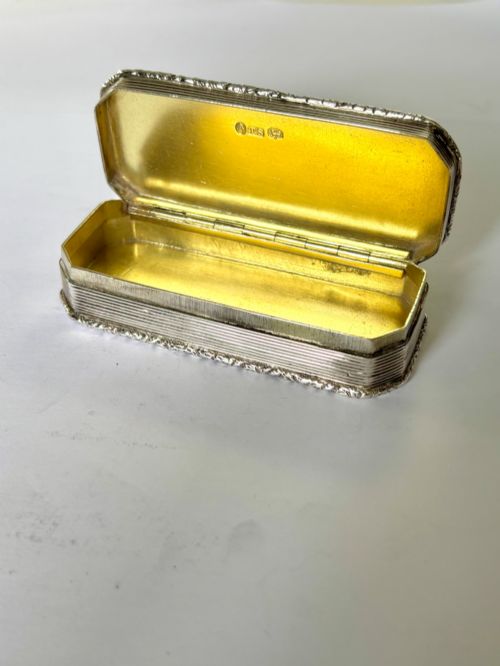
British silver examples rely on integrated hallmarks stamped directly into the metal, revealing the assay office, date letter, and maker's mark. These official stamps allow collectors to pinpoint the exact year of manufacture.
Unmarked Continental pieces and organic materials like papier-mache or treen are dated through stylistic clues, construction methods, and prevailing decorative motifs. Rococo revivals, engine-turned patterns, and specific regional carving styles provide clear chronological markers.
How do you care for an antique snuff box?
Silver boxes require gentle dusting and minimal polishing to preserve the original patina and sharp details of the hand engraving. Aggressive cleaning strips away the nuanced definition of chased borders and historical wear marks.
Organic materials like tortoiseshell, horn, and papier-mache must be kept away from direct sunlight and excessive moisture to prevent warping. Conditioning the wood and horn gently helps maintain the rich deep patina built up over centuries.