



Vintage Patch Box
These vintage patch box pieces are small portable containers designed to hold cosmetic beauty spots, combining practical utility with fine miniature artistry.
Vintage Patch Box
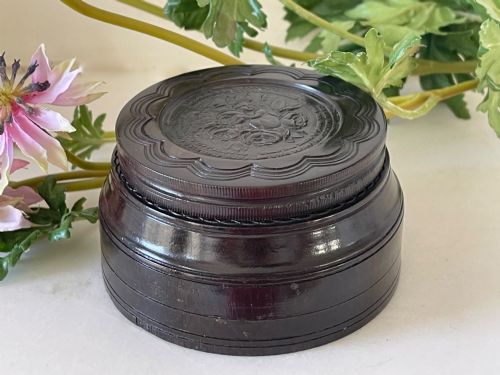
When you search for a vintage patch box, you encounter small personal containers spanning from the seventeenth century through to the Edwardian era. These items take varied forms including rectangular enamel boxes, silver pieces, and mother of pearl pill containers.
The versions most likely to meet you on this page belong to the eighteenth century, particularly Georgian examples originating from Bilston and South Staffordshire. Alongside these, you find nineteenth century enamel boxes, Dutch Baroque pieces, and later Victorian and Edwardian silver creations.
Makers produced these objects to serve as decorative accessories for carrying silk or velvet patches used in polite society. Their surviving forms include snuff boxes, vinaigrettes, and trinket boxes alongside dedicated patch boxes.
How they were made
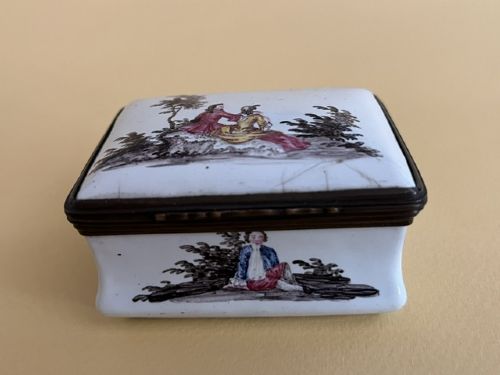
Enamel on copper or brass forms the core construction of many pieces, utilising smooth painted surfaces often decorated with polychrome scenes. Artisans shaped metal bases through hammering and casting before applying vitreous enamel layers.
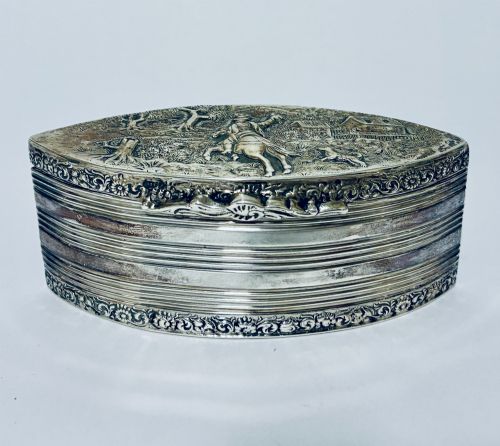
Silver and sterling silver feature prominently in later pieces, incorporating mother of pearl panels and gilt metal accents. Craftsmen engraved intricate details onto metal surfaces and mounted garnet stones into specific designs.
Enamel boxes on this page represent diverse regional traditions, including eighteenth century South Staffordshire production and seventeenth century Dutch Delft work.
What varies in quality
The refinement of the enamel painting and the crispness of the metal chasing dictate the standing of an individual piece. Earlier eighteenth century examples display finer miniature brushwork and more complex copper foundations than later mass-produced alternatives.
The integrity of the materials, such as the matching of mother of pearl inlay and the weight of the silver or gilded metal, separates superior examples from simpler utilitarian containers.
The Vintage Patch Box Glossary
- Patch box
- A small container originally used to store cosmetic face patches made of silk or velvet. These boxes often feature mirrored lids inside.
- Bilston enamel
- Enamel work produced in the Staffordshire town of Bilston during the eighteenth century. These pieces typically involve painted copper components.
- Vinaigrette
- A small ornamental metal box with a perforated inner grille used to hold a sponge soaked in aromatic vinegar. They are usually executed in silver or gilded metal.
- Dutch Baroque
- An ornate artistic style prevalent in the seventeenth century characterised by dramatic ornamentation and rich surface detail. It appears on early Delft snuff and patch combinations.
Vintage Patch Box: Frequently Asked Questions
What were vintage patch boxes used for?
These small containers held cosmetic patches made from silk, velvet, or leather that fashionable individuals applied to their faces. Society members used them to conceal blemishes or display symbolic shapes.
Over time, many of these receptacles transitioned into general trinket containers or pill boxes. Their portable nature made them ideal pocket accessories for daily use.
How do I date a patch box?
Dating relies on examining the materials, construction techniques, and stylistic markers present in the piece. Eighteenth century examples frequently use enamel on copper, while Victorian and Edwardian versions lean towards sterling silver and mother of pearl.
Stylistic influences such as Georgian Rococo or Neoclassical motifs provide further chronological anchors. Hallmarks on silver components offer definitive stamps of origin and date.
Are these boxes made of solid silver?
Not all boxes utilise solid silver, as many early examples consist of copper or brass coated with enamel or gilt metal. Later nineteenth and twentieth century pieces more commonly incorporate sterling silver and mother of pearl.
Testing the metal or checking for assay marks helps determine the exact material composition. Gilded metal and brass form the structural base of numerous antique trinket boxes.
How should I clean my antique box?
Enamel surfaces require gentle wiping with a soft, dry cloth to prevent moisture damage to the painted decoration. Avoid harsh chemical cleaners and abrasive cloths that can scratch the glaze or metal.
Silver components benefit from occasional light polishing with a specialised cloth, taking care to avoid contact with any enamel panels. Store them in stable environments away from direct sunlight.