

Small Pill Box
These small pill box designs bring pocket-sized artistry from the Georgian, Victorian, and Edwardian eras into modern hands for holding tiny keepsakes.
Small Pill Box
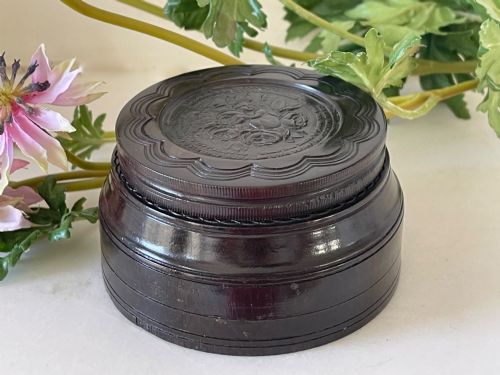
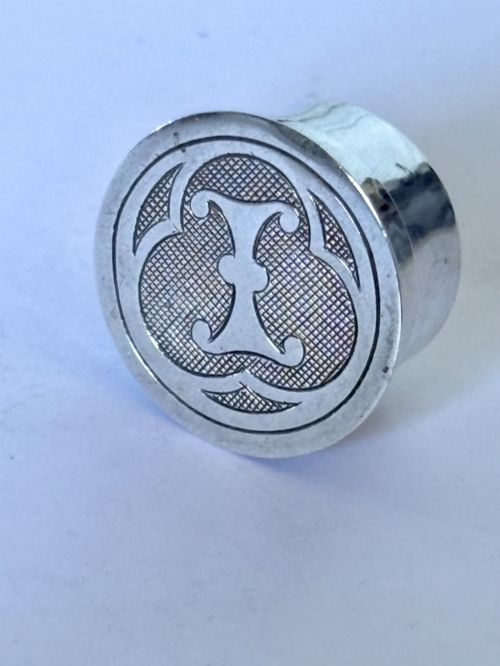
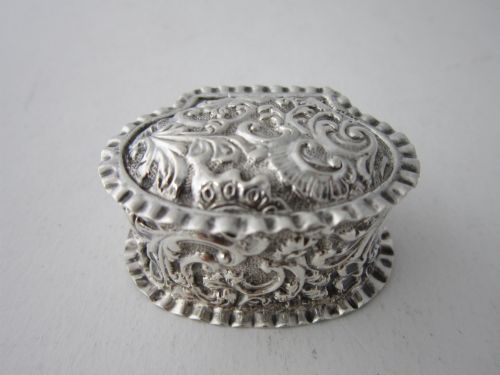
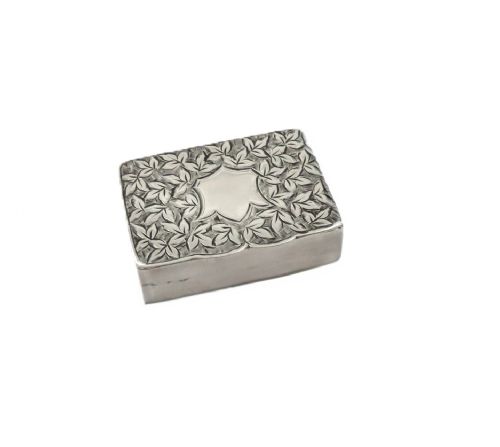
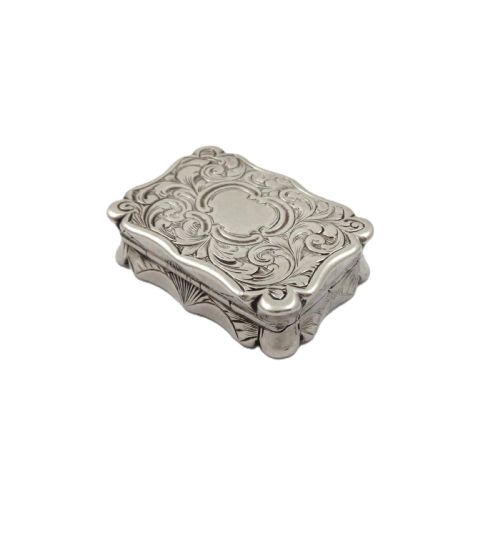
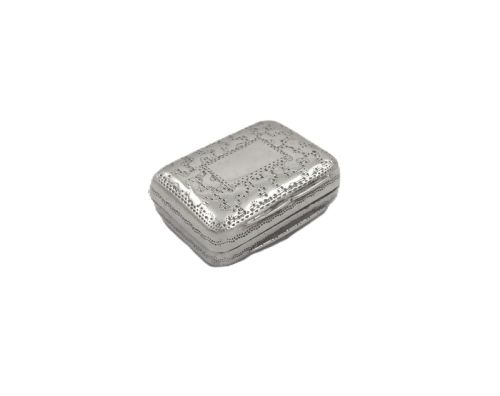
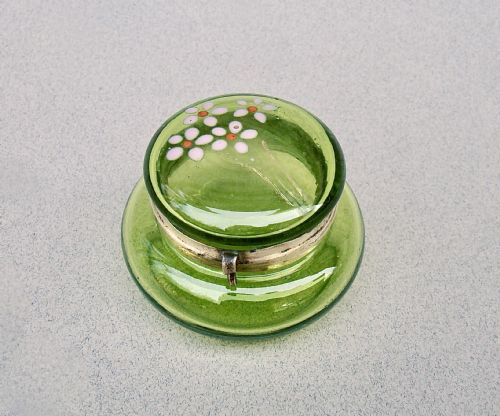
A small pill box represents portable craftsmanship designed to hold medicinal doses, snuff, or patches during eras when personal accessories were richly detailed. Buyers searching for a small pill box encounter silver, brass, glass, and porcelain vessels shaped as rounds, ovals, and novelty animals.
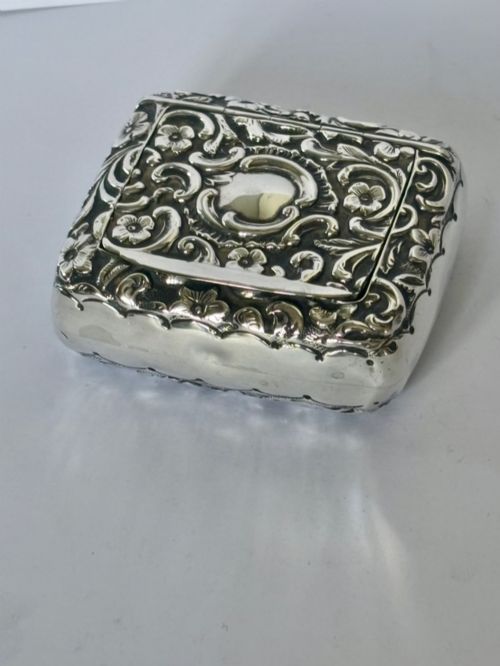
The pieces appearing on this page originate predominantly from Georgian, Victorian, and Edwardian workshops, alongside nineteenth-century French and Indian makers. Silver examples frequently bear hallmarks from Birmingham or London assay offices, noting precise years of production.
Beyond standard pill containers, related forms such as snuff boxes, vinaigrettes, patch boxes, and pyx boxes share the same compact scale. These items served functional daily roles in pockets and reticules before surviving as collectible antiquities.
Materials and construction methods
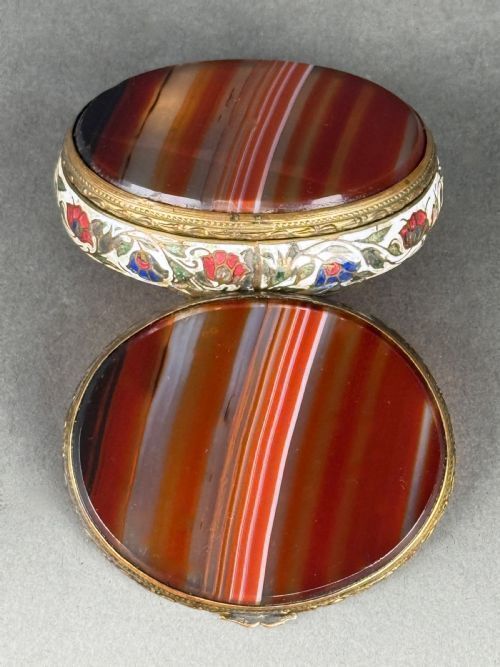
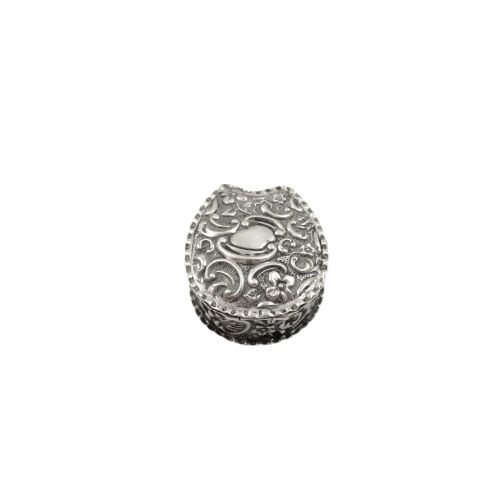
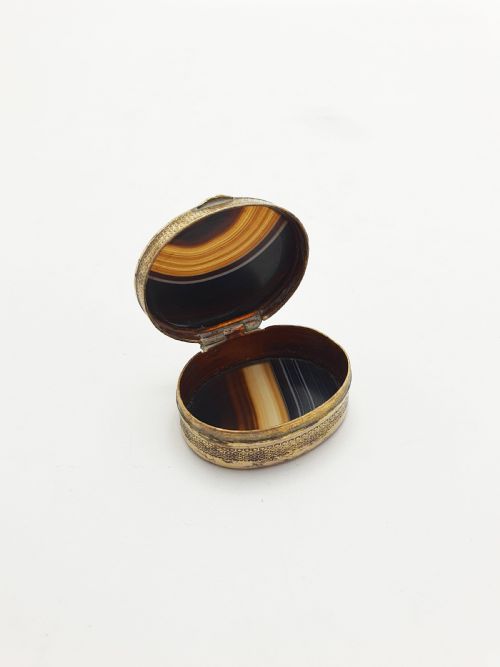
Silversmiths utilised sterling silver and silver gilt, shaping metal through embossing, engine turning, spot-hammering, and delicate filigree work. Makers combined these metals with mother-of-pearl, tortoiseshell, banded agate, and amethyst stones.
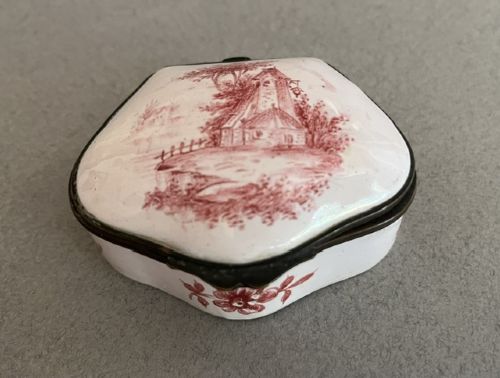
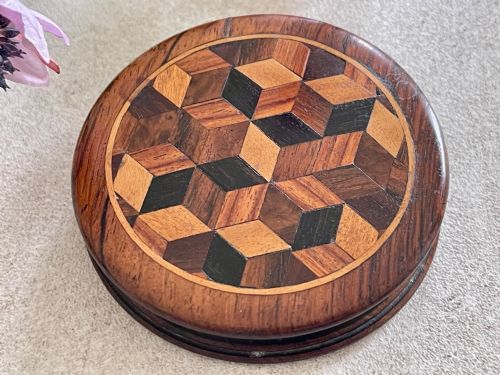
Enamelling techniques such as champlevé and bi-colour applications added vibrant colour to brass, copper, and silver foundations. Woodworkers also employed marquetry and Tunbridge ware mosaic techniques to surface small boxes with specimen woods.
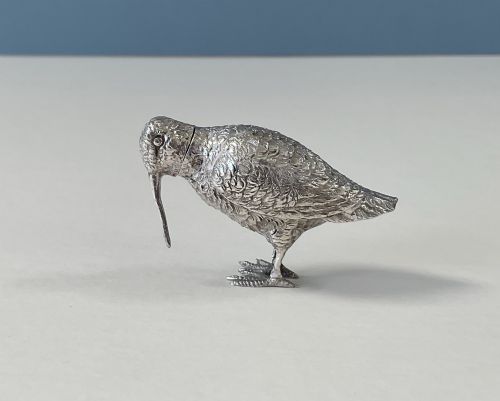
Current listings feature nineteenth-century French champlevé enamel, Edwardian novelty animal containers shaped as cows and snipe, and Georgian sterling silver vinaigrettes.
Distinctions in quality
The standard of a small pill box rests on the crispness of its chasing, the tight alignment of its hinge and clasp, and the preservation of its enamel or stone panels. Superior examples exhibit legible hallmarks and hand-engraved detailing that remains sharp under magnification.
Novelty forms gain distinction through anatomical realism and clever mechanical elements, such as hinged lids on animal figures or double-sided compartments. Lesser pieces show rubbed decoration, loose hinges, or replacement liners that obscure the original maker's hand.
Henry Matthews·FA Barrett·Edme Samson Of Paris·Nathan & Hayes·Asprey
The Small Pill Box Glossary
- Vinaigrette
- A small ornamental box featuring a perforated internal grille beneath the lid, historically soaked with aromatic vinegar on a sponge. These pieces date principally from the Georgian and Victorian periods.
- Pyx box
- A small round container traditionally used to carry sacramental bread or medicinal doses securely. They frequently feature secure screw lids or tight snap closures.
- Champlevé
- An enamelling technique where troughs are dug into a metal surface and filled with vitreous paste before firing. This creates durable coloured patterns flush with the surrounding metal.
- Engine turning
- A mechanical decoration method producing precise geometric patterns of engraved lines on metal surfaces. It requires a specialised rose engine lathe.
- Patch box
- A small container equipped with an internal mirror, used in the eighteenth century to hold cosmetic face patches. They are commonly constructed from enamel, glass, or silver.
Small Pill Box: Frequently Asked Questions
What did people keep in a small pill box?
These containers held personal medications, herbal remedies, and lozenges for quick access throughout the day.
People carried them in pockets, waist bags, or reticules as practical items of daily utility.
How do I identify a Victorian piece?
Victorian examples often display British silver hallmarks that include a sovereign's head duty mark, a city assay symbol, and a date letter.
Stylistic cues such as heavy embossed floral scrollwork or spot-hammered surfaces also point toward nineteenth-century production.
What is the difference between a pill box and a snuff box?
Snuff boxes were built to store powdered tobacco for nasal ingestion, requiring airtight closures to preserve moisture and aroma.
Pill boxes generally feature slightly deeper wells suited for solid medicinal doses rather than loose powder.
How should I clean antique silver boxes?
Silver pieces require gentle dusting with a soft microfibre cloth to remove surface grime without disturbing patination.
Harsh chemical dips and abrasive polishes should be avoided because they strip away delicate gilding and historical wear.