


Antique Table Lighting
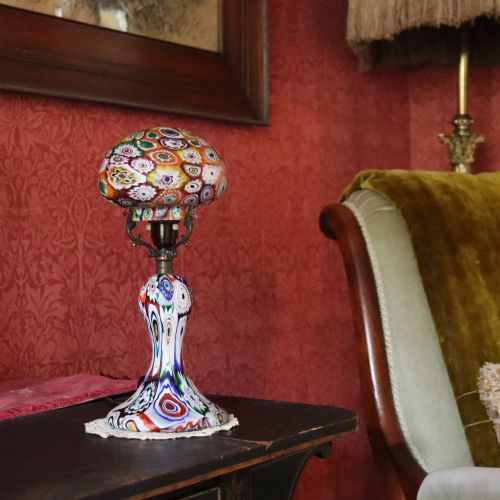
Antique table lighting brings warmth and period character to a room, spanning brass candlesticks, ceramic bases and converted oil lamps.
Antique Table Lighting
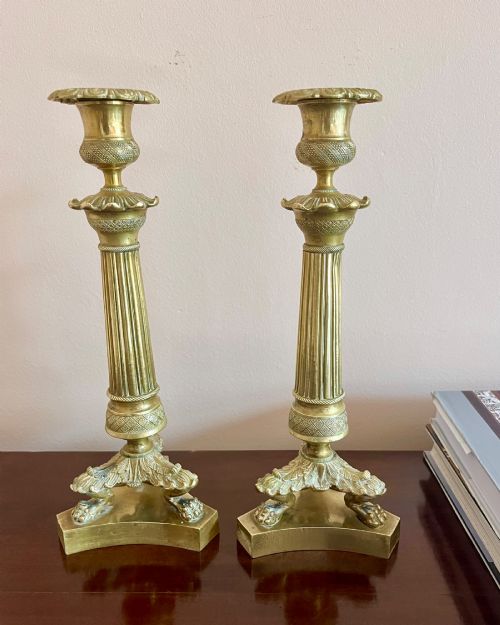
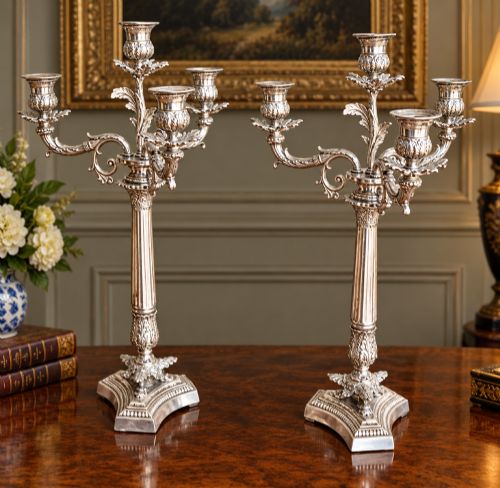
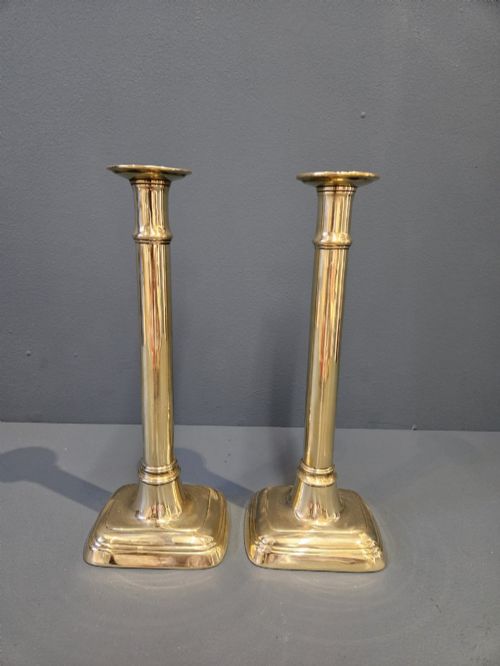
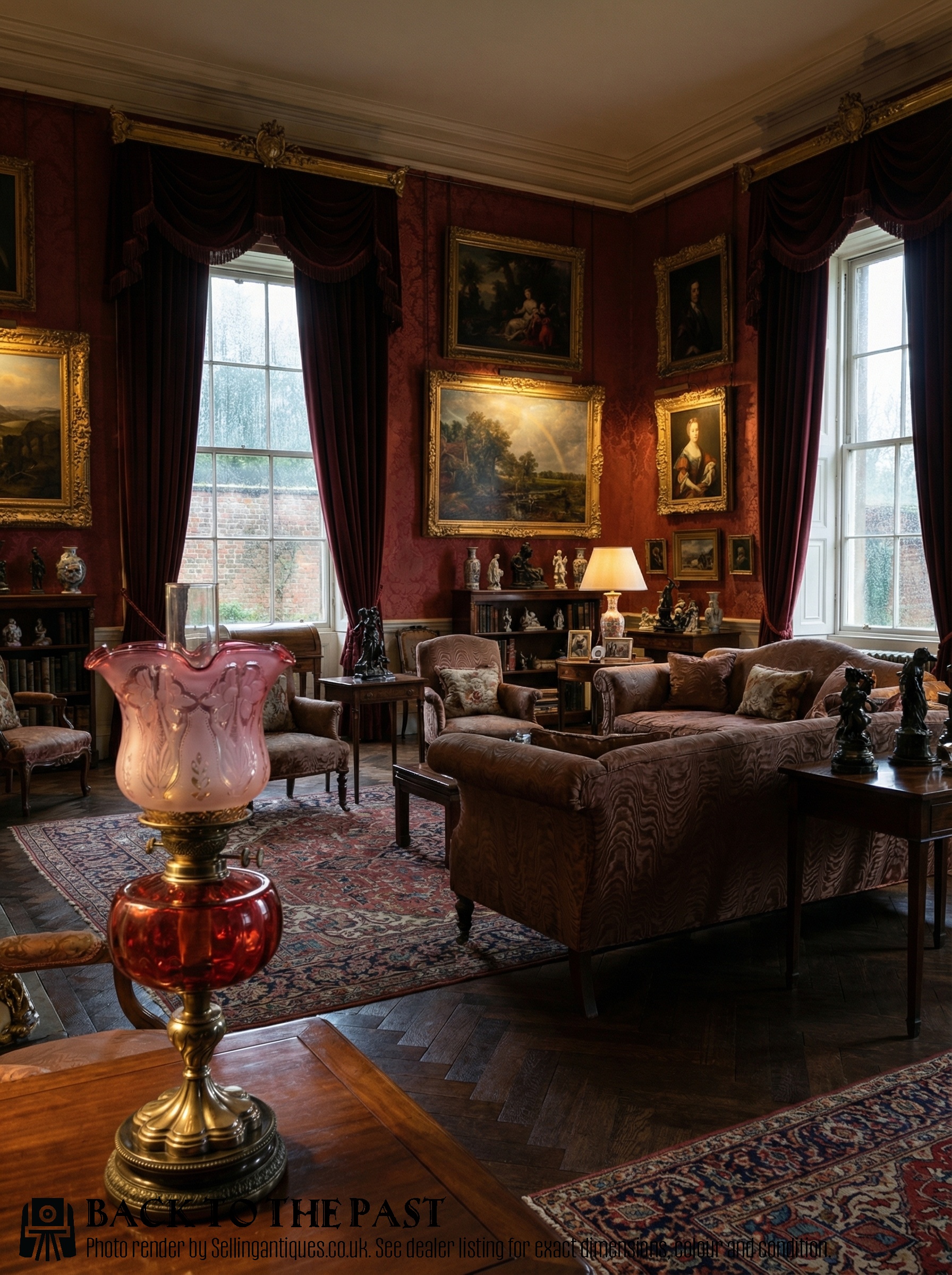
When searching for antique table lighting, buyers encounter a diverse selection ranging from nineteenth-century brass candlesticks to Art Deco desk lamps and Edwardian models. The offerings on this page lean heavily toward nineteenth-century brass and silver-plated examples, alongside converted oil lamps and early twentieth-century electric table lamps.
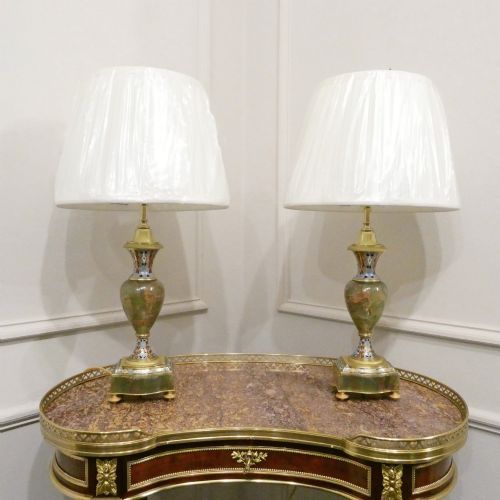
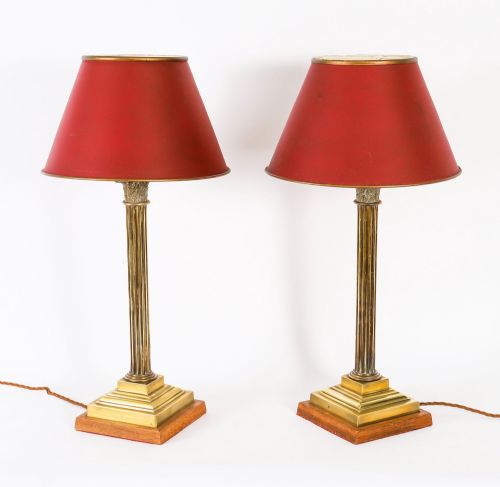
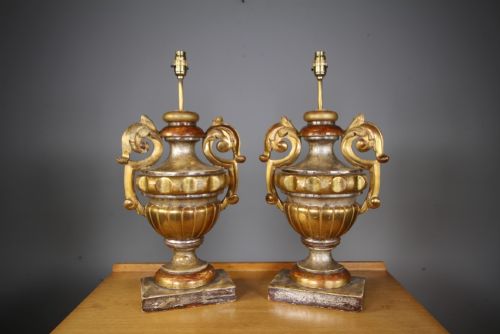
Forms vary from classic Corinthian column designs and figurative cherub bases to carved wood urns and glass lustres. Alongside dedicated lighting pieces, the selection incorporates converted items such as Japanese brush pots and ceramic owl figures adapted for domestic illumination.
The periods represented stretch from the Georgian era through the Victorian and Edwardian decades into the 1920s and 1930s. This wide chronological spread means buyers can find matching pairs of candlesticks for a formal dining setting or single modernist lamps for a workspace.
Materials and construction methods
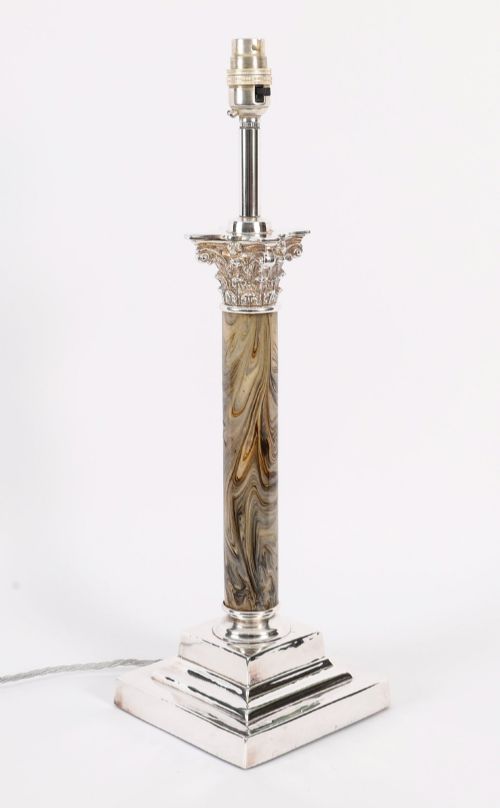
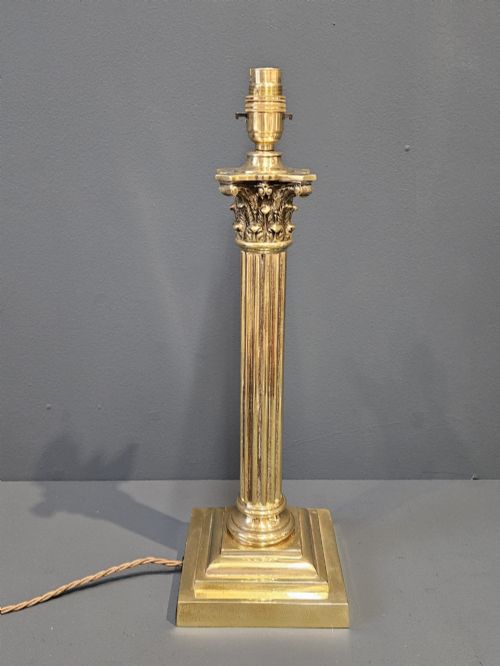
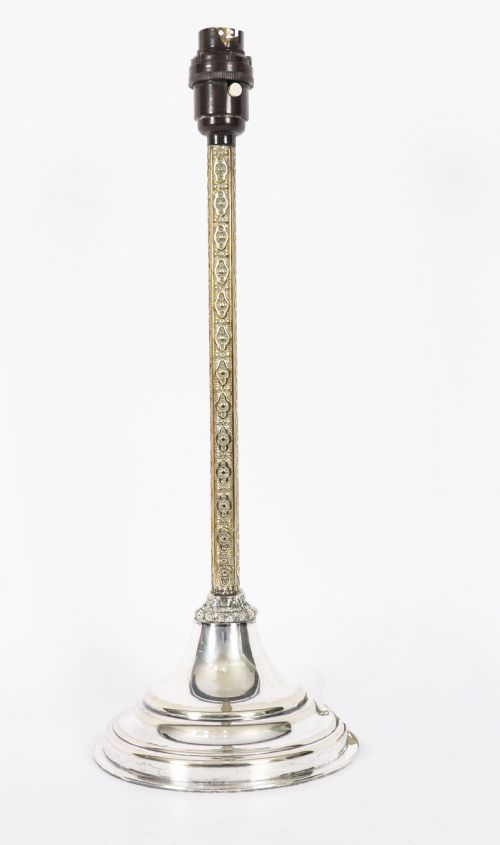
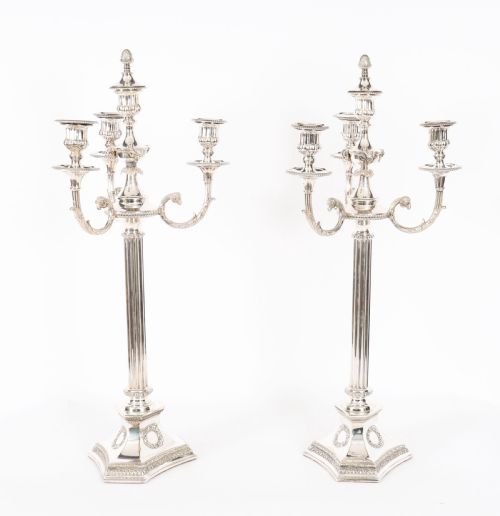
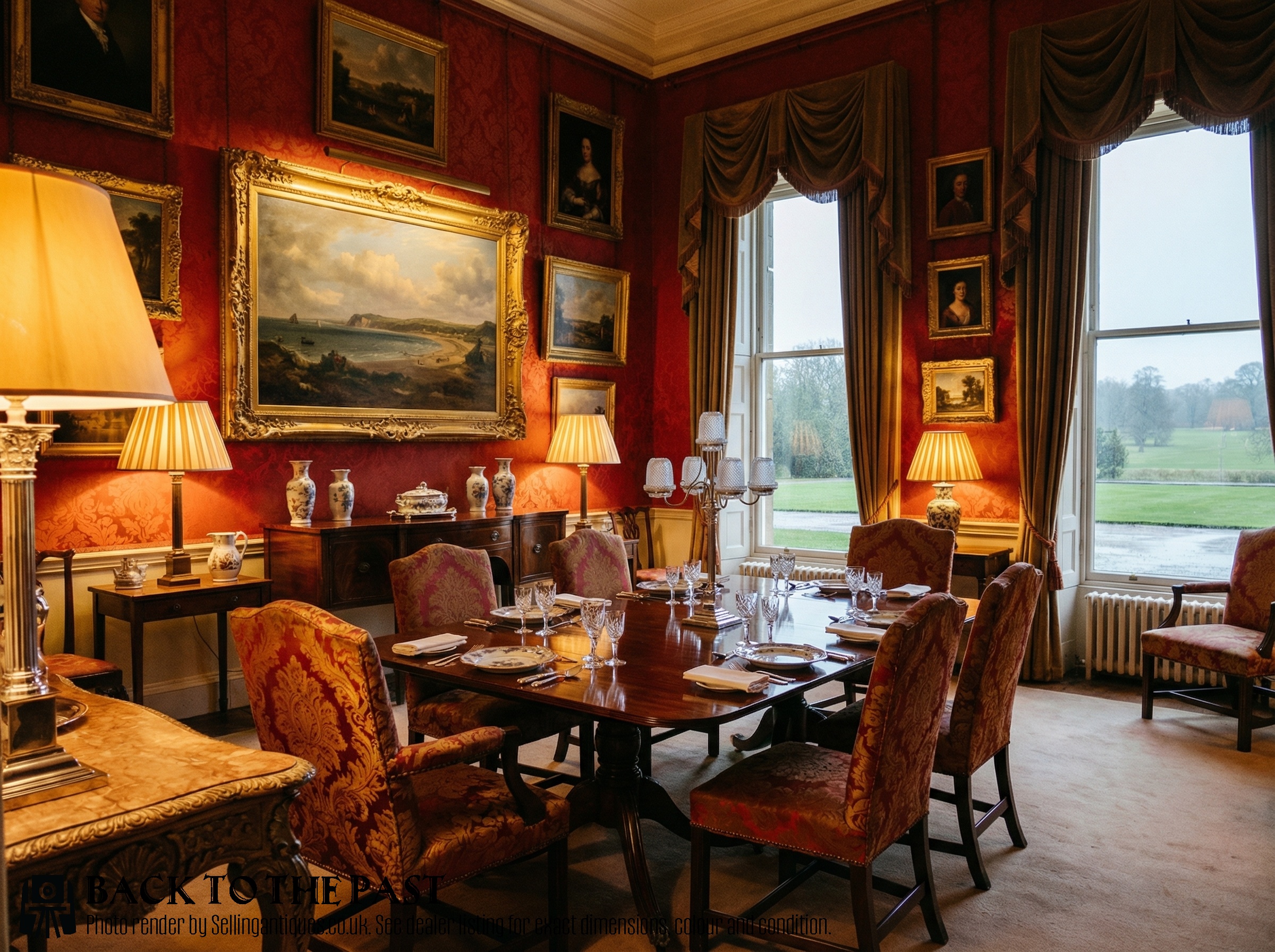
Metalwork dominates the construction of these pieces, utilising cast and chased brass, ormolu, bronze, and silver plating over base metals. Many nineteenth-century examples employ the Corinthian column form, cast in sections and assembled with threaded rods.
Wood and ceramics also play a prominent role, seen in carved pine, giltwood, oak, and glazed ceramic bodies. Artisans applied specialised surface treatments including parcel gilding, lacquer finishes for Chinoiserie designs, and champlevé enamel detailing.
Antique Table Lighting Retail Price Guide 2026
Typical asking prices for table lighting among the pieces listed under this phrase on Sellingantiques today, from the lower quarter to the upper quarter. They describe what is for sale here now, not the wider market.
Keep an eye out for the ceramic owl lamp base standing ready to illuminate the room from the Victorian era.
Distinctions in craftsmanship
Quality rests in the crispness of the casting and the depth of the hand-finishing, particularly on brass Corinthian columns and ormolu mounts where sharp fluting and detailed acanthus leaves mark superior work. Maker attribution, such as pieces bearing signatures or firm marks, distinguishes standard production from notable workshop output.
The integrity of the materials dictates longevity, separating solid cast metals and carved hardwoods from plated alternatives that show wear over time. Original surface patination and intact decorative elements, whether champlevé enamel or hand-applied lacquer, retain the integrity intended by the maker.
Mappin & Webb·Fratelli Toso·Eileen Grey
The Antique Table Lighting Glossary
- Champleve
- An enamelling technique where troughs are dug into a metal surface and filled with vitreous enamel before firing. This method creates colourful patterned designs on brass bases and decorative objects.
- Corinthian Column
- A classical architectural column style featuring ornate capitals decorated with acanthus leaves. This form was frequently adapted for nineteenth-century brass and silver-plated table lamps.
- Lustre
- A glass or porcelain decorative object hung with cut glass pendants designed to reflect candlelight. These items commonly sit on mantelpieces or side tables.
- Ormolu
- Gilded bronze produced by applying a mercury and gold amalgam to cast bronze. This technique imparts a rich golden finish to decorative mounts and candelabra.
- Parcel Gilt
- An object partially covered in gilt or gold leaf while other areas reveal the underlying material. This technique highlights specific decorative motifs on silver-plated or metal pieces.
Antique Table Lighting: Frequently Asked Questions
How do I identify a Victorian oil lamp?
Victorian oil lamps usually feature a heavy ceramic, glass, or brass reservoir sitting atop a matching column or pedestal base. Many retain their original burners and coloured glass shades.
Examining the maker's markings on the burner mechanism often helps confirm the production period and original manufacturer.
Are antique lamps safe to use today?
Many older pieces arrive rewired for modern electrical standards, while others retain their original fittings. Consulting a qualified electrician ensures any vintage lamp meets current safety requirements before daily use.
Preserving original switches or plugs is possible while updating internal wiring for household safety.
What is the difference between a candlestick and a lamp?
Candlesticks are designed to hold wax candles directly in a socket or on a spiked drip pan. Lamps incorporate electrical wiring or oil reservoirs to provide artificial illumination through bulbs or burning fuel.
Candlesticks are occasionally converted into lamps by running a cord through the centre shaft.
How do I care for brass table lighting?
Regular dusting with a soft, dry cloth prevents the accumulation of dirt on detailed castings and chased surfaces. Avoid harsh chemical polishes that strip away the aged patina accumulated over decades.
Preserving the natural surface oxidation maintains the historical character of nineteenth-century metalwork.