
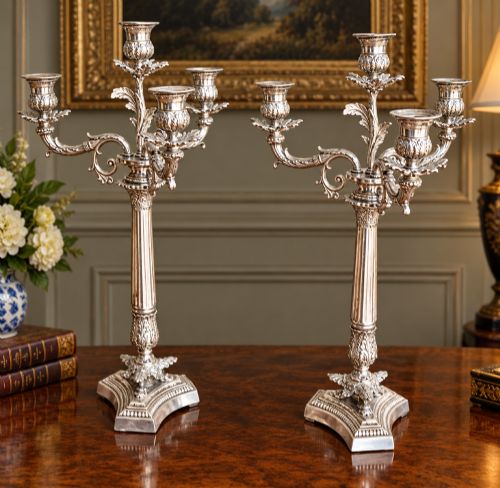
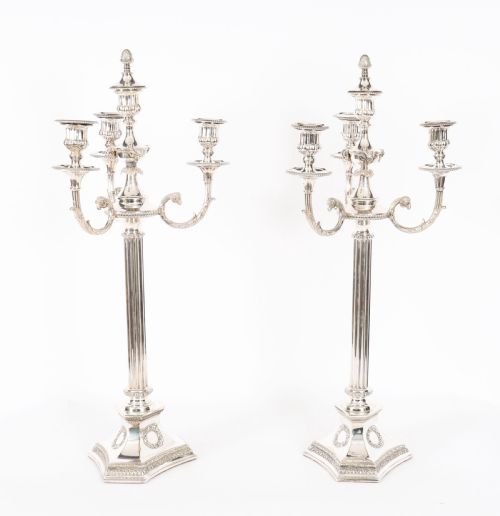

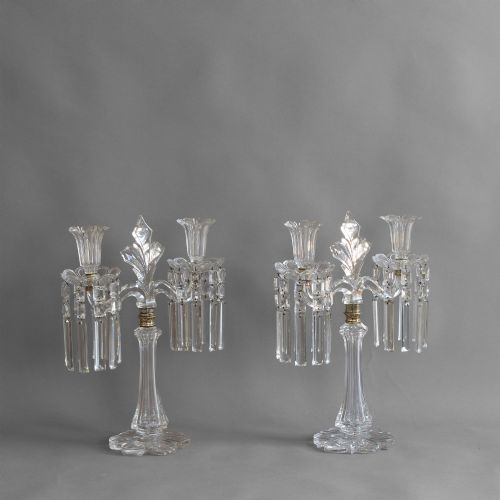
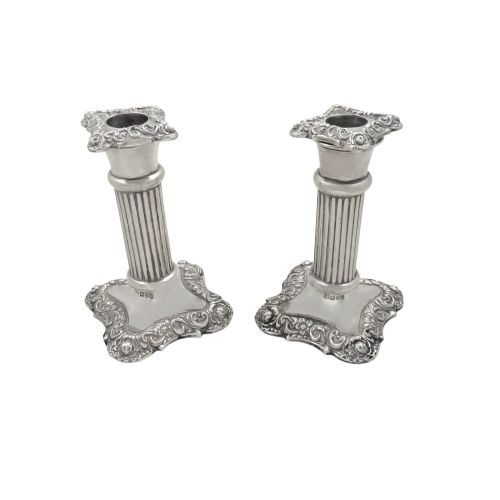
Antique Table Candelabra
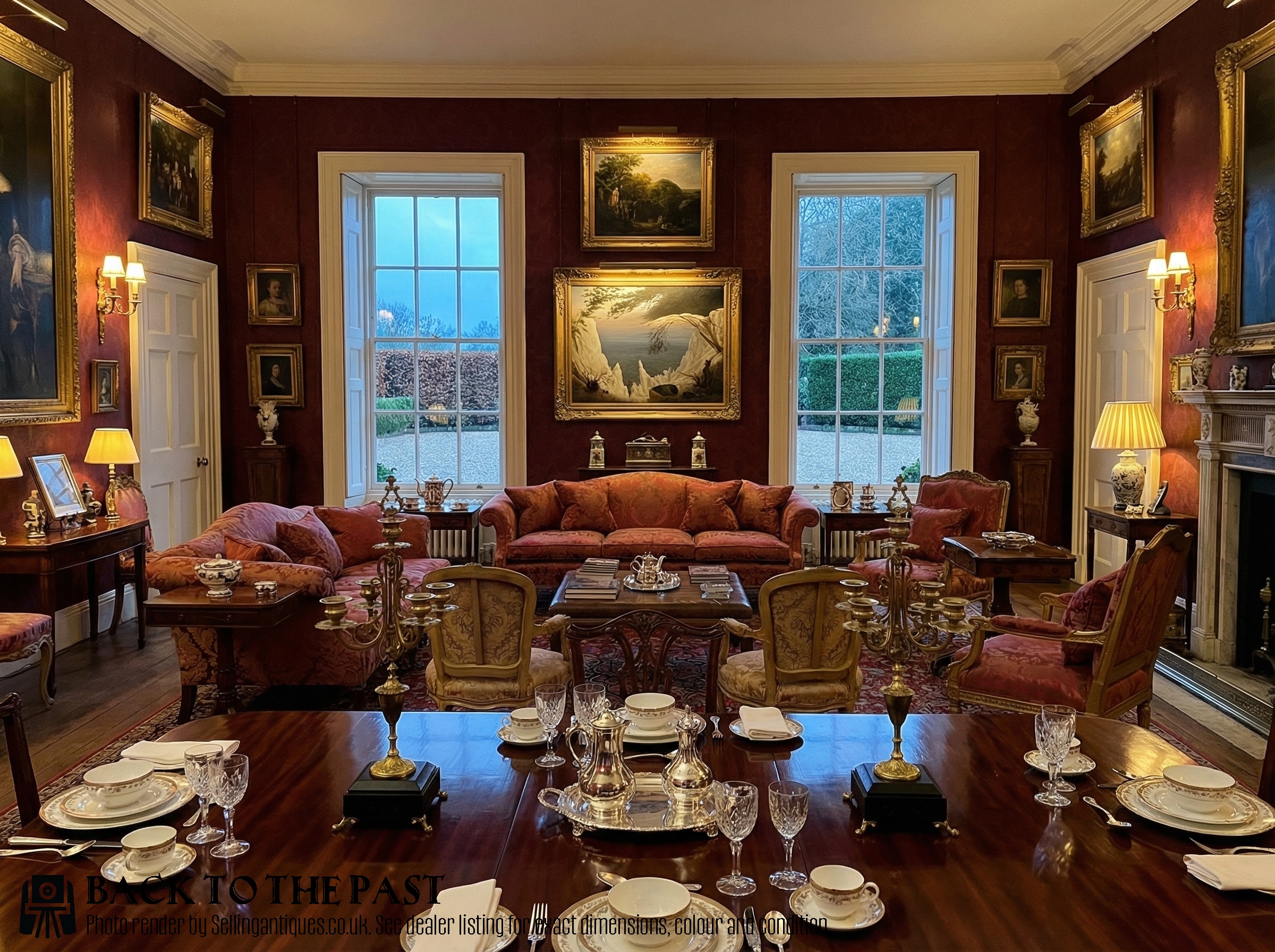
Antique table candelabra bring undeniable presence to a dining table or sideboard, offering both sculptural weight and warm candlelight.
Identifying antique table candelabra
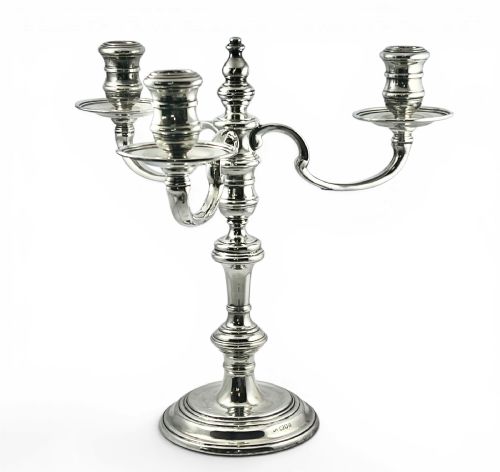
An antique table candelabra is a branched lighting fixture designed to hold multiple candles upon a table or surface. When you search for antique table candelabra, you encounter pieces intended as functional illumination and decorative centrepieces.
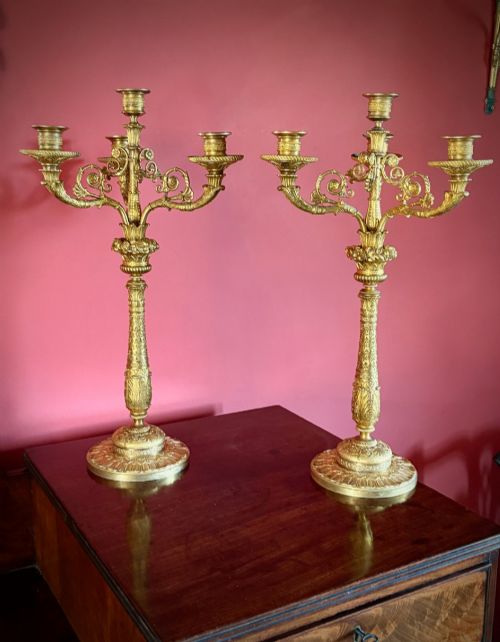
The versions most frequently met on this page date from the nineteenth century, including specific years such as 1860 and 1880. These items encompass pairs and individual examples fashioned in styles like Louis XVI Style, French Empire Revival, Italian Baroque, Victorian, and George III.
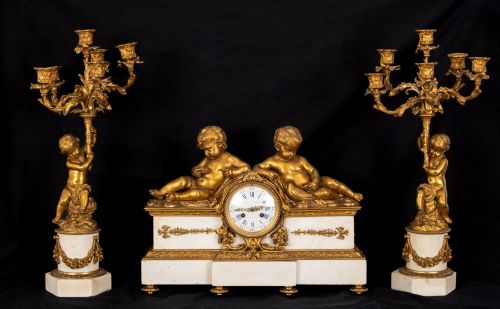
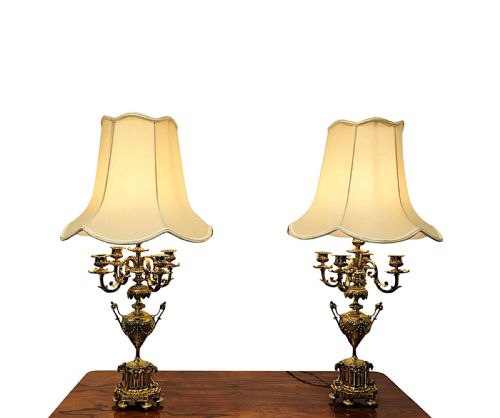
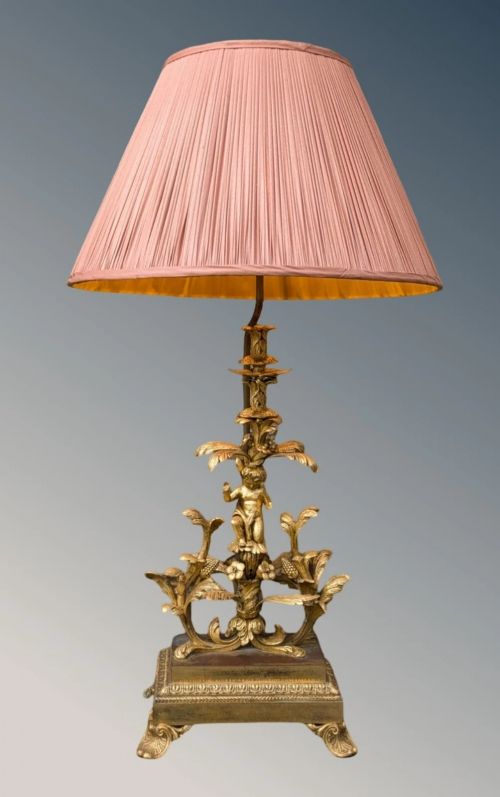
Originating from English, French, Dutch, Italian, and Flemish workshops, these objects take the form of candelabras, table lamps, and centrepieces. They range from simple brass student pieces to ornate gilt metal and bronze creations featuring cherubs.
Materials and construction
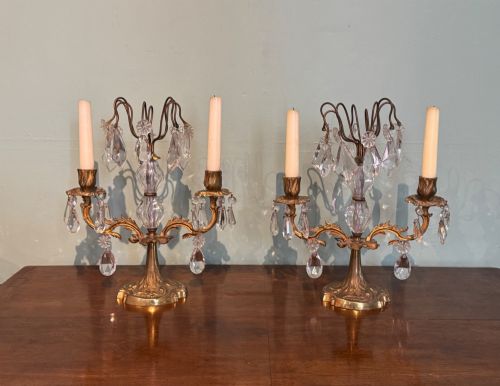
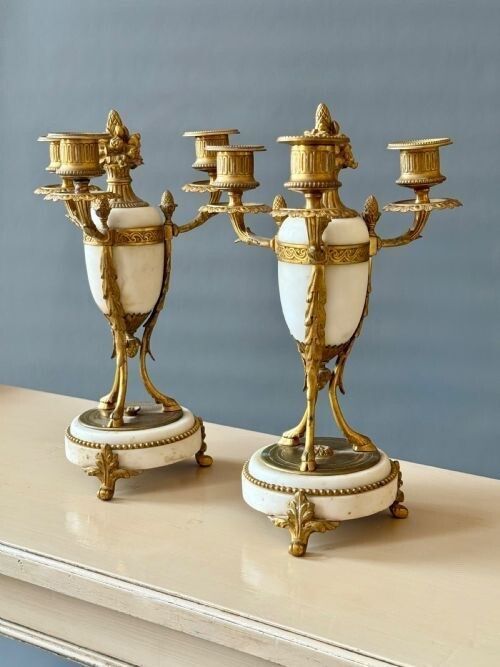
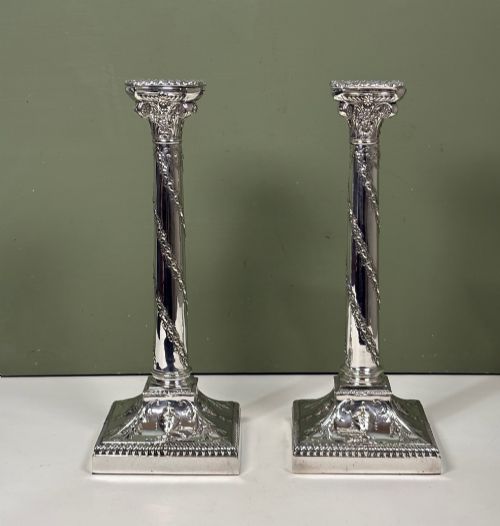
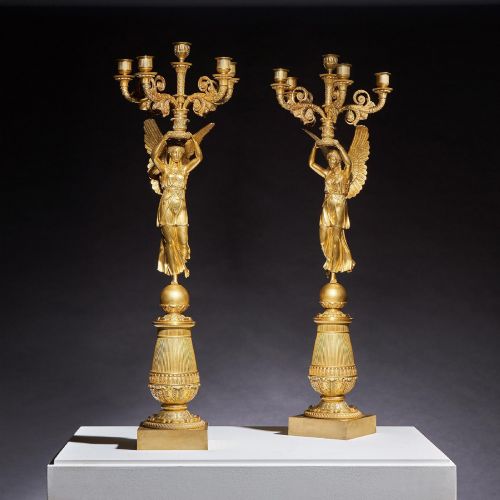
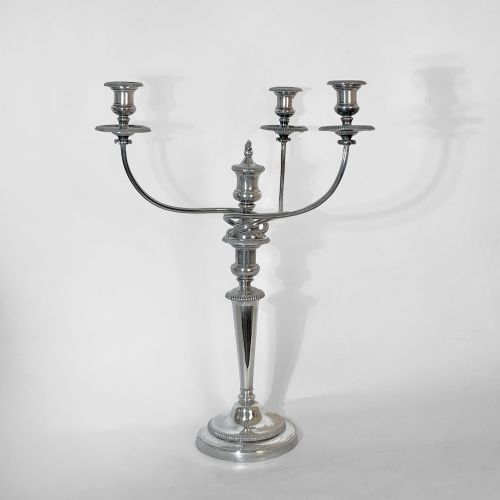
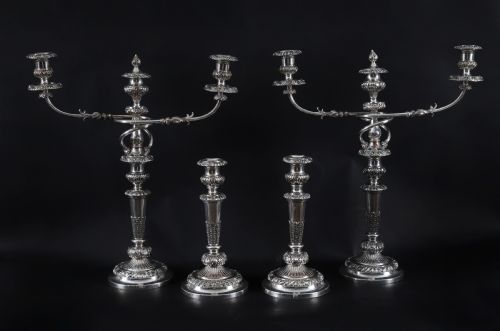
Construction relies heavily on metals such as brass, gilt bronze, patinated bronze, ormolu, gilt metal, and Old Sheffield Plate alongside silver plate. Many designs incorporate marble bases and glass elements to enhance stability and visual contrast.
Manufacturing techniques combine casting, chasing, and plating to build up the multi-armed structures. Some models incorporate mechanical ingenuity, featuring adjustable arms or rise and fall mechanisms for tailored lighting heights.
Retail Price Guide 2026
Typical UK retail prices for table candelabra, calculated from the Sellingantiques database of over a million retail prices indexed since 2003. This retail price guide relies exclusively on Sellingantiques data; no external sources or auction records are used, so the figures do not describe the wider market.
Several nineteenth-century models feature mischievous cherubs holding up candle branches, keeping watch over centuries of dinner table conversations.
Distinctions in craftsmanship
The distinction between standard and superior pieces rests in the crispness of the metal chasing and the depth of the gilding or patination. Heavier metalwork and finer detail in sculptural elements like cherubs separate the finest examples from simpler production.
Material selection also dictates quality, where genuine ormolu and heavy bronze command greater presence than basic gilt metal. The integration of solid marble plinths and secure, well-fitted branch connections indicates superior nineteenth-century workshop output.
The Antique Table Candelabra Glossary
- Candelabra
- A branched candlestick holder designed to support multiple candles simultaneously. These fixtures stand on tables or surfaces to provide both illumination and decoration.
- Ormolu
- Finely ground high-carat gold applied to a bronze base using a mercury amalgamation process. This technique creates a rich, durable golden surface seen on high-end nineteenth-century French pieces.
- Old Sheffield Plate
- A composite material formed by fusing a thin sheet of silver to a thicker copper base. It was used primarily before the invention of electroplating.
- Patinated Bronze
- Bronze that has been chemically treated to produce a dark or aged surface finish. This treatment highlights sculptural contours and provides contrast against gilt elements.
- Bouillotte
- A type of adjustable metal table lamp featuring a central shaft, multiple candle arms, and a characteristic shade. They were traditionally used for card games and desk work.
Frequently Asked Questions
What is an antique table candelabra?
An antique table candelabra is a branched candlestick holder designed to sit on a table or sideboard, providing multi-point illumination.
These pieces range from simple brass student lamps to ornate gilt bronze and marble centrepieces from the nineteenth century.
How were table candelabra used?
They were placed on dining tables, desks, and sideboards to light rooms before electricity became common.
Many designs served as formal centrepieces or adjustable study lamps for reading and writing.
How do I live with antique candelabra?
You can display them on dining tables, sideboards, or mantelpieces as decorative focal points.
Care should be taken when using actual wax candles to avoid drips on the historic metal or marble surfaces.
How do I tell different styles apart?
Styles reflect the prevailing decorative movements of their era, from the restrained symmetry of George III to the elaborate cherubs of Louis XVI Style.
French Empire Revival pieces often feature bold patinated bronze and ormolu contrasts, whereas Victorian brass models lean towards utilitarian robustness.