

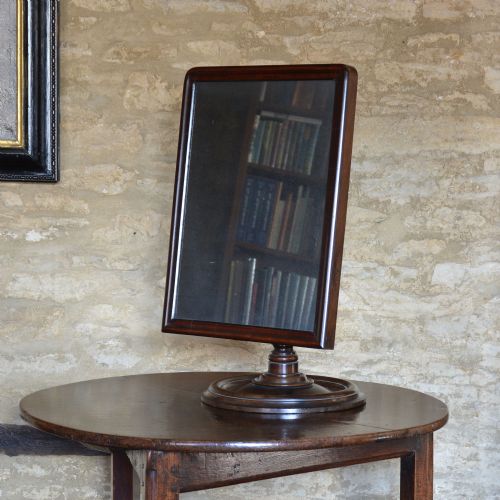
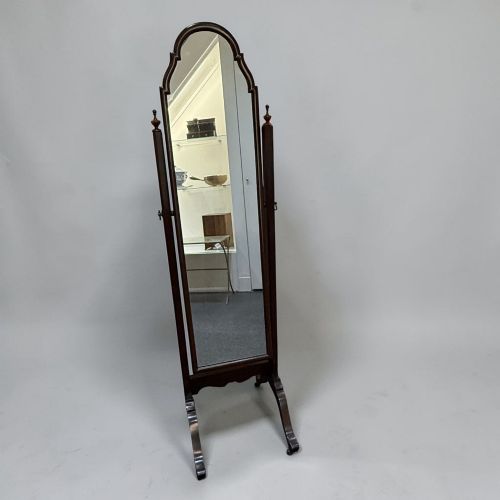
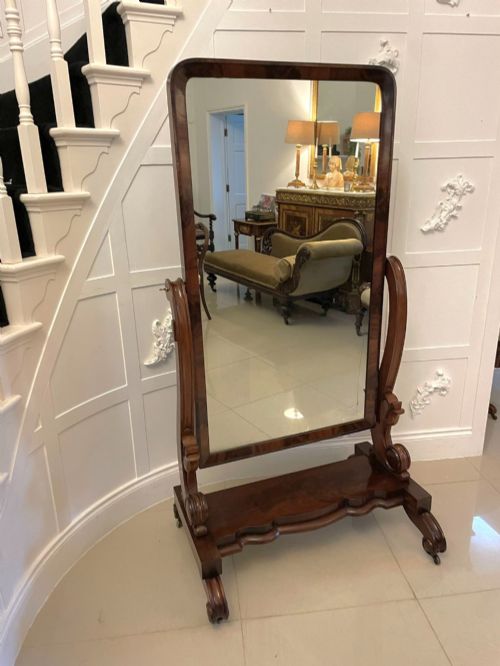
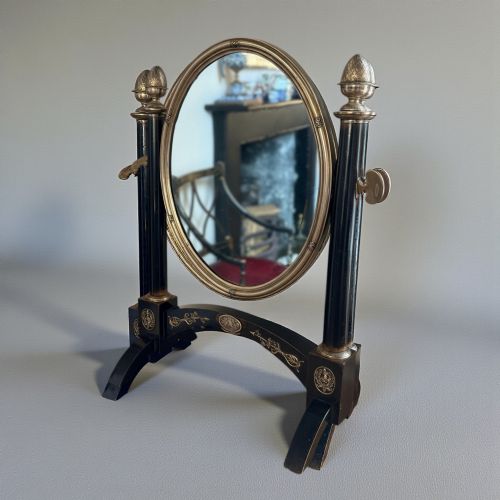
Antique Swivelling Mirror
An antique swivelling mirror brings functional movement and period warmth to a room, offering adjustable reflection through traditional frames.
Antique Swivelling Mirror
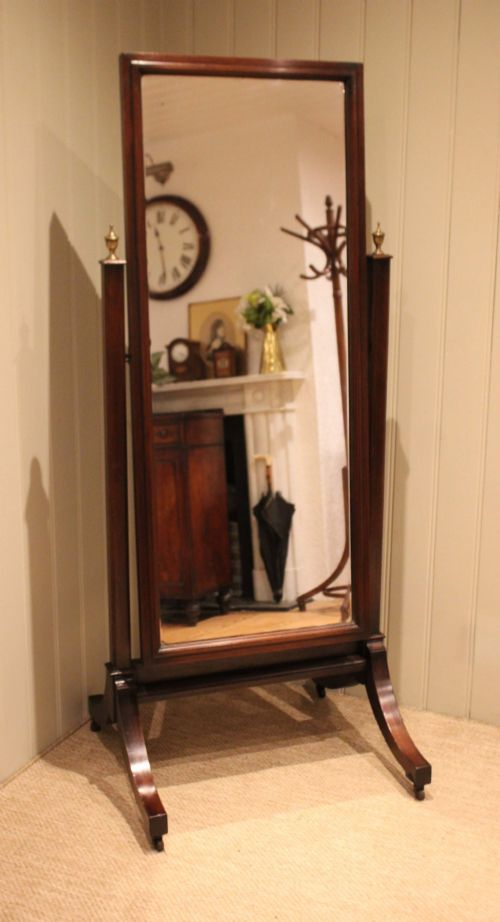
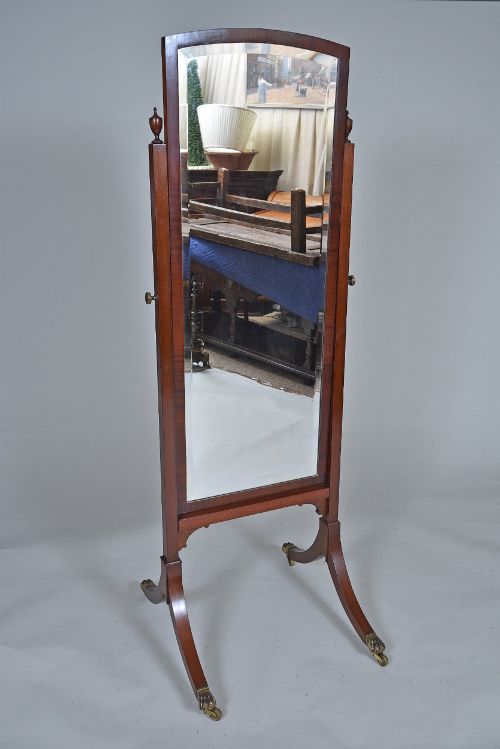
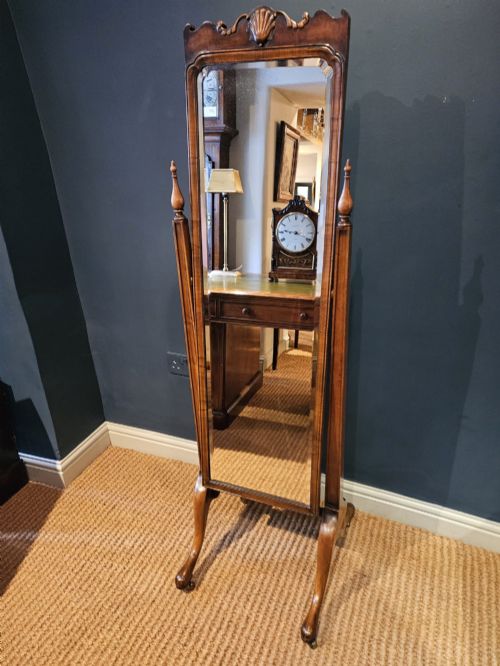
When you search for an antique swivelling mirror, you encounter pieces designed to tilt or swing on a frame for personal grooming and dressing. These items appear in various historical forms, ranging from compact table models to full-length floor-standing designs.
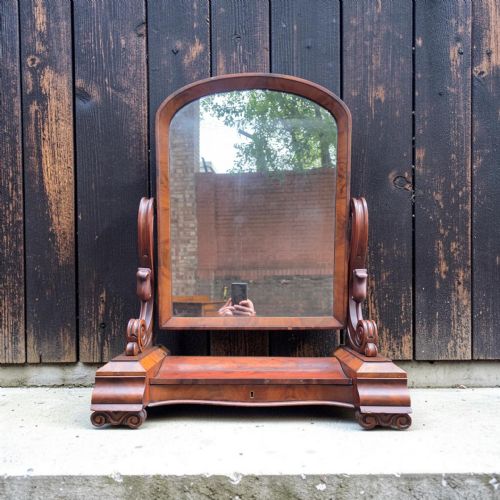
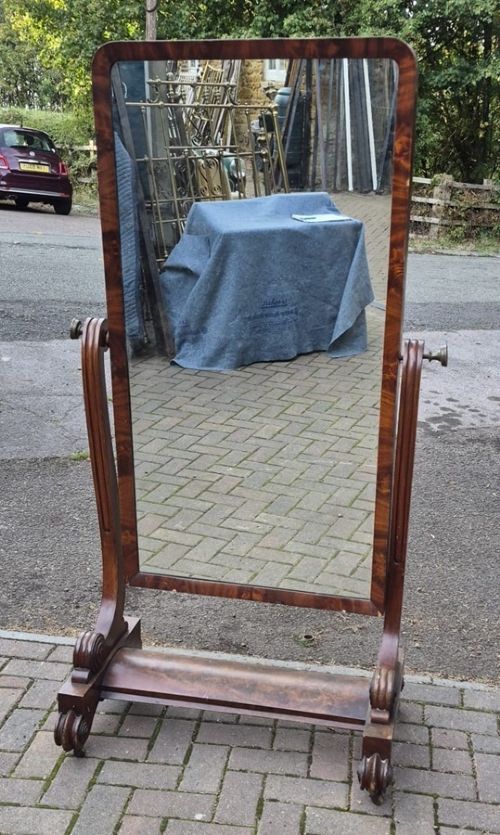
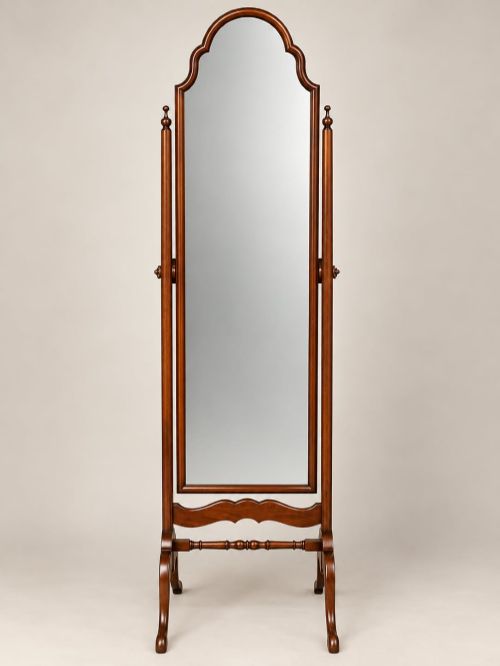
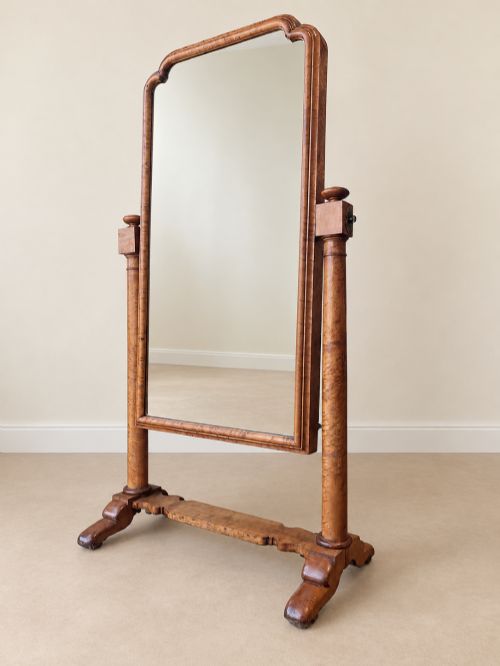
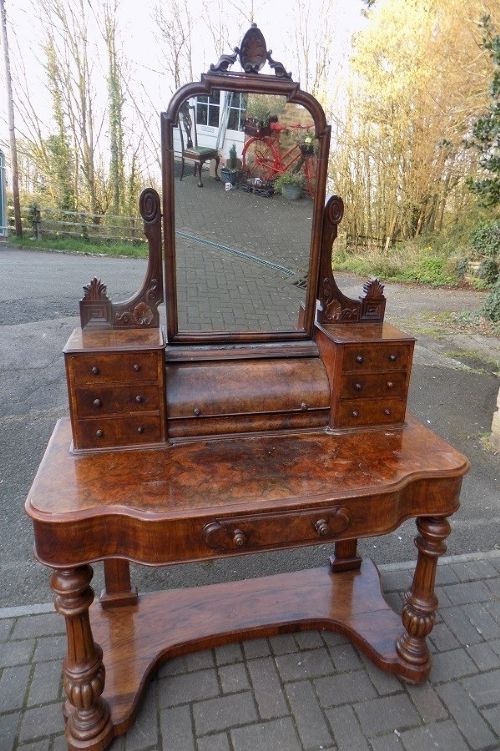
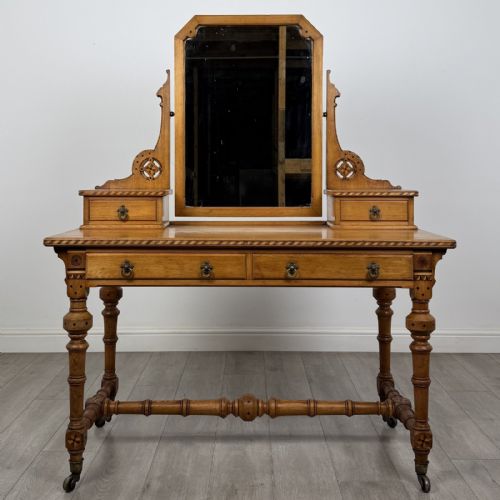
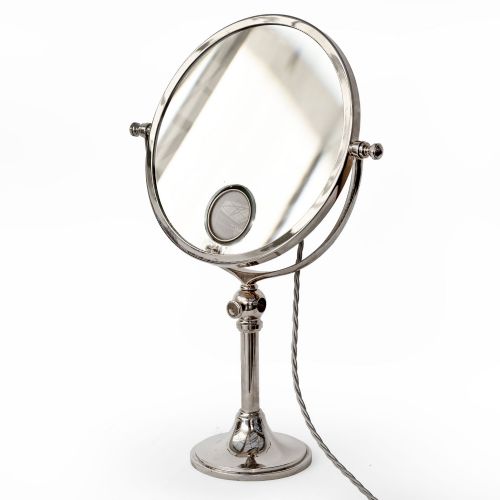
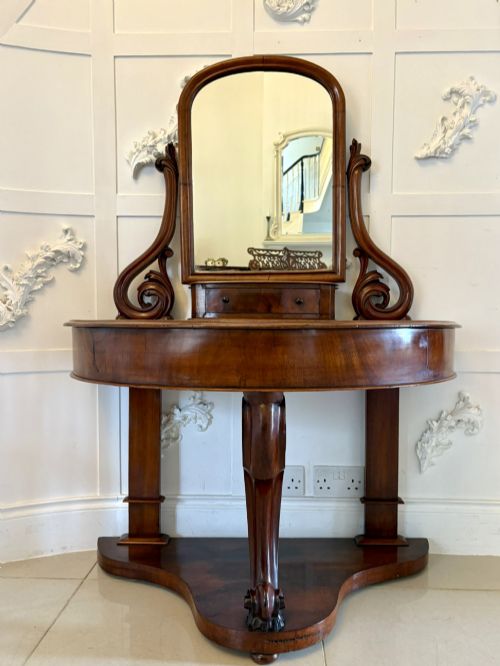
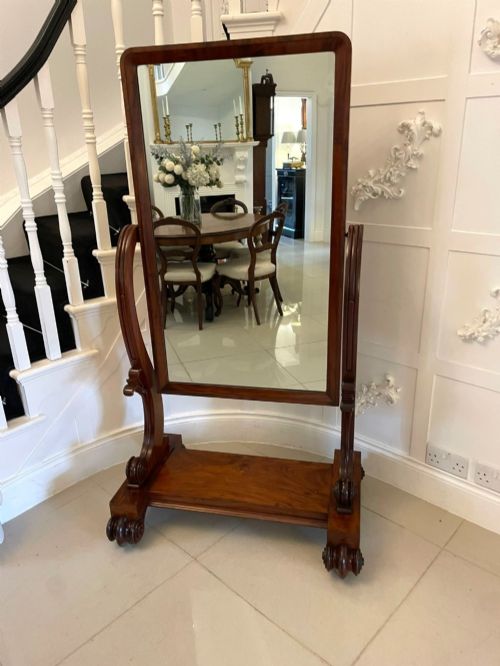
Buyers meet both smaller tabletop versions meant for chests of drawers and taller floor-standing cheval mirrors designed to show the entire outfit. Styles span from simple George II and Regency interpretations to ornate Victorian and early twentieth-century variations.
How they were made
Cabinet makers constructed the frames using solid timbers and veneers, frequently employing mahogany or walnut mounted on supportive uprights and feet. Pivot pins, brass screw caps, and side arms allowed the glass plate to tilt smoothly to the desired angle.
Mirror glass was set into rebated frames, sometimes backed with protective wooden panels and secured with traditional fixings. Additional detailing included boxwood stringing, bone accents, parcel-gilt highlights, and ormolu mounts depending on the period and style.
Antique Swivelling Mirror Retail Price Guide 2026
Typical asking prices for swivelling mirror among the pieces listed under this phrase on Sellingantiques today, from the lower quarter to the upper quarter. They describe what is for sale here now, not the wider market.
Materials recorded across current items include mahogany, walnut, burr walnut, oak, satin birch, glass, brass, bone, and giltwood.
What varies in quality
The standard of timber selection and cabinet work marks the distinction between ordinary pieces and high-end examples. Finely figured mahogany or burr walnut veneers, well-turned upright supports, and substantial brass hardware indicate superior craftsmanship.
Originality of the glass plate and the stability of the swivelling mechanism also influence the character of the piece. Well-proportioned framing with clean joinery and intact original fittings represents the upper tier of surviving examples.
Heal And Sons·Thomas Rubergall
The Antique Swivelling Mirror Glossary
- Cheval mirror
- A large floor-standing dressing mirror supported by a frame with four legs or a secure base. It allows the glass to swing freely within upright posts.
- Toilet mirror
- A smaller tabletop mirror designed to sit upon a dressing table or chest. These pieces typically feature a small box base with drawers.
- Shield mirror
- A dressing mirror featuring a glass plate shaped like an inverted shield. This form was particularly popular during the Georgian period.
- Parcel-gilt
- Partially gilded woodwork where gold leaf highlights specific carved details or mouldings. It creates contrast against the dark timber base.
- Ormolu
- Gilded bronze mounts applied to furniture for decorative effect. Found on pieces influenced by French design.
Antique Swivelling Mirror: Frequently Asked Questions
What is a cheval mirror?
A cheval mirror is a tall, freestanding dressing glass that hangs on pivots within a sturdy frame. It allows a person to view their full outfit from head to toe.
Unlike smaller tabletop mirrors, these tall versions stand directly on the floor and remain a prominent furnishing in a bedroom or dressing room.
How do you use a toilet mirror?
A toilet mirror sits securely on top of a dressing table, chest of drawers, or sideboard. The glass tilts back and forth on side screws to adjust the viewing angle during grooming.
Many of these tabletop versions include small drawers in the base for storing personal items.
How do I date an antique swing mirror?
Dating relies on examining the timber, construction methods, plate glass characteristics, and prevailing style. Georgian examples often display lighter mahogany frames with shaped plates, while Victorian pieces tend to be heavier with turned supports and rich walnut or mahogany.
Secondary woods and screw types also provide clues to the period of manufacture.
Where should I place a swivelling mirror?
These mirrors work effectively on top of low chests of drawers, dressing tables, or as freestanding floor units in bedrooms and hallways. Position them near natural light sources to maximise reflection and illumination.
Ensure the supporting surface is level so the frame bears the weight evenly.