
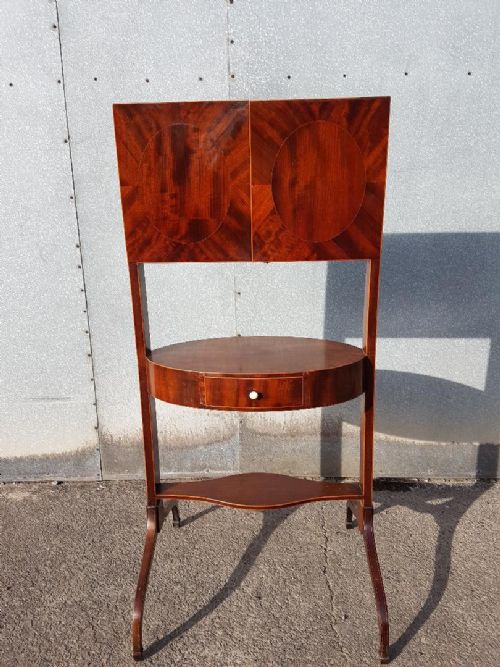


Sheraton Style Mirror
These sheraton style mirror pieces bring refined neoclassical elegance to a room, offering both practical reflection and classic aesthetic balance.
Sheraton Style Mirror
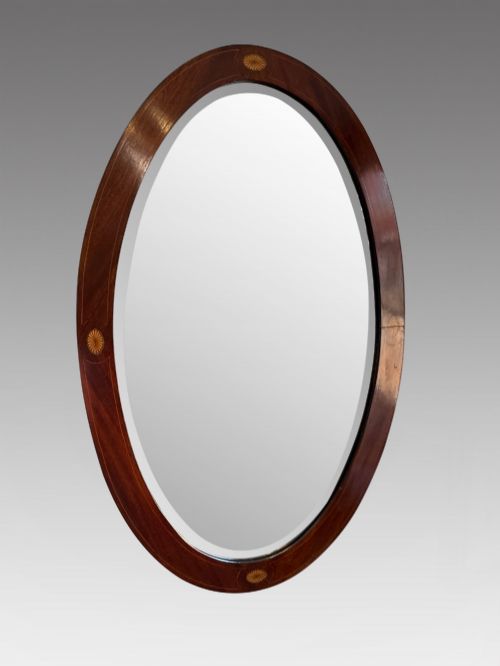
When you search for a sheraton style mirror, you encounter pieces spanning the eighteenth century, the regency era, the victorian period, and the edwardian revival. These items range from wall hanging formats to large cheval mirrors and compact dressing table glasses.
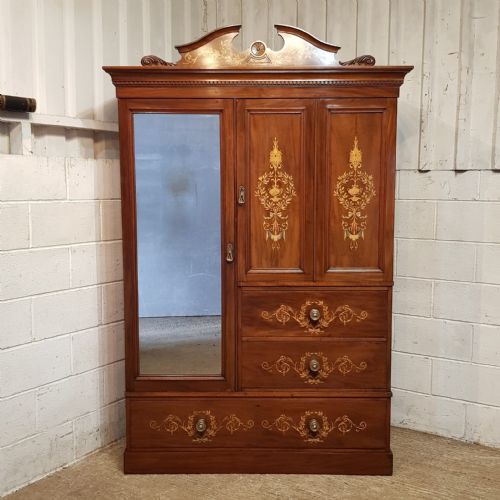
Forms also extend beyond standalone glasses into dressing tables and combination wardrobes that incorporate mirrored superstructures into their overarching architecture.
Materials and construction
Cabinetmakers built these frames primarily using solid mahogany and satinwood, often embellishing the surfaces with contrasting boxwood and bone inlay. Artisans shaped timber into slender uprights for cheval frames or curved outlines for shield shaped toilet glasses.
Inlaid stringing and marquetry define the visual vocabulary of these items, requiring precise hand cutting of contrasting woods to create delicate neoclassical motifs. Silvered mirror glass sits securely within rebated wooden frames, sometimes backed by original pine or mahogany panels.
Sheraton Style Mirror Retail Price Guide 2026
Typical asking prices for sheraton style mirror among the pieces listed under this phrase on Sellingantiques today, from the lower quarter to the upper quarter. They describe what is for sale here now, not the wider market.
Quality variations
The distinction between ordinary and superior pieces rests upon the crispness of the inlay work and the choice of timber figurations. Finely figured mahogany and meticulously pierced satinwood display an artistic restraint that elevates the entire object.
Proportion and structural integrity also separate the finer examples from standard production, as well-balanced sightlines and original brass fittings indicate a higher standard of original workshop execution.
The Sheraton Style Mirror Glossary
- Cheval mirror
- A full length floor standing mirror mounted in a frame with pivoting side pivots. This format allows the glass to tilt to various angles for dressing.
- Shield mirror
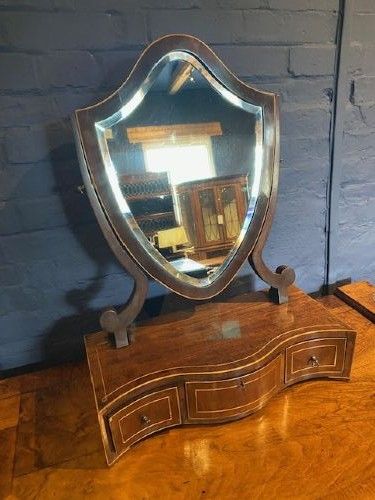
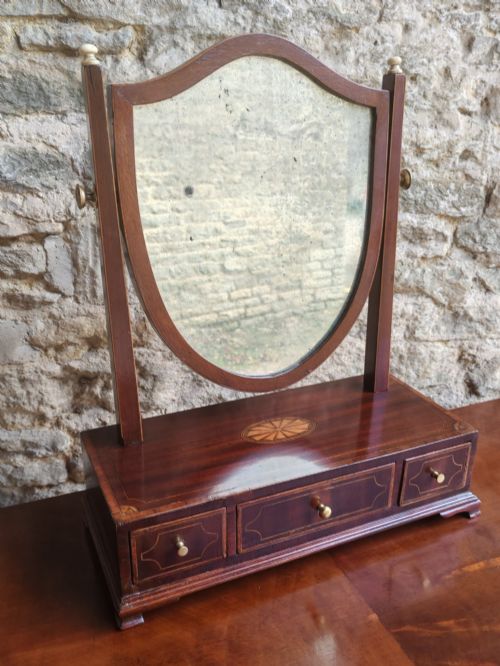
- A dressing glass shaped like an heraldic shield, typically mounted on scroll arms above a small box base. This design gained popularity during the late eighteenth century.
- Toilet mirror
- A smaller tabletop mirror designed for a dressing chest or table, often incorporating small drawers in the base. These pieces are also frequently called swing mirrors.
- Satinwood inlay
- A decorative technique using pale, yellow-toned satinwood set into darker primary woods like mahogany. It creates sharp visual contrast favoured in neoclassical design.
- Crossbanding
- A border of veneer laid across the grain of the main surface, framing the primary timber panel. It provides a neat, finished edge to table tops and mirror frames.
Sheraton Style Mirror: Frequently Asked Questions
What is a sheraton style mirror?
A sheraton style mirror is a looking glass inspired by the neoclassical designs of the late eighteenth century. These pieces typically feature light woods, geometric framing, and refined inlay.
You will find them in various formats, from compact tabletop dressing glasses to large floor standing cheval mirrors designed for bedrooms.
How do I date a mirror?
Dating involves examining the construction methods, timber types, and glass characteristics. Earlier examples often feature hand bevelled plates and older pine backing boards.
Revival pieces from the edwardian period or late nineteenth century display machine-sawn components and distinct secondary woods while retaining the neoclassical design vocabulary.
Where should I place a cheval mirror?
A cheval mirror requires adequate floor space where the pivoting frame can tilt safely without striking nearby furniture. Bedrooms and dressing rooms remain the traditional locations for these tall glasses.
Positioning the frame opposite a window helps maximise natural light distribution within the room while offering a full length reflection.
How do I care for antique glass?
Care involves gentle dusting with a soft, dry cloth and avoiding harsh chemical cleaning agents that might damage the silvering or surrounding wood. Protecting the timber from direct sunlight prevents fading of satinwood and mahogany.
Checking the stability of the side pivots on swing and cheval mirrors ensures the glass remains secure during everyday adjustment.