




Antique Swedish Dresser
An antique swedish dresser brings calm utility and pale painted finishes into a room, offering generous storage through centuries-old joinery.
Antique Swedish Dresser
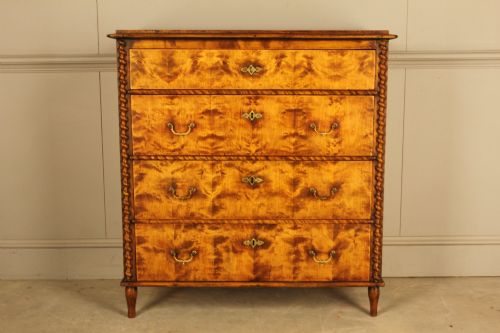
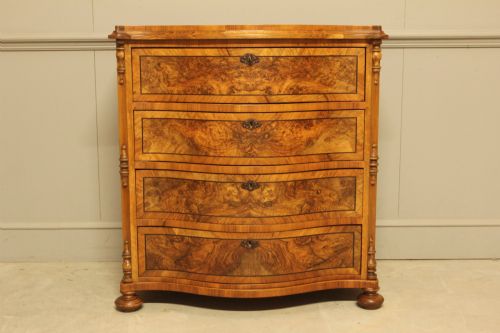
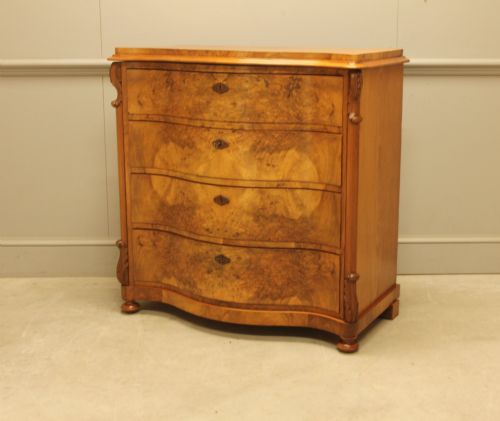
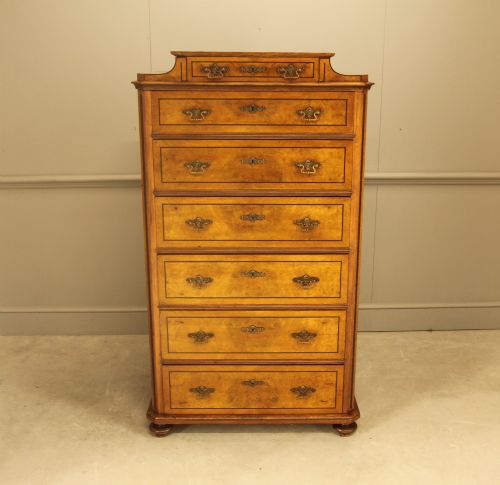
When searching for an antique swedish dresser, a buyer encounters robust timber storage pieces built primarily during the eighteenth and nineteenth centuries. These items range from practical kitchen cabinets and folk art cupboards to sophisticated serpentine commodes and bombes.
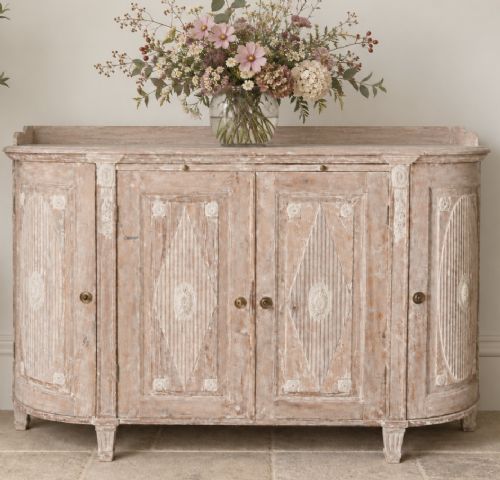
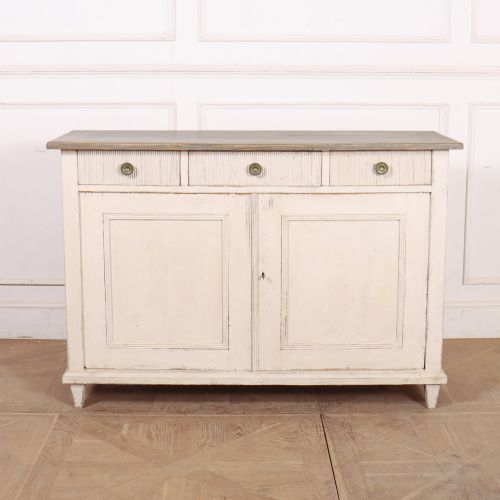
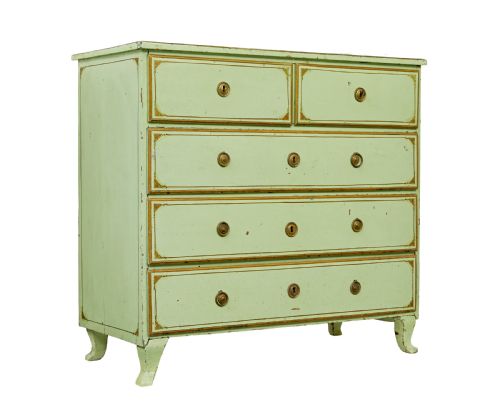
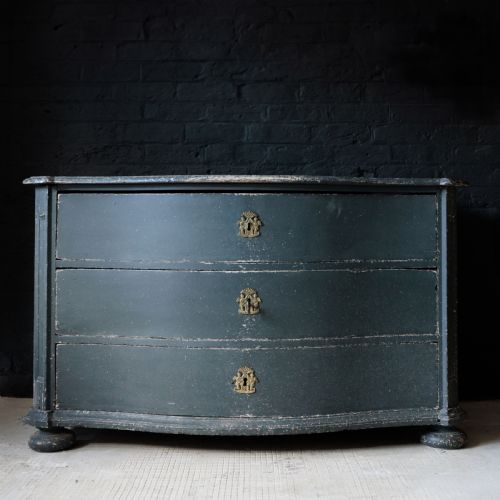
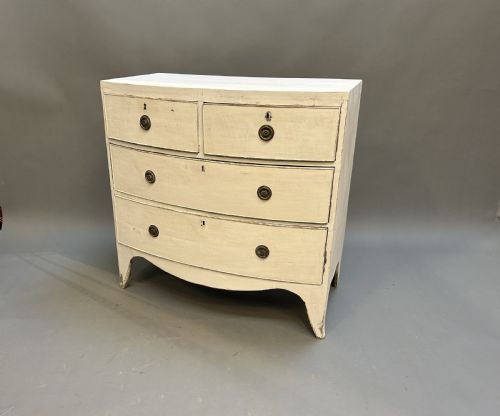
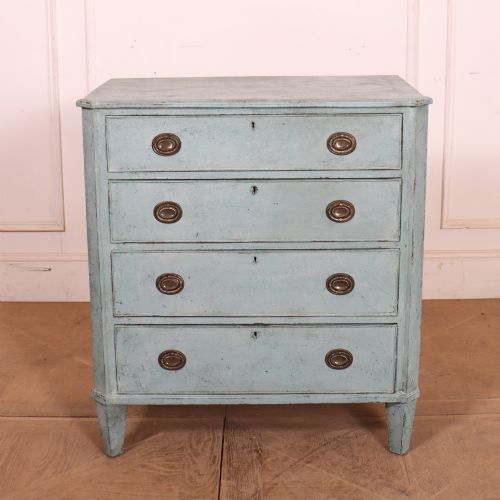
The version most commonly met on this page is a painted pine or birch chest of drawers reflecting Scandinavian country, Gustavian, or Rococo styles. Such pieces combine understated proportion with functional drawer arrangements designed for domestic storage.
Originating across Sweden and wider Scandinavia, these items utilise native softwoods and hardwoods shaped by local cabinetmakers. They serve equally well in modern interiors as statement sideboards or functional hallway storage.
How they were made
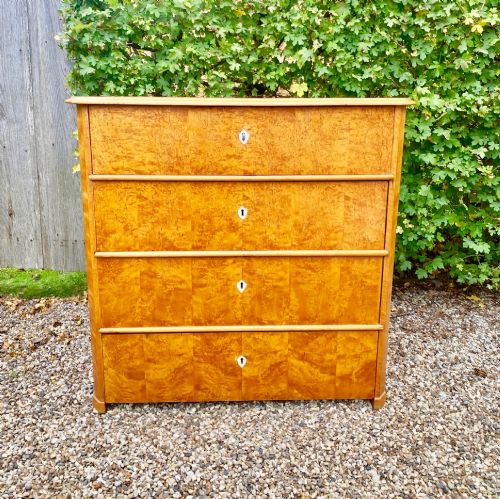
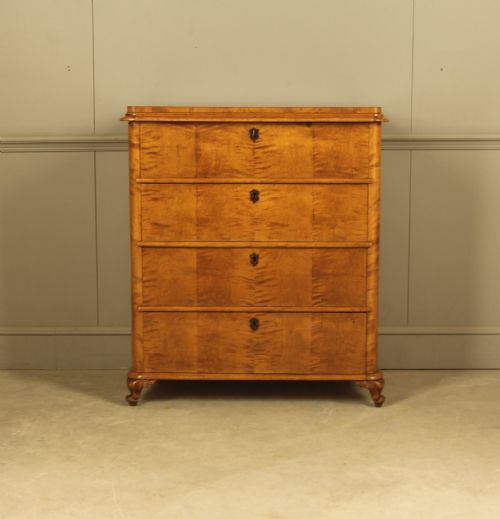
Construction relies heavily on native Scandinavian timbers, notably pine, birch, flame birch, and tiger birch, alongside occasional elm and oak. Craftsmen joined these woods using traditional dovetail techniques for drawers and sturdy pegged frames for larger cupboards.
Surfaces frequently receive hand-painted finishes, layered pigments, or scraped paint effects that reveal older colours beneath. Detail work includes carved fluted drawer fronts, brass hardware, and simulated graining techniques.
Antique Swedish Dresser Retail Price Guide 2026
Typical asking prices for swedish dresser among the pieces listed under this phrase on Sellingantiques today, from the lower quarter to the upper quarter. They describe what is for sale here now, not the wider market.
Some nineteenth-century makers cleverly painted common pine to mimic exotic tiger birch when real veneer was too costly.
What varies in quality
Quality rests on the crispness of carved details, the choice of timber veneer - such as figured flame or masur birch - and the integrity of the surface finish. Pieces retaining their original scraped paint or early hand-applied pigments command greater interest than later re-painted iterations.
Proportion and cabinetmaking skill also distinguish finer commissions, particularly in Gustavian and Rococo examples where serpentine fronts and bombe profiles demand precise carpentry. Original brass hardware and well-fitted drawer runners further elevate a piece.
Gemla Fabrikers
The Antique Swedish Dresser Glossary
- Gustavian
- The Swedish neoclassical style spanning the late eighteenth century, characterised by restrained carving, pale paint, and classical symmetry.
- Bombe
- A swelling, convex furniture shape common in Rococo commodes that curves outward on the front and sides.
- Masur birch
- Timber featuring a distinctive swirling, dotted grain pattern highly prized in Scandinavian cabinetmaking.
- Serpentine
- A furniture front featuring a concave centre flanked by two convex ends, creating a gentle wave shape.
- Commode
- A low chest of drawers or cabinet, often decorative, standing on legs.
Antique Swedish Dresser: Frequently Asked Questions
How do I clean a painted finish?
Dust surfaces regularly with a soft, dry cloth to prevent dirt accumulation. Avoid harsh chemical cleaners or abrasive pads that can strip fragile historical paint layers.
For stubborn marks, wipe gently with a barely damp cloth using mild soap, drying the wood immediately afterwards.
Where should I place my cabinet?
Position your storage piece away from direct sunlight and strong heat sources such as radiators. Wood and paint react poorly to rapid temperature fluctuations, which cause warping and cracking.
Allow sufficient clearance against interior walls to let timber breathe, particularly in older houses with fluctuating humidity levels.
What is the difference between Gustavian and Rococo?
Gustavian pieces follow neoclassical principles with straight lines, fluted columns, and pale, restrained decoration. They reflect the influence of French design filtered through Swedish royal tastes.
Rococo examples embrace asymmetrical curves, elaborate carving, and swelling bombe profiles. These earlier items showcase dramatic silhouettes rather than straight geometric lines.
How can I tell original paint from later decor?
Original paint exhibits natural wear patterns, minor craquelure, and multiple underlying layers visible in worn areas. Scraped paint surfaces reveal historical colour palettes applied centuries ago.
Modern redecorating tends to appear flat and uniform across all surfaces without the subtle tonal variations found in aged, hand-brushed pigments.