



Antique Sugar Spoon
An antique sugar spoon brings the craft of Georgian and Victorian silver tables to daily service.
Antique Sugar Spoon
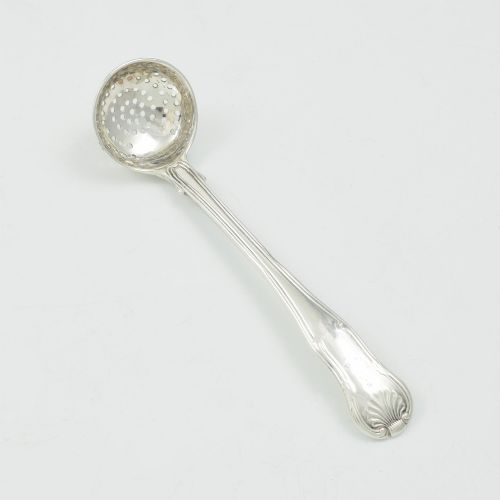
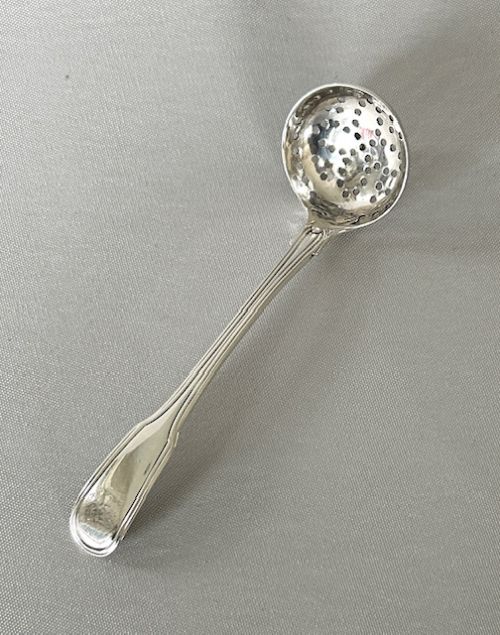
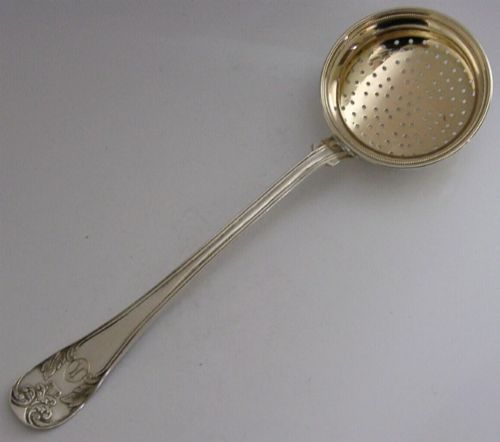
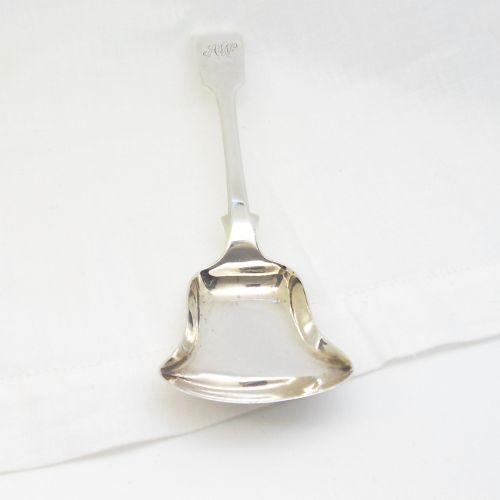
An antique sugar spoon encompasses specialised flatware designed for handling granulated, lump or caster sugar, often appearing as perforated sifter ladles, shovel bowls or caddy spoons. These pieces emerge predominantly from Georgian and Victorian workshops, reflecting the evolving rituals of tea and dessert service in British and European homes.
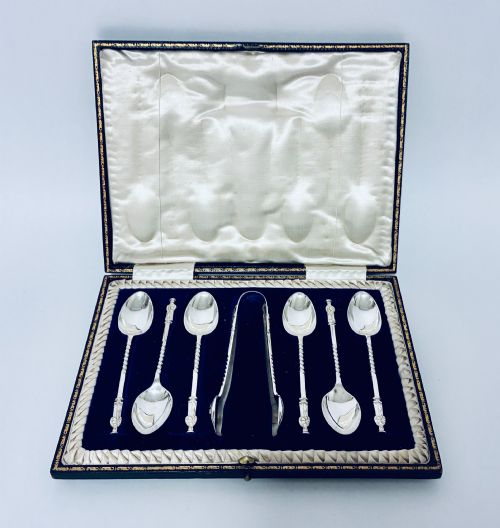
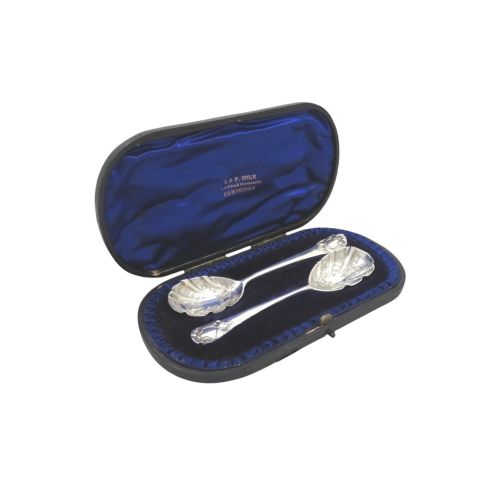
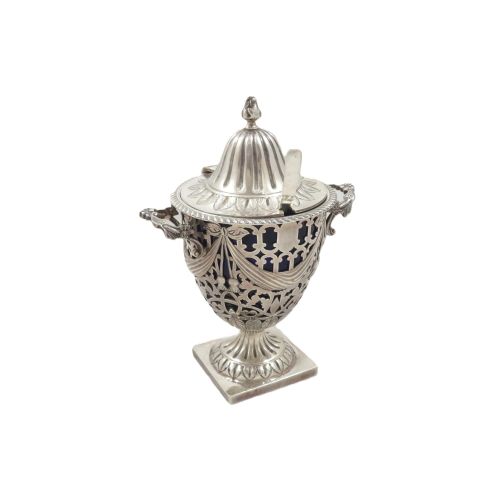
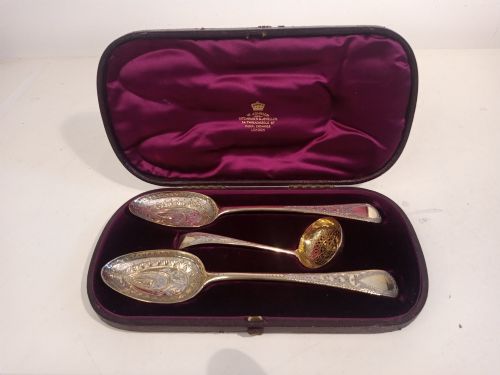
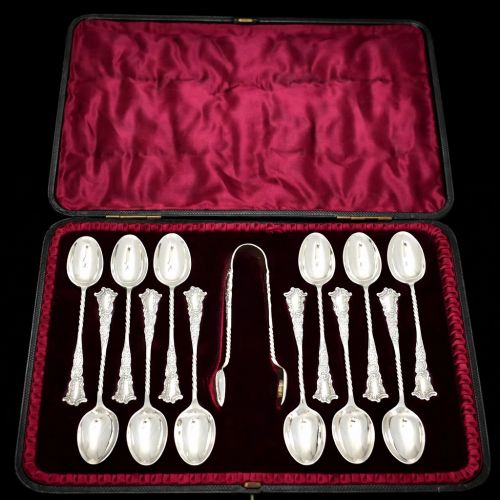
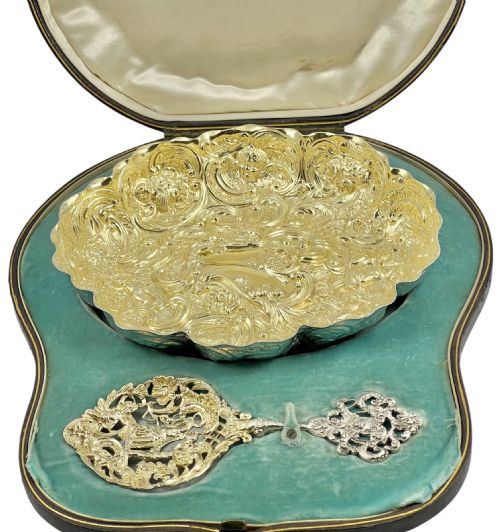
Buyers encounter these implements both individually and within fitted presentation cases alongside matching sugar tongs, bowls and cream jugs. The selections range from plain domestic silver to ornate export pieces bearing import hallmarks, decorative shell motifs and intricate gilt finishes.
Materials and Techniques
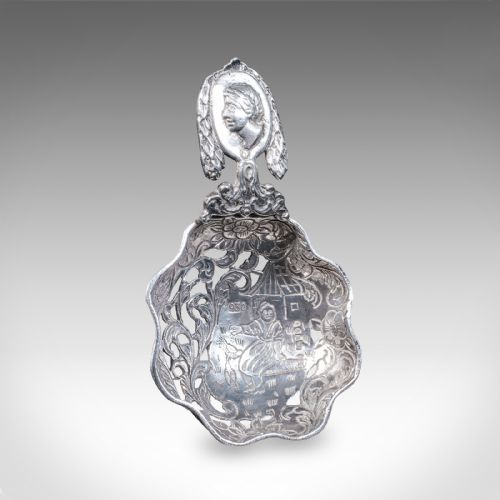
The primary material across these objects is sterling silver, worked alongside silver plate, silver gilt and occasionally paired with glass bowls, velvet, silk and leatherette linings within fitted presentation boxes. Smiths employed casting, piercing and chasing techniques to create perforated bowls, feather-edged stems and figural terminals.
Makers utilised traditional assay office stamping to record metal purity and date letters, ensuring reliable attribution to specific decades and towns such as London, Birmingham, Chester and Newcastle.
Listings span the Georgian, Victorian, and Edwardian eras, featuring sterling silver, silver gilt, and cranberry glass.
Makers and Execution
Quality rests upon the crispness of the piercing in the sifter bowl and the weight of the silver in the hand, separating standard domestic flatware from exceptional workshop production. Pieces bearing clear marks of notable silversmiths or possessing specialised forms like oyster shells and figural handles command closer attention.
The survival of original fitted cases lined in silk or velvet alongside matching tongs or bowls elevates the completeness of a set, distinguishing well-preserved presentation items from loose implements.
John Walton·Robert Stebbings·Bateman·Georg Jensen·Francis Higgins·Taylor and Perry·A B Savory and Sons
The Antique Sugar Spoon Glossary
- Sifter spoon
- A ladle featuring a pierced bowl designed to sprinkle caster or powdered sugar over fruit and desserts. The perforations often form geometric or floral patterns.
- Caddy spoon
- A short-handled implement utilised for measuring loose tea from a canister into a pot. Many share similar scoop forms with sugar spoons of the same period.
- Silver gilt
- Sterling silver coated with a thin layer of gold through a chemical or electrochemical process. This treatment adds a warm, rich tone to the interior of bowls and spoons.
- Hallmark
- A series of official marks stamped onto precious metals indicating the maker, purity standard, assay office and year of testing. These marks provide precise historical data.
- Berry spoon
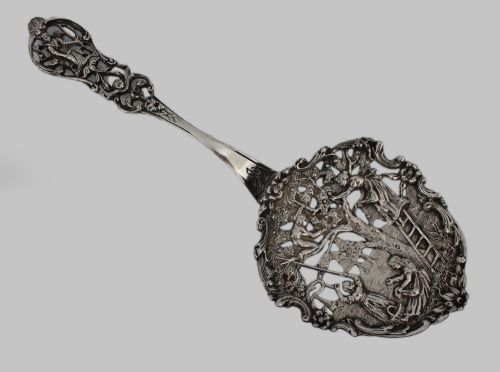
- A large serving spoon, frequently Georgian or Victorian, embossed and chased with fruit and foliage designs. They were often repurposed or paired with sugar sifters in fitted cases.
Antique Sugar Spoon: Frequently Asked Questions
What is an antique sugar spoon used for?
These spoons served a specific function at the tea table or dessert course, transferring loose sugar or sifting powdered sugar onto food.
Perforated versions allowed excess powder to fall back into the bowl while retaining lumps or distributing sugar evenly over fruit.
How do I know the age of my silver?
British silver relies on assay office marks and date letters stamped directly into the metal during manufacturing.
Matching these punch marks against published hallmarking tables reveals the exact year and town of origin.
Why do some spoons come with tongs?
Tongs and sifter spoons were packaged together in fitted cases for Victorian and Edwardian tea services.
Sets often included matching teaspoons, sugar bowls, and cream jugs for formal entertaining.