


Twist Stem Silver Spoon
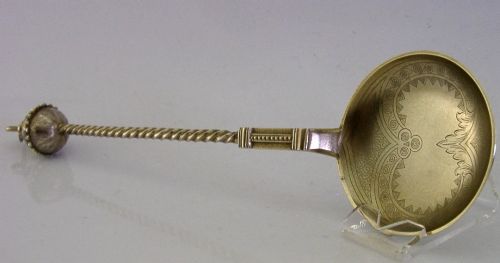
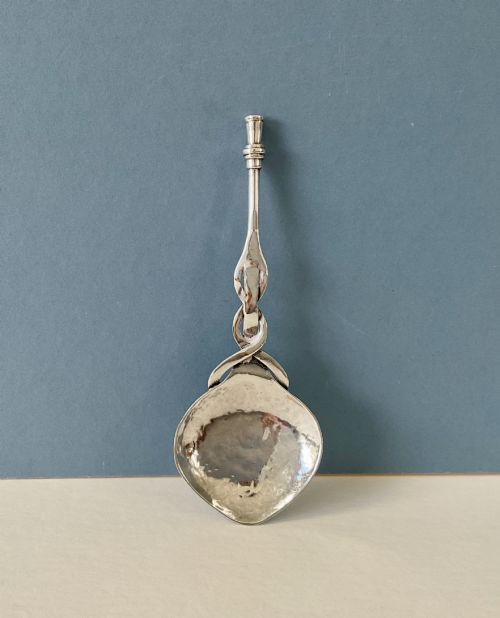
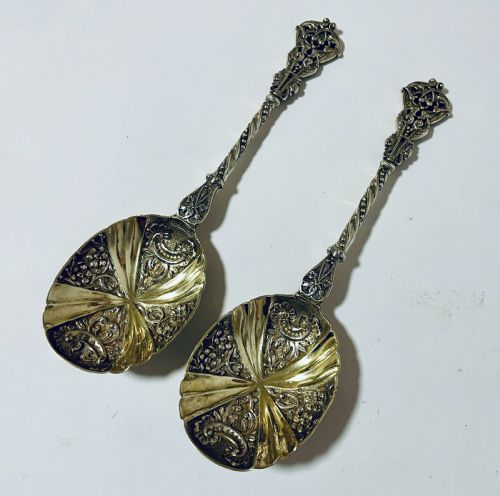
These twist stem silver spoon examples range from Victorian and Edwardian serving spoons to Arts and Crafts caddy spoons.
Twist Stem Silver Spoon
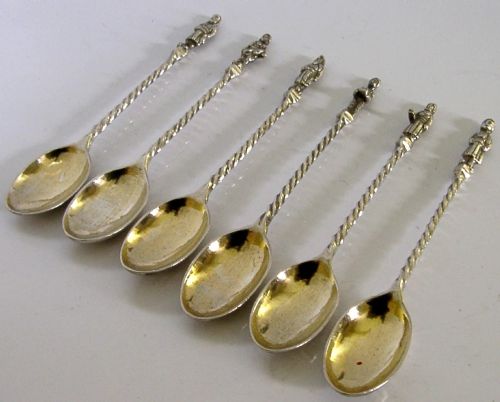
The most common examples you are likely to meet include Victorian serving spoons and matched sets from the turn of the twentieth century. These pieces often feature decorative stems and bowls suited to tea service or formal dining.
Materials and construction
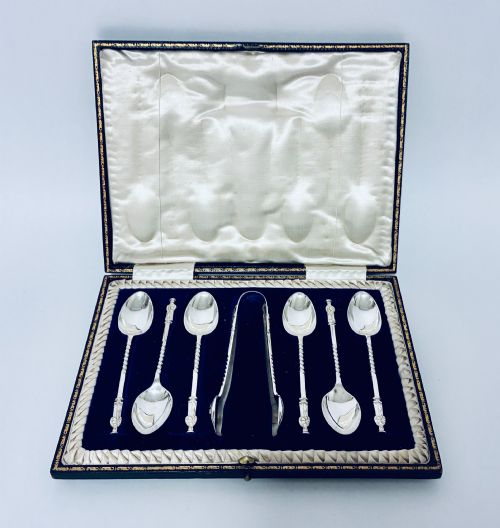
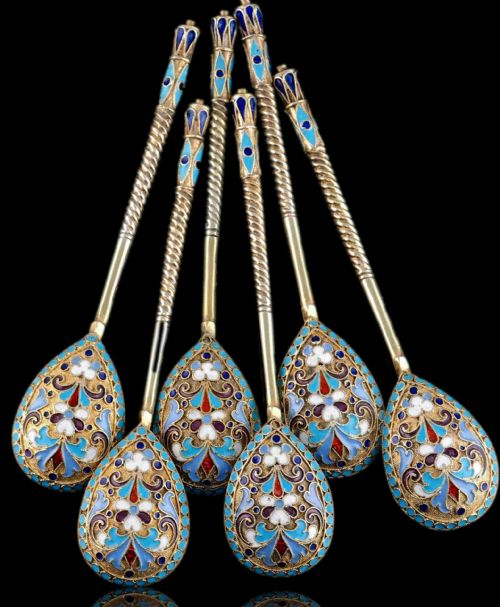
The material evidence shows a consistent use of sterling silver, solid silver, and silver-gilt, alongside auxiliary materials like velvet, silk, and leatherette found in fitted cases. Techniques span traditional silversmithing, provincial hallmarking, and detailed cloisonne enamel work.
Makers utilised casting, hammering, and gilding to achieve the ornate profiles seen in Ottoman Turkish figural spoons and Russian cloisonne sets. Structural twists in the stems were formed by twisting the metal rod while heated or through cold working.
The listings show materials spanning solid silver, silver-gilt, silk, velvet, and leatherette across Victorian, Edwardian, and later twentieth-century items.
Distinctions in quality
Quality in these items is determined by the crispness of the twist in the stem and the depth of any chasing or engraving. Superior examples display balanced proportions between the twisted handle and the bowl, with clear hallmarks remaining legible despite decades of use.
The presence of specialised forms, such as mote spoons or provincial Scottish condiment ladles, indicates a higher degree of silversmithing skill. Complete sets accompanied by their original presentation boxes or tongs also represent a more finished standard of production.
Dmitrii Nikolaevich Nikolaev
The Twist Stem Silver Spoon Glossary
- Caddy spoon
- A short-handled spoon specifically designed for measuring loose tea leaves from a caddy. They often feature decorative bowls and stems.
- Silver-gilt
- Silver that has been coated with a thin layer of gold on its surface. This technique provides a rich two-tone appearance.
- Mote spoon
- An eighteenth- or nineteenth-century tea utensil featuring a pierced bowl for straining leaves and a pointed stem tip for clearing tea pot spouts. These are uncommon finds.
- Hallmark
- An official stamp applied to precious metals indicating purity, origin, and maker or assay office. British pieces typically show a series of small stamped symbols.
Twist Stem Silver Spoon: Frequently Asked Questions
What are twist stem silver spoons used for?
These spoons served primarily dining and tea-related functions, ranging from serving food to measuring tea leaves and condiments.
Heavier examples acted as serving spoons or ladles, while smaller versions functioned as teaspoons or caddy spoons within domestic table settings.
How do I identify a Victorian twist stem silver spoon?
Identification relies on examining the hallmarks stamped into the metal, which indicate the assay office and date letter corresponding to the Victorian era.
Stylistic cues such as ornate floral chasing and heavy gauge silver also point toward nineteenth-century British production.
What is an Arts and Crafts silver spoon?
An Arts and Crafts silver spoon reflects the early twentieth-century design movement focusing on handcraftsmanship and simple, honest forms. These pieces often eschew excessive machinery in favor of visible hammer marks and naturalistic motifs.
They stand apart from heavily ornamented Victorian designs through a cleaner, more tactile aesthetic.
How should I store antique silver spoons?
Store silver spoons in dry conditions away from direct sunlight, ideally within tarnish-resistant cloth rolls or lined presentation boxes. Silk and velvet-lined containers help protect the delicate surfaces from scratches.
Minimising exposure to airborne pollutants reduces the frequency of required cleaning.