


Antique Style Wall Painting
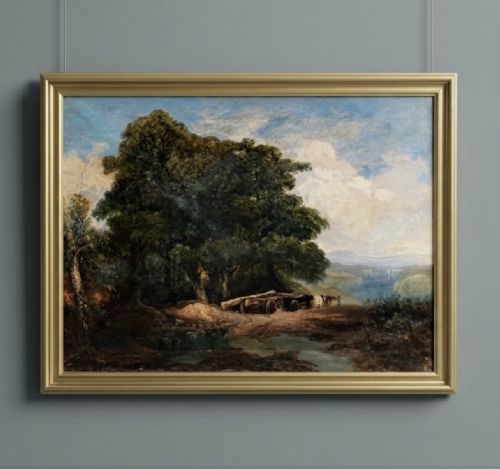
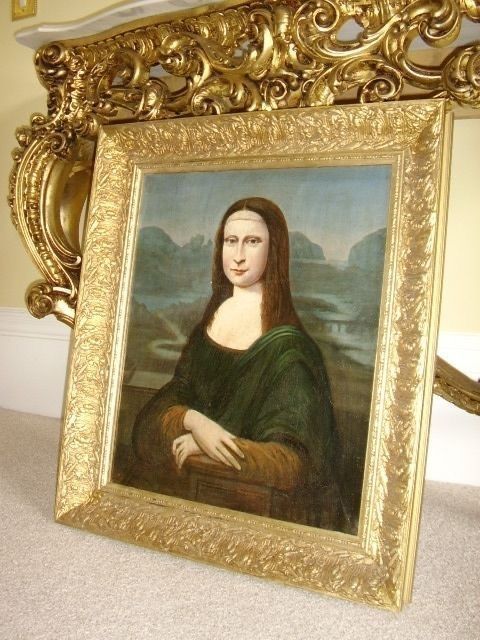
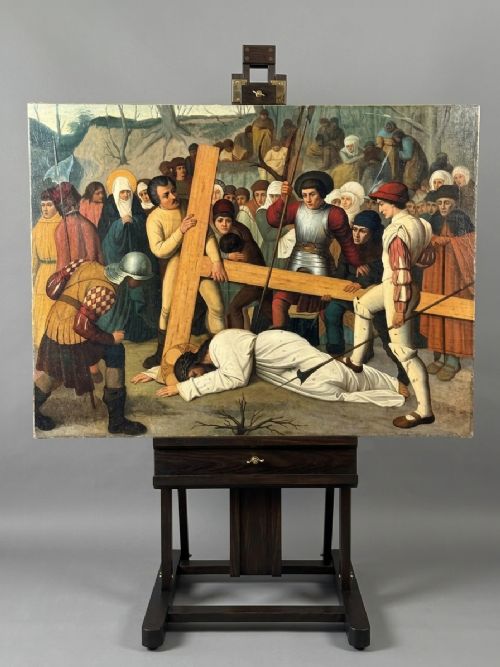
When you search for antique style wall painting, you find oil on canvas, wood panels, and gilt frames echoing past centuries.
Antique Style Wall Painting
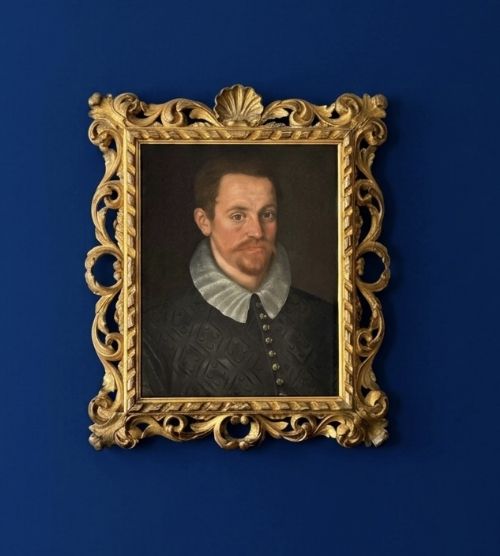
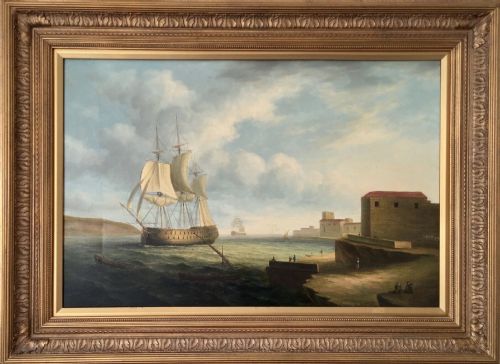
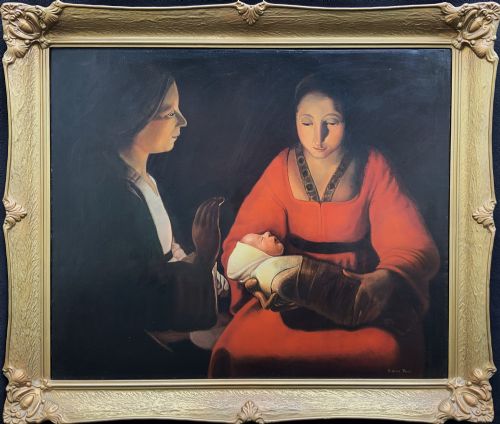
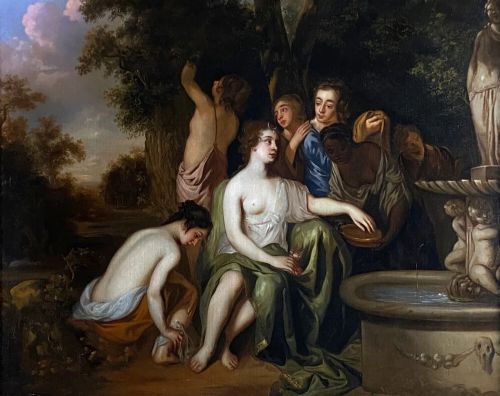
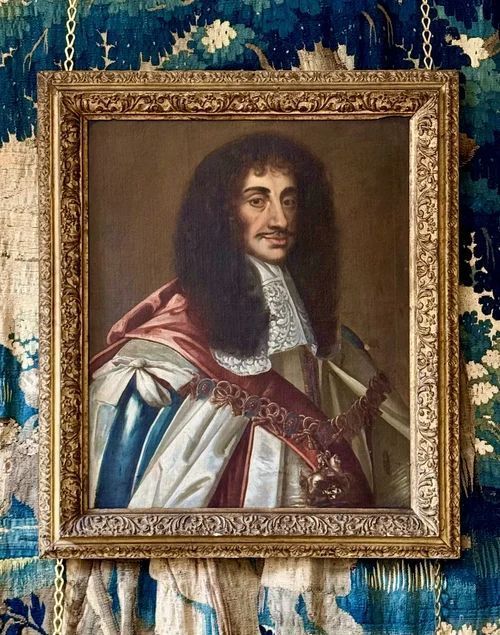
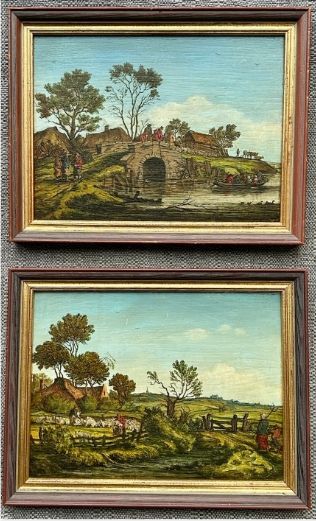
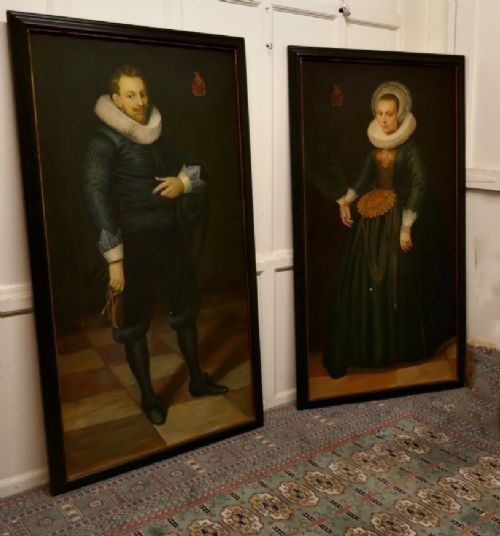
When buyers search for antique style wall painting, they encounter canvases and panels executed in historical manners, ranging from seventeenth century portraiture to nineteenth century landscapes. Many items represent later interpretations or copies after masters such as Sir Peter Lely, Anthony Van Dyck, and François Boucher.
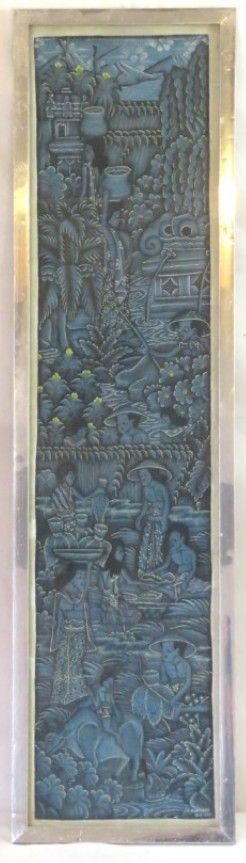
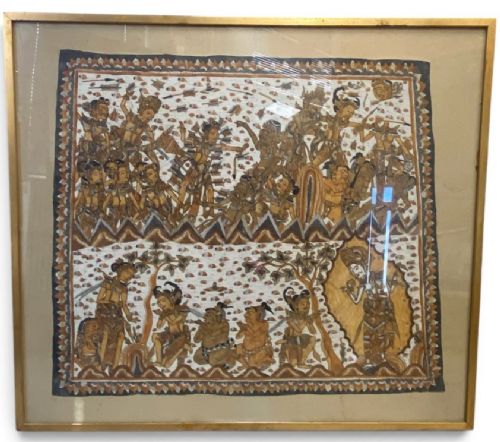
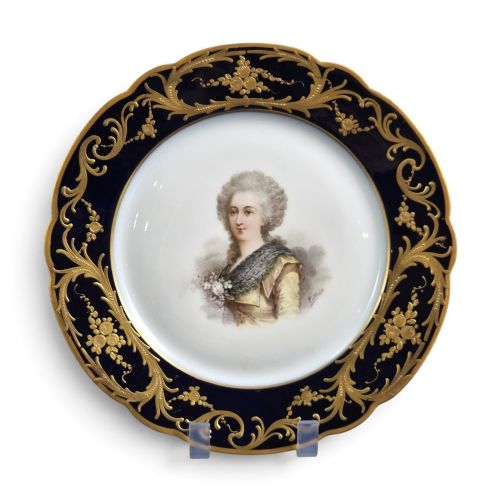
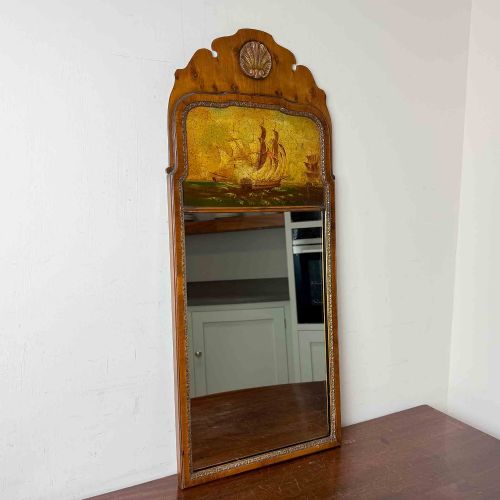
The selection on this page encompasses oils on canvas and wood, alongside framed mirrors and porcelain items incorporating painted elements. Pieces span from the seventeenth century through to mid twentieth century revivals, capturing baroque, rococo, and neoclassical aesthetics.
Most works originate from British, French, and Dutch schools, reflecting traditional subject matter like still lifes, romantic landscapes, and noble portraits. Buyers find both original period works and later decorative interpretations designed to emulate earlier centuries.
How they were made
Makers utilised oil paint applied to canvas or wood panels, sometimes incorporating gold leaf, tempera, and gesso upon carved wooden frames. Canvases display varied weave textures, while panel paintings utilise prepared timber supports suited to detailed brushwork.
Giltwood and painted frames accompany many works, employing carved wood or moulded gesso finished with gold leaf or metallic paint. Mercury glass appears in period mirror plates, demonstrating traditional silvering techniques distinct from modern manufacturing.
Several portraits depict subjects gazing steadfastly across the room, watching over centuries of domestic life.
What varies in quality
Quality rests in the fidelity of the brushwork and the depth of the pigment layers, distinguishing hurried decorative copies from careful artistic executions. The handling of light, shadow, and anatomical proportion separates superior interpretations from simpler student pieces.
Framing contributes significantly to the overall merit, with hand carved gesso and genuine giltwood holding greater distinction than later composite mouldings. The integrity of the support surface, whether stable canvas or unwarped wood panel, governs the preservation of the artwork.
Richard Sebastian Bond·Sir Peter Lely·Anthony Van Dyck·Francisco Goya
The Antique Style Wall Painting Glossary
- Oil on Canvas
- Pigment mixed with drying oil applied to a woven fabric stretched across a wooden frame. This medium allowed artists to achieve subtle tonal gradations and rich textures across centuries.
- Giltwood
- Timber that has been coated with a thin layer of gold leaf or powder. It forms the lustrous surface seen on numerous historical frames and decorative objects.
- Trumeau Mirror
- An upright wall mirror incorporating a painted panel or decorative carving above the glass plate. These fixtures frequently featured pastoral scenes set into wood panelling.
- Tempera
- A permanent, fast drying painting medium consisting of coloured pigments mixed with a water soluble binder such as egg yolk. It preceded widespread oil painting use in many religious icons.
- Tole Peinte
- Enamelled and painted sheet metal used for decorative objects like wall lanterns. The technique produced durable surfaces with colourful ornamentation.
Antique Style Wall Painting: Frequently Asked Questions
How do I identify a reproduction painting?
Examine the surface under magnification to check for age cracking in the paint layer, known as craquelure, which develops naturally over decades. Pigment composition and canvas preparation also offer clues to whether a work dates to an earlier period or represents a later revival piece.
Consider the backing materials, stretcher construction, and frame style, as these often reveal the true age of the object. Comparing the handling of paint with documented examples from specific schools helps clarify the timeline of creation.
Where should I hang these paintings?
Position oil paintings away from direct sunlight and fluctuating heat sources to prevent canvas degradation and paint cracking. Traditional portraits and landscapes suit principal reception rooms, libraries, or above mantelpieces where historical decorative schemes apply.
Ensure wall fixings adequately support heavier framed works, particularly those with carved giltwood or integrated mirror plates. Pairing paintings with complementary furniture like console tables creates a balanced period arrangement.
What defines Dutch style still lifes?
These compositions typically feature elaborate arrangements of flowers, fruit, and vessels rendered with meticulous attention to detail and dramatic lighting. The style draws inspiration from seventeenth century traditions emphasising texture and natural realism.
Works often employ dark backgrounds to make the vibrant colours of blooms and reflective surfaces stand out. Later revivals continued this exact approach on canvas and wood boards.