


Antique Style Marine Art
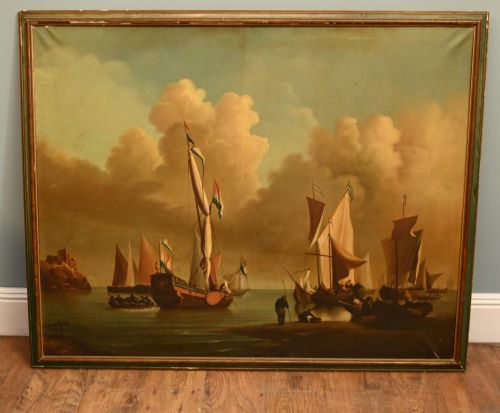
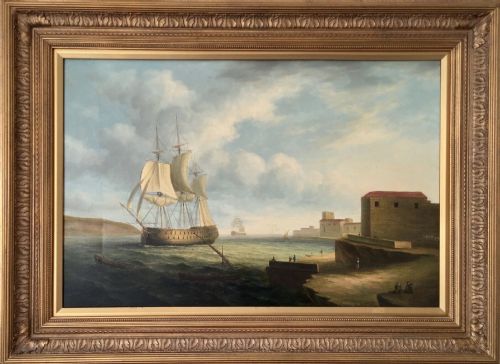
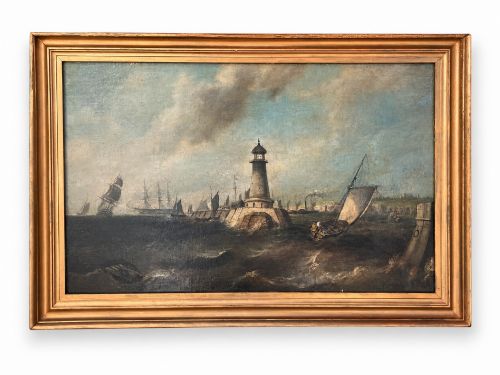
Antique style marine art brings home maritime history through oil paintings and watercolours depicting sailing ships, coastal scenes, and harbours.
Antique Style Marine Art
When you search for antique style marine art, you are looking at historical depictions of naval vessels, bustling ports, and dramatic seascapes. The pieces on this page span several centuries, capturing everything from grand warship engagements to quiet Dutch canals.
The most common formats you will meet here are oil paintings on canvas or panel, alongside occasional watercolours. These works range from the seventeenth century through to mid-twentieth century impressions, reflecting diverse maritime traditions.
Subjects frequently centre on specific locations such as Valletta Harbour, Plymouth Breakwater, Venice, and the Pearl River. You will also encounter imaginary classical landscapes and precise portrayals of named ships like HMS Swift.
How they were made
Artists working within this tradition relied primarily on oil paint applied to canvas, wood panels, or prepared boards. The physical handling of pigment allowed painters to build up luminous skies, turbulent water, and detailed rigging with careful brushwork.
Materials recorded across current works include canvas, wood panels, oil paint, and giltwood frames.
What varies in quality
The distinction between standard decorative works and superior examples often lies in the precision of maritime architecture and rigging. Master painters possessed a deep technical understanding of how ships sat in the water and how sails caught the wind.
Atmospheric depth and light handling also set exceptional canvases apart from simpler depictions. The most accomplished artists managed to render the vastness of the sea and the play of moonlight or coastal sun with striking conviction.
Nicholas Condy·Claude Lorrain·Jane Vivian·Alfred Pollentine·William Shayer Snr·Abraham Storck
The Antique Style Marine Art Glossary
- Giltwood
- Wood carved and covered with a thin layer of gold leaf or metallic powder. This material is frequently used for framing traditional marine paintings.
- Canvas
- Heavy woven fabric stretched across a wooden frame to serve as a support for oil paint. It remains the most widespread medium for historical maritime scenes.
- Panel
- A flat piece of wood used as a rigid support for painting instead of fabric. Panels are particularly common in earlier European artworks.
- Seascape
- A work of art depicting the sea, coastal views, or naval battles. These compositions form the core of maritime collections.
- Manner
- A descriptive term used when a painting follows the artistic style of a particular master rather than being their direct work.
Antique Style Marine Art: Frequently Asked Questions
How do I date an antique marine painting?
Dating relies heavily on the style of the vessel rigging, costume details of any figures, and the preparation of the canvas or panel. Examining the framing style and any signatures or inscriptions on the reverse also helps establish the period.
Changes in artistic convention across the seventeenth, nineteenth, and twentieth centuries provide further clues. Stylistic markers such as the loose brushwork of mid-century impressionism contrast sharply with the tight precision of earlier maritime portraiture.
Where should I hang a marine oil painting?
These works suit traditional studies, libraries, or living rooms with adequate wall space for framed canvases. Keeping them away from direct sunlight and damp environments preserves the oil pigments and giltwood frames.
Pairing smaller pieces together, such as round watercolours or matching coastal scenes, creates a balanced display. Strong lighting from a picture light highlights the texture of the oil paint and the depth of the sea.
What is the difference between a seascape and a marine painting?
A seascape generally focuses on the natural expanse of the sea, coastlines, and atmospheric weather conditions. These works often emphasise the mood of the water and the play of light over waves.
Marine art specifically incorporates ships, naval battles, or harbour activity as the primary focus. While many pieces overlap, maritime works tend to display a strong interest in vessel architecture and naval history.
How do I care for antique canvas art?
Dust accumulates on textured oil paint and giltwood frames over time, requiring gentle removal with a soft, dry brush. Avoiding moisture and harsh cleaning agents protects the fragile surface layers from damage.
Stable room temperatures prevent the canvas and wood panels from expanding or contracting excessively. Professional conservation should be sought if the paint surface shows signs of cracking or lifting.