




Impressionist Coastal Seascape Canvas
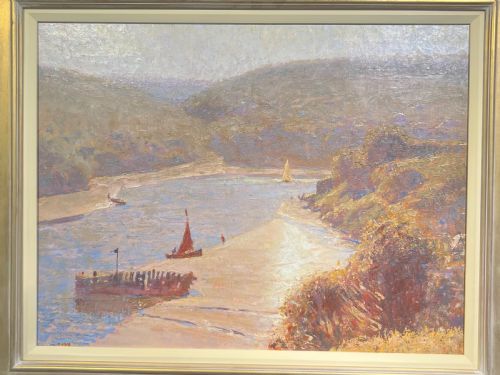
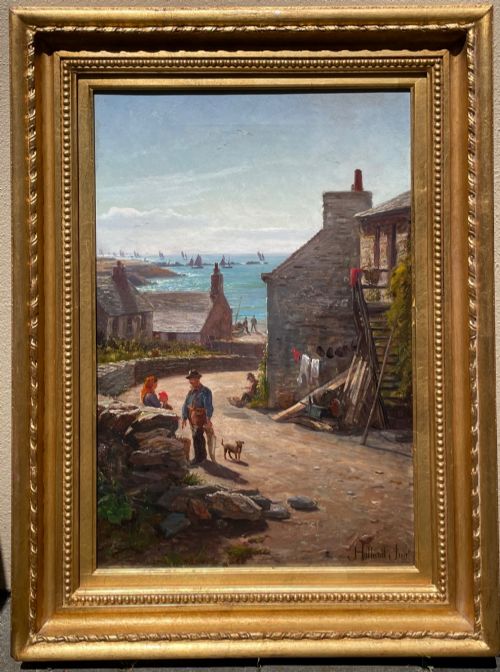
Impressionist coastal seascape canvas works capture maritime light and movement using loose brushwork across British and French shores.
Impressionist Coastal Seascape Canvas
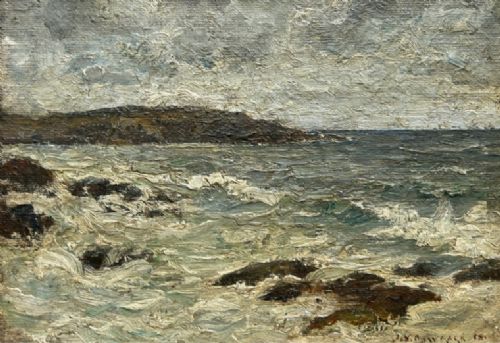
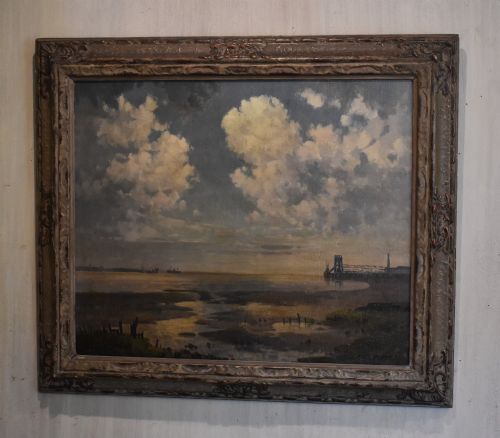
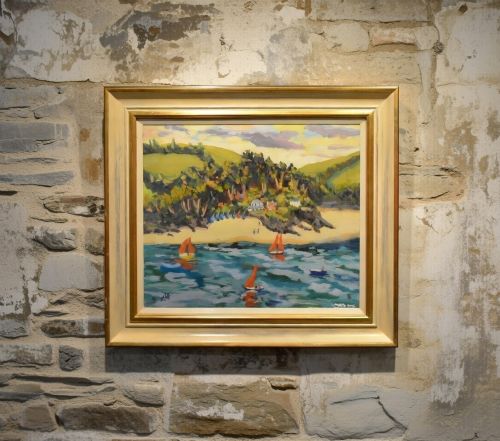
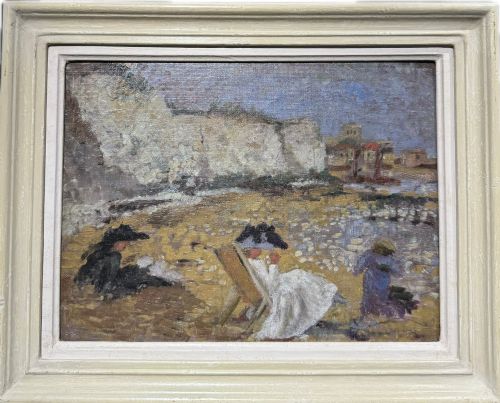
An impressionist coastal seascape canvas brings together harbours, beaches, and tidal inlets painted from the late nineteenth century through to the mid-twentieth century. These works frequently depict specific locations across Cornwall, Brittany, the Mediterranean, and northern England, recording local fishing boats and coastal architecture.
The selections available here range from intimate studies of sand and surf to broader depictions of bustling harbour walls. Painters of this period focused on capturing transient atmospheric conditions, shifting tides, and changing daylight along the shoreline.
British and French artists dominate these selections, working in regional hubs such as St Ives, Concarneau, and various Mediterranean ports. Each piece reflects the distinct palette and plein-air traditions of its specific artistic circle.
Materials and technique
Artists applied oil paint directly onto stretched canvas or wooden board, often building up thick passages of impasto to suggest the texture of rocks, water, and sand. Paint was worked with brushes and palette knives to capture the immediate impact of changing light.
Support materials typically consist of primed canvas mounted on wooden stretchers or sturdy wooden panels housed within period wooden frames. The handling of the medium ranges from smooth, blended washes to vigorous, visible brushstrokes.
Salt air and stubborn studio dust occasionally linger behind the original wooden frames of these coastal scenes.
Assessing quality in coastal paintings
Quality rests upon the artist's ability to command light and atmosphere with economy of line and confident handling of pigment. Stronger examples demonstrate a sure sense of tonal balance that anchors the composition without relying on rigid detail.
The relationship between the pigment and the underlying surface dictates the vitality of the final image. Superior works maintain crisp energy in the brushwork, whereas lesser examples tend to lose movement in muddy or overworked areas of shadow.
Clifford Hanney·Clive Browne·Erich Mercker·John Holland·Edward Matthew Elliott·Louis Suire·Gustave Vidal·Gyrth Russell·Jean Baptiste Olive·Raymond Picque·George Turland Goosey·Norman Lloyd·William Greaves·Charles Malfroy·Edward Seago·Roger de la Corbiere·Owen Bowen·James Torrington Bell·Herbert Royle·H Hadfield Cubley
The Impressionist Coastal Seascape Canvas Glossary
- Impasto
- Paint applied thickly to a canvas, standing out in relief from the surface so that the marks of the brush or palette knife remain visible.
- Plein-air
- The practice of painting outdoors to capture direct observations of natural light and weather conditions on site.
- Stretchers
- The wooden frames that hold a canvas taut during the painting process and subsequent display.
- Board
- A rigid wooden or fibrous panel utilised as a firm painting support in place of a traditional woven canvas.
- Provenance
- The documented history of ownership and exhibition attached to a specific work of art.
Impressionist Coastal Seascape Canvas: Frequently Asked Questions
What defines an impressionist coastal seascape?
These paintings focus on transient effects of light on water, harbours, and shorelines using loose, expressive brushstrokes rather than tight academic detail.
Artists working in this mode prioritized atmosphere and mood over topographic precision when recording maritime scenes.
How do I care for an oil painting on canvas?
Keep paintings away from direct sunlight, high humidity, and rapid temperature fluctuations to protect the canvas and oil pigments.
Dust the surface gently with a soft, dry brush and avoid using liquid cleaners or abrasive materials.
Where were most of these coastal scenes painted?
The works originate primarily from established artist colonies and fishing ports across Britain and France, including Cornwall, Brittany, and the Mediterranean.
Popular locations range from St Ives and Whitby to Concarneau and Toulon.
How can I tell the date of a maritime painting?
Dating relies on stylistic markers, artist biography records, frame construction, and occasional inscriptions or labels on the reverse of the canvas.
Mid-century works often show brighter palettes and flatter perspectives compared to early twentieth-century examples.