



Mid 20th Century Seascape
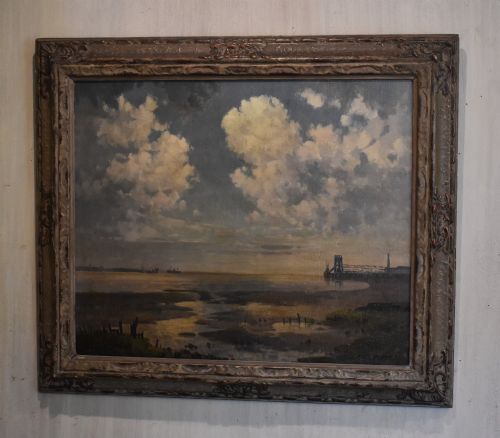
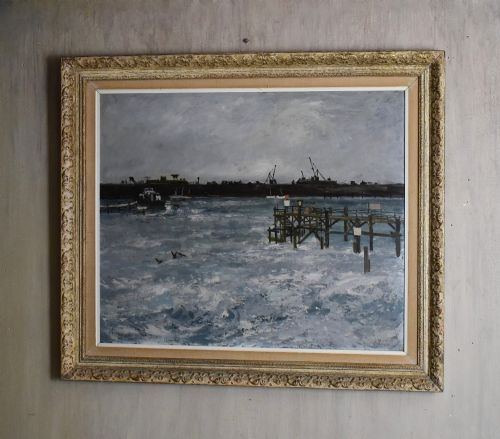
A mid 20th century seascape brings coastal light and maritime movement into a room through oil and watercolour.
Mid 20th Century Seascape
A mid 20th century seascape captures coastal views, harbours, and maritime scenes created primarily during the nineteen-forties and nineteen-fifties. These works range from small wood panel paintings to larger canvases depicting British and European shores.
The most common examples on this page are oil paintings on board or canvas, alongside watercolours on paper. Subjects frequently feature regional English ports, Cornish fishing villages, and French coastal towns.
Makers and painters represented span British schools, including regional groups like the Newlyn School, alongside continental European artists. Works capture specific coastal topography, from North Yorkshire bays to the Riviera.
Materials and technique
Painters utilised oil paint and watercolour applied to various supports, including canvas, artist board, wood panels, and paper. Brushwork varies from thin washes in watercolour to thick, textured applications of oil paint.
Gilt frames often house these works, providing a traditional border that contrasts with the Impressionist and Post-Impressionist styles of the period. Pigments reflect natural coastal light, marine blues, and earthy shore tones.
Listings feature works spanning the nineteenth century through to the nineteen-sixties, utilising oil, watercolour, and gouache.
Distinguishing quality
Quality rests upon the handling of light and the surety of the brush, where skilled artists capture atmospheric maritime conditions with economy and precision. The depth of composition and the faithful rendering of coastal atmosphere separate accomplished works from routine topographical views.
Signed works by documented artists carry distinct merit, particularly when panels or canvases retain their original framing and retain clear provenance to regional schools or identifiable coastal locations.
Kenneth Cozens·Clive Browne·Peter Brannan·Gyrth Russell·Fernando Del Basso·Edward Seago·Sir William Russell Flint·S. J. Lamorna Birch·Yves Brayer·William Burns·Thomas Herbert Victor·Norman Carter·Ben Maile·Edith E Hoyle·Roland Stead·Sam Barnes Robson
The Mid 20th Century Seascape Glossary
- Oil on canvas
- Pigments bound in drying oil applied to stretched fabric. This traditional support allows for varied texture and layering.
- Watercolour
- Pigments suspended in a water-based, translucent solution applied to paper. It relies on the white of the paper to provide luminosity.
- Impressionism
- A style focused on accurate depiction of light in its changing qualities. Artists often used visible brush strokes and open composition.
- Board
- A rigid flat piece of wood or compressed material used as a painting support. It offers a firm surface distinct from flexible canvas.
- Gilt
- A thin layer of gold leaf applied to wood frames. This finish adds decorative warmth and highlights the artwork.
Mid 20th Century Seascape: Frequently Asked Questions
What defines a mid 20th century seascape?
These paintings portray coastal views, harbours, and marine life produced mainly between the nineteen-thirties and nineteen-sixties. They reflect regional British and European impressionist movements.
Artists recorded specific locations, from Cornish harbours to French ports, using oil on canvas, board, or watercolour on paper.
How should I hang an oil painting?
Oil paintings on canvas or board require stable indoor environments away from direct sunlight and damp walls. Proper picture wire and wall fixings suited to the weight of the frame ensure secure display.
Keep them away from direct heat sources to prevent the canvas or wood panel from warping over time.
Are these paintings signed by the artist?
Many examples feature artist signatures or inscriptions on the front or reverse of the canvas, board, or paper. Signatures often help attribute the work to specific regional schools and documented painters.
Unsigned works also appear, frequently attributed to distinct periods or regional schools based on technique and subject matter.
What is the difference between oil and watercolour?
Oil paint uses drying oils to bind pigments, allowing for thick application, texture, and subsequent blending on canvas or board. Watercolour uses water-soluble binders on paper, creating translucent washes of colour.
Watercolours are typically displayed behind glass for protection, whereas oil paintings on canvas or board remain exposed to the air.