

Antique Stone Statue
An antique stone statue brings the weight of history and classical form directly into a room or garden, anchoring a space with carved presence.
Antique Stone Statue
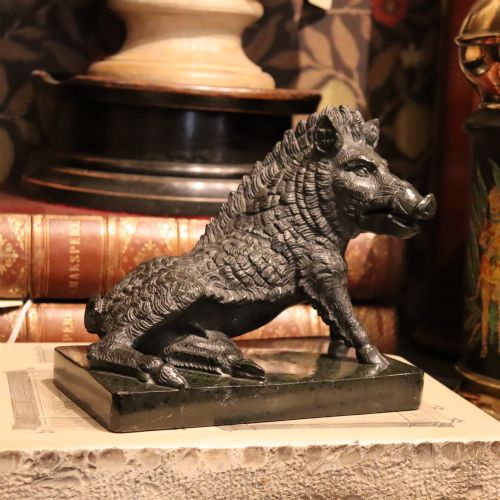
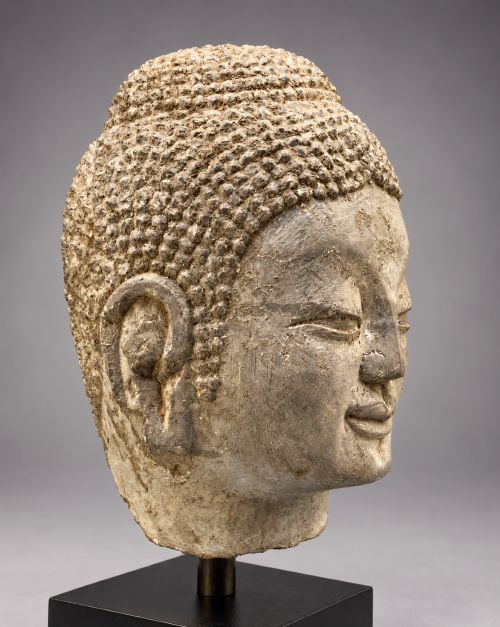
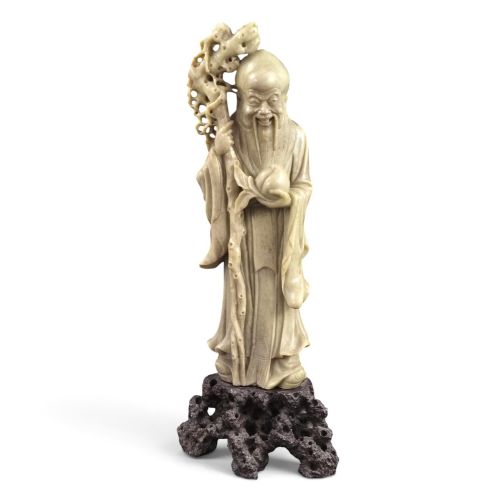
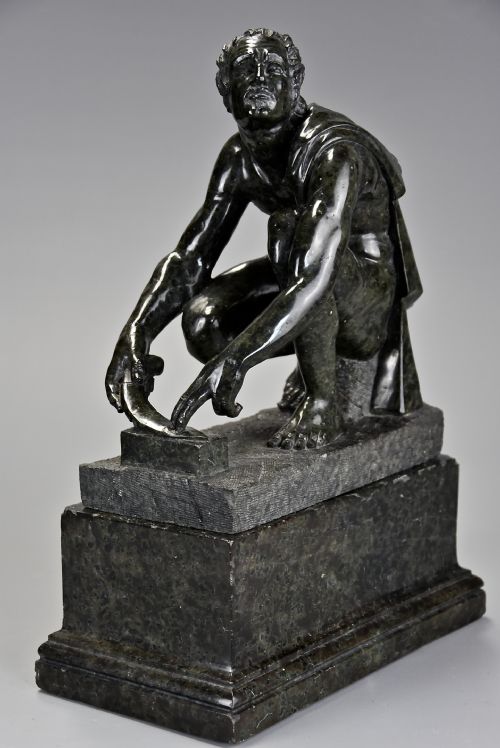
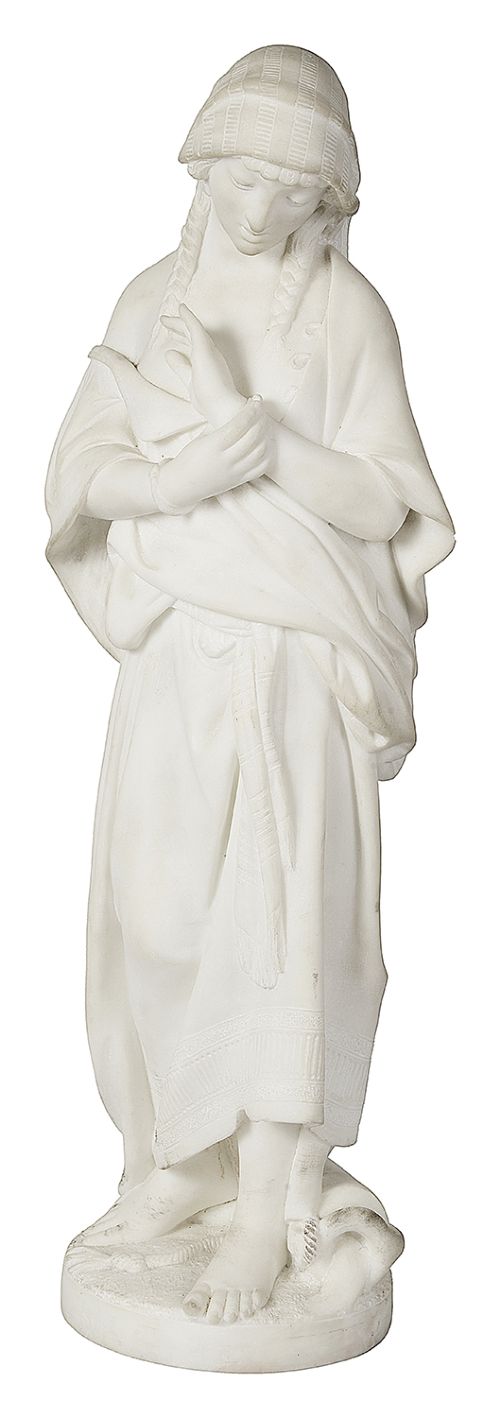
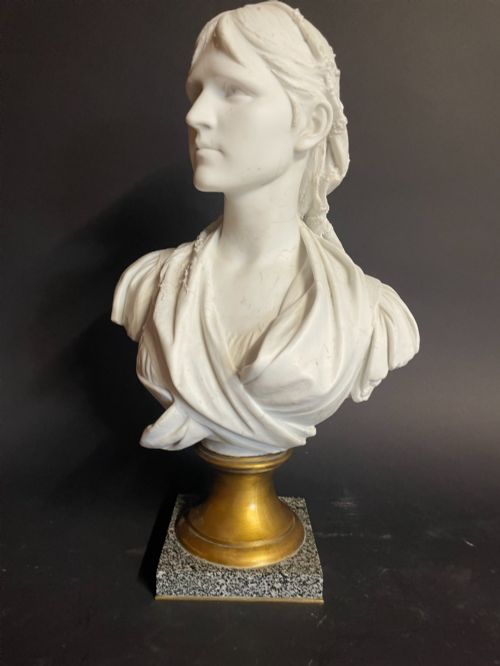
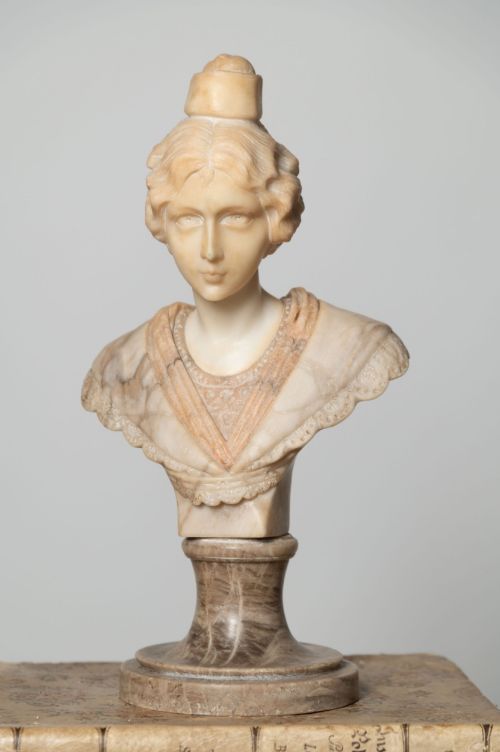
An antique stone statue encompasses everything from monumental civic portrait busts to garden figures and architectural finials. The selection draws heavily on nineteenth-century European production, featuring Grand Tour reductions of classical antiquities, Italian workshop carvings, and French portraiture alongside earlier Asian limestone and soapstone deities.
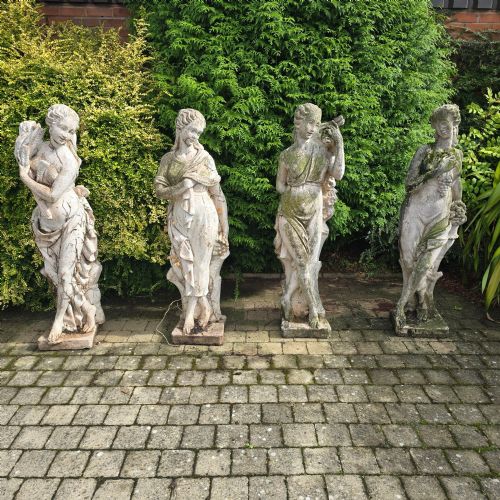
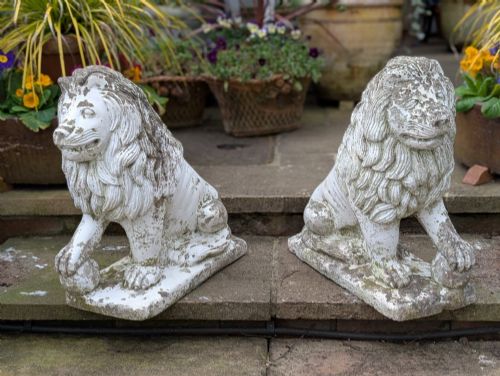
Buyers will encounter garden ornaments cast in composite and reconstituted stone alongside indoor works carved from solid marble, alabaster, and serpentine. Subjects range from mythological figures and lions to literary and historical portraits, reflecting the tastes of the periods spanning from pre-sixteenth century fragments up to the early twentieth century.
Materials and Carving Technique
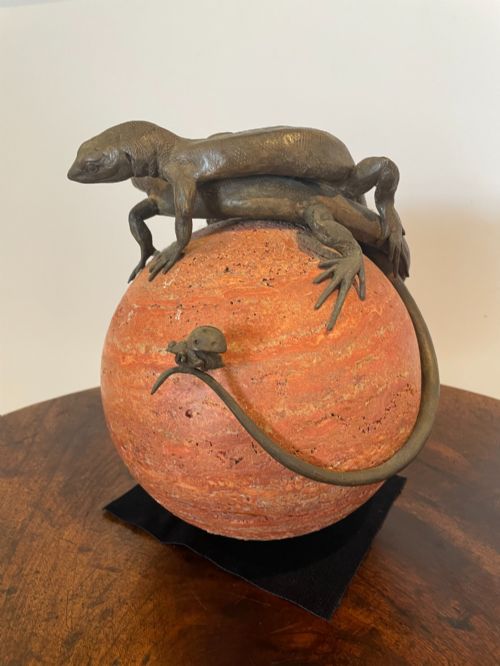
The pieces rely on direct hand carving in hard minerals like Carrara marble, alabaster, and green Hualien marble, where sculptors utilised chisels, rasps, and abrasive sands to shape the stone. Softer soapstone and serpentine allowed for intricate detail in smaller decorative figures and animal groups.
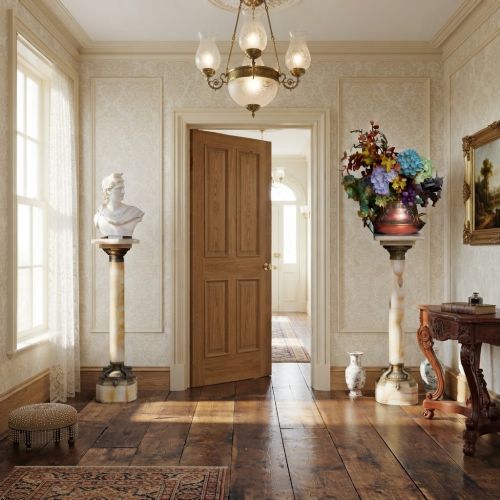
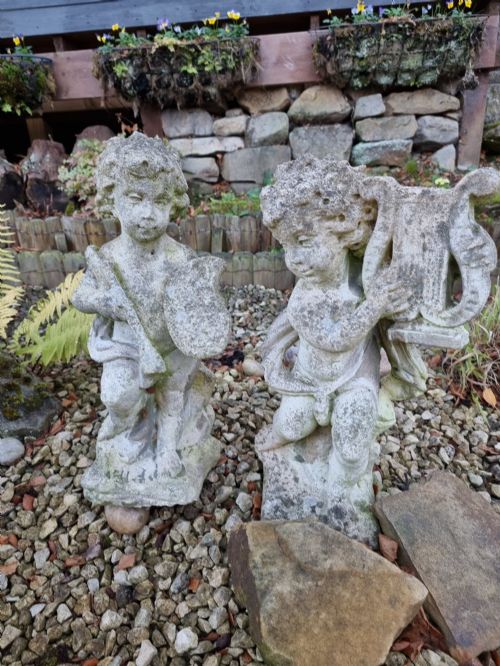
Outdoor pieces often utilise cast stone, composite stone, or reconstituted stone, pressing aggregate mixtures into moulds to create weather-resistant garden statues and pier finials. Ormolu collars and mixed mineral elements occasionally augment marble columns and multi-media busts.
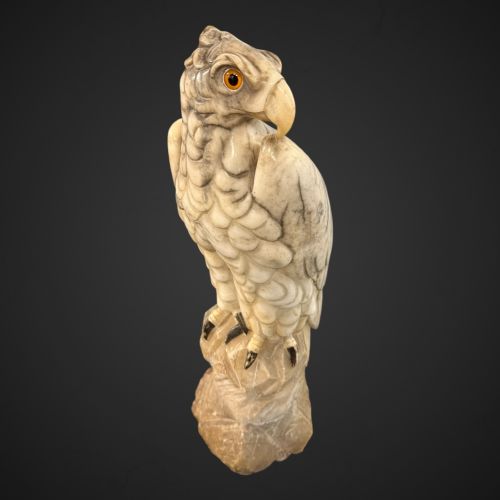
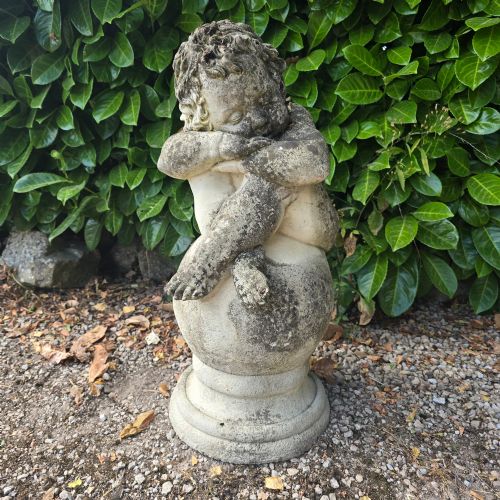
A weathered sleeping cherub rests quietly among the stern stone eagles and civic politicians.
Distinctions in Carving and Surface
The integrity of the material and the character of the surface weathering determine visual success. A smoothly polished Grand Tour serpentine figure differs vastly from a garden lion softened by decades of outdoor exposure, yet both succeed when the original cutter's hand remains clearly legible.
Hamo Thornycroft·Eugene Aizelin·Raffaelo Monti·Auguste Henri Carli
The Antique Stone Statue Glossary
- Grand Tour
- A nineteenth-century tradition where wealthy travellers collected miniature marble or serpentine copies of classical sculptures in Italy. These tourist pieces often reproduced famous antiquities found in Roman and Florentine museums.
- Pier Finial
- An architectural ornament placed atop a gate pier or wall end, often taking the form of stone eagles or lions. These heavy cast or carved pieces marked property boundaries.
- Serpentine
- A compact green mineral resembling jade, frequently utilised for small-scale carvings and Grand Tour animal figures. It takes a high polish and shows distinctive clouding.
- Alabaster
- A fine-grained, translucent stone used extensively for indoor busts and figurative sculptures. Its softness permits delicate carving but makes it susceptible to moisture.
- Carrara Marble
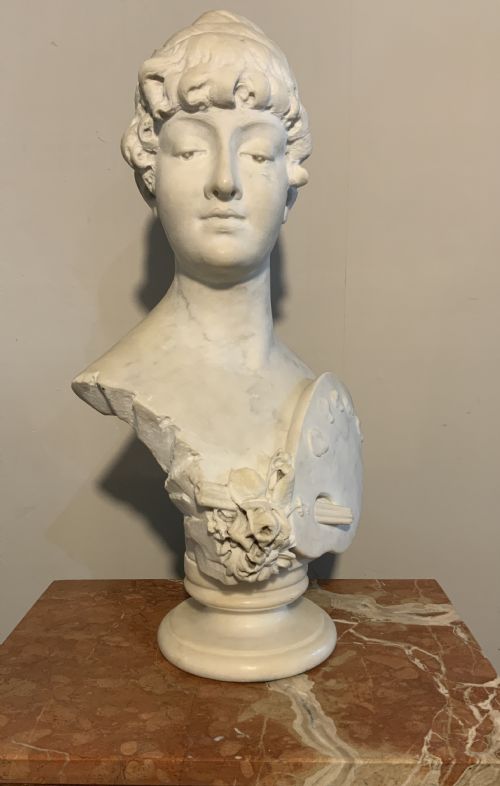
- A white or blue-grey marble quarried in Tuscany, favoured by European sculptors for its purity and fine grain. It remains the principal material for nineteenth-century portrait busts.
Antique Stone Statue: Frequently Asked Questions
How do I clean an antique marble bust?
Dust the surface regularly with a soft, dry microfibre brush or cloth to prevent particulate accumulation. Avoid water, soap, and commercial chemical cleaners entirely, as they penetrate porous stone and damage historic patinas.
For stubborn grime, consult a professional conservator rather than attempting home remedies. Harsh scrubbing alters the original carved surface and diminishes the historical value of the piece.
Can garden statues stay outside in winter?
Reconstituted stone and cast stone pieces withstand outdoor conditions well, provided they are placed on solid footings away from standing water. Freezing temperatures can cause absorbed moisture to expand and crack vulnerable stone.
Move delicate marble or alabaster pieces indoors during freezing weather to prevent frost damage. Protect heavy garden figures with breathable covers if they must remain exposed to harsh elements.
What is a Grand Tour sculpture?
These are smaller-scale marble or serpentine copies of classical Greek and Roman antiquities produced during the nineteenth century. Travellers purchased them in Italy as souvenirs of their educational travels across Europe.
They represent skilled craftsmanship and provide an insight into nineteenth-century classical taste. Collectors prize them for their polished surfaces and accurate reductions of museum masterpieces.
How can I tell alabaster from marble?
Alabaster is significantly softer than marble and possesses a natural translucency that allows light to penetrate just beneath the surface. You can often scratch alabaster with a fingernail or metal coin in an inconspicuous area.
Marble is harder, denser, and opaque with crystalline veining rather than cloudy translucency. This difference in hardness dictates how each material was carved and where the finished sculpture could be displayed.