


Antique Sterling Pepper Pot
When you handle an antique sterling pepper pot, you hold a miniature masterclass in domestic silver spanning three centuries.
Antique Sterling Pepper Pot
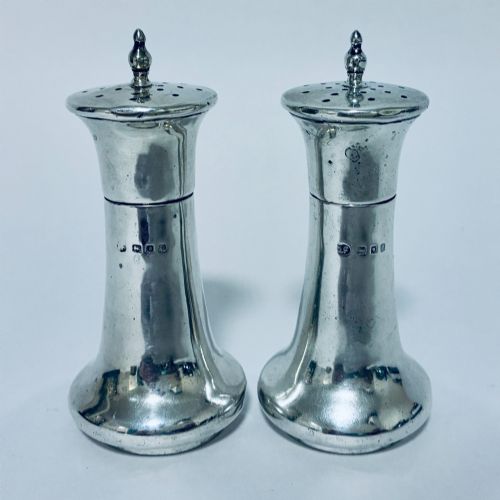
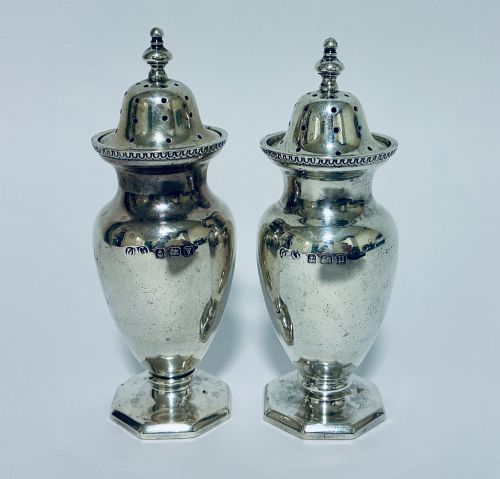
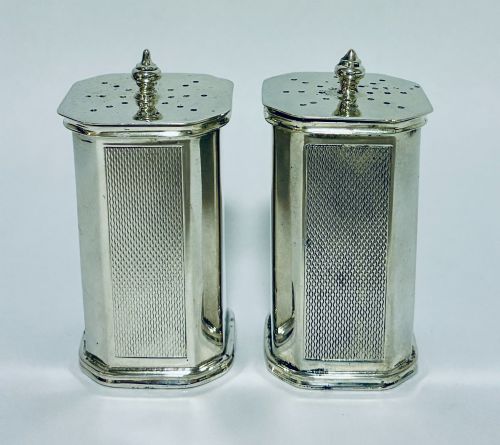
An antique sterling pepper pot serves as a dining table container designed to dispense ground pepper, appearing as traditional casters or whimsical animal figures. You encounter items originating from Georgian pedestals through Victorian novelties and Edwardian creations.
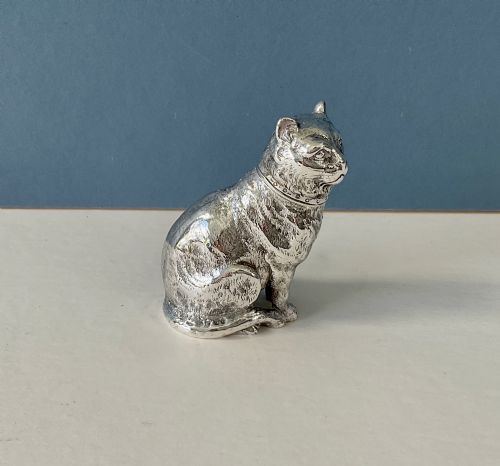
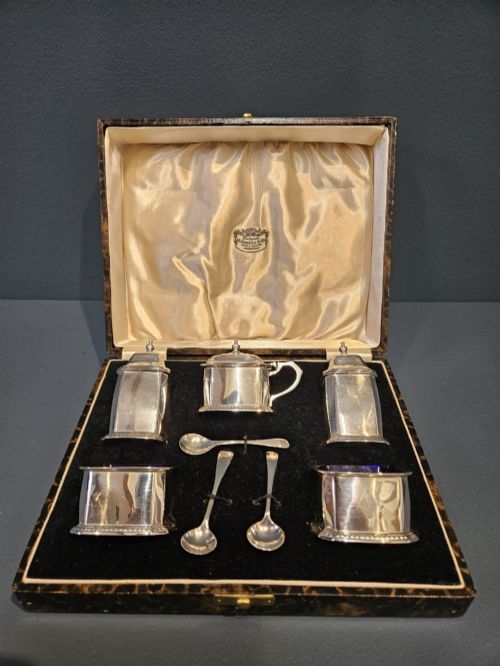
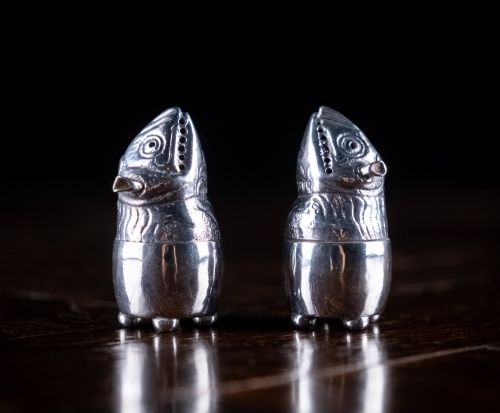
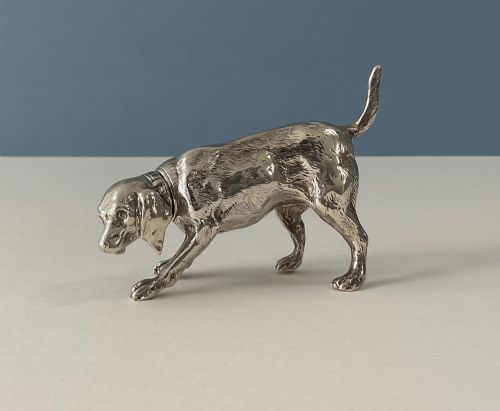
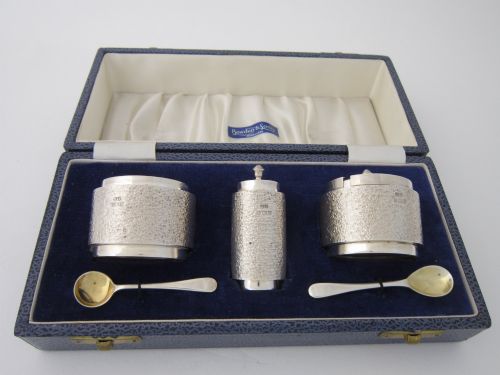
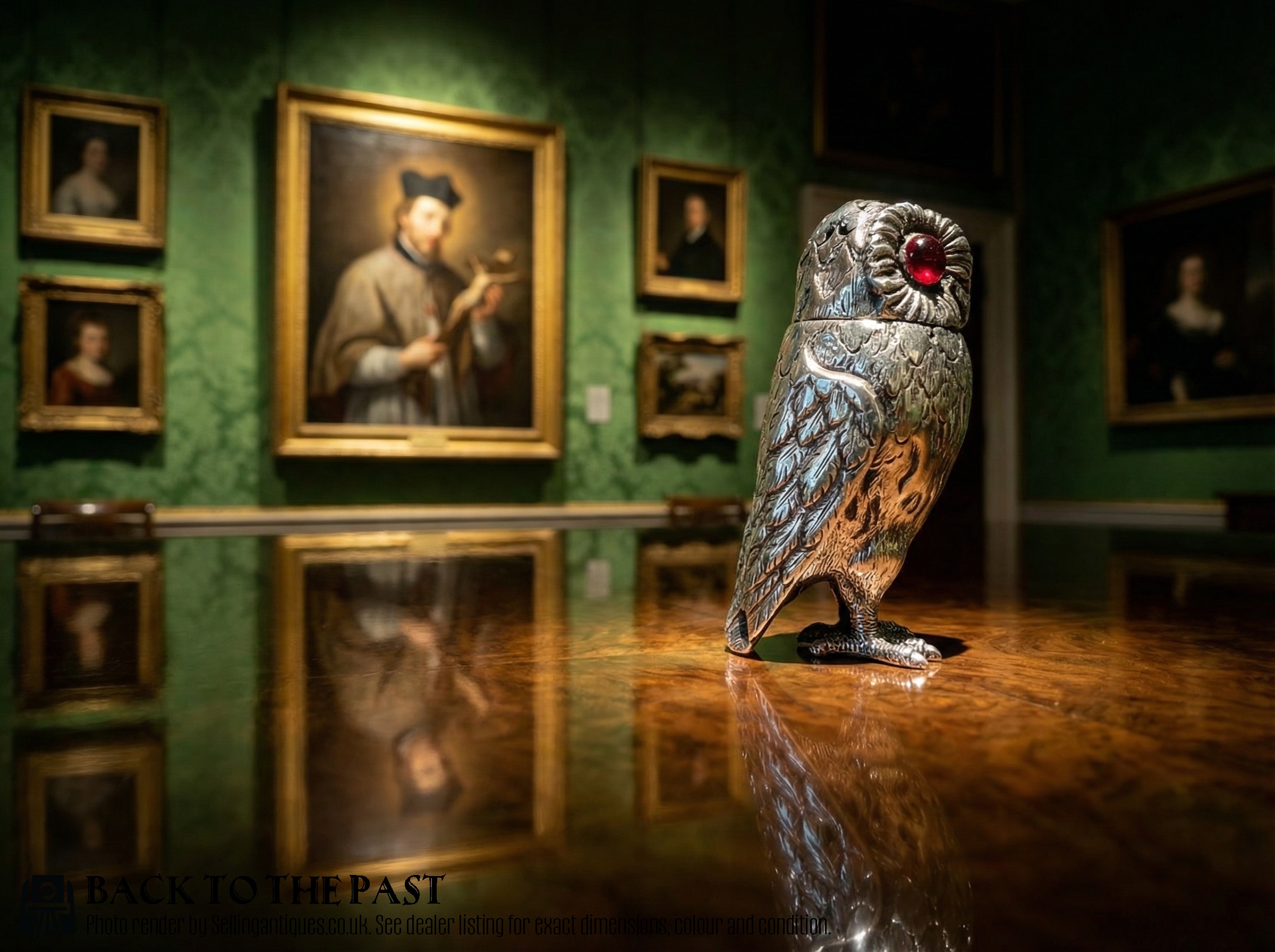
The selections span standard baluster casters to figural depictions of owls, cats, dogs, and bears. These pieces emerge either as individual items or paired components within wider condiment and cruet sets.
Origins stretch across English workshops in London, Birmingham, and Chester, alongside continental imports and Japanese export silver. Each example reflects the prevailing taste of its decade, shifting from austere classical lines to playful zoological forms.
Manufacturing and materials
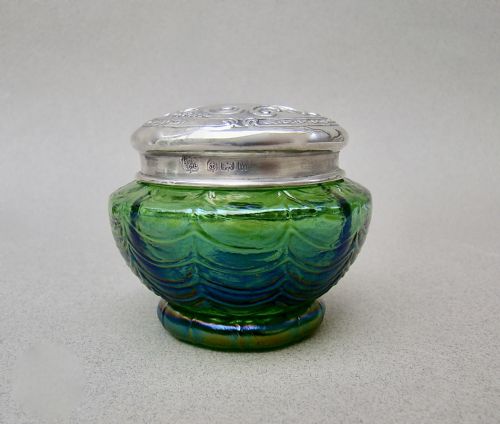
Silversmiths constructed these vessels primarily through traditional methods of casting, spinning, and hand-piercing the upper domes. Master craftsmen employed sterling silver for the bodies, occasionally pairing the metal with cut glass inserts or silver gilt interiors.
Novelty pieces required intricate modelling and chasing to render realistic feathers, fur, and facial expressions on creatures such as owls and bears. Artisans then punched numerous tiny perforations into the lids by hand to ensure a controlled flow of spice.
Victorian diners enjoyed shaking seasoning from the heads of Mr Punch's dog Toby and miniature cockatoos.
Assessing craftsmanship and distinction
Quality rests upon the crispness of the chasing and the anatomical accuracy of figural models, where superior examples exhibit sharp feather and fur texturing. Inferior items often present worn details and sluggish casting lines that obscure the maker's intent.
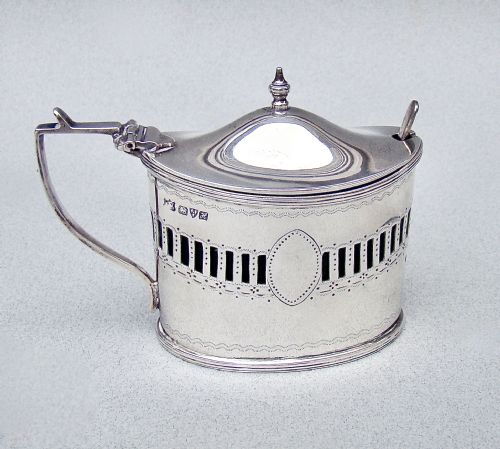
The integrity of the original hallmarks adds considerable weight to a piece, confirming the assay office, date letter, and maker's mark without distortion. Furthermore, balanced proportions and tightly fitting threaded or push-fit lids distinguish master workshops from routine commercial production.
Alfred Marston·Charles Stuart Harris·Frederick Brasted·James Goodwin·Mappin & Webb·Sampson Mordan·Thomas Pritchard·Wilmot Manufacturing Co
The Antique Sterling Pepper Pot Glossary
- Sterling silver
- An alloy consisting of ninety-two point five percent silver and seven point five percent other metals, typically copper. This standard ensures the durability required for functional tableware.
- Caster
- A small jar or pot with a perforated top used for sprinkling sugar or spices. Early examples feature baluster silhouettes supported on moulded foot rings.
- Pepperette
- A nineteenth-century British term for a small pepper pot or shaker. These often take the form of miniature urns or whimsical animals.
- Chasing
- The art of embossing or indenting metal from the front using punches and hammers. Silversmiths utilise this technique to define surface details on figural items.
- Cruet set
- A matched collection of bottles, pots, or castors designed to hold condiments for the dining table. They typically sit within a dedicated silver frame or stand.
Antique Sterling Pepper Pot: Frequently Asked Questions
How do I clean my silver pepper pot?
Wash the silver gently in warm soapy water using a soft cloth, avoiding harsh abrasive dips that strip away the natural patina accumulated over decades.
Dry the vessel thoroughly with a lint-free towel to prevent water spots, and store it away from direct sunlight and damp environments.
Were these pots used for black pepper?
Many Victorian and Edwardian examples dispensed fine white pepper, which was more fashionable for formal dining than the coarser ground black varieties.
Some specialised versions, known as cayenne peppers, held much hotter spice blends and frequently included miniature silver spoons for precise portioning.
How can I date my silver shaker?
Locate the hallmarks stamped onto the base or the interior rim, which typically include a leopard's head, an anchor, or a crown indicating the assay office. A corresponding date letter alongside the lion passant reveals the exact year of manufacture.
Are novelty animal peppers rare?
Makers produced figural spice pots depicting owls, dogs, and bears in limited quantities to satisfy the Victorian appetite for amusing tablewares. Examples bearing clear registry numbers or marks from specialist makers command strong interest among collectors.