


Silver Animal Pepper Shaker
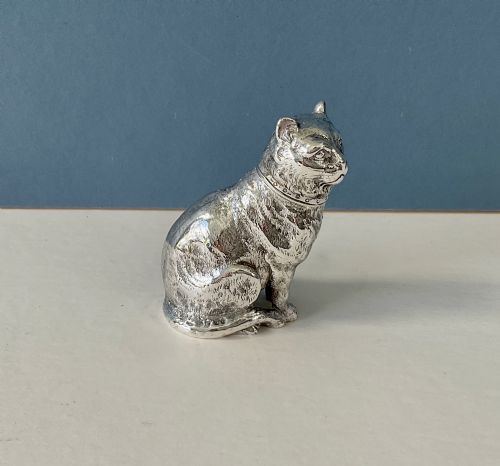
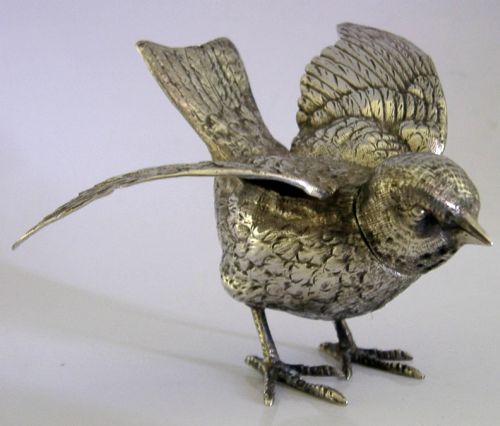
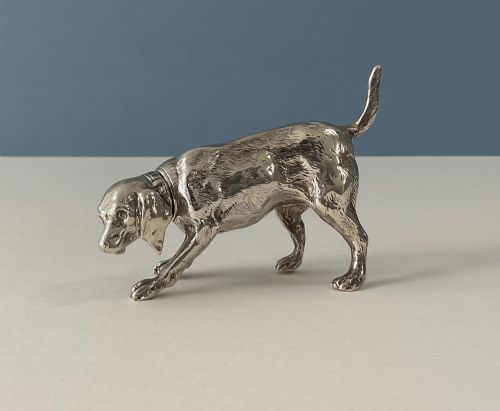
These silver animal pepper shaker examples bring personality to the table, taking the form of cats, dogs, owls, and birds.
Silver Animal Pepper Shaker
A silver animal pepper shaker is a small table condiment container modelled after a living creature, used to dispense ground pepper at meals. Collectors searching for a silver animal pepper shaker will find table pieces shaped as birds, cats, dogs, foxes, pheasants, and seals spanning the Victorian, Edwardian, and Art Deco periods. The selection on this page relies heavily on Victorian novelty pepper pots and Edwardian sterling silver examples, alongside George V and 1930s pieces.
Materials and construction methods
The construction typically involves a removable base or head fitted with pierced holes to allow the seasoning to shake through. Artisans paid close attention to the stance and texture of each creature, whether capturing the smooth contours of a seal or the intricate plumage of a bird chick.
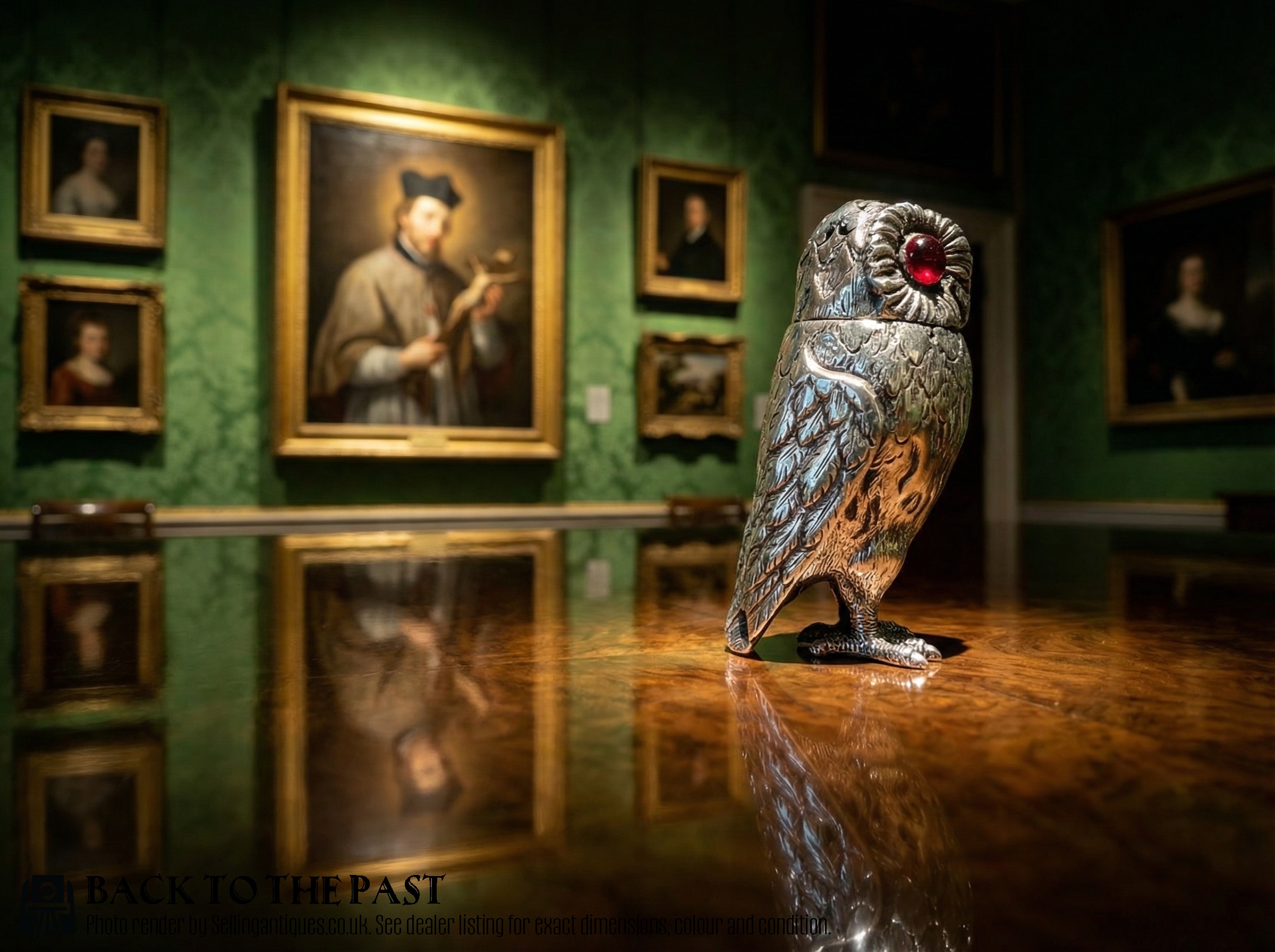
Victorian diners clearly enjoyed being judged by an owl while passing the seasoning.
Distinguishing quality across periods
Quality in a silver animal pepper shaker rests in the crispness of the chasing and the anatomical accuracy of the creature depicted. Superior examples display fine detail in the feather work, fur texture, and facial expression without losing the balance required of a functional table pot.
The weight of the metal and the snugness of the filling cap also separate standard production from finer work. Pieces that retain clear hallmarks and retain their original proportions demonstrate superior craftsmanship from their respective period.
The Silver Animal Pepper Shaker Glossary
- Pepperette
- A small container designed specifically for holding and shaking ground pepper onto food. They are often smaller than salt cellars and feature a pierced top.
- Novelty Pepper Pot
- A condiment vessel shaped to resemble an object, animal, or human figure rather than a traditional urn or vase. These pieces gained immense popularity during the Victorian era for dining table amusement.
- Sterling Silver
- A standard alloy consisting of silver and other metals to increase durability while maintaining a bright lustre. Most British tablewares of quality utilise this standard.
- Silver Gilt
- Silver that has been coated with a thin layer of gold on its surface. This technique adds warmth and protects the underlying metal from tarnishing.
- Chasing
- A metalsmithing technique where the artisan hammers the front of the metal to push details outward, creating relief patterns like feathers and fur.
Silver Animal Pepper Shaker: Frequently Asked Questions
How do I fill these pepper pots?
Most animal pepper shakers feature a removable base plug, a threaded section, or a detachable head that lifts off for refilling. Care must be taken with older closures to preserve the original fit.
Once opened, ground pepper is poured directly into the hollow interior before securing the cap back into place.
Were these made as pairs?
While some species like pheasants and owls were produced as matched pairs for formal dining settings, many animal shakers were made individually. Single pieces often represented specific domestic pets or popular Victorian novelty subjects.
Pairs generally command higher interest among collectors who set complete tables.
How do I date an antique silver animal shaker?
Dating relies heavily on official hallmarks stamped onto the silver body, which indicate the assay office, year letter, and maker's mark. Stylistic clues also help, as Victorian pieces often feature heavier ornamentation while Edwardian and 1930s items lean toward different aesthetic proportions.
Examining the construction method and fastener style provides further context for the era of manufacture.
Are these pepper shakers safe to use daily?
These antique items function adequately for regular dining use provided they are handled with care and cleaned gently. Silver requires non-abrasive polishes to avoid wearing down the fine chased details on feathers and fur.
Many collectors prefer to use them selectively or display them as cabinet pieces to preserve their finish.