


Silver Novelty Condiment Set
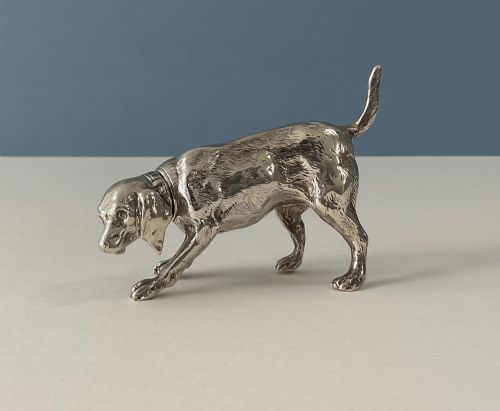
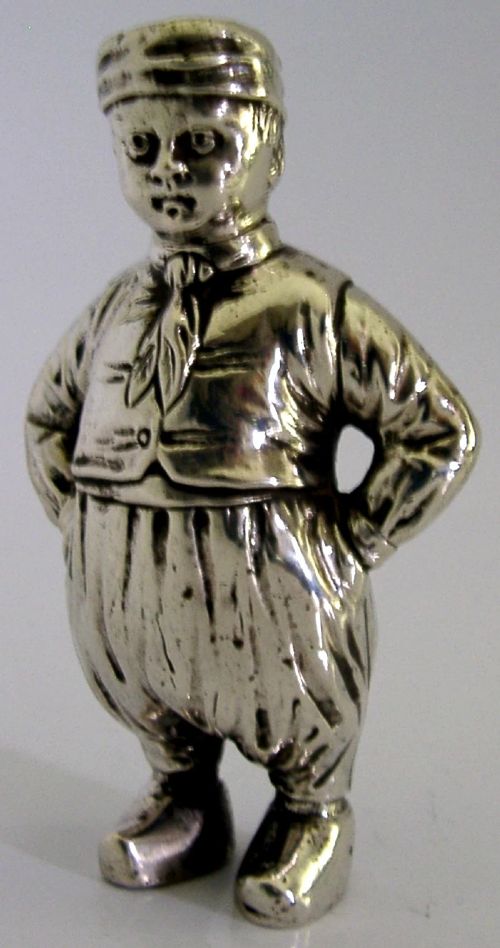
A silver novelty condiment set brings character to the dining table through sculptural forms modelled as animals, vehicles, and everyday objects.
Silver Novelty Condiment Set
A silver novelty condiment set serves mustard, salt, and pepper in playful, figurative shapes that break the monotony of traditional tableware. When buyers search for a silver novelty condiment set, they encounter items ranging from single animal pepperettes to complex framed cruet sets.
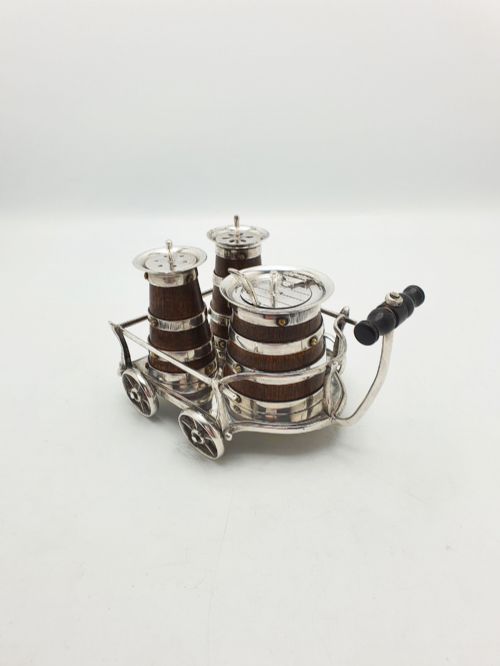
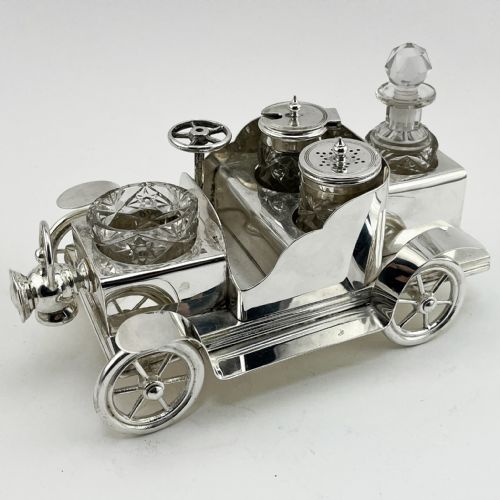
The selections span the Victorian, Edwardian, and mid-century periods, capturing an era's appetite for whimsical dining accessories. Common configurations include birds, dogs, owls, and mechanical transport such as cars and carriages.
Cruet sets and condiment holders gather these individual pots onto dedicated stands, often utilising materials like oak or glass alongside metal work. Pieces appear in both sterling silver and silver plate, reflecting various tiers of historical domestic expenditure.
What varies in quality
Quality rests in the fidelity of the modelling and the crispness of the surface detail, distinguishing master silversmiths from commercial production lines. Weight and gauge of the metal dictate the tactile substance of each piece.
The preservation of original gilding inside salt cellars and the clarity of maker marks and registration numbers indicate the original tier of manufacture. Integrated designs where the function does not compromise the sculptural line represent superior conception.
Several sets feature mechanical birds with removable heads that double as stoppers for dispensing your evening pepper.
Sampson Mordan·Berthold Muller·Mappin & Webb
The Silver Novelty Condiment Set Glossary
- Pepperette
- A small container specifically designed for dispensing ground pepper, often formed with a perforated head. These form the majority of individual figural condiment pieces.
- Cruet set
- A collection of glass or metal bottles and pots held within a frame or stand for table condiments. They organise multiple seasonings for dining convenience.
- Silver plate
- A layer of pure silver bonded to a base metal core such as copper or Britannia metal. This technique offered an accessible alternative to solid silver for elaborate domestic items.
- Sterling silver
- An alloy consisting of pure silver and other metals, predominantly copper, standardising at a specific fineness for durability. British pieces typically bear hallmarks certifying this standard.
- Gilt
- A thin layer of gold applied to the interior or surface of silver objects. This protected the base metal from corrosion by aggressive condiment contents like mustard and vinegar.
Silver Novelty Condiment Set: Frequently Asked Questions
What is a novelty condiment set?
A novelty condiment set is a functional table service designed to resemble animals, people, or everyday objects rather than standard geometric vessels.
These pieces combine utilitarian seasoning containers with humorous or decorative sculpture, popular across the Victorian and Edwardian periods.
How were these sets used?
They sat on dining tables to dispense salt, pepper, and mustard during meals, serving as both utility items and conversation pieces for guests.
Individual shakers were often passed around the table or stationed beside specific place settings.
How do I clean silver condiment pots?
Clean them gently using a specialist silver cloth or mild detergent to avoid damaging delicate chased details or thin plating layers.
Keep moisture away from fitted wooden bases like oak trays or internal glass linings during the cleaning process.
Are these pieces solid silver or plated?
The inventory includes both solid sterling silver and silver plated items, with distinct hallmarks or base metal indicators marking the difference.
Solid pieces usually carry town marks, date letters, and maker stamps, whereas plated items display alternative manufacturing marks.