
Antique Sterling Desk Accessory
An antique sterling desk accessory brings functional craftsmanship to a writing surface, offering period materials like silver, glass, and enamel for daily utility.
Antique Sterling Desk Accessory
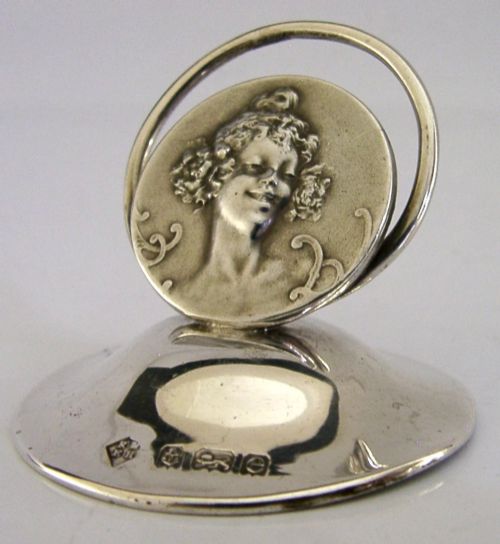
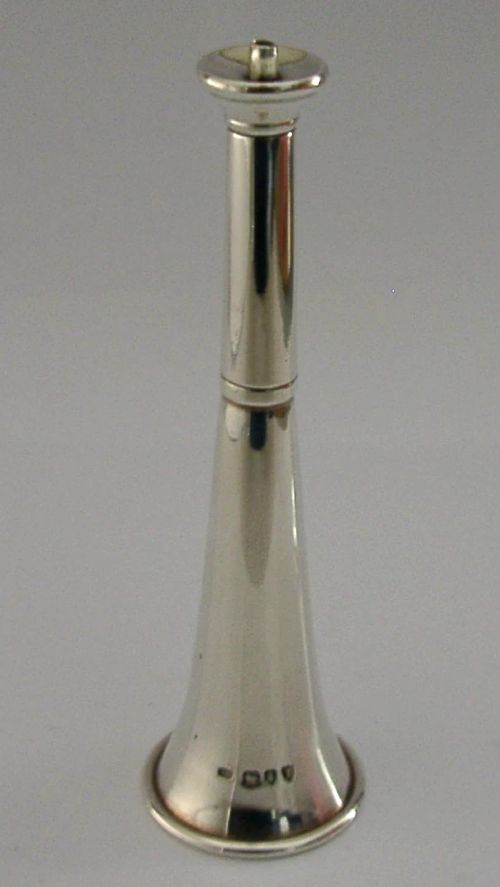
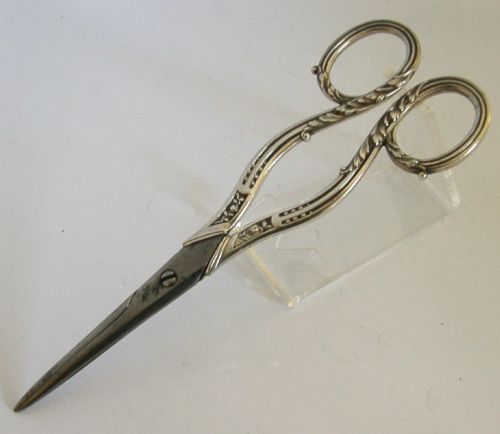
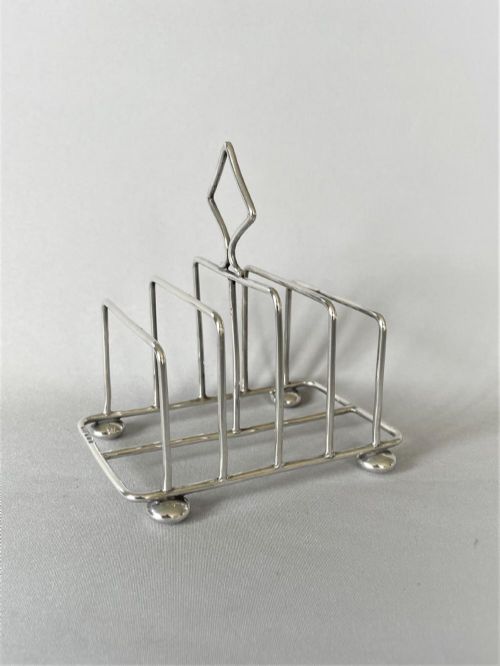
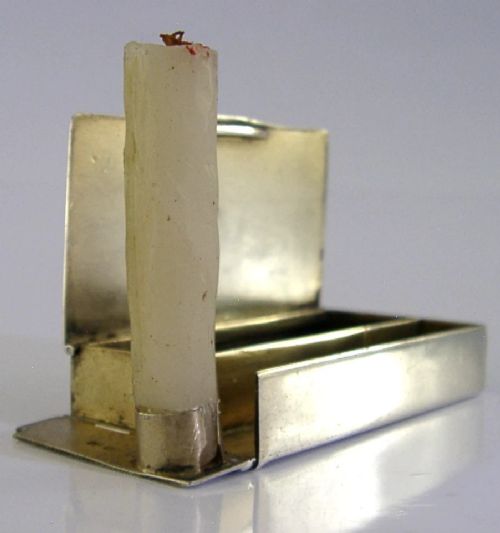
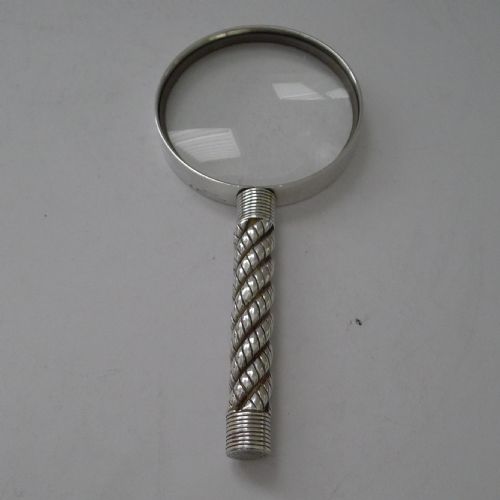
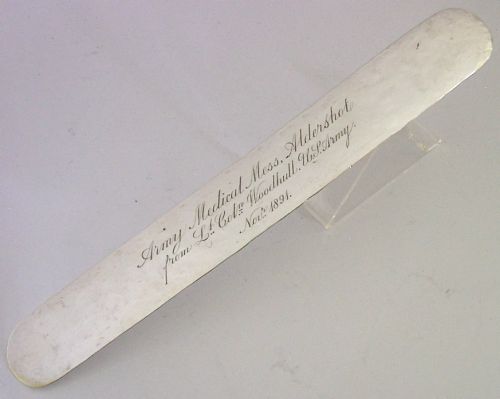
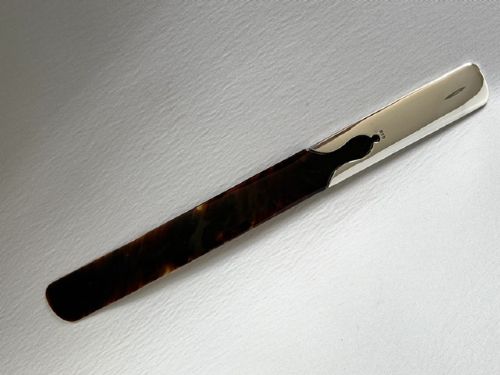
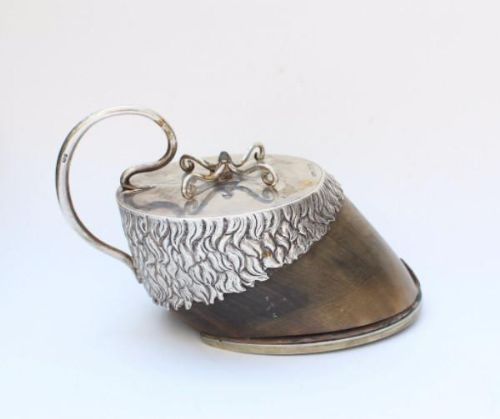
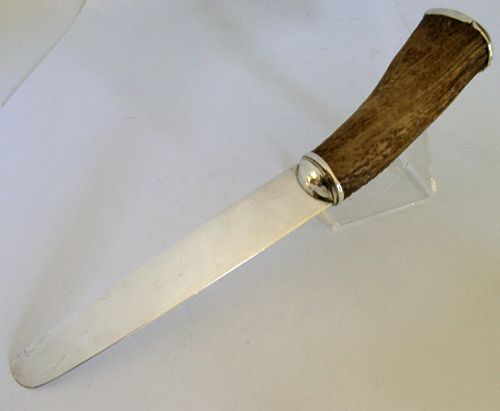
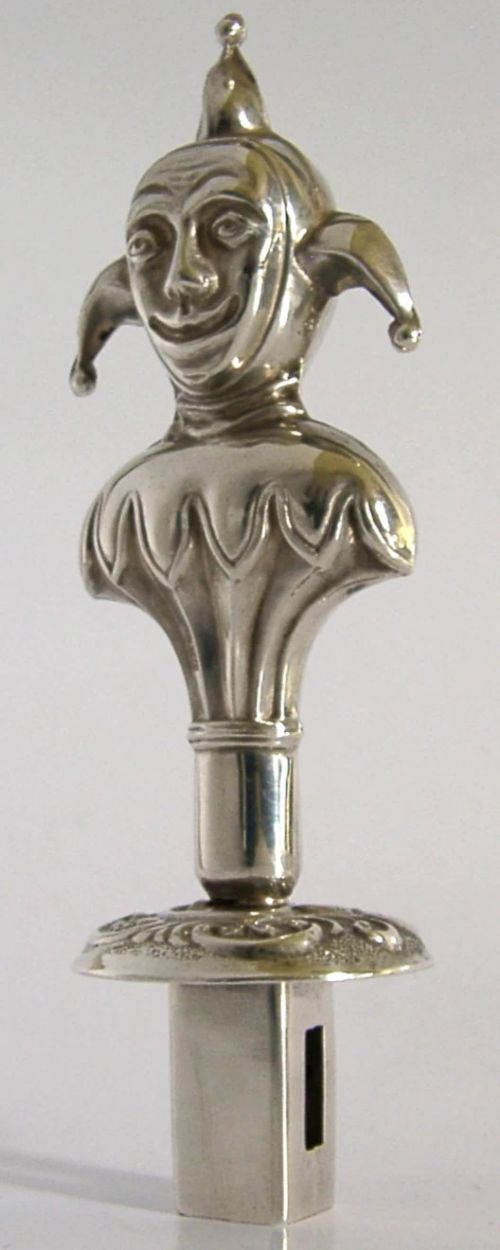
Buyers will most frequently encounter Edwardian and Victorian examples on this page, reflecting the heavy output of domestic desk wares during those reigns. Pieces range from simple silver-mounted match strikers to elaborate novelty items like jester wax holders and horn page turners.
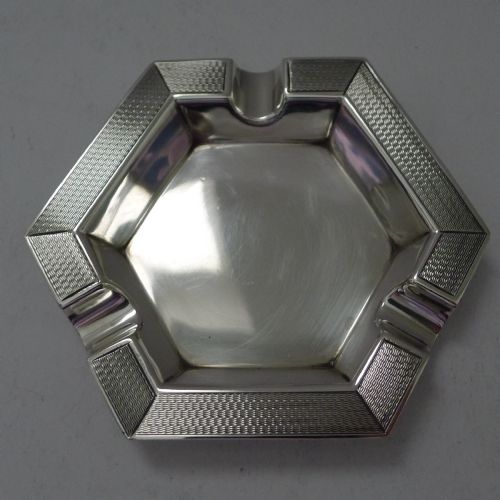
The selection also spans George V, Georgian, and Mid-Century Modern eras, incorporating materials such as tortoiseshell, cut glass, green onyx, and guilloche enamel. These objects served practical clerical and correspondence needs in private homes and offices.
What varies in quality
The distinction between standard production items and superior pieces rests on the weight of the silver, the crispness of chased or engraved details, and the complexity of the design. Novelty forms and items incorporating precious stones or fine tortoiseshell indicate higher workmanship.
Condition of integrated materials such as enamel, glass inserts, and organic substances like horn or ivory significantly impacts the integrity of the piece. Makers with established reputations for luxury retail influence the overall desirability of the work.
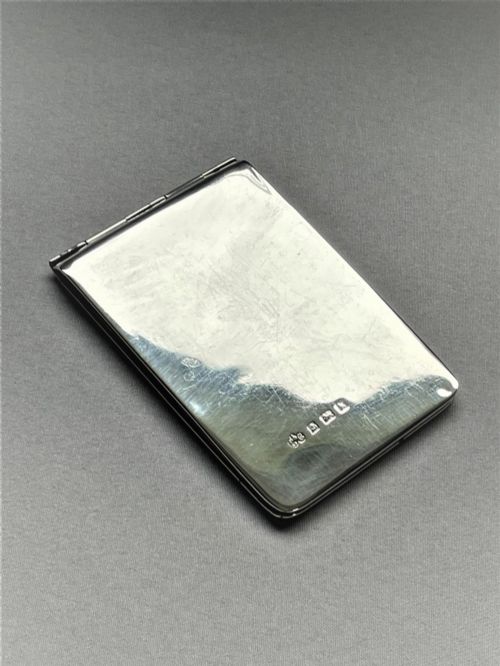
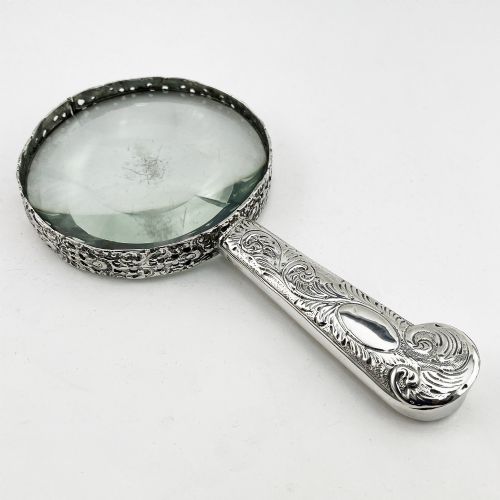
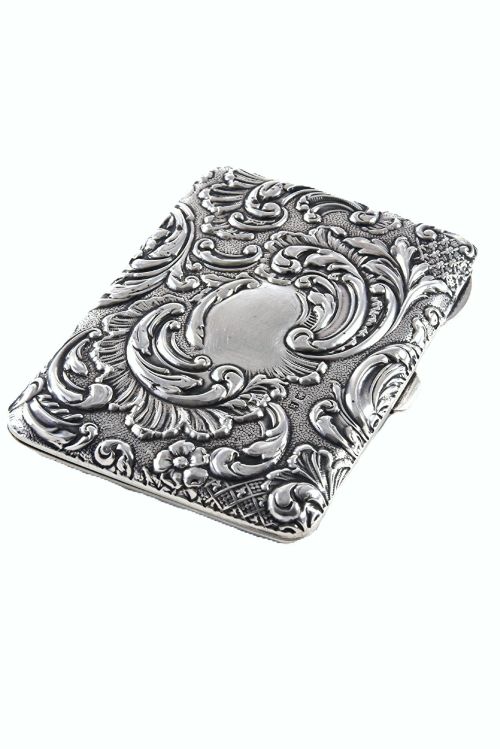
Common desk accessory forms on this page include inkwells, page turners, letter openers, vesta cases, and stamp boxes.
William Neale·Braham·Hermes Paris·Mappin And Webb·Asprey·Sampson Mordan·Crisford And Norris
The Antique Sterling Desk Accessory Glossary
- Vesta case
- A small portable box designed to hold matches, often featuring a striking surface on the base. These frequently incorporated compartments for stamps or sealing wax.
- Page turner
- A long implement made from horn, tortoiseshell, or silver used to separate uncut pages in books. They combine functional length with decorative handles.
- Guilloche enamel
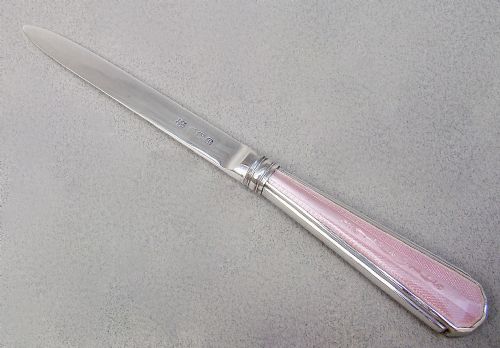
- A decorative technique where a precise geometric pattern is機械 engraved beneath translucent enamel. It appears frequently on Art Deco letter openers and compact accessories.
- Capstan inkwell
- An inkwell shaped like a ship's capstan, featuring a wide base that tapers upwards to a smaller top opening. This design prevented the heavy glass and silver vessel from tipping over.
- Vinaigrette box
- A small hinged container housing a perforated inner grill, traditionally holding a sponge soaked in aromatic vinegar. These portable luxury items date back to the Georgian era.
Antique Sterling Desk Accessory: Frequently Asked Questions
How do I clean antique silver desk accessories?
Use a soft microfibre cloth and a dedicated silver polish to remove tarnish gently, avoiding harsh abrasive pastes that might wear away hallmarks.
Keep moisture away from organic components like tortoiseshell, horn, or velvet linings to prevent warping or staining during the cleaning process.
Were these items used in offices or homes?
Most desk accessories were manufactured for private home writing desks, libraries, and studies where correspondence was handwritten daily.
Heavier items like capstan inkwells and desk calendars remained stationary, while pocket pieces such as vesta cases and stamp holders travelled with the owner.
How can I date an unmarked silver accessory?
British sterling silver typically bears official hallmarks indicating the assay office, standard mark, and a specific date letter corresponding to the year of manufacture.
Stylistic indicators like Art Deco geometric patterns or Edwardian floral motifs also help narrow down the production decade when stamps are worn.
What is the difference between silver and sterling silver?
Sterling silver denotes a specific alloy containing 92.5 percent pure silver and 7.5 percent other metals, usually copper, added for durability.
Plain or general silver descriptions without a standard mark may refer to lower purity grades or simply silver plate over a base metal.