
Antique Step Tables
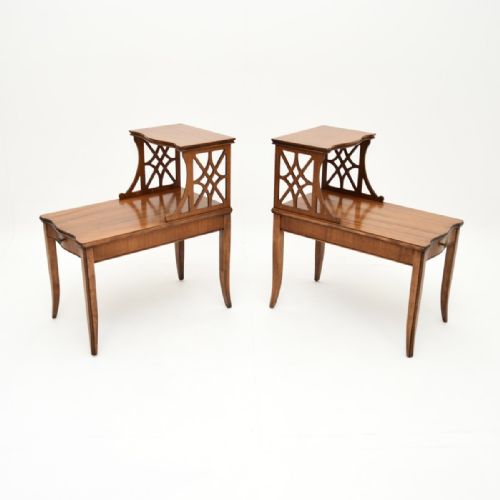
Antique step tables present practical surfaces with tiered levels, offering compact utility and period character for modern interiors.
Antique Step Tables
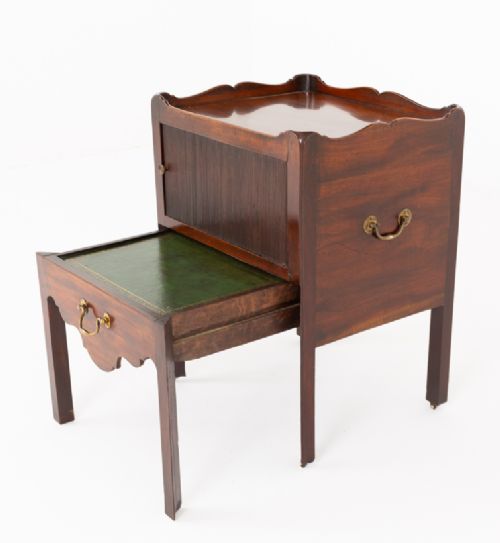
When searching for antique step tables, buyers typically encounter pieces intended for bedside use or small display surfaces. The listings show forms ranging from Georgian and Regency bedside tables to Edwardian bedside chests and Victorian bedside cabinets, alongside various desks and lamps.
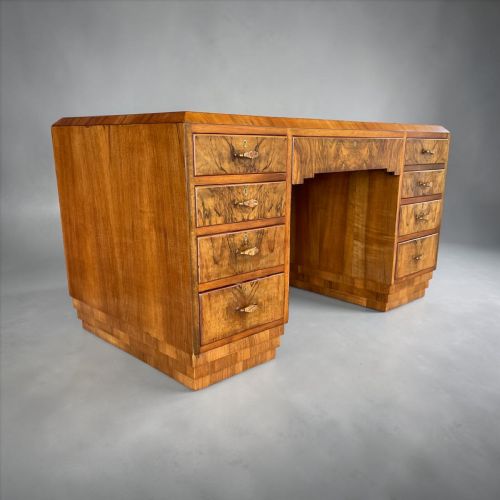
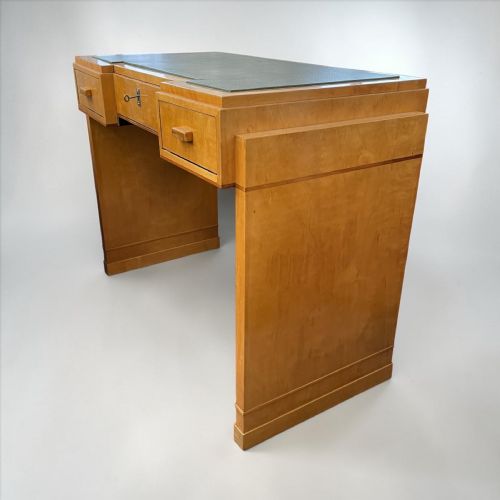
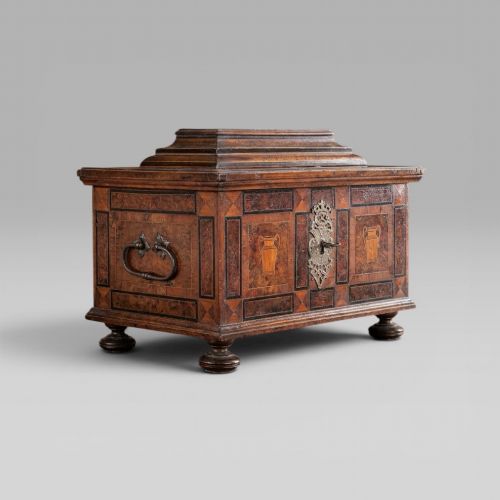
The selection reflects periods spanning the eighteenth, nineteenth, and early twentieth centuries, including Victorian, Edwardian, and Art Deco designs. Materials include mahogany, walnut, satinwood, and brass, demonstrating the diverse construction of small household furniture and decorative objects from these eras.
Materials and construction methods
Cabinet makers utilised traditional timbers such as mahogany, walnut, and satinwood to construct sturdy bedside tables and cabinets. Joinery methods relied on dovetailed drawers and solid frames suited to daily domestic use.
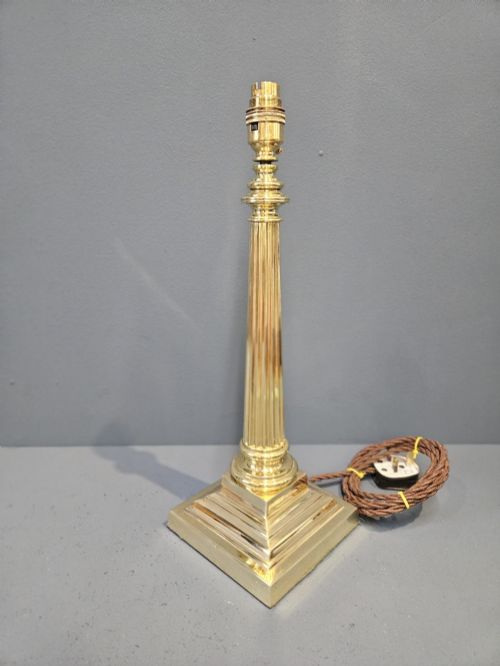
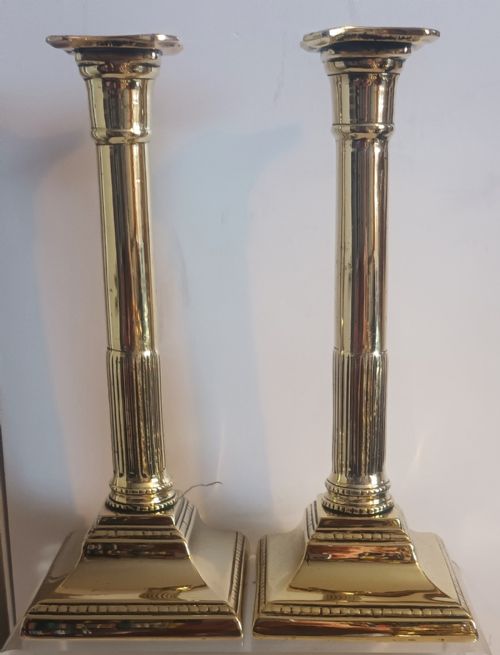
Metal components like brass and chrome appear alongside plated finishes on lamps and candlesticks from the nineteenth and twentieth centuries. Glass, onyx, and fabric elements further complement the construction of clocks and decorative table pieces.
Some clocks keep ticking through an ingenious breeze while others require an eight-day winding routine.
Assessing quality in period pieces
Quality separates simple utility items from superior examples through the selection of timber veneers and the precision of the cabinet work. Finer pieces display carefully chosen wood grain and balanced proportions across the tiered or stepped surfaces.
The refinement of cast metal mounts, the clarity of glass components, and the original integrity of the hardware distinguish higher grade examples. Superior execution in both structural joinery and decorative detailing marks the distinction at the upper end of the range.
The Antique Step Tables Glossary
- Bedside cabinet
- A small enclosed piece of furniture designed to stand next to a bed, often featuring a door and interior storage space. These units provide compact surface areas for lamps and night-time necessities.
- Regency
- A style period spanning the early nineteenth century characterised by classical restraint and neoclassical influences. Furniture from this era often incorporates clean lines and dark timbers.
- Corinthian column
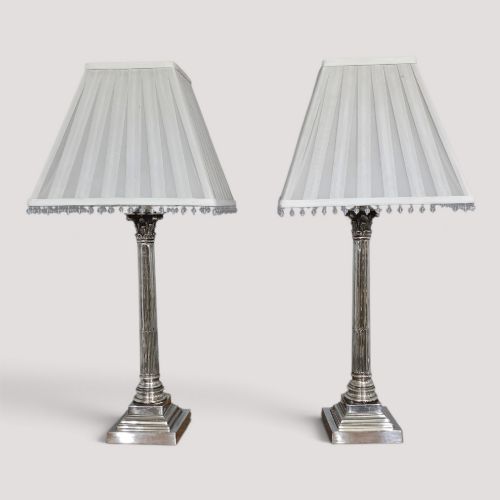
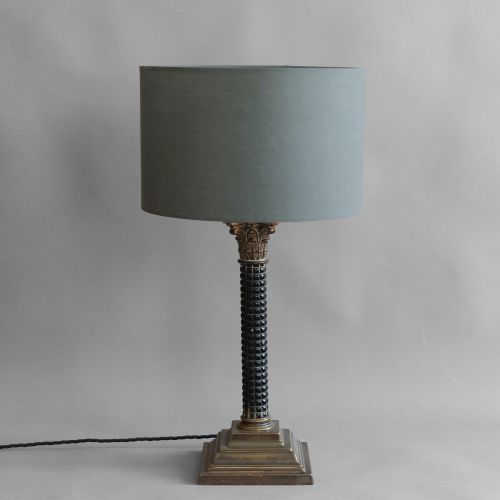
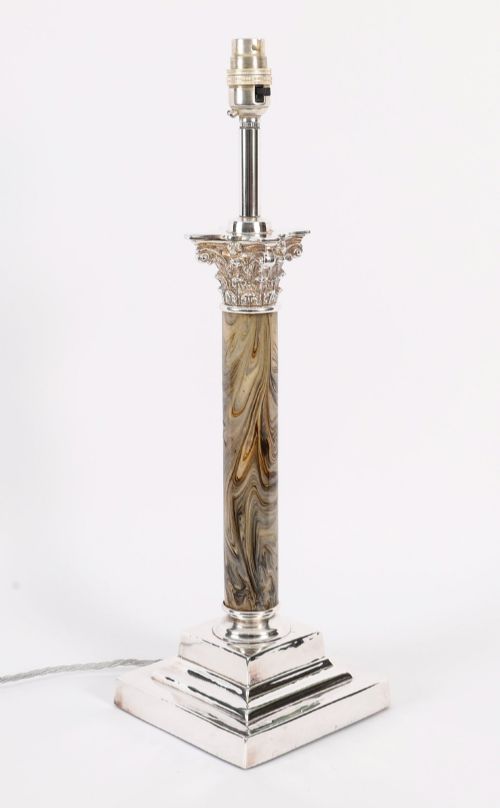
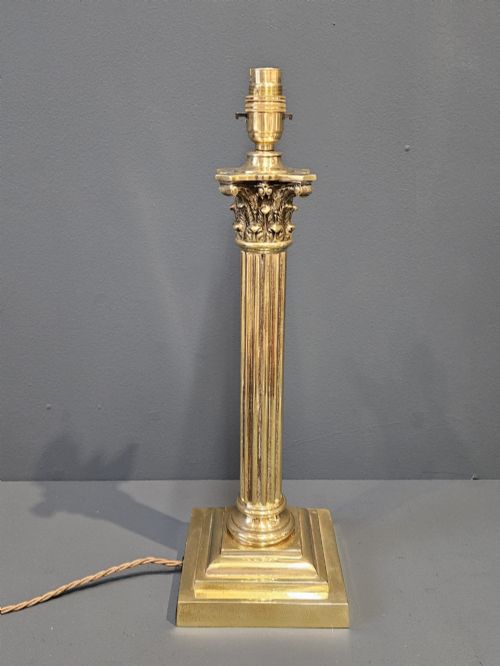
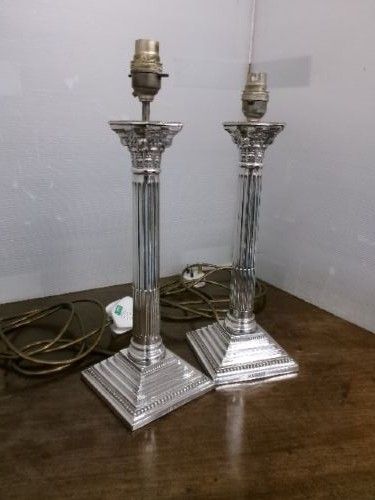
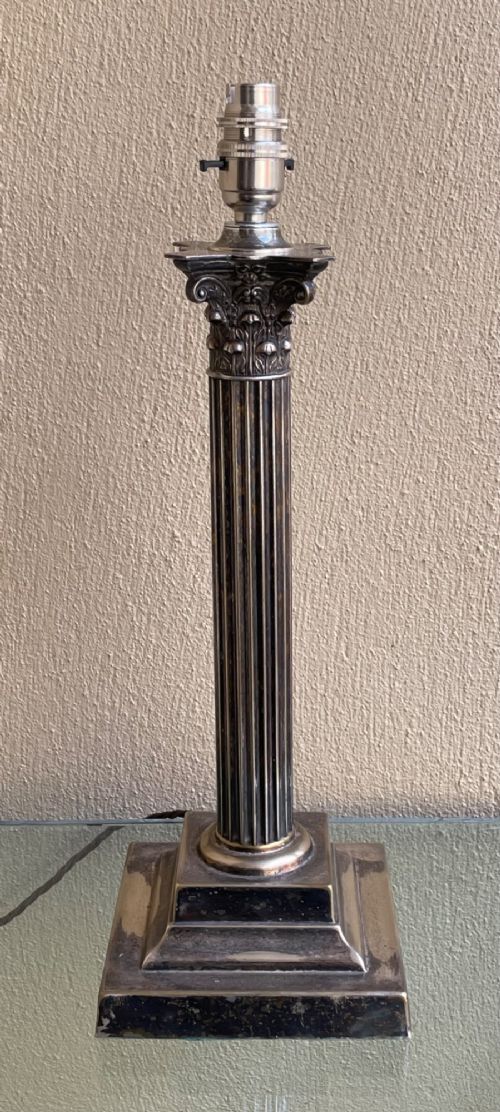
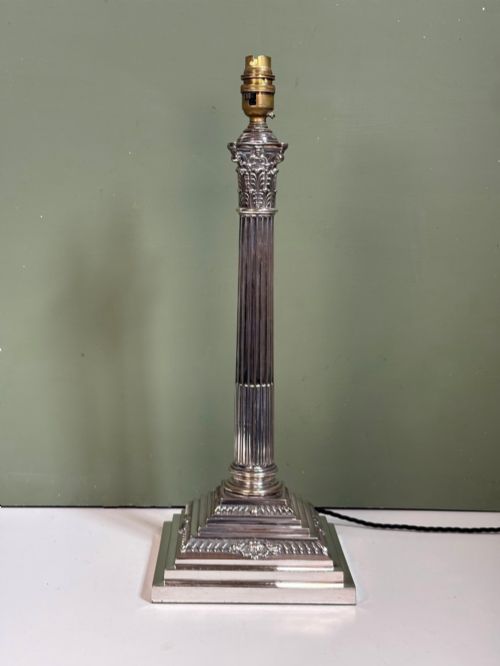
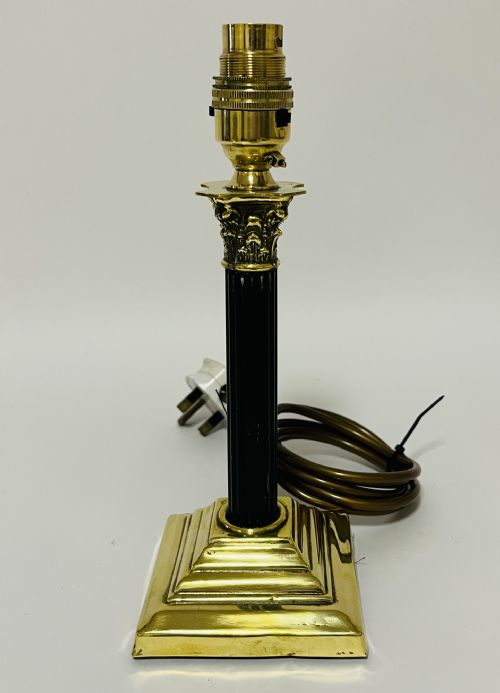
- An architectural column design featuring ornate carved capitals with acanthus leaves, frequently adapted for nineteenth-century table lamps and candlesticks. This classical form appears in both brass and silver plated metal.
- Art Deco
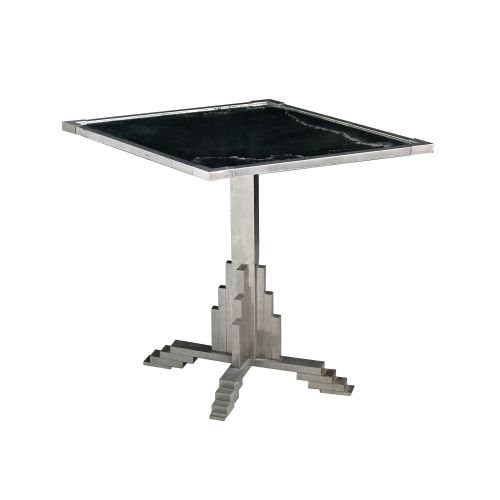
- A design movement of the 1920s and 1930s defined by geometric shapes, streamlined forms, and modern industrial materials like chrome and bakelite. Pieces from this era include desks, clocks, and lamps.
Antique Step Tables: Frequently Asked Questions
What rooms suit antique step tables best?
These compact pieces fit naturally beside beds or chairs where surface space is limited. Their tiered design offers practical levels for small lamps and everyday items.
They also function effectively as small display stands in hallways or living rooms. The varied woods and periods allow them to integrate easily with diverse interior schemes.
Are these tables suitable for daily use?
Solid construction and durable timbers mean these pieces remain entirely practical for contemporary living. Standard daily use for holding books, lamps, or drinks causes no harm to well-made examples.
Care should be taken with polished wood surfaces to prevent moisture marks. Using coasters and appropriate cleaning products preserves the antique finish.
What materials are common in these tables?
Mahogany and walnut form the structural basis for many traditional wooden tables and cabinets. Satinwood also appears on finer examples from later periods.
Metal elements such as brass or bronze occasionally accent the corners or handles. These materials reflect the prevailing manufacturing standards of their respective eras.