







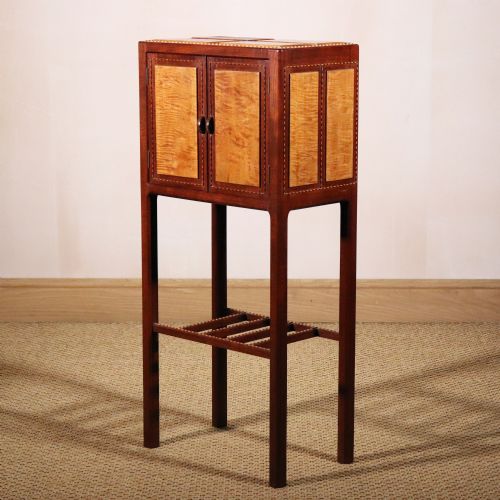


Antique Stationery Stand
An antique stationery stand organises correspondence on a desk, bringing timber and metal craftsmanship into daily working life.
Antique Stationery Stand
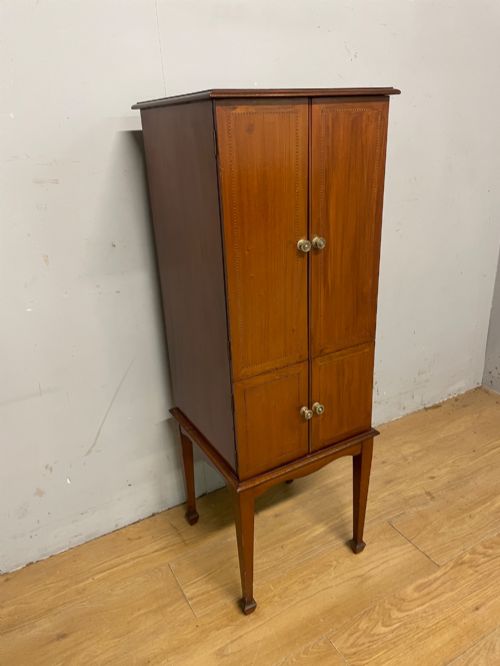
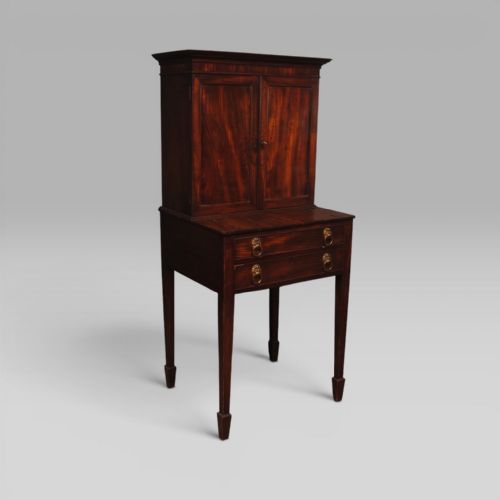
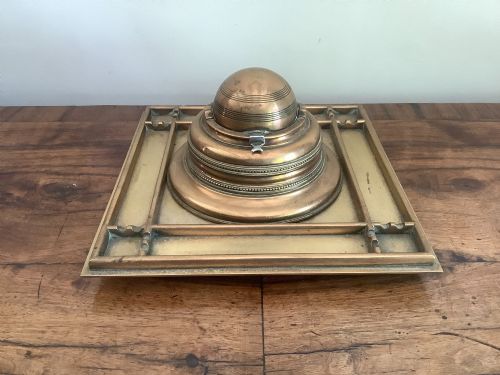
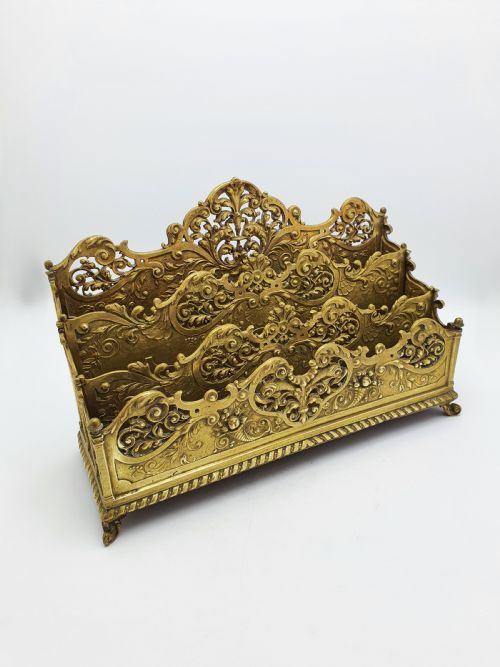
An antique stationery stand holds letters, papers, and writing implements on a desk or table. When searching for an antique stationery stand, buyers encounter various forms such as letter racks, inkstands, and writing cabinets.
The pieces on this page span the nineteenth and twentieth centuries, including Victorian, Edwardian, and Regency periods. Walnut, mahogany, rosewood, oak, and papier-mache form the primary bodies of these desk accessories.
Many examples incorporate compartments for envelopes alongside glass inkwells and pen trays. Some take the form of cabinets on stands or tiered racks designed for professional and domestic correspondence.
Materials and Construction
Cabinetmakers utilised dense timbers like mahogany, walnut, rosewood, and coromandel, frequently finishing surfaces with brass mounts, inlay, or mother of pearl. Papier-mache and lacquer provide lighter alternatives with painted or inlaid decoration.
Metal elements involve cast brass, ormolu, copper, and silver plating, often shaped in Gothic Revival, Rococo Revival, or Arts and Crafts styles. Glass forms the removable inkwells that sit within these stands.
Antique Stationery Stand Retail Price Guide 2026
Typical asking prices for stationery stand among the pieces listed under this phrase on Sellingantiques today, from the lower quarter to the upper quarter. They describe what is for sale here now, not the wider market.
Listings feature pieces spanning the nineteenth and twentieth centuries, including Victorian, Edwardian, and Regency periods.
Assessing Quality
Quality rests in the selection of timber veneers, the crispness of brass casting, and the integration of functional compartments like drawers and letter slots. Finer pieces display meticulous hand-painted details or precise mother of pearl inlay.
The presence of matching original inkwells and balanced proportions separates standard utility pieces from exceptional decorative examples designed for prominent display in a study or library.
The Antique Stationery Stand Glossary
- Stationery stand
- A desk accessory designed to hold writing paper and envelopes upright for easy access. These stands often incorporate compartments for related items.
- Inkstand
- A tray or stand holding one or more inkwells, usually accompanied by pen troughs and sometimes a matching stationery rack.
- Papier-mache
- A composite material made from paper pulp or layers of paper reinforced with glue, moulded and finished with lacquer or paint.
- Ormolu
- Gilded bronze applied as mounts and decorative trim on nineteenth-century desk sets and furniture.
- Coromandel
- A dense, dark brown exotic timber with contrasting black grain, prized for nineteenth-century luxury boxes and stands.
Antique Stationery Stand: Frequently Asked Questions
What is an antique stationery stand?
An antique stationery stand is a desk accessory built to keep writing paper, envelopes, and letters organised and upright.
These pieces range from simple wooden letter racks to elaborate combinations featuring inkwells and pen trays.
How were stationery stands used?
They sat on writing tables and desks to keep daily correspondence tidy and within reach of the writer.
Many combined multiple functions, holding pens, ink, and blotting paper alongside writing paper.
What materials are common?
Cabinetmakers used hardwoods such as mahogany, walnut, rosewood, oak, and coromandel for the main bodies.
Metal mounts in brass, copper, and ormolu appear frequently alongside glass inkwells and papier-mache surfaces.
How do I date a stationery stand?
Stylistic clues such as Victorian Gothic, Arts and Crafts, or Regency design help determine the period.
Materials, construction methods, and hardware styles also point toward specific decades in the nineteenth and twentieth centuries.