


Antique Spring Clock
An antique spring clock drives time with coiled metal power, bringing centuries of mechanical precision and cabinet-maker artistry into a room.

Antique Spring Clock
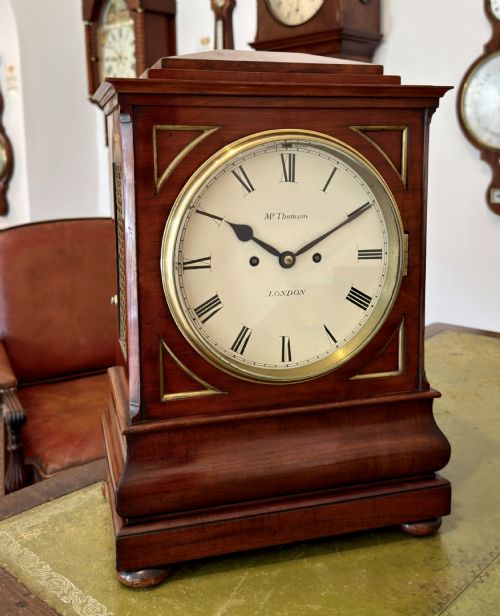
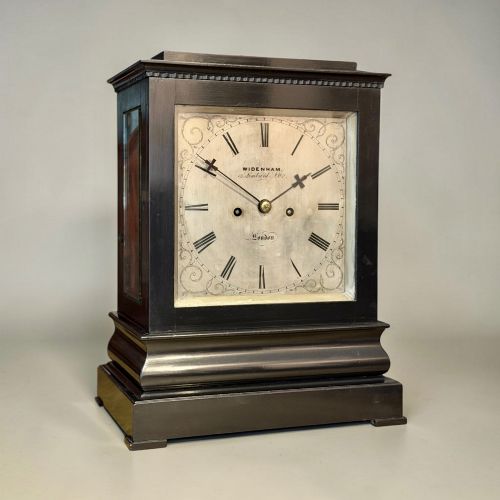
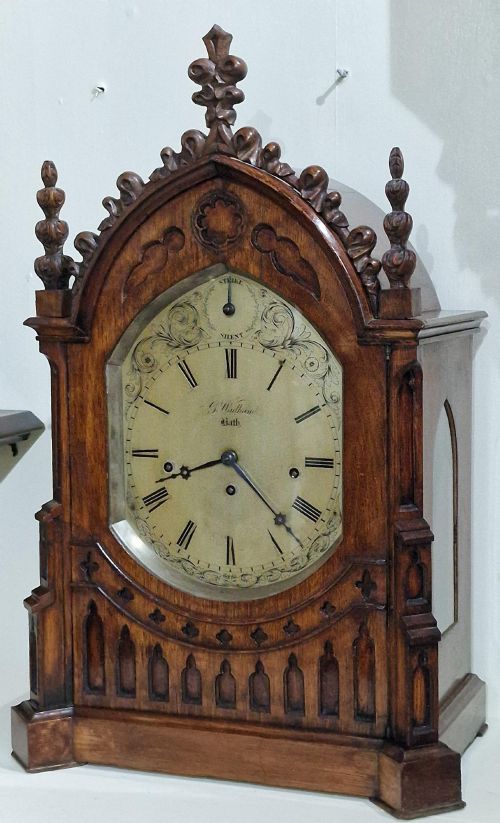
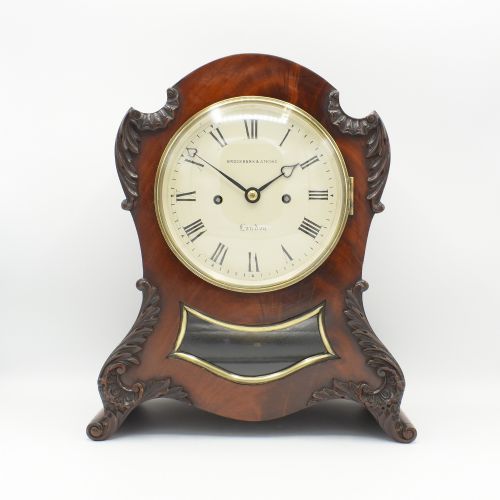
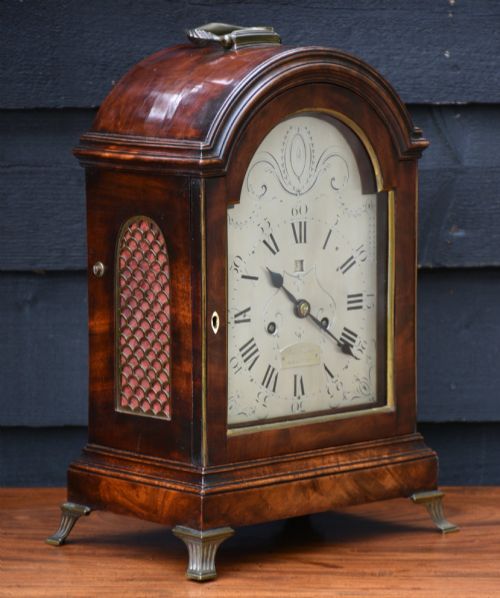
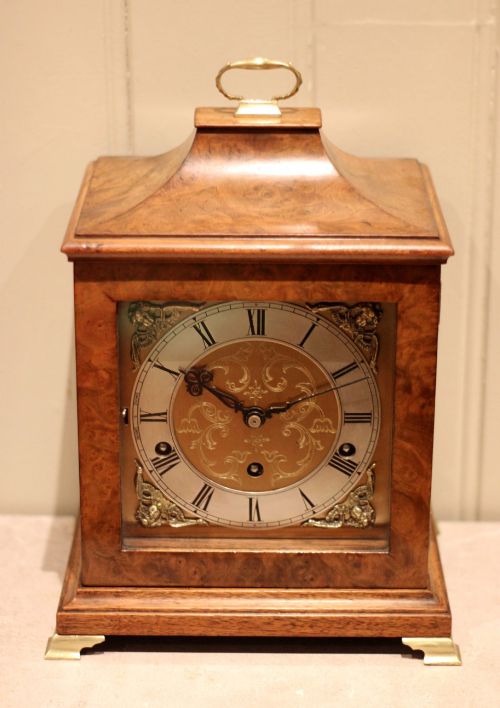
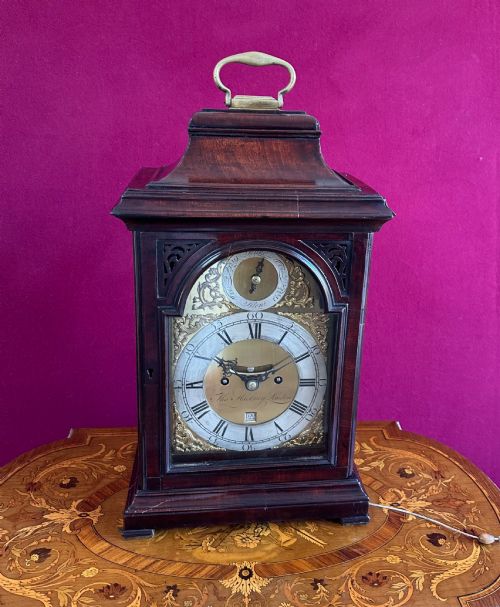
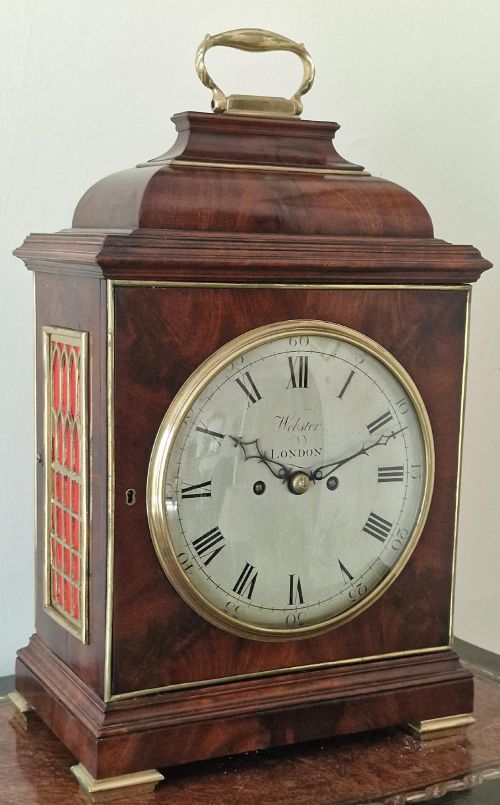
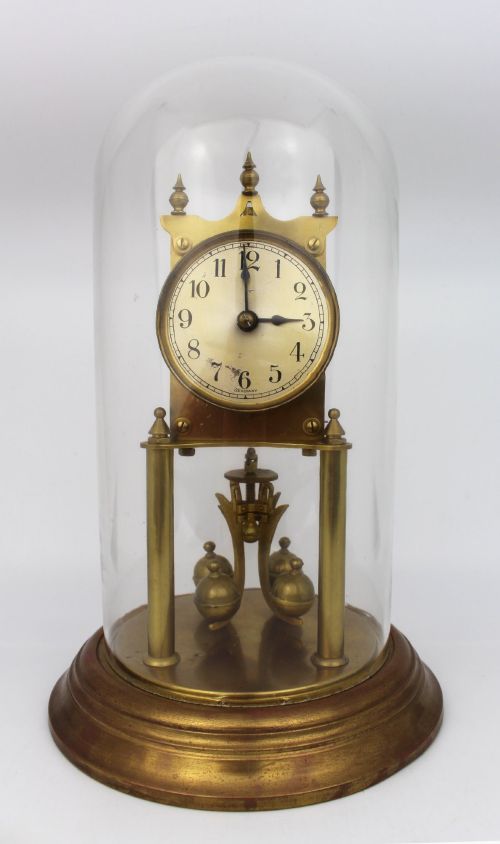
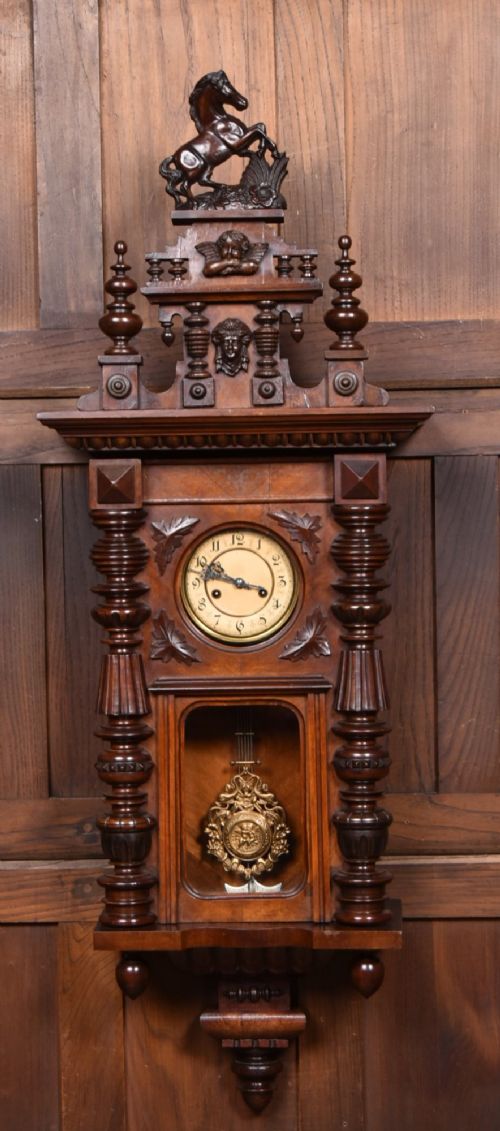
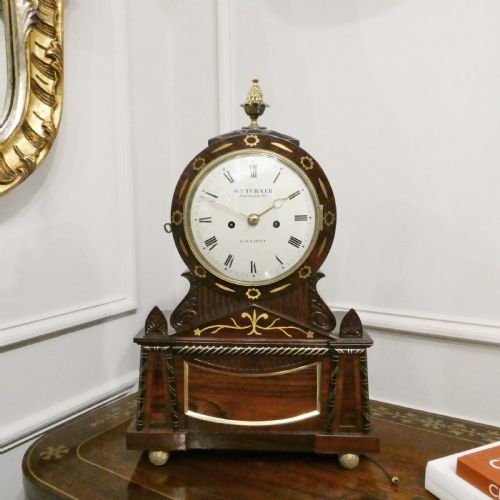
When you search for an antique spring clock, you encounter timepieces driven by a coiled mainspring rather than falling weights, spanning centuries of British and continental design. The forms on this page divide chiefly between bracket clocks, table clocks, carriage clocks, wall clocks, and mantel clocks.
The domestic interior dictated these shapes, from large mahogany bracket pieces intended for communal rooms to compact carriage clocks designed for travel. The selection moves across periods from the seventeenth century through the Georgian, Regency, and Victorian eras into the twentieth century, reflecting shifting tastes in domestic woodwork and dial layout.
Craftsmanship and Mechanism
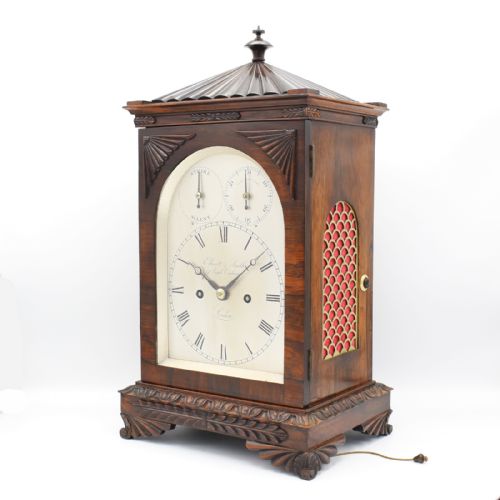
The division between ordinary and exceptional pieces rests in the execution of the movement and the integrity of the wooden case. Master makers integrated complex complications like triple fusee bells or quarter-striking mechanisms within finely proportioned timber housings fitted with sound frets and brass bracket feet.
Lesser pieces display simpler time-only movements inside plain pine-carcased or veneered boxes with standard paper or painted dials. The crispness of the hand-engraving on the backplate and the choice of secondary woods reveal the workshop standards behind the clock.
Antique Spring Clock Retail Price Guide 2026
Typical asking prices for spring clock among the pieces listed under this phrase on Sellingantiques today, from the lower quarter to the upper quarter. They describe what is for sale here now, not the wider market.
Listings feature spring-driven mechanisms housed in mahogany, walnut, rosewood, and ebony, spanning the seventeenth century through to the Edwardian era.
Thomson of London·Widenham of London·George Wadham·Brockbanks & Atkins·Mappin & Webb·Barber & North·Turner of London·L. Vick of Stroud·Webster Cornhill London·Spurge Dunmow·Jonathon Lowndes·Seller of Reading·Thomas Moss·John Witherston·John Pepys London·William Speakman·Cording of London·Phillips Brothers·Geo. Carter·Wilkinson Leicester·Junghans
The Antique Spring Clock Glossary
- Fusee
- A conical pulley used in spring clocks to maintain equal force on the gear train as the mainspring unwinds. This device ensures more uniform timekeeping throughout the running period.
- Verge escapement
- An early type of escapement mechanism that controls the release of power in pendulum or balance-wheel clocks. It sits vertically and interacts directly with the crown wheel.
- Bracket clock
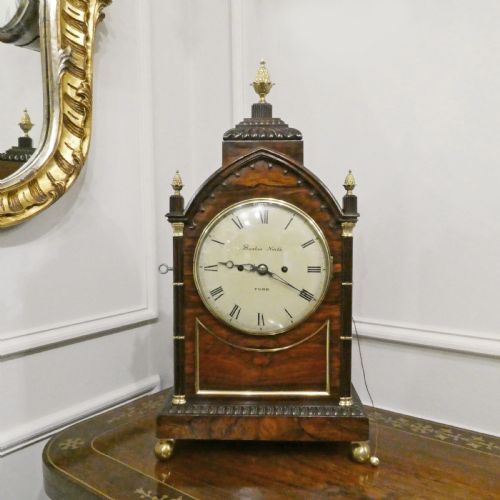
- A portable spring-driven clock originally designed to sit on a wall bracket or table. These pieces often feature sturdy carrying handles and elaborate wooden cases.
- Chapter ring
- The metal ring on a clock face that bears the hour numerals. In many examples, it is silvered and engraved separately from the dial centre.
- Carriage clock
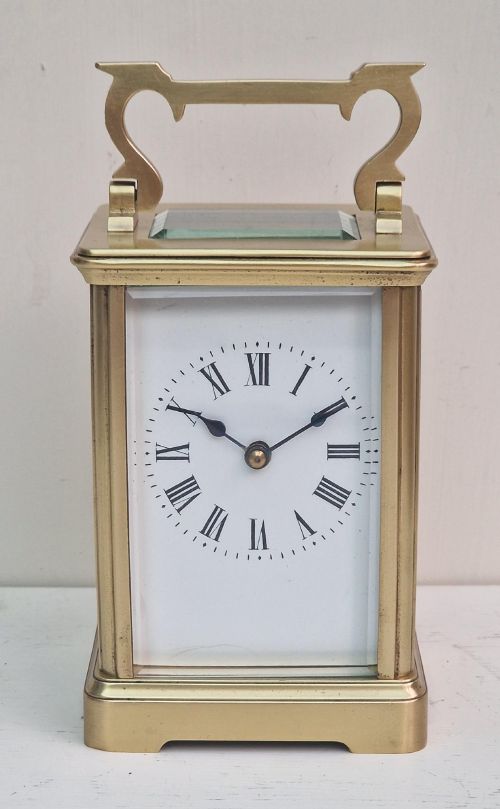
- A small, spring-driven timekeeper enclosed in a brass and glass case with a folding handle. They originated for travel use by officers and gentlemen during the nineteenth century.
Antique Spring Clock: Frequently Asked Questions
How do you wind a spring clock?
Winding requires inserting a matching key into the winding square on the dial face and turning it carefully until you feel resistance. Most traditional spring clocks require winding every eight days, though some run for shorter or longer periods depending on the movement.
Overwinding can damage the internal spring, so clocks should be wound firmly but without excessive force. It is also important to avoid turning the hands backward on certain movement types.
Where should I place a spring clock?
Spring clocks perform best when placed on a stable surface away from direct sunlight, heating vents, and damp areas. Bracket and mantel clocks require a level shelf or table to ensure the pendulum or balance wheel beats evenly.
Wall-mounted models need secure fixings into solid masonry or wall studs to support the weight of the timber case and movement. A stable environment helps maintain accurate timekeeping and preserves fragile wooden veneers.
How do I identify the period of a clock?
Dating relies on stylistic clues in the case design, wood selection, dial layout, and signature engravings on the backplate. Seventeenth-century examples often feature ebony basket tops, while Georgian pieces frequently display mahogany veneer and arched dials.
Later Victorian and 1900s pieces introduce walnut Vienna wall formats, brass carriage cases, and varied chime options. Comparing the case style and signature with known working periods of the maker narrows down the manufacturing decade.