

Antique Spoon Back Chair
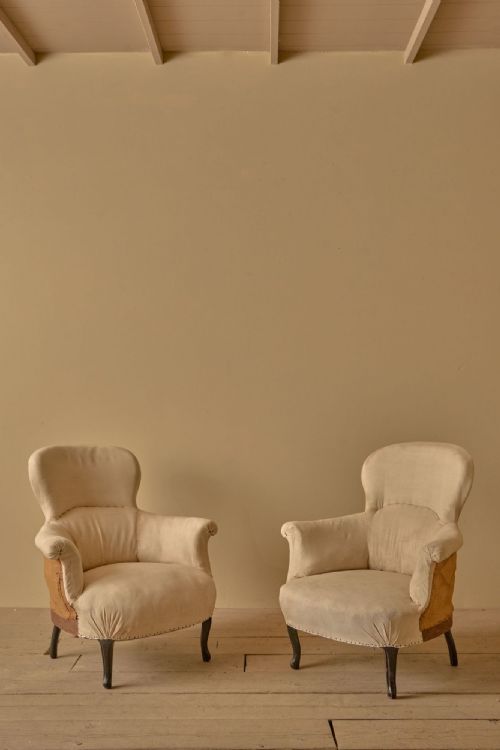
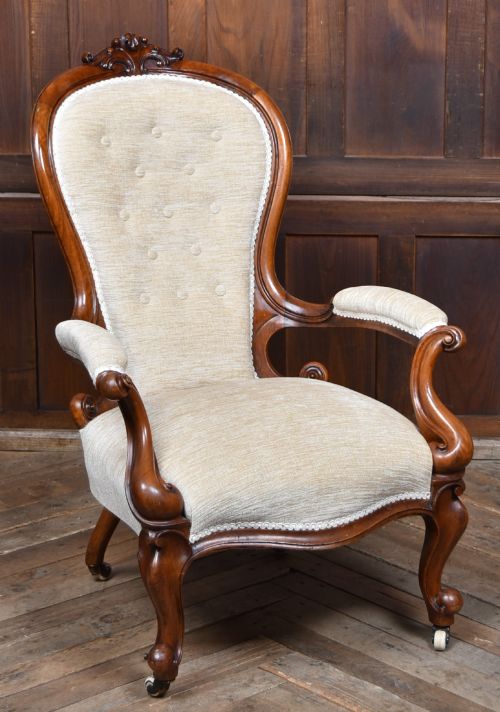
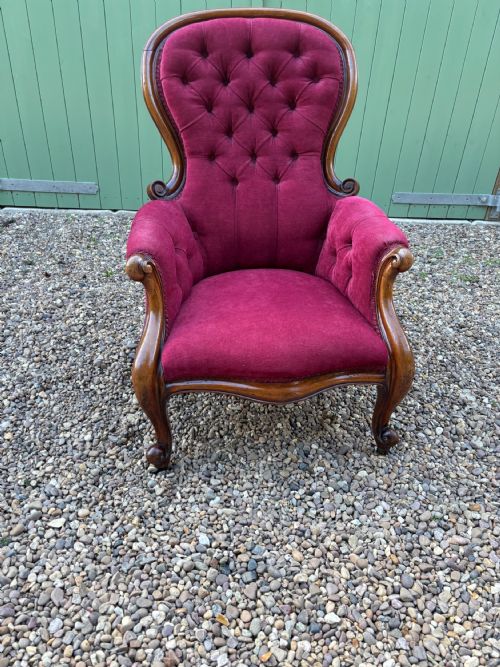
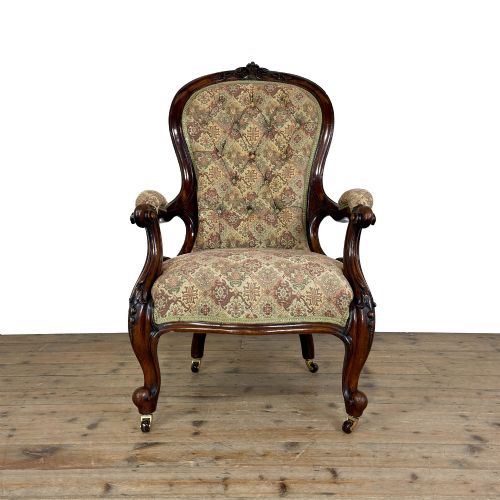
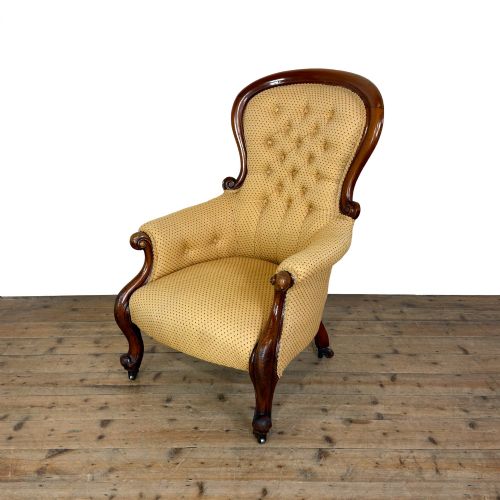
An antique spoon back chair brings curved, sprung comfort to a room, defined by its oval padded backrest and rich timber frame.
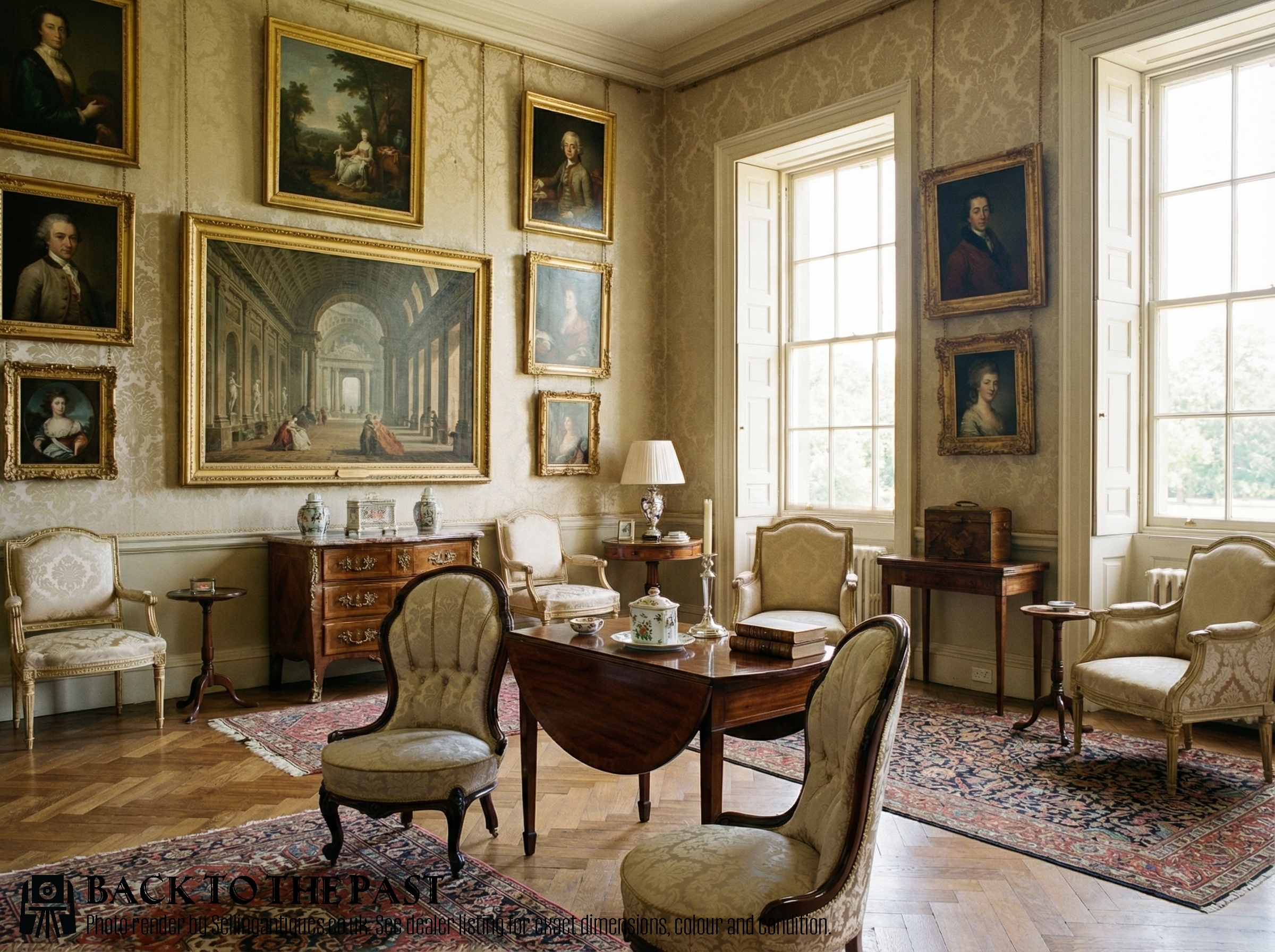
Antique Spoon Back Chair
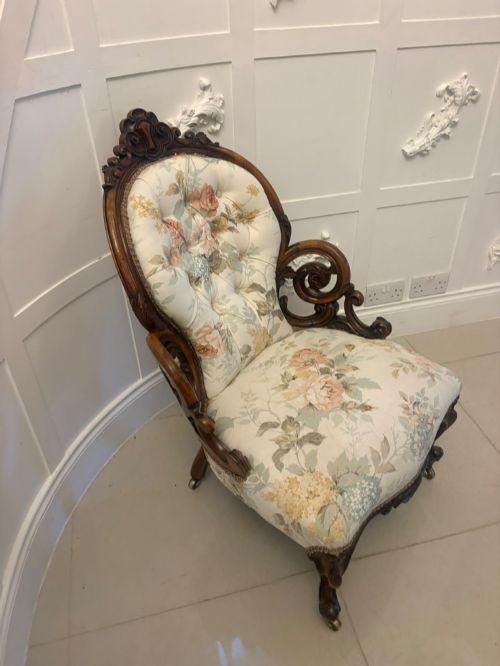
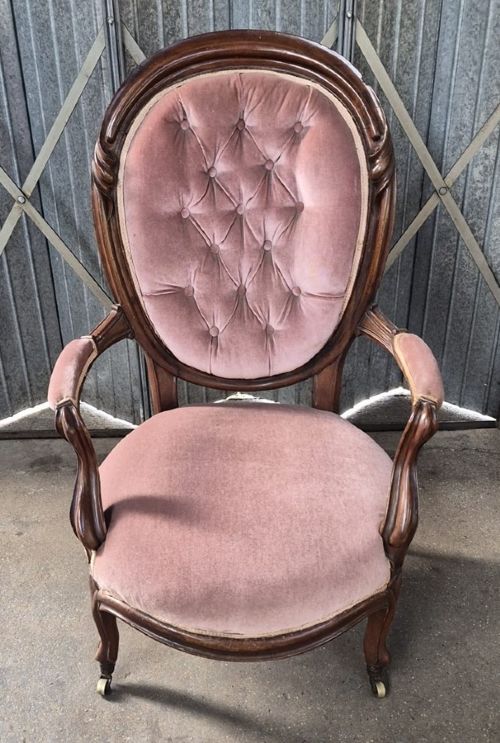
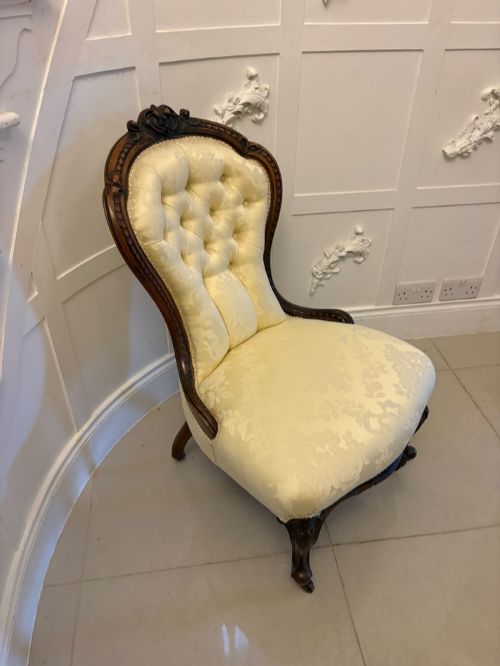
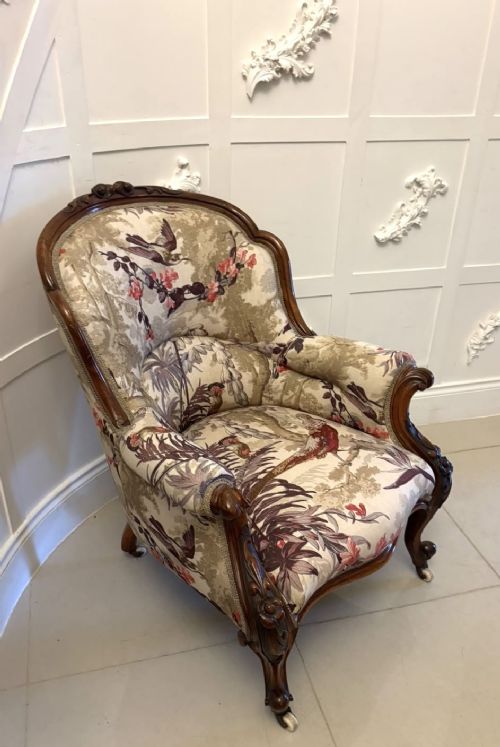
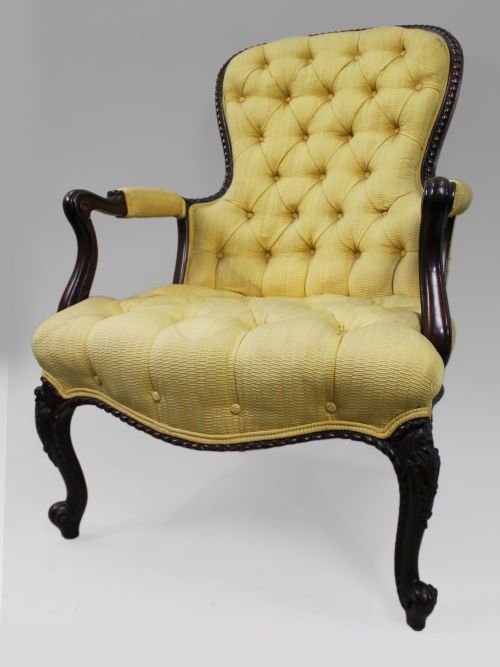
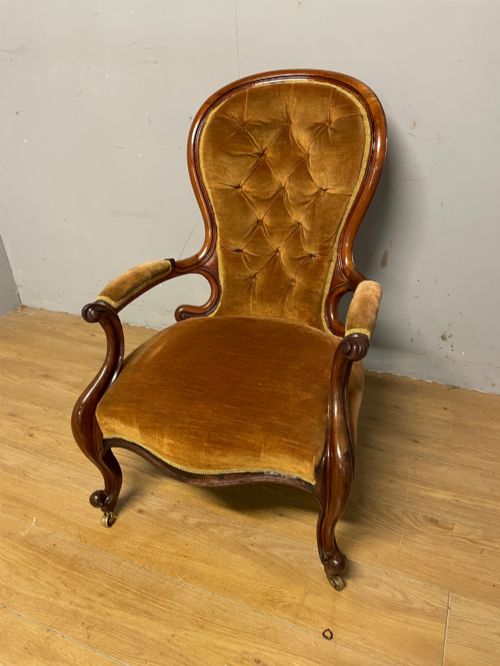
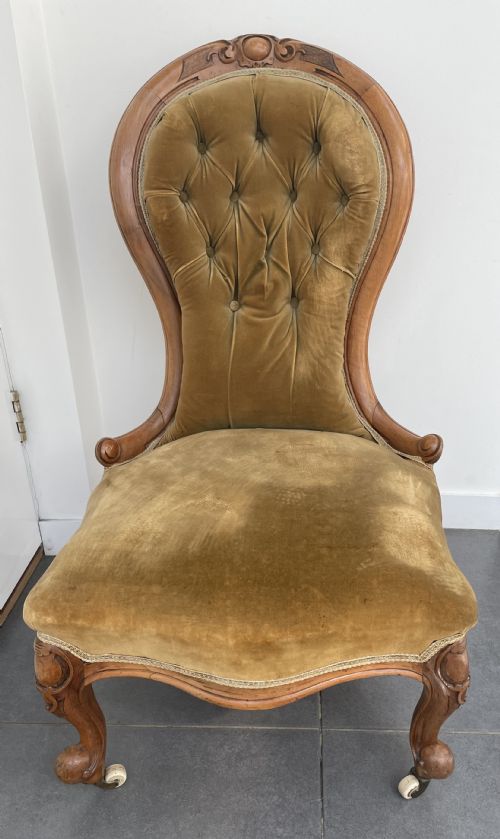
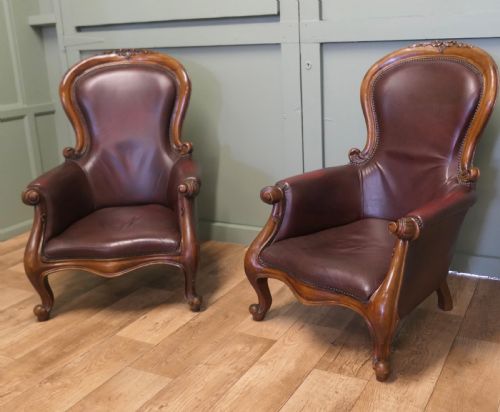
The antique spoon back chair is primarily a Victorian seating form, though examples stretch from the Regency era into the late nineteenth century. These pieces appear most frequently as walnut or mahogany armchairs, nursing chairs, ladies and gentlemen's chairs, and occasional seats.
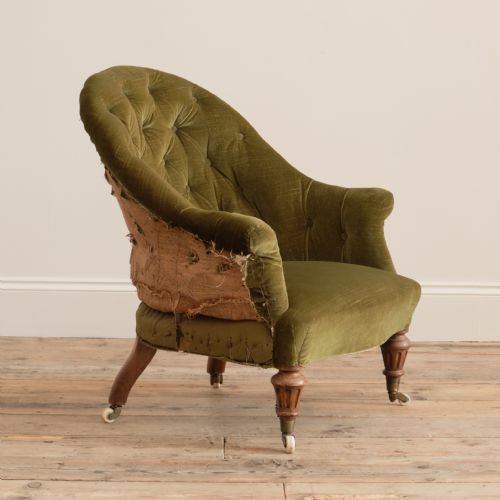
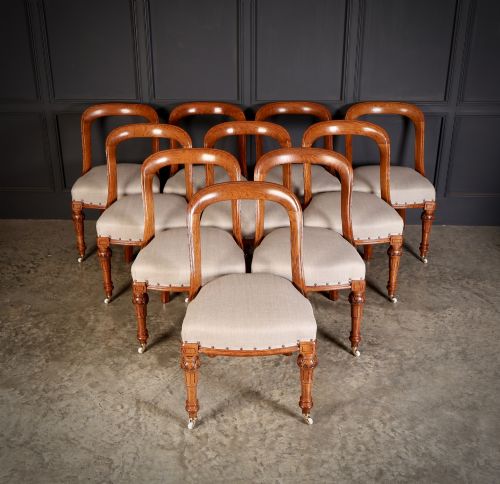
Makers shaped the timber into deep, oval recesses designed to cradle the human spine. The evidence shows these pieces functioning across salons, bedrooms, and dining rooms in various forms, including slipper chairs and larger open armchairs.
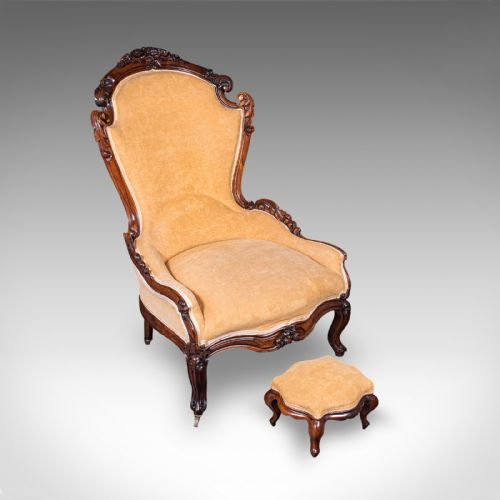
Buyers encounter numerous variations within this form, ranging from compact nursing seats intended for low fireside seating to substantial gentleman's armchairs with scroll arms. The overarching style draws heavily on Victorian Rococo Revival aesthetics, marked by carved frames and curved wooden members.
Materials and construction
Makers constructed the structural frames predominantly from solid walnut and mahogany, occasionally utilising oak, alongside metal or iron components. Artisans shaped the characteristic curved backrests through steam-bending or careful carving of the dense hardwoods.
Upholstery techniques involved layering traditional stuffings beneath surface textiles such as velvet, damask, leather, and patterned fabric. Brass details and button-backed padding frequently completed the assembly, securing the textiles to the wooden framework.
Antique Spoon Back Chair Retail Price Guide 2026
Typical asking prices for spoon back chair among the pieces listed under this phrase on Sellingantiques today, from the lower quarter to the upper quarter. They describe what is for sale here now, not the wider market.
The documented pieces span the nineteenth century, including specific dated examples from eighteen-fifty, eighteen-sixty, and eighteen-eighty.
Judging the work
Quality reveals itself in the depth and sharpness of the timber carving, particularly around the crest of the spoon back and the cabriole legs. Walnut frames with crisply defined floral motifs or scroll arms represent a higher grade of craftsmanship than plain, unadorned counterparts.
The architectural proportion of the frame dictates the overall elegance, with superior pieces maintaining balanced curves and sturdy joinery. The choice of primary timber also sets examples apart, as finely figured walnut and rich mahogany command greater visual presence than secondary woods.
Holland & Sons·C. Hindley & Sons·Gillows
The Antique Spoon Back Chair Glossary
- Spoon back
- An upholstered chair back shaped in a concave oval resembling the bowl of a spoon. This contour provided ergonomic support for the sitter's back.
- Nursing chair
- A low-seated Victorian chair designed for comfort, traditionally used by women while nursing infants or dressing. They often feature low frames and padded spoon backs.
- Gentleman's armchair
- A larger Victorian armchair featuring a generously proportioned seat and a padded spoon back, often paired with a smaller matching lady's chair. These pieces typically include substantial wooden arms and carved frames.
- Rococo Revival
- A nineteenth-century design movement that reinterpreted eighteenth-century French styles with flowing curves, naturalistic carving, and asymmetrical motifs. This aesthetic heavily influenced the shape of spoon back chairs.
- Barley twist
- A form of woodturning resembling a twisted rope, frequently seen on the legs and structural supports of Victorian seating. It added decorative texture to walnut and mahogany frames.
Antique Spoon Back Chair: Frequently Asked Questions
How do I date a spoon back chair?
Dating relies primarily on timber choice, carving style, and structural proportions associated with nineteenth-century cabinet making. Pieces from the early Victorian period often display restrained lines, while later Victorian examples frequently embrace heavier Rococo Revival carving.
The use of solid walnut and mahogany points towards the mid-nineteenth century, particularly around the eighteen-fifties and sixties. Surviving maker stamps or labels can provide precise attribution to workshops like Gillows.
Where were these chairs used?
These chairs originally served multiple domestic spaces, from formal drawing rooms and salons to private bedrooms and parlours. Smaller slipper and nursing chairs suited low firesides and dressing rooms.
Larger gentleman's armchairs and salon suites occupied reception rooms for entertaining guests. Their decorative carved frames allowed them to function as both practical seating and display furniture.
How do I live with a Victorian chair?
Living with these chairs involves placing them out of direct sunlight to protect sensitive textiles like velvet, damask, and leather. Regular dusting of the walnut or mahogany frame preserves the polished timber finish.
Because many examples retain traditional upholstery or require recovering, positioning them to avoid excessive daily wear helps maintain the internal structure. Their compact proportions make them adaptable as accent pieces in modern rooms.