

Antique Solid Silver Spoons
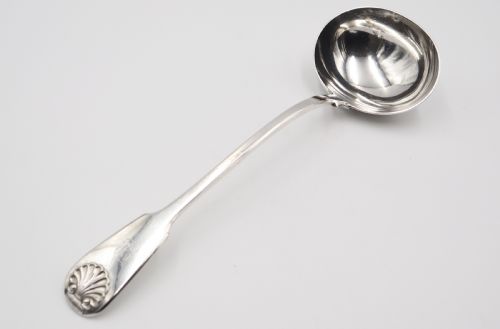
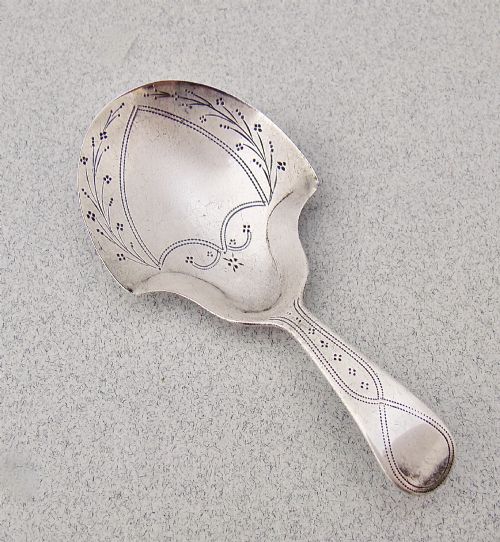
When searching for antique solid silver spoons, collectors encounter Georgian caddy spoons, Victorian teaspoons, and heavy serving ladles shaped by centuries of silversmithing.
Antique Solid Silver Spoons
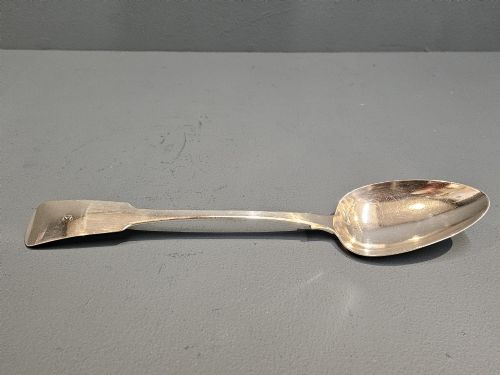
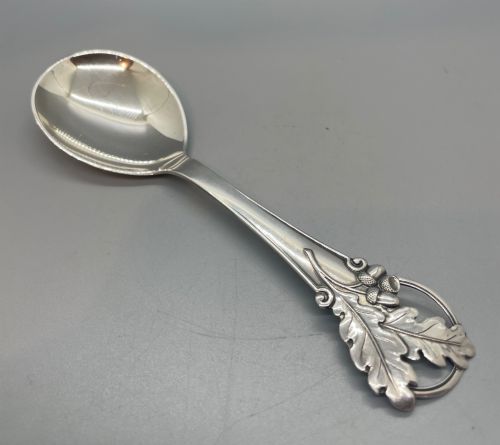
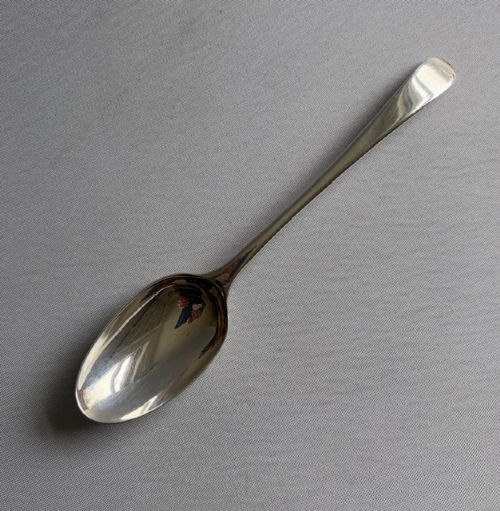
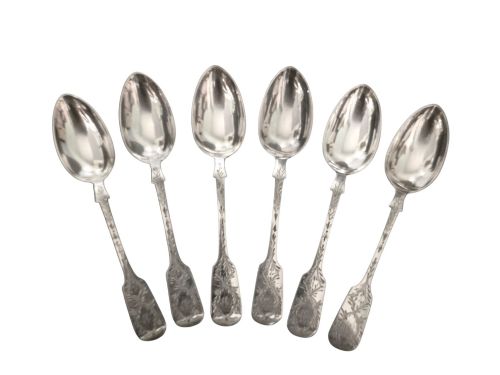
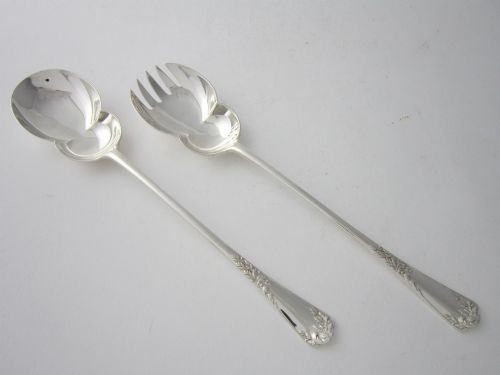
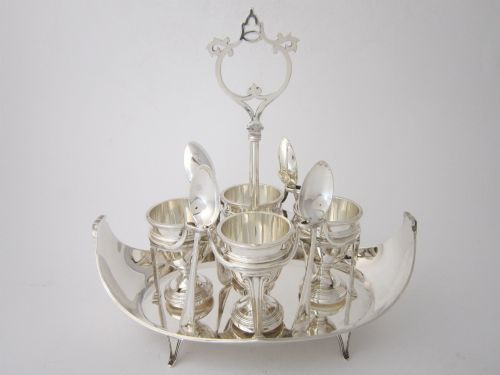
Antique solid silver spoons encompass a diverse array of forms, ranging from delicate caddy spoons and teaspoons to large serving ladles and basting spoons. These implements appear across multiple periods, including the Georgian, Victorian, and Edwardian eras, reflecting changing domestic habits and dining customs over time.
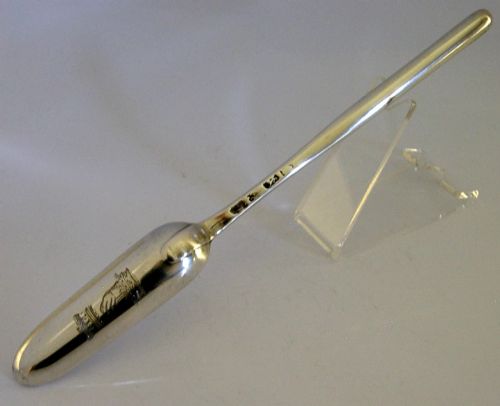
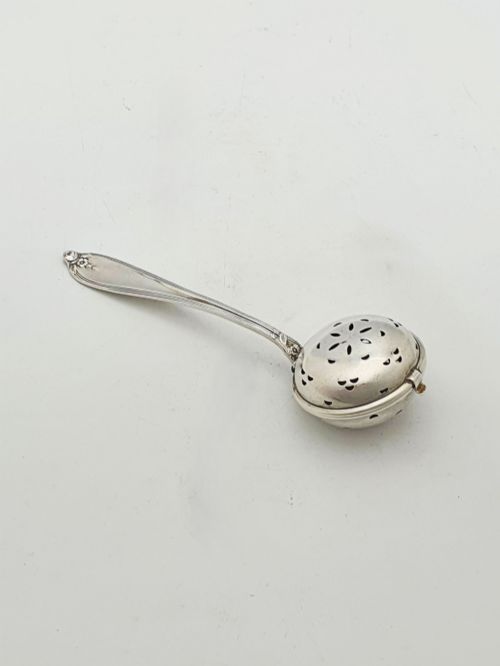
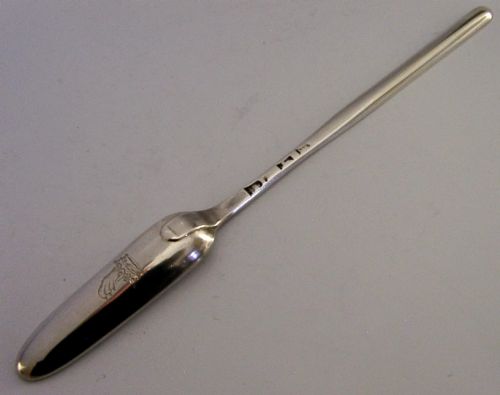
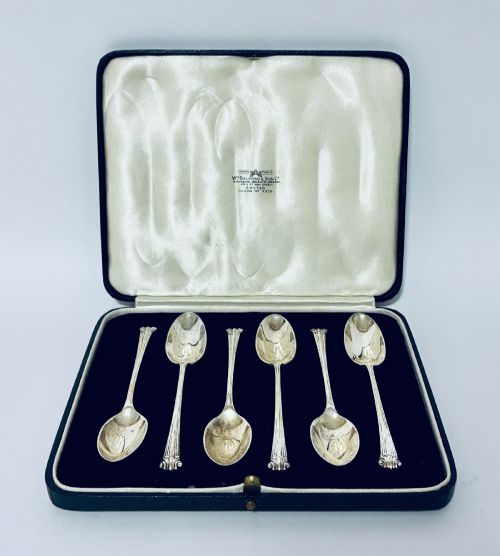
Specialised items such as marrow scoops, tea infusers, and apostle spoons indicate the specific uses devised for silver flatware in past centuries. Cased sets provide insight into how these domestic objects were preserved and presented for formal dining or gift-giving.
Materials and Techniques
Sterling silver and solid silver form the foundation of these items, supplemented occasionally by Britannia silver and silver-gilt finishes. Certain pieces incorporate decorative elements such as agate inlays, alongside fitted presentation cases lined with velvet, satin, or leatherette.
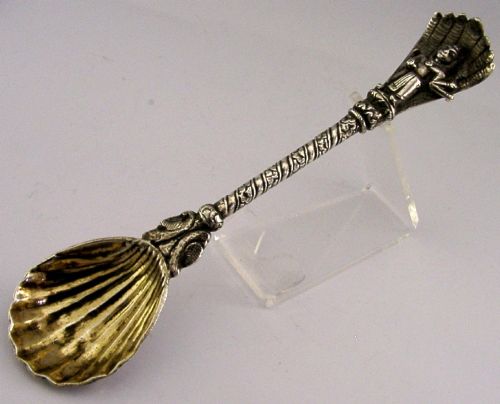
Manufacturing methods rely on traditional silversmithing techniques, including casting, hammering, and hand engraving. Detailed work appears on filigree caddy spoons and figural pieces, where skilled artisans manipulated the metal to create intricate surface patterns and sculptural forms.
Antique Solid Silver Spoons Retail Price Guide 2026
Typical asking prices for solid silver spoons among the pieces listed under this phrase on Sellingantiques today, from the lower quarter to the upper quarter. They describe what is for sale here now, not the wider market.
Among the cutlery and serving pieces, a novelty hand-shaped tea caddy spoon from 1943 offers a distinctly whimsical touch.
Markers of Distinction
The degree of crispness in hand-engraved crests and chased decoration separates standard utilitarian pieces from exceptional examples. Maker marks, such as those associated with Hester Bateman or Joseph Taylor, provide historical context that influences the standing of a piece.
Weight and structural substance distinguish substantial serving implements from lighter domestic flatware. The preservation of original hallmarks and the clarity of assay office stamps remain essential indicators of authenticity and origin.
Josiah Williams·Marius Hammer·Deakin & Francis·Milne and Campbell·Joseph Taylor·Hester Bateman
The Antique Solid Silver Spoons Glossary
- Caddy spoon
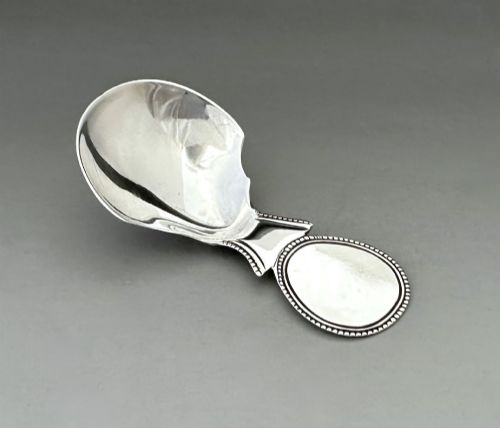
- A short-handled spoon specifically designed for measuring loose tea leaves from a caddy. These small implements often feature ornate bowls and decorative handles.
- Hallmark
- An official stamp applied to precious metals indicating the standard of purity, the assay office, and the year of manufacture. These marks provide definitive historical documentation for antique silver.
- Marrow scoop
- A narrow, elongated utensil used in the eighteenth century for extracting marrow from bones at the dining table. They typically feature double-ended troughs of differing sizes.
- Silver-gilt
- Silver objects that have been coated with a thin layer of gold on the surface. This technique imparts a rich golden hue while retaining a solid silver base structure.
Antique Solid Silver Spoons: Frequently Asked Questions
What is a caddy spoon used for?
A caddy spoon was utilised for measuring loose tea leaves from a storage container into a teapot. Their compact size and varied bowl designs made them both practical and decorative accessories for the tea service.
Over time, these spoons evolved into highly collectable items due to the inventive designs employed by silversmiths. They frequently reflect the prevailing artistic styles of their respective manufacturing periods.
How do I identify Georgian silver spoons?
Georgian silver spoons are identified through stylistic characteristics and official hallmarks stamped directly onto the metal. These marks typically include a maker's mark, a standard mark, and a date letter corresponding to the reigns of the Hanoverian kings.
The manufacturing techniques of the period often involved heavier gauge silver and hand-wrought construction. Many examples also display engraved family crests or initials pertinent to their original owners.
Were antique spoons used daily?
Many antique solid silver spoons served regular functions in domestic households, ranging from stirring tea to serving large portions of food at the dining table. Everyday use resulted in natural wear patterns that correspond to their age and history.
Cased sets and specialised flatware, conversely, were often reserved for formal dining occasions or kept as presentation pieces. This distinction in use explains the varying degrees of surface preservation found across different items.
What does bottom marked mean?
Bottom marked refers to an eighteenth-century practice where hallmarks were stamped near the base of the spoon bowl rather than on the back of the stem. This placement is characteristic of specific early manufacturing periods.
Finding these marks requires examining the exterior of the bowl carefully. Such placement offers a reliable indicator of age for collectors evaluating eighteenth-century silver.