


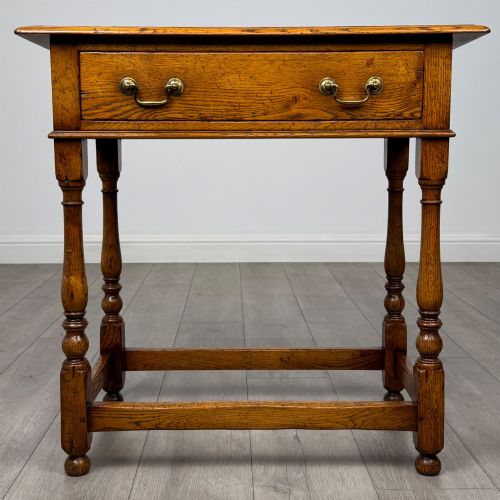
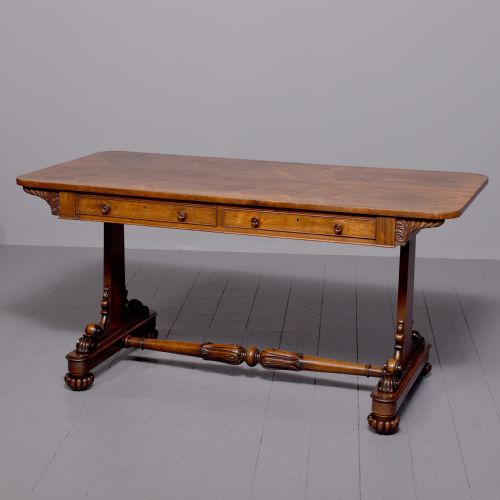
Antique Sofa Desk
An antique sofa desk provides a versatile writing surface and display table, standing freely in a room with polished timber and brass fittings.
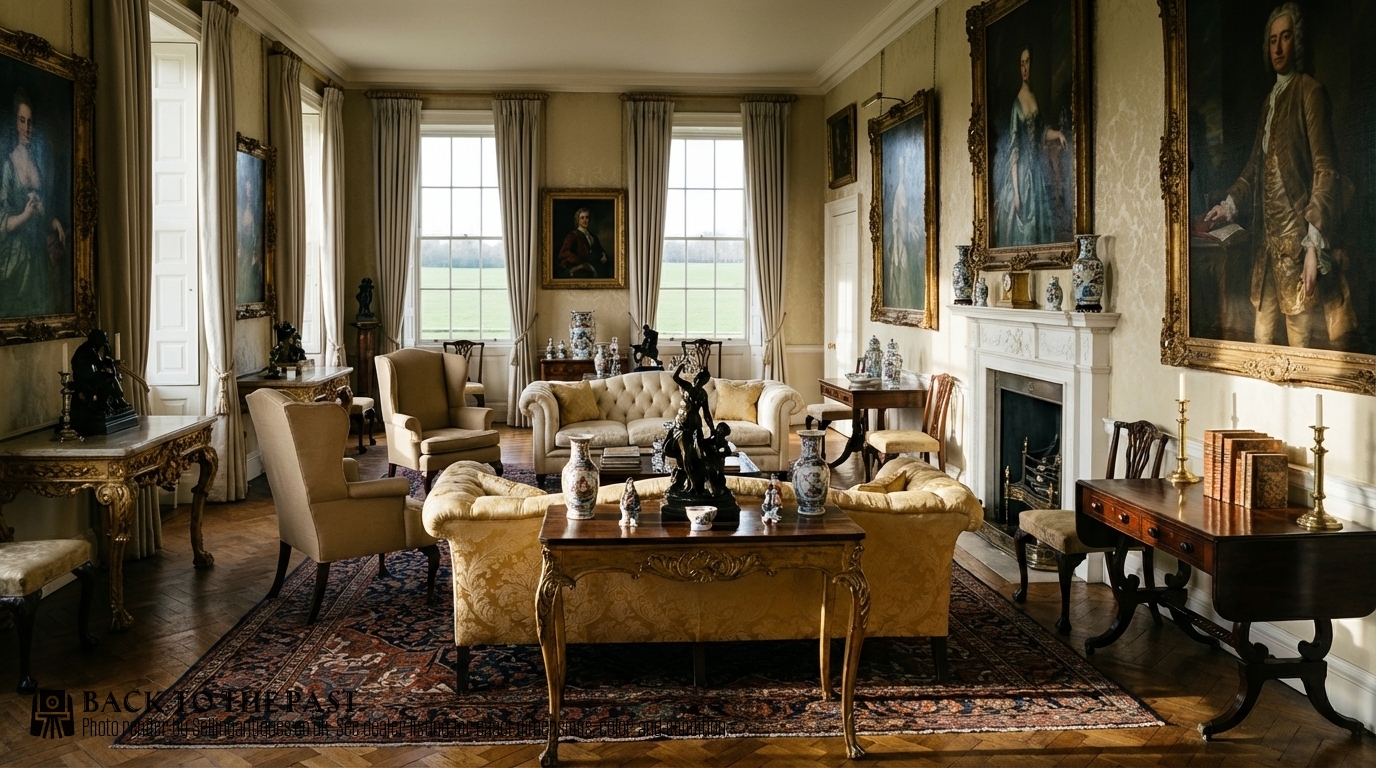
Antique Sofa Desk
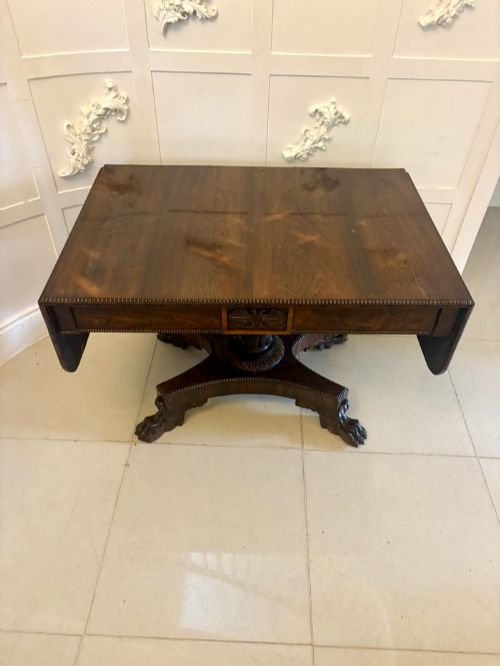
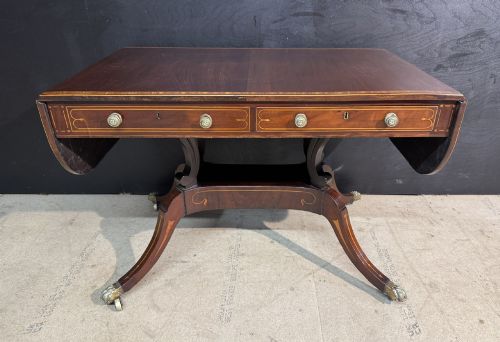
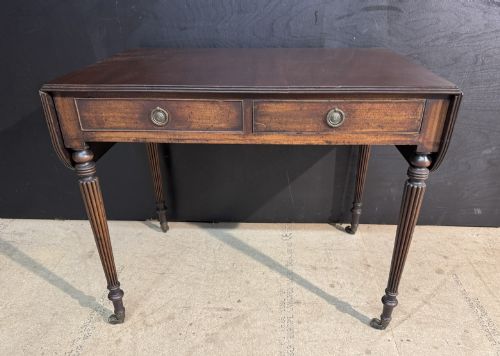
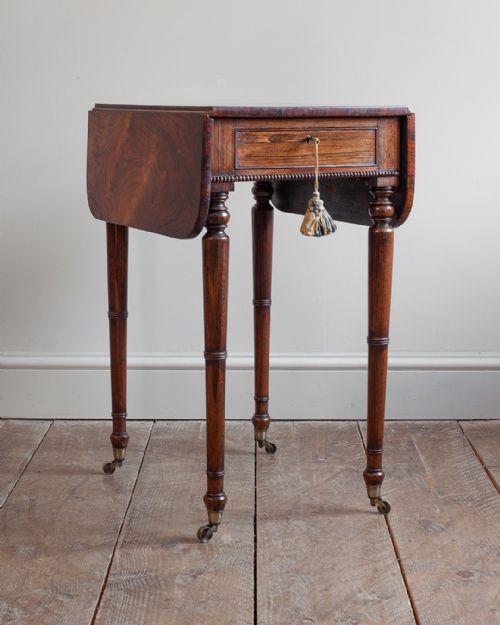
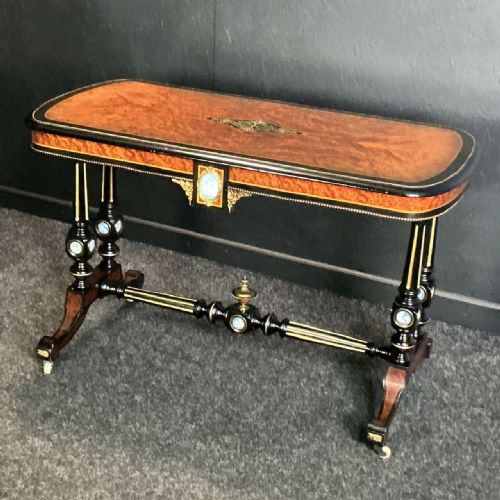
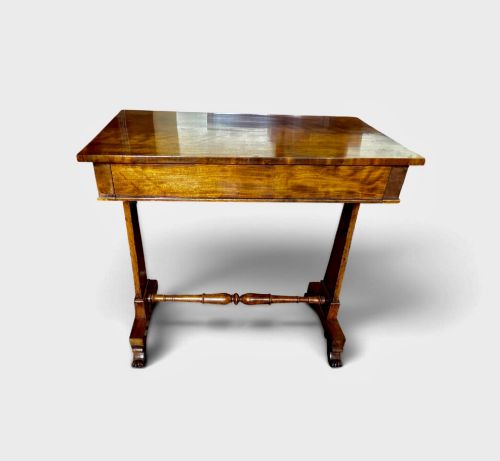
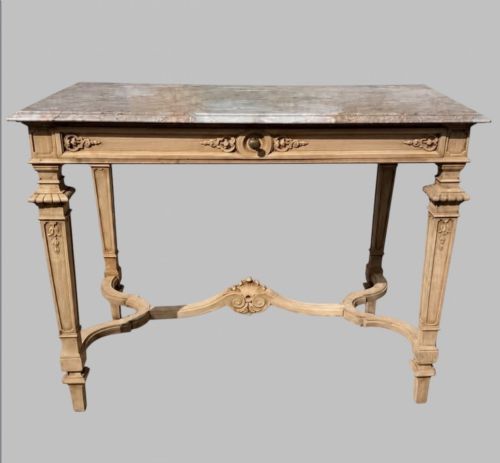
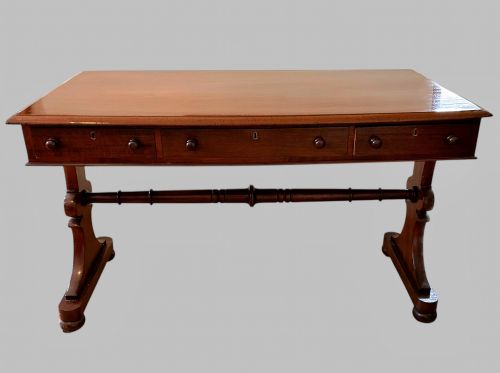
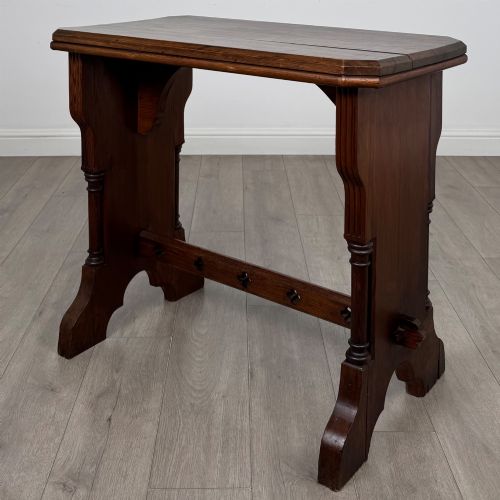
An antique sofa desk sits as a multifunctional piece designed for writing and display, frequently appearing on this page in forms such as sofa tables, library tables, and writing tables. These items originate from periods spanning the Georgian, Regency, William IV, Victorian, and Edwardian eras.
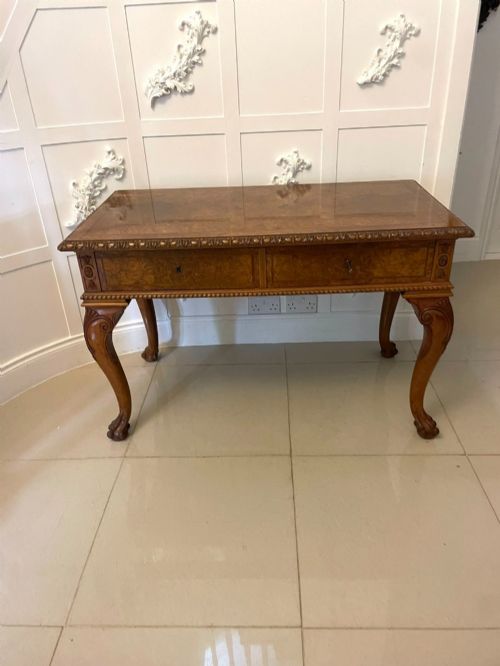
The most common versions met here include mahogany and rosewood sofa tables with drop leaves, alongside freestanding library tables and writing desks. Makers of these pieces constructed them to stand away from walls, displaying finished timber on all sides.
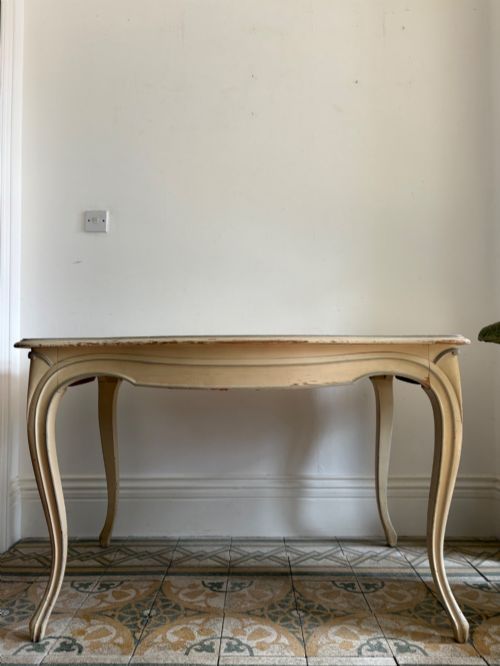
Makers also produced console and side tables serving similar domestic roles, utilising timber grains and brass accents to catch the eye. Buyers find these tables functioning as central room pieces or writing stations.
Materials and Construction
Cabinet makers utilised dense hardwoods including mahogany, rosewood, walnut, and burr walnut, often selecting flame or figured veneers for visual depth. These timbers provide the structural integrity required for freestanding tables and desks.
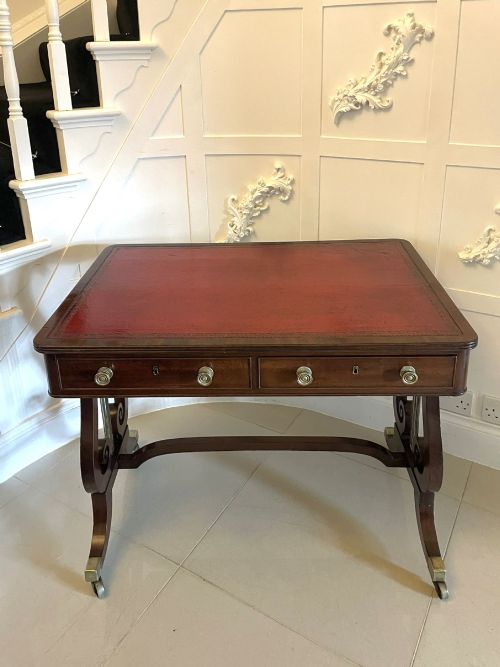
Workshops incorporated inset leather writing surfaces and cast brass handles, hinges, or lion paw feet to finish the pieces. Drop leaves operate on hinged flaps supported by pivoting wooden brackets.
Joinery techniques such as dovetailed drawers and turned pillars secure the framework, while inlay work adds geometric or botanical decoration to the timber surfaces.
Antique Sofa Desk Retail Price Guide 2026
Typical asking prices for sofa desk among the pieces listed under this phrase on Sellingantiques today, from the lower quarter to the upper quarter. They describe what is for sale here now, not the wider market.
The listings show diverse materials including mahogany, rosewood, walnut, oak, brass, leather, and olivewood across multiple centuries.
Distinctions in Quality
The selection of timber grain sets superior pieces apart, with highly figured mahogany, burr walnut, and richly grained rosewood commanding attention. Finer examples display thoughtful matching of veneers across table tops and drawer fronts.
Carved details such as lion paw feet, turned pillars, and precise inlay demonstrate the skill of the workshop. Plain timber surfaces rely entirely on proportion and the quality of the polish to achieve distinction.
Original hardware, including cast brass feet and drawer pulls, preserves the integrity of the piece. Tables retaining their fitted leather writing inserts and functional drop leaves represent the higher tier of surviving examples.
Williams and Gibton·Mein of Kelso
The Antique Sofa Desk Glossary
- Sofa Table
- A freestanding table with drop leaves on opposing sides, traditionally designed to stand in front of a sofa.
- Library Table
- A large sturdy table used for reading and writing, finished on all sides to stand in the centre of a room.
- Drop Leaf
- A hinged flap on a table top that lifts to extend the surface area when needed.
- Inlay
- Pieces of contrasting timber or other materials fitted into a recess to form a decorative pattern on the surface.
- Freestanding
- Finished on all sides so the piece can stand away from any wall in the open room.
Antique Sofa Desk: Frequently Asked Questions
Where do I put an antique sofa desk?
An antique sofa desk works best positioned in the centre of a room or behind a sofa, as these pieces feature finished timber on all sides.
They also function effectively against a wall as a console or writing table depending on the room layout.
How do I use the drop leaves?
The drop leaves lift up from the sides and rest on pivoting wooden arms or brackets pulled out from beneath the table top.
This mechanism allows the table to expand for writing or dining and drop down to save space when not in use.
How do I clean the leather top?
The leather writing surface requires gentle dusting with a soft dry cloth to prevent dust accumulation.
Moisture and harsh cleaning agents damage the leather and the surrounding timber finish.
How do I tell Regency from Victorian tables?
Regency pieces often display cleaner classical proportions with rosewood and brass accents dating from the early nineteenth century.
Victorian examples tend to feature darker mahogany or burr walnut with heavier carvings and deeper drawer configurations.