



Antique Sliding Desk
An antique sliding desk brings ingenious mechanical movement to traditional writing furniture, offering concealed writing surfaces and clever drawers.
Antique Sliding Desk
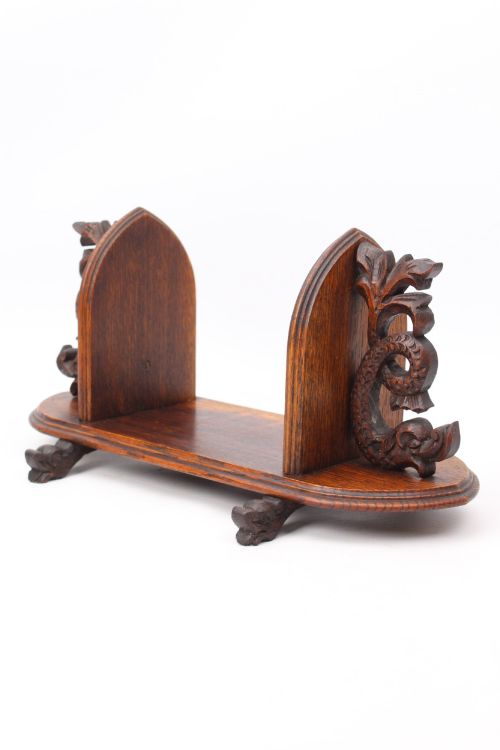
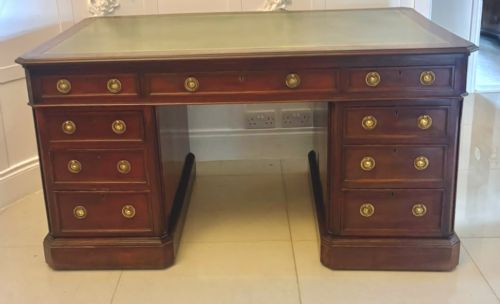
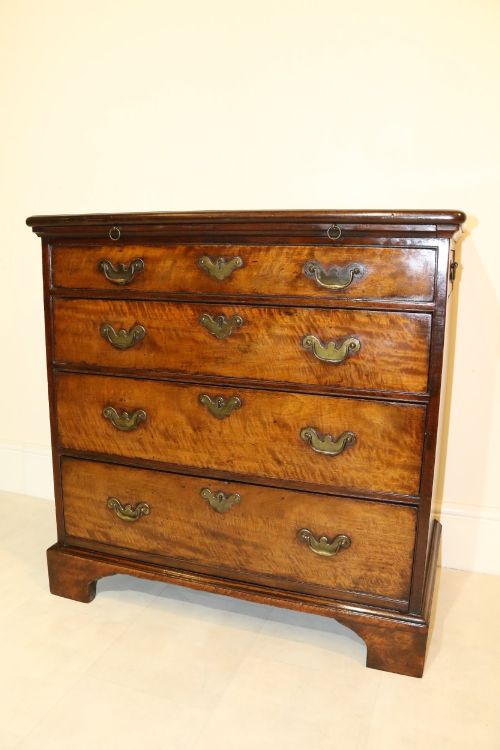
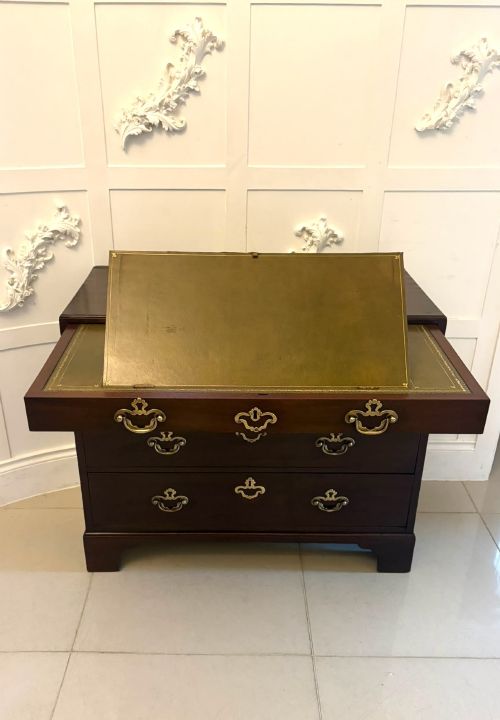
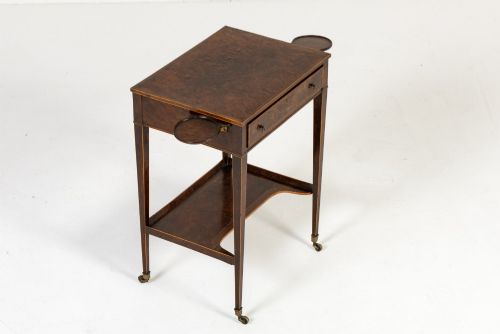
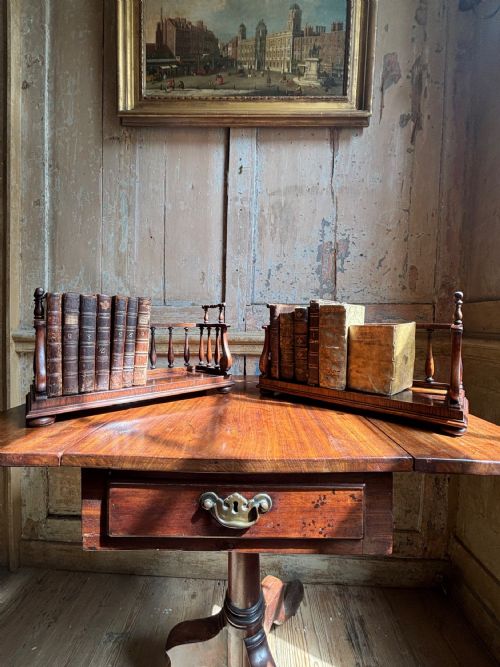
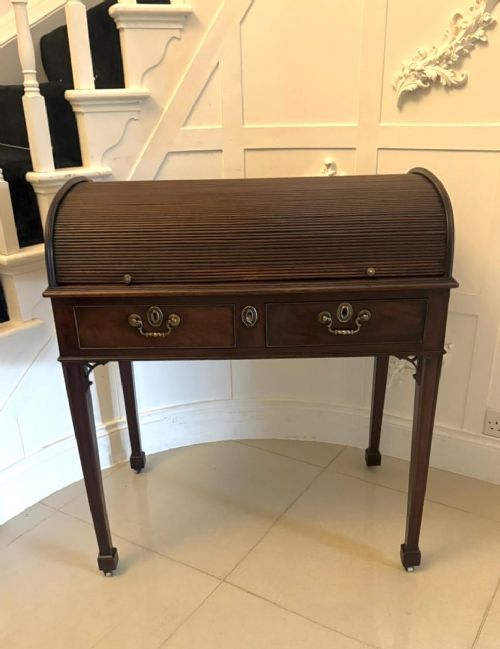
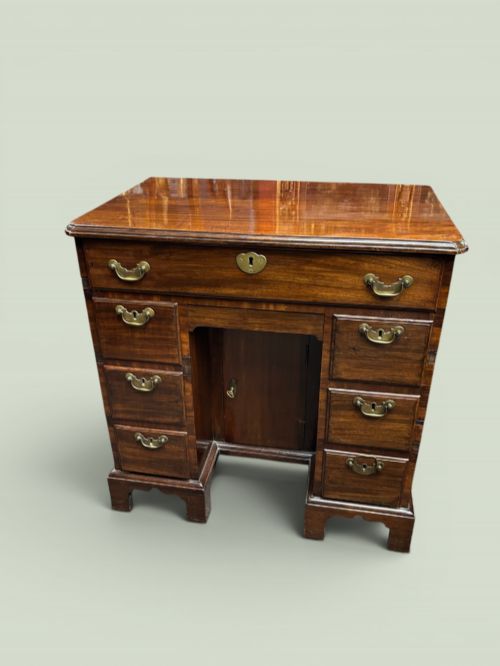
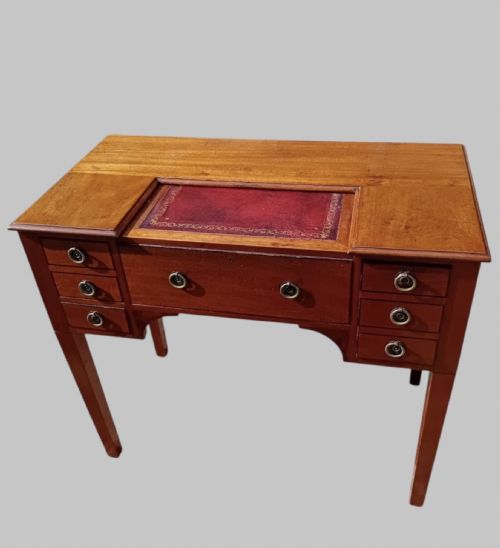
When you search for an antique sliding desk, you encounter various ingenious forms designed for efficient writing and storage. The selection spans compact Davenports with sliding top writing compartments, traditional pedestal desks featuring auxiliary pull-out writing slides, and bachelor chests equipped with dedicated writing drawers.
Originating across the eighteenth and nineteenth centuries, these pieces incorporate styles ranging from Georgian and Regency to Victorian and Edwardian periods. Materials such as mahogany, walnut, rosewood, and oak dominate the construction, often enhanced by brass mounts or leather inserts.
The practical function remains consistent across these variations, providing expandable surfaces or pull-out components that vanish when not in use. Buyers frequently meet pedestal kneehole desks and Davenport variants on this page, reflecting the enduring popularity of these space-saving writing configurations.
Materials and construction
Cabinetmakers utilised dense hardwoods like mahogany, walnut, and rosewood to build robust carcases capable of supporting moving internal mechanisms. Secondary timbers provided stability to drawer linings and concealed framework, ensuring smooth operation over decades of daily use.
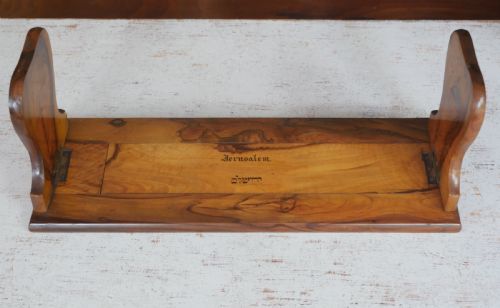
Mechanical elements rely heavily on fitted brass hardware, including sliding brackets, hinges, and mounting plates that guide extending book rests or folding desk leaves. Leather inserts often provide a tactile writing surface, while specialised techniques such as Tunbridge ware or boxwood inlay decorate exterior surfaces.
Listings feature pieces spanning the Georgian, Victorian, and Edwardian periods, constructed primarily from mahogany, walnut, and rosewood.
The markers of distinction
Quality manifests in the precision of the sliding mechanism and how smoothly internal components extend from the main body. Superior examples feature tight joinery, carefully selected timber grains, and well-concealed hardware that operates without binding or sagging.
The refinement of secondary details, such as hand-cut dovetails on stationery drawers, original brass mounts, and well-preserved leather or inlaid writing surfaces, separates standard utility pieces from exceptional workshop output.
Gillows·Sampson Mordan·Betjemanns·John McClean
The Antique Sliding Desk Glossary
- Davenport
- A compact desk featuring a sloped writing lid, typically with drawers accessed from the side and occasionally incorporating a sliding top section.
- Writing slide
- A pull-out shelf integrated beneath the main surface of a desk or chest, designed to provide temporary auxiliary writing space.
- Tambour top
- A flexible covering made of narrow strips of wood glued to canvas, allowing a cylinder desk top to slide open along a track.
- Pedestal desk
- A freestanding desk supported by two banks of drawers, often featuring pull-out slides above the pedestals.
- Tunbridge ware
- A form of intricate woodwork utilising thousands of tiny coloured wood blocks to create mosaic pictures, frequently seen on Victorian book slides and desk accessories.
Antique Sliding Desk: Frequently Asked Questions
How do sliding desk mechanisms work?
Sliding components typically move along internal wooden grooves or brass tracks integrated directly into the desk carcase. This engineering allows writing surfaces or stationery compartments to extend smoothly when needed and push flush when closed.
Such mechanisms require careful alignment during construction to prevent jamming as humidity changes over the years. Regular gentle use and occasional waxing of the runners keep the movement fluid.
What is the difference between a Davenport and a pedestal desk?
A Davenport is a compact writing cabinet where the desk box sits atop a single pedestal of drawers, often featuring a sliding top. A pedestal desk is a larger, freestanding partner or single-sided table resting on two distinct drawer columns.
Both forms incorporate sliding elements, but Davenports prioritize space-saving vertical storage. Pedestal desks provide substantial kneeholes and broader main working areas.
How do I care for leather desk inserts?
Leather writing surfaces benefit from gentle cleaning with a slightly damp cloth followed by a neutral leather cream to maintain flexibility. Avoid harsh chemical cleaners or excess water, which can stain the hide and damage the surrounding wood.
Keeping the leather conditioned prevents cracking along the fold lines of sliding writing surfaces. Direct sunlight should also be avoided to prevent fading of the dyed surface.
Are sliding desks suitable for daily modern use?
These pieces accommodate modern writing tasks and laptop use quite well, provided the extended surfaces are treated with care. The pull-out slides offer convenient auxiliary space for keyboards or notebooks without dominating a room.
One should verify the weight capacity of older sliding mechanisms before placing heavy office equipment on them. Using protective mats on leather or polished wood surfaces preserves the original finish.